Can You Take Ozempic After Eating? Understanding the Best Practices for This Medication
Introduction
Did you know that the way we approach medication can significantly influence its effectiveness? With the rise of chronic conditions such as type 2 diabetes and obesity, understanding how to use medications like Ozempic properly is crucial. As a once-weekly injectable medication, Ozempic offers flexibility in its administration, prompting many to wonder about the optimal times for taking it, especially concerning meals.
This blog post aims to clarify the use of Ozempic and whether it can be taken after eating. We will delve into how Ozempic functions in the body, what to expect regarding its effects, and how to integrate it into a healthy lifestyle. By the end of this article, you’ll have a clearer understanding of how to maximize the benefits of Ozempic while maintaining a balanced diet and healthy habits.
We’ll also discuss the importance of personalized care in managing your health journey, outlining how our TrimRx programs can support you in achieving your weight loss and wellness goals.
The world of weight management and diabetes treatment is constantly evolving, with new medications emerging to help individuals achieve their health goals. Among these, Ozempic® (semaglutide) has gained significant attention for its effectiveness in managing blood sugar levels and assisting with weight loss. However, a common question arises: can you take Ozempic after eating? This inquiry is not just about the timing of the medication but also about how it interacts with our dietary habits and overall health.
At TrimRx, our journey began with a vision to help individuals embrace healthier lifestyles through personalized weight loss solutions. We believe that sustainable weight loss should be achieved through science, empathy, and a transparent approach. In this post, we will explore the relationship between Ozempic and meal timing, how it works, and the best practices for incorporating this medication into your routine.
What is Ozempic?
Ozempic is an FDA-approved medication primarily used to manage type 2 diabetes. It belongs to a class of drugs known as GLP-1 receptor agonists, which mimic the action of a natural hormone in the body called glucagon-like peptide-1 (GLP-1). This hormone plays a key role in regulating blood sugar levels and appetite.
When injected, Ozempic helps lower blood sugar by:
- Stimulating insulin secretion: This action occurs when blood sugar levels rise, helping the body utilize glucose more effectively.
- Inhibiting glucagon release: Glucagon is a hormone that signals the liver to release stored glucose. By inhibiting its release, Ozempic helps prevent blood sugar spikes.
- Slowing gastric emptying: This effect makes you feel fuller for longer, which can aid in weight management by reducing appetite.
Ozempic is not just for diabetes management; it is also increasingly used off-label for weight loss. At TrimRx, we emphasize the importance of a comprehensive approach that combines medication with dietary changes and lifestyle modifications for sustainable results.
Can You Take Ozempic After Eating?
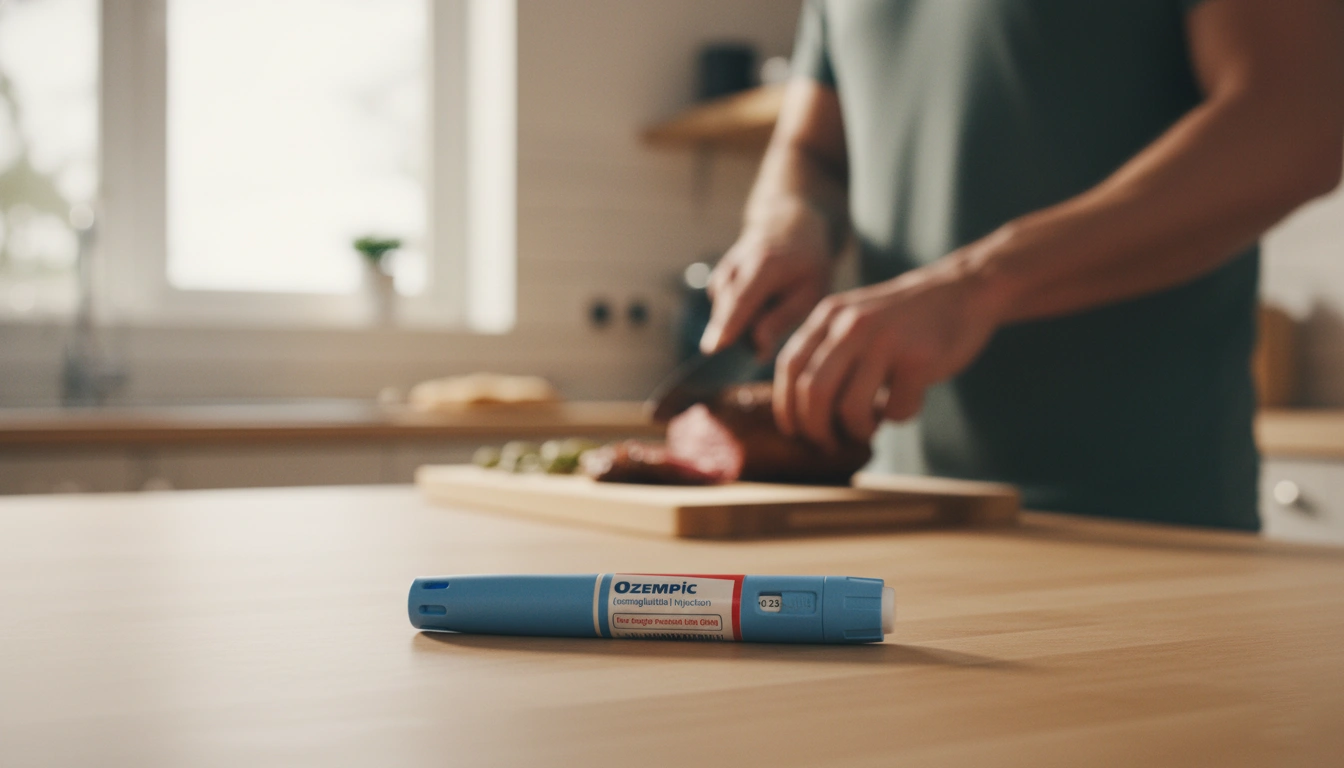
Yes, you can take Ozempic after eating, as its absorption is not affected by food intake. Unlike oral medications that must pass through the digestive system, Ozempic is injected subcutaneously (under the skin), allowing it to enter the bloodstream directly, bypassing the gastrointestinal tract. This means the timing of the injection in relation to meals is flexible.
Flexibility in Administration
The ability to take Ozempic with or without food offers significant convenience. Whether you prefer to administer it before or after a meal, what matters most is consistency. We recommend choosing a specific day and time each week to inject Ozempic, as this helps establish a routine that promotes adherence to your treatment plan.
Managing Side Effects
While taking Ozempic after eating is permissible, it’s essential to be aware of potential side effects. Some individuals may experience gastrointestinal discomfort, such as nausea, especially when starting the medication or increasing the dose. Eating smaller, more frequent meals or opting for bland foods may help mitigate these effects.
At TrimRx, we provide personalized weight loss solutions that include consultations with healthcare professionals who can guide you on how to manage side effects effectively, ensuring you receive compassionate care throughout your journey.
Best Practices for Taking Ozempic
To maximize the benefits of Ozempic, consider these best practices:
1. Establish a Routine
- Inject at the Same Time Each Week: Consistency is key. Designate a specific day of the week for your Ozempic injection. Setting reminders can help you stay on track.
2. Consider Your Diet
- Nutrient-Dense Foods: While Ozempic helps reduce appetite, it’s crucial to prioritize healthy, nutrient-dense foods. Incorporate fruits, vegetables, whole grains, and lean proteins into your meals for optimal nutrition.
- Avoid Certain Foods: High-fat, greasy, or sugary foods may exacerbate gastrointestinal side effects. Limiting these can help maintain comfort while taking Ozempic.
3. Monitor Your Body’s Response
- Listen to Your Body: Pay attention to how your body reacts after taking Ozempic, especially in relation to meal timing. If you notice discomfort after eating certain foods, adjusting your diet may be necessary.
4. Stay Hydrated
- Drink Plenty of Water: Staying hydrated is vital, especially if you experience gastrointestinal symptoms. Adequate hydration can help alleviate discomfort and promote overall health.
5. Utilize Support Services
- Engage with Healthcare Professionals: At TrimRx, we offer personalized assessments and ongoing support to help you navigate your weight loss journey. Our healthcare team is here to answer your questions and provide guidance tailored to your needs.
Understanding the Relationship Between Ozempic and Diet
While Ozempic is effective in managing blood sugar levels and promoting weight loss, it works best in conjunction with a balanced diet. The medication does not replace the need for healthy eating habits; rather, it complements them.
The Role of Diet in Weight Management
Research indicates that individuals using Ozempic experience better outcomes when they adhere to a nutritious diet. A study showed that participants who combined Ozempic with a reduced-calorie diet lost an average of 6% of their body weight over 12 weeks.
Recommended Dietary Changes
- Focus on Low-Carbohydrate Options: A diet low in simple carbohydrates can help stabilize blood sugar levels and enhance the effectiveness of Ozempic.
- Increase Fiber Intake: Foods rich in fiber can aid digestion and improve satiety, making it easier to manage portions.
- Limit Processed Foods: These often contain added sugars and unhealthy fats, which can counteract the benefits of Ozempic.
Conclusion
In summary, yes, you can take Ozempic after eating. This flexibility allows individuals to tailor their medication routine to their lifestyle while maintaining effective diabetes management and weight loss support. By combining Ozempic with a personalized nutrition plan, you can enhance its effectiveness and promote long-term health.
At TrimRx, we are committed to helping you achieve your health goals through a comprehensive approach that includes medically supervised care, personalized assessments, and ongoing support. We invite you to take our free assessment quiz to determine your eligibility for our personalized weight loss programs and see how we can assist you on your journey toward a healthier, happier life.
FAQ
Can Ozempic be taken at any time of day?
Yes, Ozempic can be injected at any time of day, as long as it is done consistently each week.
Should I take Ozempic with food?
You can take Ozempic with or without food. The timing of your injection does not affect its effectiveness.
What should I eat while on Ozempic?
Focus on a balanced diet rich in fruits, vegetables, lean proteins, and whole grains. Avoid high-fat and sugary foods to minimize gastrointestinal side effects.
What if I miss a dose of Ozempic?
If you miss a dose, administer it as soon as you remember, provided it is not too close to the time of your next dose. Do not double up on doses.
How can I manage side effects from Ozempic?
If you experience gastrointestinal discomfort, consider adjusting your diet by eating smaller, more frequent meals and avoiding greasy or high-sugar foods. Consult your healthcare provider for personalized advice.
How can TrimRx help me with my weight loss journey?
At TrimRx, we offer personalized weight loss solutions, including consultations with healthcare professionals, ongoing support, and access to prescription medications. Take our free assessment quiz to see if our program is right for you.

Transforming Lives, One Step at a Time
Keep reading

How to Get Ozempic or Semaglutide in Miami
Miami’s wellness culture runs deep, and GLP-1 medications have become a significant part of that conversation across the city. From Brickell to Coral Gables…

How to Get Ozempic or Semaglutide in Los Angeles
Los Angeles has no shortage of wellness clinics, concierge medicine practices, and weight loss programs promising access to the latest treatments. Semaglutide is at…
How to Get Ozempic or Semaglutide in Chicago
Chicago residents looking for semaglutide have more options than they might realize, and fewer of those options require setting foot in a clinic than…


