Can I Take Ozempic and Zepbound Together?
Introduction
If you have been researching medical weight loss, you have likely come across two of the most discussed names in the field: Ozempic® and Zepbound®. When you are working hard to reach a health goal, it is natural to wonder if combining these powerful tools could help you see results faster. However, in the world of metabolic health, more is not always better. Taking these medications at the same time is generally not recommended by healthcare professionals or the manufacturers who develop them. At TrimRx, we believe that understanding how these medications interact with your body is the first step toward a safe and sustainable transformation. This article will explain why taking these two medications together poses significant risks, how their mechanisms overlap, and what the safest process is if you are considering a transition from one to the other. Combining GLP-1 therapies requires careful clinical supervision to ensure your safety and long-term success.
Quick Answer: No, you should not take Ozempic® and Zepbound® together. Combining these medications causes therapeutic duplication, which significantly increases the risk of severe side effects like extreme nausea, vomiting, and dangerously low blood sugar without providing extra weight loss benefits.
The Science of GLP-1 and GIP Receptors
To understand why combining Ozempic® and Zepbound® is a concern, it is helpful to first look at how they work within your metabolic system. Both belong to a class of medications known as incretin mimetics. These are medications that mimic the natural hormones your body releases after you eat.
Ozempic® uses the active molecule semaglutide. This is a GLP-1 receptor agonist (glucagon-like peptide-1). When you take this medication, it acts on receptors in your brain and gut to help you feel full longer, slow down how quickly your stomach empties, and help your pancreas release the right amount of insulin.
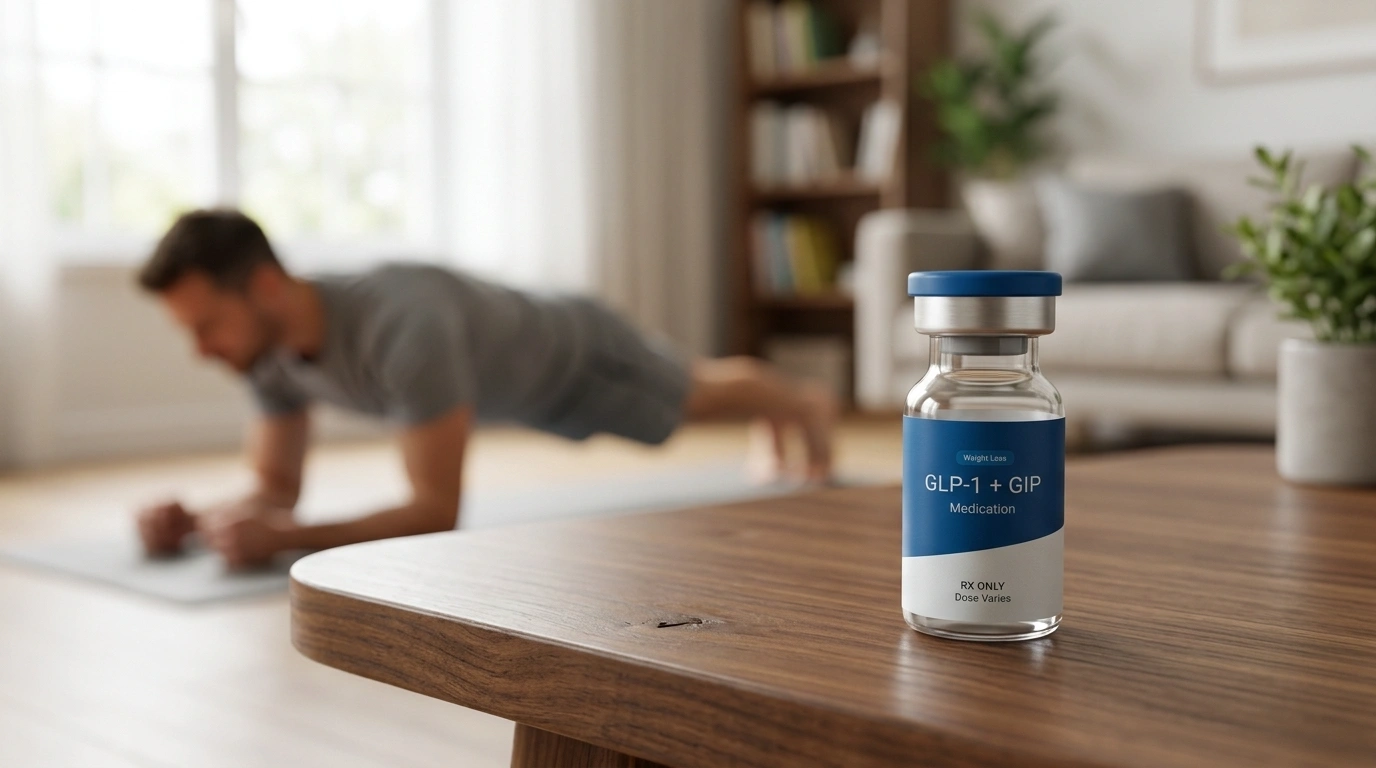
Zepbound® uses the active molecule tirzepatide. This is a dual-agonist, meaning it targets two different hormone pathways: the GLP-1 receptor and the GIP receptor (glucose-dependent insulinotropic polypeptide). GIP is another hormone that helps regulate how your body uses energy and processes fats.
Because both medications target the same GLP-1 pathway, taking them together means you are over-stimulating those receptors. This is what medical professionals call “therapeutic duplication.” Instead of working twice as well, the medications essentially “double up” on the same signals, which can overwhelm the digestive system. For more background, read this explanation of how semaglutide and tirzepatide overlap.
Why Combining These Medications Is Not Recommended
When a licensed provider designs a weight loss program, they look for a balance between effectiveness and tolerability. Combining these treatments breaks that balance. There are three primary reasons why a combination approach is avoided in clinical settings.
1. Lack of Clinical Research
There are no major clinical studies that prove taking semaglutide and tirzepatide together is safe or more effective than taking one alone. All current research on these molecules focuses on using them as a single primary therapy alongside lifestyle changes. Without data to show how the human body handles both simultaneously, healthcare providers cannot ensure your safety.
2. Severe Gastrointestinal Distress
The most common side effects of GLP-1 medications are gastrointestinal. When you take one medication, your body often needs several weeks to adjust to the slowed digestion. If you take both Ozempic® and Zepbound®, the effect on your digestive tract is compounded. This can lead to severe, persistent nausea, projectile vomiting, and intense abdominal pain. You can also review this guide to GLP-1 side effects and tolerability.
3. Increased Risk of Hypoglycemia
Both medications affect how your body manages blood sugar by encouraging insulin release. When used individually, they are generally considered safe regarding blood sugar. However, taking them together can cause blood sugar levels to drop too low, a condition called hypoglycemia. This can cause dizziness, confusion, shakiness, and in extreme cases, loss of consciousness.
Key Takeaway: Ozempic® and Zepbound® both stimulate the GLP-1 pathway. Taking them at the same time duplicates the medication’s effect, leading to higher toxicity risks without established medical benefits.
If you are unsure which treatment path may be appropriate, you can complete a free eligibility assessment.
Comparing the Two Medications
While they should not be used at the same time, many people find that one medication fits their biology better than the other. Understanding the differences can help you and a licensed provider decide which path to follow. A related article on switching between GLP-1 medications offers additional context.
| Feature | Ozempic® (Semaglutide) | Zepbound® (Tirzepatide) |
|---|---|---|
| Drug Class | GLP-1 Receptor Agonist | Dual GLP-1 + GIP Receptor Agonist |
| Primary Mechanism | Mimics one hormone (GLP-1) | Mimics two hormones (GLP-1 and GIP) |
| Manufacturer | Novo Nordisk | Eli Lilly |
| FDA Indication | Type 2 Diabetes | Chronic Weight Management |
| Dosing Schedule | Once-weekly injection | Once-weekly injection |
| Common Side Effects | Nausea, vomiting, diarrhea | Nausea, diarrhea, decreased appetite |
Through our platform at TrimRx, we connect individuals with licensed providers who can prescribe compounded semaglutide or compounded tirzepatide. These compounded versions are prepared and shipped by FDA-registered, inspected compounding pharmacies. They offer the same active molecules found in branded medications but allow for personalized dosing and broader access. Note that compounded medications are not FDA-approved, though they are a standard part of modern telehealth weight management.
Risks to Your Health and Safety
The danger of combining these medications goes beyond a simple stomach ache. In some cases, the stress on the body can lead to more serious medical complications.
- Dehydration: Severe vomiting and diarrhea can lead to rapid fluid loss. This puts significant stress on the kidneys and may require hospitalization for intravenous fluids.
- Pancreatitis: Both medications carry a rare but serious risk of inflammation of the pancreas. Over-stimulating the incretin pathways may theoretically increase this risk.
- Gallbladder Issues: Rapid weight loss or excessive hormone stimulation can sometimes lead to gallstones or gallbladder inflammation.
If you have already accidentally taken both medications, you should contact your healthcare provider or a poison control center immediately. Watch for signs of extreme lethargy, persistent abdominal pain that radiates to your back, or inability to keep down liquids.
Myth: Taking two different GLP-1 medications will break a weight loss plateau. Fact: Plateaus are often caused by the body’s natural adaptation to weight loss. Adding a second similar medication usually only increases side effects. A better approach is to discuss a dose adjustment or a complete switch to a different molecule with your provider.
How to Switch Safely Between Medications
It is very common for a person to start on a semaglutide-based program (like Ozempic® or Wegovy®) and later decide to switch to a tirzepatide-based program (like Zepbound® or Mounjaro®). This transition must be handled with a specific protocol to avoid the medications overlapping in your system.
Step 1: Consult a licensed provider. Never attempt to switch medications using leftover supplies or by guessing the dose. A provider must evaluate your current progress and side effect history to determine if a switch is appropriate.
Step 2: Observe a “washout” period. Most medications in the GLP-1 class have a long half-life, meaning they stay in your body for several weeks. Many providers recommend waiting 4 to 5 weeks after your last dose of one medication before starting the other. This ensures the first medication has mostly left your system.
Step 3: Start at the beginning dose. Even if you were at the highest dose of Ozempic®, you cannot usually jump to the highest dose of Zepbound®. Because tirzepatide targets the GIP receptor as well, your body needs to start at a low “induction” dose to build tolerance.
Step 4: Monitor for new side effects. Every body reacts differently to different molecules. During the first few weeks of a switch, pay close attention to how you feel and stay in close contact with your medical team.
Bottom line: Switching medications is a safe way to explore better results, but it must involve a clear gap between treatments to prevent dangerous overlap.
Personalizing Your Program with TrimRx
At TrimRx, our goal is to help you move away from the “one-size-fits-all” approach to weight loss. We understand that some individuals respond incredibly well to the GLP-1 pathway alone, while others may benefit more from the dual-action approach of tirzepatide.
Our personalized programs are designed to find the right tool for your specific health profile. When you work with us, you aren’t just getting a prescription; you are getting a medically supervised experience. Our team of specialists is available to help you navigate side effects and monitor your progress 24/7. This level of support is crucial if you are transitioning between treatments or if you are concerned about how your current medication is working.
If you are currently taking Ozempic® but aren’t seeing the results you expected, the answer isn’t adding Zepbound® on top. The answer is a professional re-evaluation. Our platform simplifies this process through our telehealth-first model, meaning you can discuss your options with a provider from the comfort of your home without waiting weeks for an in-person appointment.
Action Steps for Safety
- Check your labels: Ensure you aren’t accidentally taking two medications that contain the same active ingredient (for example, taking both Ozempic® and Wegovy®, which are both semaglutide).
- Be transparent: Always tell your provider about every medication and supplement you are taking, even if they aren’t for weight loss.
- Hydrate constantly: If you are on any GLP-1 medication, drinking water is your best defense against common side effects.
- Focus on protein: To prevent muscle loss while on these medications, ensure your diet includes adequate lean protein.
If you want a licensed provider to review your current treatment and goals, start the assessment process.
Managing Plateaus Without Duplication
If your motivation for wanting to take both medications is a stalled weight loss journey, there are safer ways to restart your progress. A plateau is a natural part of the metabolic process. As you lose weight, your body requires fewer calories to function, and your metabolism may slow down slightly to “protect” its energy stores. This article on weight loss plateaus during semaglutide treatment provides more discussion of that pattern.
Instead of combining medications, consider these strategies:
- Strength Training: Increasing your muscle mass can help raise your resting metabolic rate.
- Dose Titration: Your provider may recommend increasing your current dosage to the next level allowed by the clinical guidelines.
- Nutritional Support: Our supplements, like GLP-1 Daily Support, are designed to help fill nutrient gaps that can occur when your appetite is significantly reduced. This supports overall metabolic health and energy levels.
- A Complete Switch: If you have reached the maximum dose of semaglutide and progress has stopped, a provider may recommend moving to tirzepatide. Because tirzepatide hits an additional receptor, it can sometimes overcome a plateau that semaglutide could not.
Final Thoughts on Medication Safety
The landscape of medical weight loss is changing rapidly, and it is easy to feel overwhelmed by the choices available. However, the most important rule remains: your safety is the priority. Medications like Ozempic® and Zepbound® are life-changing for many, but they are powerful medical tools that must be used as intended.
Taking them together is a form of medication misuse that can lead to significant physical harm. By working with a structured program and a dedicated team, you can find the single medication that works best for you and follow a plan that protects your health while you lose weight.
Note: If you are unsure which medication is in your current program, look at the active ingredient. Semaglutide is the active agent in Ozempic® and Wegovy®. Tirzepatide is the active agent in Zepbound® and Mounjaro®. Never combine an “S” medication with a “T” medication.
Conclusion
While the desire to accelerate your weight loss results is understandable, taking Ozempic® and Zepbound® together is unsafe and medically unsupported. These medications overlap in how they affect your body, and combining them only serves to increase the risk of severe illness and dehydration. Your metabolic health journey is a marathon, not a sprint, and the best results come from a steady, supervised approach. At TrimRx, we are committed to providing you with the science-backed guidance and personalized care you need to reach your goals safely. We believe that by merging clinical expertise with modern technology, we can help you find a path that is both effective and sustainable.
- Never combine two different GLP-1 medications at the same time.
- Always allow for a doctor-supervised washout period when switching drugs.
- Prioritize hydration and nutrition to manage side effects naturally.
- Consult a licensed professional if your current weight loss progress has stalled.
Key Takeaway: Sustainable weight loss is about finding the right balance for your body. Trust the process, follow the clinical guidelines, and always prioritize your safety over speed.
If you are ready to explore a personalized, medically supervised weight loss program that fits your life, we invite you to take our free assessment quiz. This is the first step in discovering which treatment plan is right for your unique health profile.
FAQ
Can I take Zepbound if I am already taking Ozempic for diabetes?
No, you should not take both. Since both medications affect blood sugar and insulin through the GLP-1 pathway, taking them together can cause dangerously low blood sugar levels. You must consult your doctor to decide which single medication is best for managing both your diabetes and your weight.
What is the difference between Ozempic and Zepbound?
The main difference is the hormone receptors they target. Ozempic® (semaglutide) targets the GLP-1 receptor only, while Zepbound® (tirzepatide) targets both the GLP-1 and the GIP receptors. Because it targets two pathways, research suggests that tirzepatide may lead to greater average weight loss for many individuals. For additional context, review this guide to how GLP-1 medications can differ in tolerability.
How long should I wait to start Zepbound after stopping Ozempic?
Most healthcare providers recommend a “washout” period of 4 to 5 weeks. This allows the semaglutide to leave your system so that you do not experience the side effects of therapeutic duplication when you begin the tirzepatide. Always follow the specific timeline provided by your licensed healthcare professional. A provider can help you review your treatment options.
Is it okay to take Ozempic and a GLP-1 supplement together?
Yes, taking a medication like Ozempic® along with a supplement like GLP-1 Daily Support is generally safe and often recommended. These supplements do not contain prescription hormones; instead, they provide essential nutrients and fiber to help manage side effects and support the body’s natural metabolic processes while on medication.
TrimRx does not practice medicine or prescribe medications. Compounded medications are not FDA-approved and are not evaluated by the FDA for safety or efficacy. Results vary by individual and are not guaranteed.
Disclaimer: This content is for informational purposes only and does not constitute medical advice. It is not intended to diagnose, treat, cure, or prevent any disease or condition. Individual results may vary. Always consult a qualified healthcare professional before starting any weight loss program or medication.

Transforming Lives, One Step at a Time
Keep reading

Can You Eat Clam Chowder on Zepbound?
Clam chowder is a seaside classic, often served in a bread bowl on a chilly day. New England chowder is thick, creamy, and rich…

Can You Eat Korean BBQ on Zepbound?
Korean barbecue is a social, hands-on meal: platters of marinated meats grilled at the table, surrounded by small side dishes called banchan, with lettuce…

Can You Eat Brownies on Zepbound?
Brownies are a classic homemade treat, a bake sale staple, and a common office snack. They are also dense, rich, and very sweet, made…


