Can You Take Ozempic if You Have High Cholesterol?
Introduction
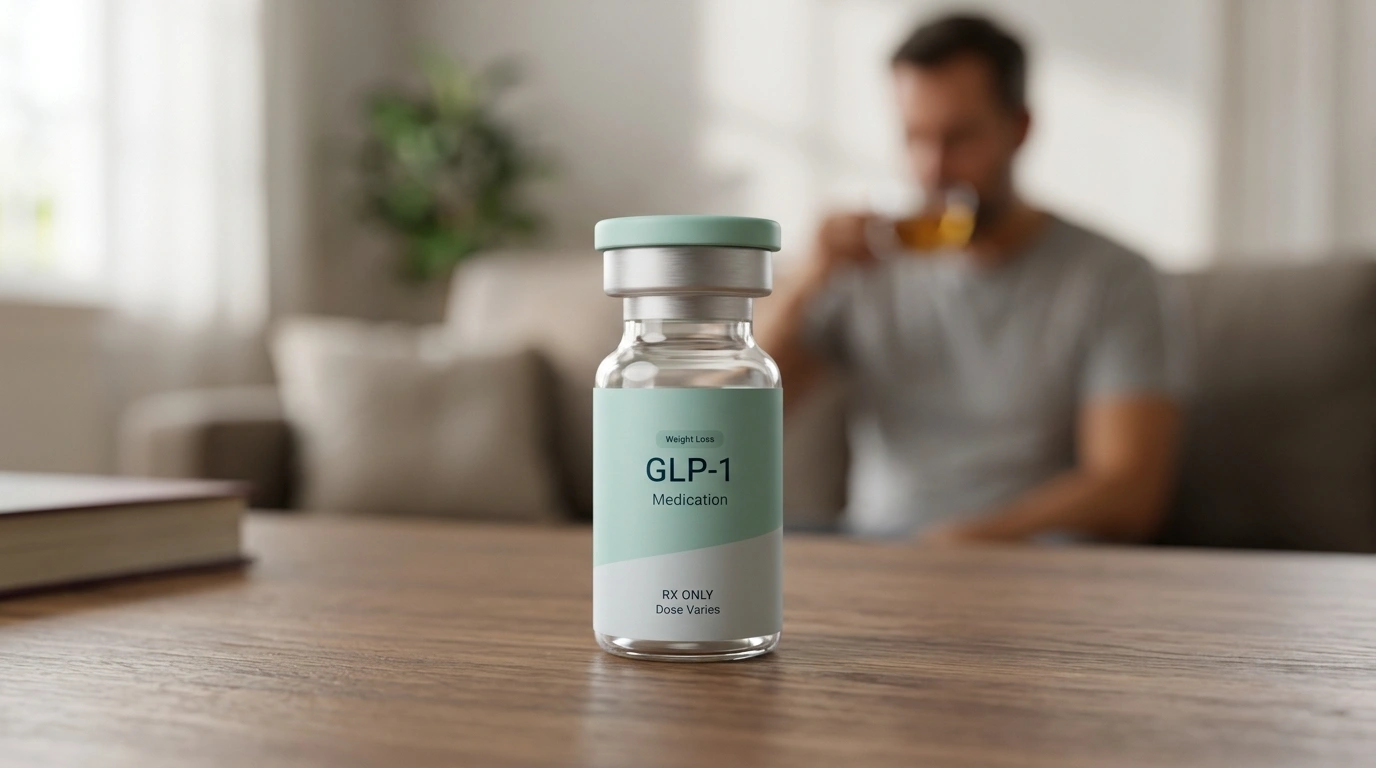
Managing your health can often feel like balancing on a tightrope, especially when you are navigating multiple concerns like weight management and heart health. If you have been diagnosed with high cholesterol, you might be wondering if modern weight loss medications are a safe or effective addition to your routine. One of the most common questions we hear at TrimRx is whether medications like Ozempic® are suitable for those already struggling with elevated lipid levels.
The short answer is yes; not only is it generally safe, but clinical research suggests it may actually provide significant benefits for your cardiovascular profile. This post explores how GLP-1 medications interact with cholesterol, what the latest clinical trials reveal about heart health, and how a personalized approach can help you manage these interconnected health goals. Our mission is to guide you toward a sustainable, science-backed path to better metabolic health.
If you are considering prescription support, you can complete a free eligibility assessment to learn whether a personalized program may be appropriate for you.
The Intersection of Weight and Cholesterol
To understand if you can take Ozempic® with high cholesterol, it is helpful to look at how the body manages fats and sugars together. High cholesterol, or dyslipidemia, rarely exists in a vacuum. It is often part of a broader picture called metabolic syndrome, which frequently includes high blood sugar, elevated blood pressure, and excess weight around the midsection.
When we carry excess weight, particularly visceral fat (the kind stored around internal organs), our bodies often become less efficient at processing lipids. This lead to a specific pattern of cholesterol: high triglycerides, low HDL (the “good” cholesterol), and high levels of small, dense LDL (the “bad” cholesterol) that is more likely to clog arteries. Because Ozempic® and similar medications address the underlying metabolic weight, they often have a ripple effect that improves the entire lipid panel.
For additional nutrition strategies, explore this guide to foods that can support a nutrient-rich weight loss approach.
Can You Take Ozempic if You Have High Cholesterol?
For the vast majority of individuals, high cholesterol is not a reason to avoid Ozempic®; in fact, it is often a reason why a healthcare provider might recommend it. The medication is a glucagon-like peptide-1 (GLP-1) receptor agonist. A GLP-1 is a hormone naturally produced in your gut that helps regulate appetite and blood sugar.
While the medication was originally designed to manage Type 2 diabetes, its ability to support weight loss and improve metabolic markers has made it a powerful tool for people with various cardiovascular risk factors. If you are struggling with high cholesterol and a BMI over 30 (or a BMI over 27 with a weight-related condition), you may be an ideal candidate for a GLP-1 program.
If you want to find out whether you may qualify, take the free assessment quiz.
Quick Answer: Yes, you can generally take Ozempic® if you have high cholesterol. Clinical evidence shows that it often helps lower LDL cholesterol and triglycerides while supporting overall heart health.
How Ozempic Influences Cholesterol Levels
The way Ozempic® affects your cholesterol is a two-fold process involving both direct metabolic changes and indirect benefits from weight reduction.
Indirect Effects Through Weight Loss
Weight loss is one of the most effective ways to naturally improve a lipid profile. When you lose even 5% to 10% of your body weight, your liver often becomes more efficient at clearing LDL from your blood. Since GLP-1 medications help you feel full longer and reduce food cravings, they make the lifestyle changes necessary for weight loss much more achievable. As the numbers on the scale go down, your cholesterol levels typically follow.
Learn more about how protein supports weight loss and muscle preservation.
Direct Metabolic Impact
Emerging research suggests that GLP-1 medications may have a direct effect on how the body processes fats, independent of weight loss. Studies indicate that semaglutide (the active ingredient in Ozempic® and Wegovy®) may reduce the production of VLDL (very-low-density lipoprotein) in the liver and decrease the absorption of lipids in the gut after a meal. This can lead to a significant drop in triglycerides, which are a major risk factor for heart disease.
Key Lipid Changes Observed in Clinical Trials
- LDL (Bad Cholesterol): Reductions of roughly 5% to 10% are commonly seen.
- Triglycerides: Often show the most dramatic improvement, with some studies noting a 15% to 20% decrease.
- HDL (Good Cholesterol): Often stays stable or sees a modest increase.
Key Takeaway: Ozempic® supports cholesterol management by both promoting significant weight loss and directly improving how your liver and gut handle dietary fats.
Clinical Evidence for Heart Health
One of the most significant milestones for semaglutide was the SELECT clinical trial. This massive study looked at thousands of adults who were overweight or had obesity and established heart disease but did not have diabetes. The results were clear: those taking semaglutide had a 20% lower risk of major cardiovascular events like heart attacks and strokes.
Because of this evidence, the medical community now views these medications as much more than just “weight loss drugs.” They are seen as comprehensive metabolic treatments. For someone with high cholesterol, this added layer of cardiovascular protection is a major benefit. It suggests that even if your cholesterol numbers only move slightly, your actual risk of a heart-related event may decrease significantly.
Ozempic vs. Statins: Do You Still Need Both?
A common misconception is that if you start a GLP-1 medication, you can stop taking your statin or other cholesterol-lowering drugs. It is critical to understand that Ozempic® is not a replacement for a statin. Statins are specifically designed to block the enzyme in your liver that creates cholesterol, and they are exceptionally powerful, often lowering LDL by 30% to 50%.
In many cases, a healthcare provider will recommend using both. The statin handles the production of cholesterol, while the GLP-1 medication addresses weight, blood sugar, and systemic inflammation. This combination can provide a “multi-pronged” defense against heart disease.
| Feature | Ozempic® (Semaglutide) | Statins (e.g., Atorvastatin) |
|---|---|---|
| Primary Goal | Blood sugar & weight management | Lowering LDL cholesterol |
| Typical LDL Reduction | 5% – 10% | 30% – 50% |
| Triglyceride Impact | Significant reduction | Moderate reduction |
| Mechanism | Mimics gut hormones to regulate appetite | Blocks liver cholesterol production |
| Format | Once-weekly injection | Daily oral pill |
Managing Potential Side Effects
While Ozempic® is generally safe for those with high cholesterol, it is important to be aware of how the medication might interact with your lifestyle and existing health conditions.
Gastrointestinal Comfort
The most common side effects are nausea, vomiting, diarrhea, and constipation. These usually occur when you first start the medication or when your dose increases. For someone with high cholesterol, it is important to maintain a heart-healthy diet even if you feel nauseous. Focus on small, frequent meals and stay hydrated.
For practical ideas, review these smart snack strategies for weight loss.
Triglycerides and Pancreatitis
If your high cholesterol includes extremely high triglycerides (levels above 500 mg/dL), your doctor will want to monitor you closely. Very high triglycerides increase the risk of pancreatitis, which is also a rare but serious side effect of GLP-1 medications. In these cases, a provider might work to lower your triglycerides with other medications or dietary changes before starting your GLP-1 journey.
Nutrient Support
Because these medications reduce your appetite, you may find yourself eating significantly less. It is vital to ensure that the food you do eat is nutrient-dense to support your heart and muscles. This is where targeted supplements can help bridge the gap. At TrimRx, we offer options like GLP-1 Daily Support to help maintain essential nutrient levels during your treatment.
You can also review guidance on fiber supplements and weight loss when considering ways to support your nutrition.
Personalized Weight Loss with TrimRx
Every body is different, and a “one-size-fits-all” approach to weight loss and cholesterol management rarely works. This is why we focus on a telehealth-first model that prioritizes your unique health profile. Our process begins with a free assessment quiz designed to understand your medical history, including any concerns about high cholesterol or heart health.
If you are eligible, we connect you with licensed healthcare providers who can develop a treatment plan tailored to you. This might include prescriptions for compounded semaglutide or tirzepatide, which are prepared in FDA-registered and inspected compounding pharmacies. Unlike branded medications like Ozempic® or Mounjaro®, which you would fill at a local pharmacy, our program provides a streamlined experience where your provider consultation, medication, and shipping are all handled through our platform.
Start with a personalized assessment to take the next step toward a medically supervised plan.
Lifestyle Changes to Support Your Results
Medication is a powerful tool, but it works best when paired with a healthy foundation. If you are taking a GLP-1 and managing high cholesterol, consider these three pillars of success:
- Prioritize Fiber: Soluble fiber (found in oats, beans, and lentils) acts like a sponge, soaking up cholesterol in your digestive tract and moving it out of the body.
- Focus on Lean Protein: As you lose weight, you want to preserve muscle mass. Choose lean options like poultry, fish, tofu, and legumes to support your metabolism without adding unnecessary saturated fat.
- Stay Active: Regular physical activity, even just a 30-minute walk five days a week, can help raise your HDL (good) cholesterol and improve the effectiveness of your medication.
For more ideas, explore this guide to protein choices for weight loss.
Note: Always consult with a licensed healthcare provider before starting any new medication or making significant changes to your existing treatment plan for high cholesterol.
Conclusion
High cholesterol is not a barrier to achieving your weight loss goals with modern medical support. In fact, for many, taking a medication like Ozempic® can be a significant step toward improving heart health and metabolic function. By addressing weight and blood sugar simultaneously, these treatments offer a comprehensive way to reduce cardiovascular risk.
At TrimRx, we believe that sustainable weight loss should be accessible, empathetic, and medically supervised. We are here to help you navigate the complexities of GLP-1 treatments and provide the personalized care you need to feel your best. Whether you are looking for a prescription program or high-quality supplements to support your journey, our team is dedicated to your long-term success.
Next Step: Ready to see if a personalized weight loss program is right for you? Take our free assessment quiz today to get started.
FAQ
Does Ozempic lower cholesterol and triglycerides?
Yes, clinical studies show that Ozempic® typically leads to a 5% to 10% reduction in LDL cholesterol and a 15% to 20% reduction in triglycerides. These improvements are often the result of both the medication’s direct metabolic effects and the weight loss that occurs during treatment.
Can I stop taking my statin if I start a GLP-1 medication?
No, you should never stop taking a prescribed statin without consulting your healthcare provider. While GLP-1 medications do improve lipid levels, they are generally not as powerful as statins for lowering LDL cholesterol, and many patients benefit from using both medications together.
Is Ozempic safe for someone with a history of heart disease?
Yes, Ozempic® is often specifically recommended for individuals with a history of heart disease and Type 2 diabetes. The FDA has approved it to help reduce the risk of major cardiovascular events like heart attacks and strokes in adults with these conditions.
What should I eat for high cholesterol while on a GLP-1?
Focus on a heart-healthy diet rich in soluble fiber, lean proteins, and healthy fats like those found in olive oil and avocados. Since your appetite will be reduced, it is important to avoid “empty calories” from sugary snacks and instead prioritize nutrient-dense foods that support your cardiovascular health.
Explore additional nutrient-dense food ideas for weight loss.
Disclaimer: This content is for informational purposes only and does not constitute medical advice. It is not intended to diagnose, treat, cure, or prevent any disease or condition. Individual results may vary. Always consult a qualified healthcare professional before starting any weight loss program or medication.

Transforming Lives, One Step at a Time
Keep reading

Why Does My Face Look Thinner Before the Rest of Me on Ozempic?
Because fat is lost in an order determined largely by genetics and hormones rather than by where you would like it to come from,…

Why Do I Bruise More Easily on Ozempic?
Some easy bruising during weight loss is unremarkable, and easy bruising is also one of the symptoms where getting blood tests is a sensible…
Why Is My Hair Shedding in the Shower on Ozempic?
Most likely telogen effluvium: a temporary, diffuse shedding that follows a physiological stressor, in this case rapid weight loss and reduced nutritional intake. It…


