Can You Take Ozempic With Statins? Safety and Benefits Explained
Introduction
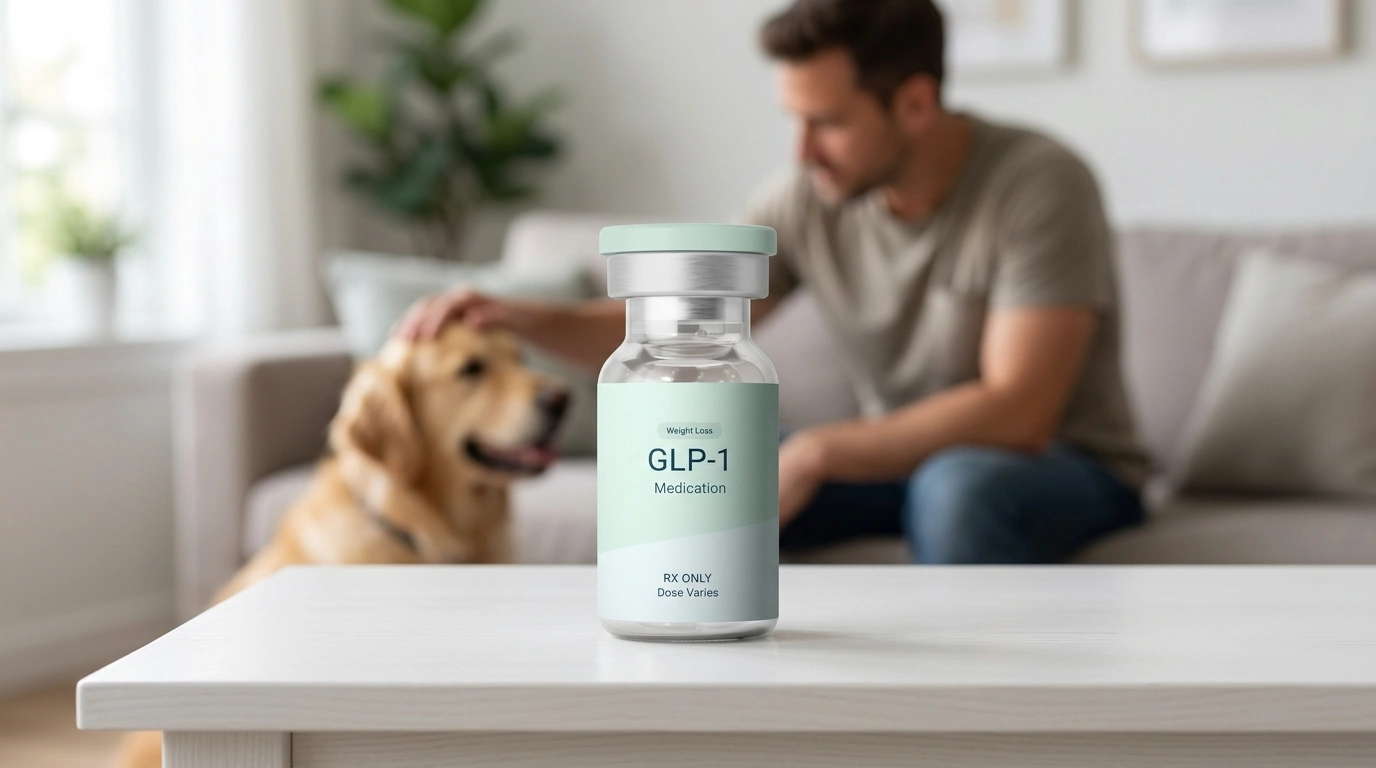
If you are managing both high cholesterol and a weight loss journey, you might find yourself staring at your prescription bottles and wondering how they all fit together. A common question for those starting metabolic treatment is: can you take Ozempic® with statins? Navigating multiple medications can feel overwhelming, but understanding how these treatments interact is the first step toward a safer, more effective health plan.
At TrimRx, we believe that personalized care is the foundation of sustainable health, which is why we emphasize the importance of understanding your medication profile. This article will explore the safety of combining Ozempic® (semaglutide) with cholesterol-lowering statins, the potential cardiovascular benefits of this pairing, and what you should discuss with your healthcare provider. While clinical evidence suggests these medications can be used together safely, a tailored approach ensures your body receives the specific support it needs. If you are considering prescription weight loss treatment, you can complete a free eligibility assessment.
Understanding the Medications
To understand if you can take these drugs together, it is helpful to look at what they do individually. Ozempic® is a brand-name medication containing semaglutide, which belongs to a class of drugs known as glucagon-like peptide-1 (GLP-1) receptor agonists. These medications mimic a natural hormone in your body that helps regulate blood sugar, slows down how quickly your stomach empties, and signals to your brain that you are full.
For a broader overview of how these medications work, read this guide to GLP-1 injections and their mechanisms.
Statins, on the other hand, are a class of medications designed to lower cholesterol levels in the blood. Common examples include atorvastatin (Lipitor®) and rosuvastatin (Crestor®). They work by blocking an enzyme in the liver that the body uses to create cholesterol. By reducing low-density lipoprotein (LDL), often called “bad” cholesterol, statins help prevent the buildup of plaque in your arteries.
Key Takeaway: Ozempic® manages blood sugar and appetite through the GLP-1 pathway, while statins target the liver’s cholesterol production to protect heart health.
Is It Safe to Combine Ozempic and Statins?
The short answer is yes; clinical research and drug interaction databases generally show no direct, harmful interaction between Ozempic® and statin medications. Many individuals who have Type 2 diabetes or obesity also manage high cholesterol, making this combination a frequent necessity in modern medicine. In fact, healthcare providers often prescribe them together because they address different aspects of metabolic syndrome.
One factor to consider is how Ozempic® affects the absorption of other oral medications. Because semaglutide slows down gastric emptying—the speed at which food and medicine move from your stomach into your intestines—it could theoretically change how your body absorbs an oral statin. However, for most patients, this change is not significant enough to require a dosage adjustment of the statin.
If you are unsure whether a GLP-1 medication fits your health history, you can see if you qualify for a personalized program.
Potential Cardiovascular Benefits
Beyond mere safety, there may be a synergistic benefit to taking these medications together. Heart disease is a primary concern for individuals struggling with weight or blood sugar issues. Both semaglutide and statins are heavily researched for their ability to reduce the risk of major cardiovascular events like heart attacks and strokes.
For additional context about semaglutide and cholesterol, explore how Ozempic may affect cholesterol levels.
Ozempic® has received specific recognition for its cardiovascular benefits. Clinical trials have shown that semaglutide may support heart health by reducing systemic inflammation and improving blood pressure. When paired with the lipid-lowering power of a statin, the two medications work through different mechanisms to protect the heart and blood vessels.
Bottom line: Combining a GLP-1 medication with a statin provides a multi-layered approach to heart protection by managing weight, blood sugar, and cholesterol levels simultaneously.
How Semaglutide Affects Cholesterol Levels
While Ozempic® is not a primary treatment for high cholesterol, research suggests that it can have a positive impact on your lipid profile. Many patients who take semaglutide see a reduction in their total cholesterol, LDL cholesterol, and triglycerides. This is often a secondary effect of the weight loss and improved metabolic function that occurs during treatment.
For a plain-language comparison of these medications, read what to know about weight loss drugs and high cholesterol.
When you lose weight, your body’s fat metabolism improves. Lower levels of body fat typically lead to lower levels of circulating triglycerides and “bad” cholesterol. While this does not replace the need for a statin if your cholesterol is genetically high or severely elevated, it can certainly help you reach your health goals faster.
Understanding the Lipid Panel
- LDL (Bad Cholesterol): Statins are the gold standard for lowering this number.
- Triglycerides: Often improve significantly with semaglutide and weight loss.
- HDL (Good Cholesterol): May increase slightly as metabolic health improves.
Side Effects and Management
When taking multiple medications, it is important to be aware of overlapping or distinct side effects. Most people tolerate the combination of Ozempic® and statins well, but there are specific symptoms to watch for.
Ozempic® is most known for gastrointestinal side effects. These can include nausea, vomiting, diarrhea, or constipation, especially when you first start the medication or increase your dose. These symptoms usually fade as your body adjusts to the GLP-1 hormone.
For more guidance, review this resource on semaglutide side effects and when to call your doctor.
Statins have a different profile of potential side effects. Some individuals report muscle aches or weakness, known as myalgia. In rare cases, statins can affect liver enzyme levels. Because both medications can place different demands on your body, staying hydrated and maintaining a consistent diet is essential for minimizing discomfort.
Note: If you experience unexplained muscle pain while taking a statin, or severe abdominal pain while taking a GLP-1, you should contact your healthcare provider immediately.
The Role of Personalized Treatment
Every individual’s health profile is unique. While general guidelines suggest that taking Ozempic® with statins is safe, your specific medical history matters. Factors such as your kidney function, liver health, and the specific type of statin you are taking can all influence how your body responds.
At TrimRx, our approach focuses on this individuality. We connect patients with licensed healthcare providers who review their entire medical history, including current prescriptions like statins, before recommending a treatment plan. This ensures that your weight loss program complements your existing health routine rather than complicating it.
Why Personalization Matters
- Dose Optimization: Ensuring your GLP-1 dose is scaled at a pace your body can handle.
- Interaction Screening: Professional review of all supplements and medications.
- Ongoing Monitoring: Adjusting the plan based on your real-world results and side effects.
Lifestyle Factors and Drug Efficacy
Medication is only one piece of the puzzle. When taking statins and Ozempic®, certain lifestyle choices can impact how well the drugs work. For example, grapefruit juice is known to interact with several types of statins, potentially increasing the level of the drug in your blood to unsafe levels.
Hydration is also a critical factor when taking semaglutide. Because gastrointestinal side effects can lead to fluid loss, and because the medication can sometimes affect kidney function in dehydrated patients, drinking plenty of water is a non-negotiable part of the program.
- Step 1: Consult Your Provider. Always disclose all medications and supplements during your assessment.
- Step 2: Prioritize Protein. Maintaining muscle mass is vital when losing weight on a GLP-1.
- Step 3: Monitor Symptoms. Keep a log of how you feel when starting new medications.
- Step 4: Stay Hydrated. Aim for consistent water intake throughout the day to support kidney health.
For more nutrition guidance, read about protein requirements on GLP-1 medications.
Compounded Medications and Cholesterol
In some cases, patients may choose to use Compounded Semaglutide rather than the branded Ozempic®. It is important to understand the distinction between these options. Branded medications like Ozempic® and Wegovy® are FDA-approved for specific uses. Compounded Semaglutide, while containing the same active ingredient, is not FDA-approved.
We partner with FDA-registered and inspected compounding pharmacies to ensure high-quality preparations for our patients. These compounded options can be a valuable part of a personalized weight loss program, especially for those looking for specific dosages or more accessible options. When taking a compounded medication alongside a statin, the same safety principles apply: professional supervision is essential to monitor for efficacy and potential side effects.
Managing Other Conditions
Many people asking about statins and Ozempic® are also managing Type 2 diabetes. It is important to note that both medications can influence blood sugar. While statins are vital for heart health, some studies have suggested they can slightly increase blood glucose levels in certain patients.
Conversely, Ozempic® is highly effective at lowering blood glucose. If you are taking both, your healthcare provider may want to monitor your A1c levels more closely to ensure your blood sugar stays within a healthy range. This “balancing act” is exactly why a telehealth-based program with regular specialist access can be so beneficial.
Nutrients and Support
To get the most out of your treatment, you may want to consider supplemental support. When your body is undergoing significant metabolic changes, its nutritional needs can shift. We offer quick-access supplements like GLP-1 Daily Support and Weight Loss Boost, which are designed to complement your program.
These supplements do not require a prescription and can help bridge the gap if your appetite is significantly reduced by your medication. Ensuring you have the right vitamins and minerals supports your energy levels and helps your body process the changes in weight and cholesterol more efficiently.
Myth: You don’t need to eat much when taking Ozempic®. Fact: Proper nutrition is even more important on a GLP-1 to prevent muscle loss and nutrient deficiencies.
The Importance of Telehealth Monitoring
The traditional model of waiting weeks for a doctor’s appointment can be a barrier to successful weight loss. Telehealth offers a modern solution, especially for those managing complex medication routines. Having 24/7 access to a team of specialists means you can get answers to questions about your statins and weight loss medications in real-time.
Our mission at TrimRx is to provide a science-backed, empathetic environment where you feel supported at every step. We manage the logistics—from doctor consultations to shipping medications from regulated pharmacies—so you can focus on your health.
For more information about nutrition during treatment, explore how to preserve muscle while losing fat on a GLP-1.
Taking the Next Step
If you are currently taking a statin and are curious about adding a GLP-1 medication to your routine, the best next step is a professional evaluation. You don’t have to guess whether a medication is right for you. By completing a free assessment, you can provide the necessary health data for a licensed provider to make an informed recommendation.
Sustainable weight loss is about more than just a number on the scale; it is about improving your overall metabolic health. Managing your cholesterol and weight together is a powerful way to invest in your long-term well-being.
Conclusion
Can you take Ozempic® with statins? Generally, the answer is a definitive yes. These medications often work as a team, with statins protecting your arteries and Ozempic® improving your weight, blood sugar, and metabolic function. While you must always be mindful of side effects and how your body absorbs oral medications, most people find this combination to be a cornerstone of their heart-healthy lifestyle.
At TrimRx, we are committed to helping you navigate these complexities with transparency and clinical expertise. Our personalized programs are designed to fit into your existing life, providing the tools and medical supervision needed for lasting change. Whether you are just starting or looking to optimize your current path, science-backed support makes all the difference.
“True metabolic health is a multi-front effort. By addressing weight and cholesterol simultaneously, you are giving your heart the best possible environment to thrive.”
If you are ready to see how a personalized weight loss program can complement your current health routine, we invite you to take the free assessment quiz today.
FAQ
Does Ozempic interact with Lipitor or other statins?
There are no known direct drug-to-drug interactions between Ozempic® and statin medications like Lipitor® (atorvastatin). While Ozempic® slows stomach emptying, which can theoretically affect the absorption of oral drugs, this is rarely clinically significant for statin users. You should always inform your healthcare provider about all medications you are taking to ensure proper monitoring.
Can semaglutide replace my cholesterol medication?
No, semaglutide is not a substitute for a statin. While Ozempic® may help lower cholesterol and triglycerides as a secondary benefit of weight loss, statins are the primary treatment for high cholesterol and are more effective at lowering LDL. Most doctors recommend continuing your statin while starting a GLP-1 medication if your cholesterol levels require medical management.
For more background, read what to know about GLP-1 medications and high cholesterol.
What side effects should I watch for when taking both?
The most common side effects are gastrointestinal, such as nausea or diarrhea from the Ozempic®, and potential muscle aches from the statin. It is important to stay well-hydrated, as dehydration can increase the risk of kidney issues when taking a GLP-1. If you experience severe muscle pain or persistent vomiting, contact a healthcare professional immediately.
Do I need a special diet when combining these drugs?
While there is no “statins and Ozempic” specific diet, a heart-healthy, high-protein diet is recommended. You should avoid excessive grapefruit juice if your specific statin requires it and focus on small, nutrient-dense meals to manage the appetite-suppressing effects of the GLP-1. Staying consistent with fiber and water intake will also help manage digestive side effects.
You can also consider daily nutritional support designed for GLP-1 users if reduced appetite makes it difficult to maintain your usual intake.
Disclaimer: This content is for informational purposes only and does not constitute medical advice. It is not intended to diagnose, treat, cure, or prevent any disease or condition. Individual results may vary. Always consult a qualified healthcare professional before starting any weight loss program or medication.

Transforming Lives, One Step at a Time
Keep reading
Is It Normal for Nausea to Come Back on Ozempic?
Many people on Ozempic or another GLP-1 have a rough first few weeks, then settle in and feel much better. So it can be…

Is It Normal to Not Feel Anything After Taking Ozempic?
You have heard stories about people losing interest in food overnight or feeling queasy after their first dose. Then you take your own first…

Is It Normal to Have Dark Urine on Ozempic?
Noticing that your urine is darker than usual can be worrying. On Ozempic or another GLP-1, the most common reason is simple: you are…


