Can You Take Prednisone While on Semaglutide?

Introduction
Facing a sudden health hurdle like an asthma flare-up, a severe allergic reaction, or a chronic inflammatory spike can feel like a major setback when you are working hard on your weight loss journey. When a provider prescribes a corticosteroid like prednisone, it is natural to worry about how it might interact with your GLP-1 medication. At TrimRx, we understand that managing multiple health needs requires a careful, personalized approach to keep your metabolic progress on track. While these two treatments serve very different purposes, they can often be used together under close medical supervision. This article explores how these medications interact, what happens to your blood sugar and appetite, and how to manage your weight loss goals if you require a course of steroids. You can safely navigate this “metabolic tug-of-war” by staying informed and working closely with licensed professionals.
The Metabolic Tug-of-War: How These Medications Interact
To understand if you can take these medications together, it helps to look at how they function in your body. They essentially pull your metabolism in opposite directions. This does not mean they “clash” in a way that makes them dangerous, but it does mean they create a unique clinical challenge for your system to manage.
For another detailed look at this medication combination, review our guide to semaglutide and prednisone during weight management.
What is Semaglutide?
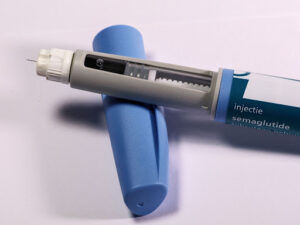
Semaglutide is a GLP-1 receptor agonist, which stands for glucagon-like peptide-1. This class of medication mimics a natural hormone produced in your gut that responds to food. Its primary role is to support the body’s natural metabolic pathways by telling the brain you are full, slowing down how quickly your stomach empties, and helping the pancreas release insulin when blood sugar is high. Whether you are using a branded version or a compounded medication, the goal is to improve insulin sensitivity and support sustainable weight management.
You can review a broader explanation of how GLP-1 medicines work before discussing your individual situation with a licensed provider.
What is Prednisone?
Prednisone is a corticosteroid, a synthetic version of the hormones naturally produced by your adrenal glands. It is a powerful anti-inflammatory tool used to treat conditions ranging from rheumatoid arthritis and lupus to severe respiratory issues. While it is highly effective at calming an overactive immune system, it has significant systemic effects. Specifically, it tells the liver to produce more glucose and makes your cells more resistant to the effects of insulin.
Key Takeaway: Semaglutide and prednisone act as opposing forces. One improves insulin sensitivity and lowers blood sugar, while the other increases insulin resistance and raises blood sugar.
Managing Blood Sugar Fluctuations
The most critical interaction to watch when combining these treatments is the impact on your blood glucose levels. Even for individuals who do not have a history of diabetes, prednisone can significantly alter how the body processes sugar.
Steroid-Induced Hyperglycemia
Prednisone promotes a process called gluconeogenesis. This is when the liver produces extra glucose and releases it into the bloodstream. At the same time, it decreases insulin sensitivity, meaning your muscle and fat cells do not respond as well to the insulin your body makes. This often leads to a spike in blood sugar levels, often referred to as steroid-induced hyperglycemia. Research suggests that corticosteroids can increase blood glucose by 20% to 40% in some individuals.
How GLP-1s Provide a Buffer
Interestingly, a GLP-1 receptor agonist can actually help buffer some of the blood sugar spikes caused by the steroid. Because semaglutide enhances glucose-dependent insulin secretion, it helps the body handle the extra sugar the liver is producing. However, at moderate to high doses of steroids, the glucose-raising effect of prednisone may overwhelm the capacity of the weight loss medication.
If you are considering a prescription GLP-1 program, you can complete a free eligibility assessment so a licensed provider can review your health information and current medications.
- Monitor regularly: Check your blood sugar more frequently if you have a glucose monitor.
- Watch for symptoms: Be alert for extreme thirst, frequent urination, or blurred vision.
- Coordinate care: Ensure both your steroid prescriber and your weight loss team are aware of all medications.
The Battle of Appetite: Satiety vs. Steroid Hunger
One of the primary reasons people use semaglutide is its ability to reduce “food noise” and suppress appetite. Prednisone is known for the exact opposite effect: it often causes a significant increase in hunger, frequently referred to as “steroid hunger.”
For more background on appetite signals, digestion, and fullness, read about how GLP-1 injections support appetite regulation.
Conflicting Hunger Signals
This creates a confusing physical sensation. You may feel the “fullness” provided by semaglutide because your stomach is emptying more slowly, but the prednisone is sending strong chemical signals to your brain that you need to eat. Many people find that the appetite suppression from their weight loss medication feels less powerful when they are on steroids. This hunger can be intense and sudden, often favoring high-calorie or carbohydrate-rich foods.
Managing the Cravings
To handle this, focus on nutrient-dense, high-protein meals. Protein helps stabilize your energy levels and signals satiety to the brain, which can help blunt the steroid-driven urge to eat.
For additional context on protein, fiber, and everyday nutrition, explore these natural GLP-1 support strategies.
Bottom line: Prednisone and semaglutide create a tug-of-war regarding hunger. While the GLP-1 signals fullness, the steroid stimulates appetite centers in the brain, making consistent nutrition more challenging.
Weight Loss Progress and Water Retention
It is very common for weight loss to stall or for the scale to move upward slightly when starting a course of prednisone. This is often not a sign of fat gain, but it can be discouraging for someone on a dedicated program.
Understanding “Moon Face” and Edema
Prednisone causes the kidneys to retain sodium and water while losing potassium. This often leads to “edema,” or swelling, particularly in the ankles, hands, and face. Facial swelling is sometimes called “moon face.” While this fluid retention shows up on the scale as weight gain, it is important to remember that it is temporary. This extra water weight typically resolves quickly once the course of steroids is finished and the medication is tapered off.
Fat Redistribution
Long-term use of steroids can sometimes cause fat to redistribute to the midsection or the back of the neck. While semaglutide helps your body burn fat, the metabolic shifts triggered by prednisone can make the process feel slower.
Myth: Taking prednisone will permanently ruin my progress on semaglutide. Fact: Most weight gain associated with short-term steroid use is water retention. Once the treatment ends, your body typically returns to its previous weight loss trajectory within a few days.
Side Effect Management and Stomach Sensitivity
Both medications can affect your digestive system. Semaglutide commonly causes nausea or a feeling of being overly full as the body adjusts to slower digestion. Prednisone can irritate the lining of the stomach and, in some cases, increase the risk of indigestion or acid reflux.
For a broader overview of common digestive concerns, review these potential GLP-1 medication side effects.
Overlapping Gastrointestinal Issues
When taken together, the risk of stomach sensitivity may increase. To protect your digestive health, consider these strategies:
- Take prednisone with food: Unless your provider says otherwise, taking steroids with a meal can help protect your stomach lining from irritation.
- Prioritize hydration: Semaglutide requires consistent water intake to minimize nausea. Because steroids affect fluid balance, staying hydrated is even more essential.
- Eat small meals: Smaller, frequent meals can help manage “steroid hunger” without overtaxing a digestive system that is already slowed by your weight loss medication.
Drug Absorption and Gastric Emptying
Because semaglutide slows down the rate at which food and pills leave the stomach, there is a theoretical possibility that the absorption of oral prednisone could be delayed. When you swallow a tablet, it needs to move into the small intestine to be absorbed into the bloodstream.
For more discussion of gastric emptying and oral medication absorption, read about medication absorption concerns with GLP-1 treatment.
For most patients taking a once-daily steroid for inflammation, a slight delay in absorption is not clinically significant. However, if the steroid is being used for an acute, severe reaction where fast action is critical, your healthcare provider needs to be aware of your GLP-1 use. If you are taking an oral version of semaglutide, timing is even more important. You must follow the specific instructions to take it on an empty stomach and wait at least 30 minutes before taking any other oral medications, including prednisone.
Practical Steps for Co-Administration
If a provider determines that you need both medications, follow these steps to stay safe and maintain your progress.
Step 1: Disclose your full list.
Tell the doctor prescribing the prednisone that you are on semaglutide. Do not assume they have reviewed your full medical history from every platform.
Step 2: Notify your weight loss team.
If you are on a program with us, reach out to your specialist. This allows us to update your health profile and provide specific guidance for the duration of your steroid course.
Step 3: Monitor your body.
Watch for signs of high blood sugar, such as extreme thirst or fatigue. If you have a glucose monitor, check your levels more frequently than usual.
Step 4: Focus on protein and fiber.
To manage increased hunger and protect your muscle mass, prioritize high-protein meals. Protein is essential because steroids can sometimes lead to muscle wasting over long periods.
Step 5: Stay patient with the scale.
Understand that weight changes during a steroid course are often fluid-related. Stay consistent with your medication schedule and your healthy habits.
Branded and Compounded Medication Distinctions
Whether you are using branded medications or compounded options, the metabolic interaction with prednisone remains the same. The active ingredient is what reacts with the changes caused by the steroid.
Branded Medications
Ozempic®, Wegovy®, Mounjaro®, and Zepbound® are trademarked branded medications. While these are FDA-approved for specific uses like type 2 diabetes or chronic weight management, we do not provide or ship these products directly. Our platform connects you with licensed providers who can write prescriptions for these brands to be filled at your local pharmacy.
Compounded Medications
At TrimRx, we also connect patients with licensed providers who may prescribe compounded semaglutide or compounded tirzepatide when clinically appropriate. These medications are prepared and shipped by FDA-registered, inspected compounding pharmacies. It is important to note that compounded medications are not FDA-approved. Regardless of which version you use, the goal of our personalized programs is to account for your full medical history, including temporary needs for anti-inflammatory steroids.
Why Personalized Clinical Supervision Matters
Managing multiple medications is one reason why a “one-size-fits-all” approach to weight loss rarely works. We believe in merged clinical expertise and modern technology to provide flexible, medically supervised care. If you experience a health curveball like an injury or a sinus infection that requires steroids, having access to a dedicated team ensures you aren’t guessing about your safety.
Personalized programs allow for adjustments based on your real-time health needs. If your appetite increases significantly on prednisone, or if you experience increased stomach sensitivity, a licensed provider can help you navigate that transition. We are committed to a transparent, science-backed approach that prioritizes your safety at every step.
- Comprehensive Review: Every program starts with an assessment of your health history and current medications.
- Ongoing Support: You have access to specialists who can answer questions about drug interactions.
- Tailored Plans: Your dosage and routine are designed for your specific body and goals.
If you want to know whether a prescription weight management program may fit your situation, start the assessment process.
Conclusion
Navigating the intersection of different medical treatments can be complex, but it should not be a source of anxiety. While prednisone and semaglutide have opposing effects on your metabolism, they can coexist in a treatment plan when managed carefully by a professional. The key is to stay hydrated, monitor your symptoms, and remain patient with your body as it handles the inflammation or illness that required the steroids in the first place.
- Hydration is non-negotiable: Drink plenty of water to support your kidneys and manage side effects.
- Protein is a priority: Protect your muscle mass during steroid treatment.
- Communication is key: Keep all your healthcare providers informed about your medications.
Key Takeaway: Don’t let a temporary steroid prescription discourage you. Your metabolic health is a long-term project, and we are here to support you through every phase of the process, even when life throws you a curveball.
Our mission at TrimRx is to help you reach your goals through a personalized, telehealth-first approach that accounts for your unique medical needs. If you are ready to start a program that provides ongoing professional support and clinical oversight, the next step is simple. Take our free assessment quiz today to see how a personalized program can support your long-term health goals.
FAQ
Does prednisone stop semaglutide from working for weight loss?
Prednisone does not “turn off” the medication, but it can make its effects feel less noticeable for a while. The increased hunger and water retention caused by steroids can temporarily mask the weight loss and appetite suppression you typically feel. Once the steroid course is completed, the benefits of your weight loss medication usually become more apparent again.
Can the combination of these drugs cause low blood sugar?
While prednisone usually raises blood sugar, the risk of hypoglycemia (low blood sugar) can be unpredictable if you are also taking other medications like insulin. It is much more common for the combination to result in higher-than-normal blood sugar. You should monitor for symptoms like shakiness or dizziness and discuss them with your provider.
How long does it take for weight to return to normal after stopping prednisone?
Most people see steroid-related water retention begin to resolve within a few days of finishing their course. Because semaglutide stays in your system for several weeks, its metabolic benefits will continue to support you as your body sheds the excess fluid. If you have been on steroids long-term, your provider will help you manage a gradual taper.
Should I skip my semaglutide dose while taking a steroid burst?
You should never skip or change the dosage of a prescribed medication without consulting your healthcare provider first. Stopping semaglutide abruptly can cause your blood sugar to fluctuate, and restarting it later may lead to increased gastrointestinal side effects. Your doctor will determine if any scheduling adjustments are necessary for your specific health profile.
TrimRX does not practice medicine or prescribe medications. Compounded medications are not FDA-approved and are not evaluated by the FDA for safety or efficacy. Results vary by individual and are not guaranteed.
Disclaimer: This content is for informational purposes only and does not constitute medical advice. It is not intended to diagnose, treat, cure, or prevent any disease or condition. Individual results may vary. Always consult a qualified healthcare professional before starting any weight loss program or medication.

Transforming Lives, One Step at a Time
Keep reading
Semaglutide vs Tirzepatide: Comparing Weight Loss, Blood Sugar, and Side Effects
Semaglutide and Tirzepatide are one of the most common comparisons in medical weight loss. The two medications share a clear family resemblance. Both are…

How Much Weight Can You Lose on Semaglutide?
How much weight can you lose on semaglutide? The answer varies depending on your starting weight, dosage, treatment duration, and individual response to the…

Hair Shedding Months Into Semaglutide
It shows up in the shower drain first, then on the pillow, then in the brush. By the time most people search this, they…


