Can You Take Semaglutide and Zepbound Together?
Introduction
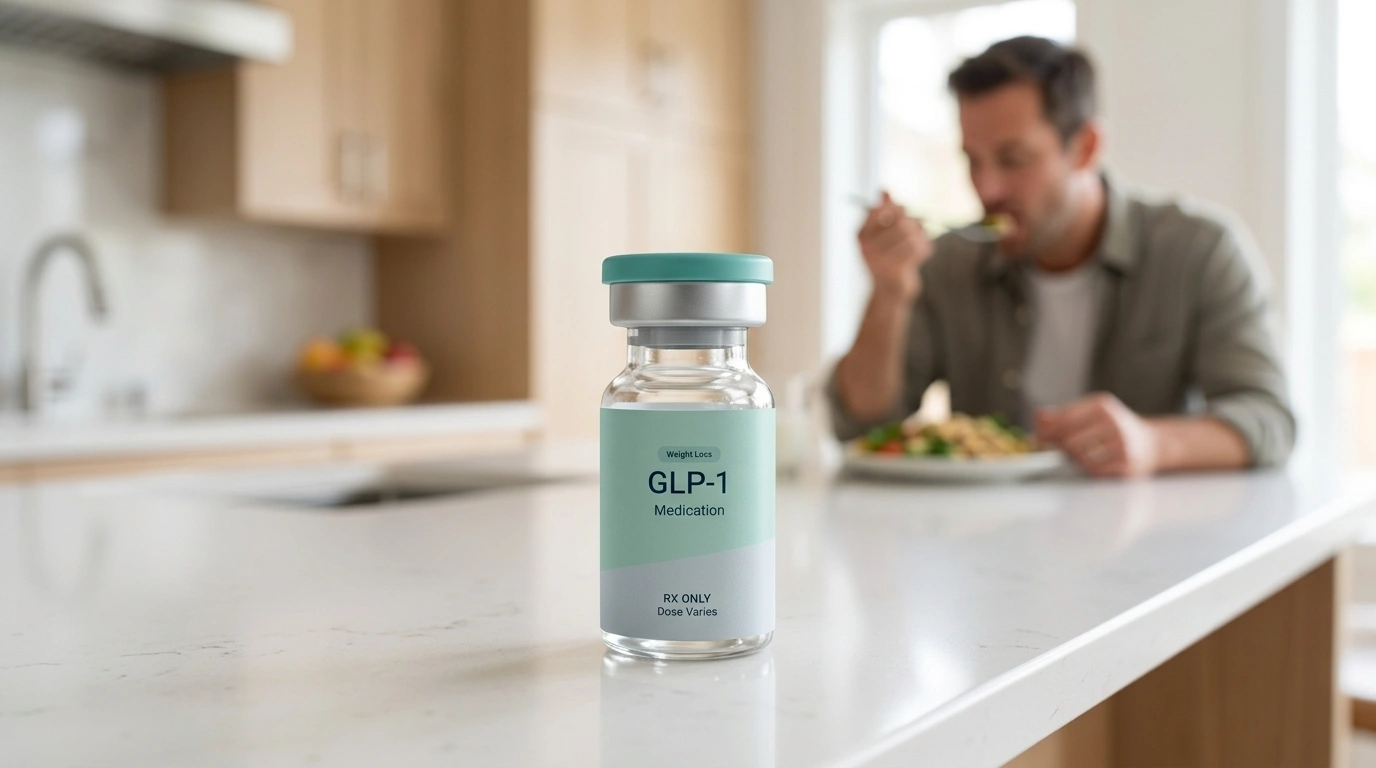
Have you ever found yourself wondering if doubling up on your treatment could double your results? It is a common question, especially with the significant attention surrounding medications like Wegovy® and Zepbound®. When you are working hard to reach your health goals, it is natural to look for every possible advantage. You might think that if one medication works well, combining it with another might lead to faster or more dramatic weight loss. However, when it comes to medications like semaglutide and tirzepatide, more is not necessarily better.
At TrimRx, we believe that the most successful health journeys are built on safety, clinical evidence, and personalized care. This article will explain the science behind these medications, the risks associated with “stacking” them, and why medical professionals advise against combining them. You can also review this GLP-1 medication explainer for additional background on how these treatments work. We will also explore how you can optimize your results using a single, tailored program that prioritizes your long-term well-being.
Quick Answer: No, you should not take semaglutide and Zepbound® (tirzepatide) together. Both medications work on similar hormonal pathways, and combining them increases the risk of severe side effects without providing proven benefits.
The Science of GLP-1 and GIP Receptors
To understand why these medications should not be combined, it helps to understand how they interact with your body. Both semaglutide and tirzepatide belong to a class of medications called incretin mimetics. These drugs mimic natural hormones that your body produces to manage blood sugar and appetite.
Semaglutide is a glucagon-like peptide-1 (GLP-1) receptor agonist. A receptor agonist is a substance that creates a response by binding to a specific receptor in the body. When semaglutide binds to GLP-1 receptors, it helps the body release more insulin when blood sugar is high. It also slows down “gastric emptying,” which is the process of food leaving your stomach. This helps you feel full for a longer period.
Tirzepatide, the active ingredient in Zepbound®, takes a slightly different approach. It is a dual agonist, meaning it targets two different receptors: the GLP-1 receptor and the glucose-dependent insulinotropic polypeptide (GIP) receptor. By activating both, it provides a “double-hit” on the pathways that control hunger and how the body processes energy. For more information, read this guide to how tirzepatide works.
Why the Overlap Matters
Because both medications target the GLP-1 receptor, taking them at the same time is considered “therapeutic duplication.” This is the medical term for using more than one medication from the same class to treat the same condition. Think of it like trying to plug two high-powered appliances into the same single outlet. The system is only designed to handle a certain amount of input at once. Overloading those receptors does not necessarily make them work better; instead, it can cause the system to malfunction.
The Risks of Combining Semaglutide and Zepbound
Clinical safety is the primary reason why healthcare providers do not prescribe these two medications together. To date, there have been no clinical trials proving that combining semaglutide and tirzepatide is safe or effective for humans. Both the manufacturers of these medications and the medical community emphasize that they should be used as standalone treatments. If you are unsure which option may fit your health profile, you can complete a free eligibility assessment.
Increased Gastrointestinal Distress
The most common side effects of these medications are gastrointestinal. This includes nausea, vomiting, diarrhea, and constipation. These symptoms occur because the medications slow down your digestion. If you take both together, you are essentially doubling the signal to your digestive system to slow down. This can lead to severe nausea or persistent vomiting that makes it difficult to stay hydrated.
Dehydration and Kidney Health
Severe vomiting and diarrhea are not just uncomfortable; they can lead to significant dehydration. When the body loses too much fluid, it puts a heavy strain on the kidneys. There have been reports of acute kidney injury in individuals using GLP-1 medications who experience severe gastrointestinal side effects. Stacking medications increases this risk substantially. Understanding common GLP-1 side effects can help you recognize concerns to discuss with a healthcare provider.
The Risk of Hypoglycemia
While these medications are designed to manage blood sugar, taking them together can cause blood sugar levels to drop too low, a condition known as hypoglycemia. This is especially dangerous for individuals who may already be taking other medications for type 2 diabetes. Symptoms of low blood sugar include dizziness, confusion, shakiness, and in severe cases, loss of consciousness.
Key Takeaway: Combining these medications creates “therapeutic duplication,” which significantly increases the risk of severe side effects like dehydration and kidney strain without any clinical evidence of extra benefit.
Comparing the Two Options
Instead of looking for ways to combine medications, most individuals find success by identifying which single medication best fits their health profile. While both are highly effective, they have different mechanisms and dosing schedules. This comparison of semaglutide and tirzepatide provides additional context.
| Feature | Semaglutide (Wegovy® / Ozempic®) | Tirzepatide (Zepbound® / Mounjaro®) |
|---|---|---|
| Receptor Focus | GLP-1 only | GLP-1 and GIP |
| Typical Format | Once-weekly injection | Once-weekly injection |
| Primary Action | Slows digestion, reduces “food noise” | Slows digestion, enhances insulin sensitivity |
| Common Side Effects | Nausea, constipation, fatigue | Nausea, diarrhea, decreased appetite |
| FDA Approval Status | Branded versions are FDA-approved | Branded versions are FDA-approved |
Note: Compounded Semaglutide and Compounded Tirzepatide are not FDA-approved. These versions are prepared by FDA-registered and inspected compounding pharmacies to meet specific patient needs.
Why “More” Isn’t Better in Weight Management
There is a common misconception that weight loss is purely a matter of chemical force. In reality, the body is a delicate system that seeks balance, or homeostasis. When you introduce a medication like a GLP-1 receptor agonist, you are helping the body reset its metabolic thermostat.
Taking too much medication—or combining two different brands—can actually work against you. If side effects become too severe, you may find it impossible to maintain the healthy habits that are necessary for long-term success. Sustainable weight loss is not just about losing pounds quickly; it is about supporting your body so that you can maintain a reduced-calorie diet and stay physically active.
Switching Medications Instead of Stacking
If you feel that your current medication is not providing the results you hoped for, the solution is usually to switch treatments rather than add to them. This process must be done under the supervision of a licensed healthcare provider. Read more about switching between weight loss medications before making any treatment changes.
The Process of Transitioning
- Consultation: Speak with a provider about your current progress and side effects.
- Washout Period: In some cases, a provider may recommend a short break between medications to let the first one leave your system.
- Dose Adjustment: Because semaglutide and tirzepatide have different potencies, you cannot simply swap a high dose of one for a high dose of another. Your provider will determine a safe starting dose for the new medication.
- Monitoring: Your provider will closely watch how your body responds to the change to ensure your safety.
Many people find that they respond better to one medication than the other. This is why a personalized approach is so vital. What works for a friend or family member may not be the ideal choice for your unique biology.
The TrimRx Approach to Personalized Care
We understand that the world of weight loss medications can be confusing. With so many brand names and clinical terms, it is easy to feel overwhelmed. TrimRx is designed to simplify this process while maintaining the highest standards of clinical safety.
Our platform connects you with licensed healthcare providers who specialize in metabolic health. Instead of a one-size-fits-all solution, we focus on personalized programs. When you take the free assessment quiz, a provider reviews your medical history, goals, and current health status to determine which treatment is most appropriate for you.
We do not believe in “stacking” medications because we prioritize your long-term health. Our programs include access to Compounded Semaglutide or Compounded Tirzepatide, which are prepared by FDA-registered and inspected compounding pharmacies. These medications are integrated into a comprehensive service model that includes doctor consultations, lab work, and unlimited support.
Optimizing Your Results Safely
If you want to enhance the effects of your medication without the risks of combining drugs, there are several evidence-based ways to “boost” your progress. These methods focus on supporting your body’s natural functions.
Focus on Nutrient Density
GLP-1 medications reduce your appetite, which means you will be eating less food overall. This makes the quality of the food you do eat even more important. Focus on high-protein meals to help preserve muscle mass while you lose fat. Incorporating plenty of fiber can also help manage some of the digestive side effects associated with these treatments.
Strategic Supplementation
Many individuals find that specific supplements help them manage the transition into a GLP-1 program.
- GLP-1 Daily Support: This can help provide essential nutrients that might be lacking when your calorie intake decreases. GLP-1 Daily Support supplement is designed for nutritional support during treatment.
- Weight Loss Boost: Designed to support metabolic health alongside your primary treatment. Weight Loss Boost supplement provides energy and metabolic support during weight loss.
These supplements are available for immediate purchase and do not require the assessment quiz.
Hydration and Movement
Drinking plenty of water is essential for preventing the kidney strain and constipation that can occur with these medications. Additionally, regular physical activity—especially resistance training—helps ensure that the weight you lose comes from fat stores rather than muscle tissue.
Bottom line: Success with GLP-1 medications comes from a “medication plus lifestyle” approach, not from taking multiple medications at once.
Understanding the Legal and Safety Landscape
It is important to distinguish between the different types of medications discussed in the media. Branded medications like Ozempic®, Wegovy®, Mounjaro®, and Zepbound® are trademarked products. While they are FDA-approved for specific uses, they are often in short supply or may not be the right fit for every individual’s needs.
Compounded versions of these medications provide an alternative. Because they are prepared in specialized pharmacies, they can be adjusted to meet individual patient requirements. While Compounded Semaglutide and Compounded Tirzepatide are not FDA-approved themselves, the pharmacies that produce them for our patients are heavily regulated and inspected. This ensures that you receive a high-quality product as part of your supervised program. You can learn more about accessing semaglutide through telehealth.
Conclusion
The journey to a healthier weight is a marathon, not a sprint. While the temptation to take semaglutide and Zepbound® together is understandable, the clinical risks far outweigh any potential benefits. Stacking these medications leads to “therapeutic duplication,” which can cause severe gastrointestinal distress, dehydration, and other serious health complications.
Our mission at TrimRx is to help you embrace a healthier lifestyle through science, empathy, and transparency. We believe in providing a safe, medically supervised path to weight loss that doesn’t rely on shortcuts or risky combinations. By focusing on a single, personalized medication program and supporting it with proper nutrition and lifestyle changes, you can achieve sustainable results.
If you are ready to see which personalized program is right for you, the best next step is to take our free assessment quiz. This allows a licensed provider to review your health profile and guide you toward the safest, most effective treatment for your unique needs.
FAQ
Is it safe to take Ozempic and Zepbound at the same time?
No, it is not recommended to take Ozempic® and Zepbound® together. Both medications activate the GLP-1 receptor, and combining them can lead to severe side effects like extreme nausea, vomiting, and potential kidney issues. Healthcare providers typically prescribe one or the other, but never both simultaneously.
What happens if I accidentally take both semaglutide and tirzepatide?
If you have taken both medications, you may experience intensified gastrointestinal symptoms, dizziness, or signs of low blood sugar. It is important to stay hydrated and contact your healthcare provider immediately for guidance. They can help monitor your symptoms and ensure you do not experience severe dehydration or hypoglycemia.
Can I switch from semaglutide to Zepbound if I am not losing weight?
Yes, many patients switch between these medications under medical supervision if they are not reaching their goals or if they find the side effects of one difficult to manage. A healthcare provider will determine the appropriate transition plan and starting dosage for the new medication. You should never attempt to switch or change your dosage without professional clinical guidance. You can review the medication-switching process before speaking with your provider.
Do I need to see a doctor in person to start a GLP-1 program?
No, you do not need an in-person visit to access these treatments through a telehealth platform like ours. Our process is entirely online, featuring consultations with licensed providers and lab work that can be completed at a convenient location near you. This allows you to receive personalized, medically supervised care from the comfort of your home. You can learn how telehealth semaglutide works before completing your assessment.
Disclaimer: This content is for informational purposes only and does not constitute medical advice. It is not intended to diagnose, treat, cure, or prevent any disease or condition. Individual results may vary. Always consult a qualified healthcare professional before starting any weight loss program or medication.

Transforming Lives, One Step at a Time
Keep reading
Semaglutide vs Tirzepatide: Comparing Weight Loss, Blood Sugar, and Side Effects
Semaglutide and Tirzepatide are one of the most common comparisons in medical weight loss. The two medications share a clear family resemblance. Both are…

How Much Weight Can You Lose on Semaglutide?
How much weight can you lose on semaglutide? The answer varies depending on your starting weight, dosage, treatment duration, and individual response to the…

Hair Shedding Months Into Semaglutide
It shows up in the shower drain first, then on the pillow, then in the brush. By the time most people search this, they…


