Can You Take Too Much Zepbound? Managing Dosing Safely
Introduction
Starting a weight loss journey often feels like a race against the clock. When you begin to see the scale move, it is natural to wonder if a higher dose or a more frequent schedule might accelerate those results. However, when it comes to powerful metabolic medications like Zepbound®, more is not always better. Taking too much of this medication can lead to significant physical distress and may even stall your progress.
At TrimRx, we believe that the most effective weight loss is the kind that is managed safely and sustainably. This article explores the risks associated with taking too much tirzepatide—the active ingredient in Zepbound®—how to recognize the signs of an overdose, and why following a medically supervised titration schedule is the key to your success. Our guide to adjusting Zepbound doses offers additional context on how providers balance treatment response and tolerability.
What Happens if You Take Too Much Zepbound?
Zepbound® is a dual-acting medication known as a GIP (glucose-dependent insulinotropic polypeptide) and GLP-1 (glucagon-like peptide-1) receptor agonist. In plain English, this means it mimics two different hormones in your body that regulate appetite and blood sugar. Because it works on two different pathways, it is highly effective at helping people feel full faster and stay full longer. However, because it significantly affects the digestive system, taking an excessive amount can overwhelm your body’s natural processes.
If an individual takes more than the prescribed dose, the primary “overload” occurs in the gastrointestinal tract. The medication slows down gastric emptying—the rate at which food leaves your stomach. When there is too much of the drug in your system, this process can slow down to an uncomfortable or even dangerous degree.
Quick Answer: Yes, it is possible to take too much Zepbound®. An overdose typically results in severe gastrointestinal symptoms such as intense nausea, persistent vomiting, and abdominal pain. If you suspect you have taken too much, you should contact your healthcare provider or a poison control center immediately.
For a broader explanation of how injectable GLP-1 medications work and why medical supervision matters, review this overview of GLP-1 injections.
Recognizing the Signs of an Overdose
The symptoms of taking too much Zepbound® are often extreme versions of the standard side effects. While many people experience mild nausea when they first start the medication, an overdose will feel significantly more intense.
Severe Gastrointestinal Distress
The most common sign that the body has received too much tirzepatide is uncontrollable vomiting and nausea. This is not just a passing feeling of queasiness; it is often persistent and may prevent the individual from keeping down any liquids or food. This can quickly lead to severe dehydration, which is a medical emergency in its own right.
Intense Abdominal Pain
While some mild cramping can occur during a normal titration (the process of slowly increasing your dose), sharp or localized pain in the upper stomach area can be a sign that the medication is affecting the pancreas or gallbladder. If the pain is severe and radiates to the back, it requires immediate medical evaluation.
Signs of Hypoglycemia
While Zepbound® on its own has a lower risk of causing dangerously low blood sugar (hypoglycemia) than some older diabetes medications, the risk increases if a person takes too much or combines it with other medications like insulin. Symptoms of low blood sugar include:
- Dizziness or lightheadedness
- Confusion or irritability
- Shakiness or tremors
- A rapid heartbeat
- Sweating and chills
Dehydration and Electrolyte Imbalance
If the overdose leads to prolonged vomiting or diarrhea, the body loses essential fluids and minerals. Signs of dehydration include extreme thirst, dark-colored urine, and feeling very tired or faint.
Key Takeaway: An overdose of Zepbound® is primarily characterized by severe digestive upset that can lead to life-threatening dehydration if not addressed by a medical professional.
Why Dosing Errors Happen
In a clinical setting, dosing is strictly controlled. However, in the real world, several factors can lead to an accidental overdose. Understanding these risks can help you stay safe during your treatment.
Misunderstanding the Pen Mechanism
Zepbound® is typically delivered via a single-dose prefilled pen. However, confusion can occur if a person believes the pen contains multiple doses or if they attempt to use a second pen because they “didn’t think the first one worked.” Always wait for the click and check the plunger to ensure the dose was delivered before considering a second injection.
Errors with Compounded Medications
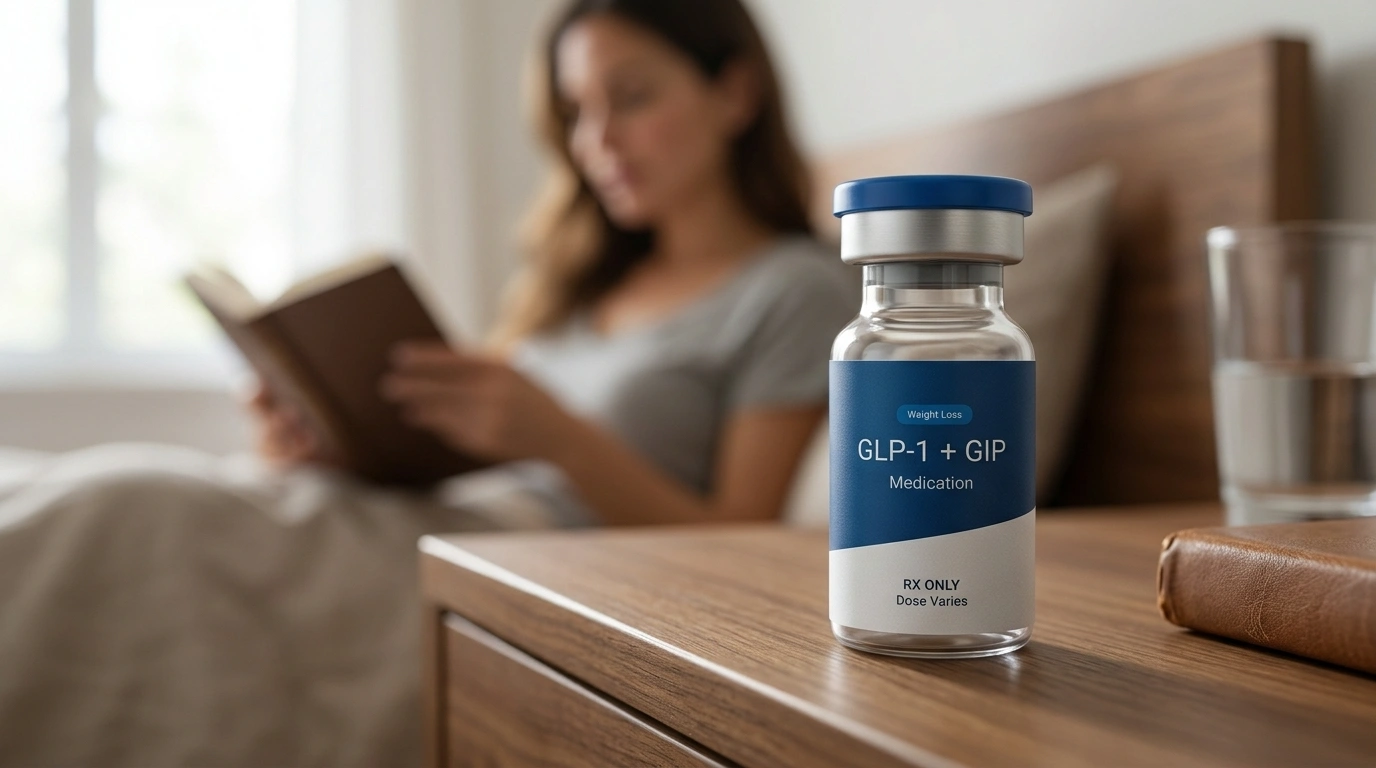
Due to high demand, many individuals choose to use compounded tirzepatide through platforms like ours. Compounded tirzepatide is prepared by FDA-registered, inspected compounding pharmacies and often comes in a vial rather than a prefilled pen. This requires the patient to manually draw the medication into a syringe.
Errors often occur when a patient confuses “units” on a syringe with “milligrams” of the medication. For example, 25 units on a syringe might be the correct volume for a 2.5 mg dose, but if a patient draws to the “50” mark thinking they are taking a 5 mg dose, they may accidentally double their required amount.
Doubling Up After a Missed Dose
If you forget to take your weekly injection, the temptation to take two doses at the next scheduled time is strong. You should never “double up” to make up for a missed dose. If it has been more than four days since your missed dose, it is generally recommended to skip it and wait for your next scheduled day. Taking two doses too close together can lead to a toxic buildup of the medication in your bloodstream.
The Importance of the Titration Schedule
The reason healthcare providers start patients on a low dose (typically 2.5 mg) is to allow the body to acclimate to the hormonal changes. This is known as a titration schedule. Our Zepbound therapeutic dose guide explains how gradual dose increases help providers identify an appropriate balance between treatment response and side effects.
Typically, a provider will keep a patient on a specific dose for at least four weeks before considering an increase. This slow “step-up” approach is designed to minimize side effects and ensure the body can handle the medication. Skipping these steps or rushing to the maximum 15 mg dose is one of the most common ways people experience “relative overdose”—where the dose isn’t necessarily higher than the FDA-cleared maximum, but it is much higher than the individual’s body is ready to process.
Bottom line: Your body needs time to adjust to the way tirzepatide affects your digestion and hormones. Following the prescribed schedule is the best way to avoid the symptoms of taking too much medication.
If you are considering prescription weight loss medication, you can complete a free eligibility assessment before discussing treatment options with a provider.
Managing Side Effects and Supporting Your Body
Even when taking the correct dose, some people find the side effects of GLP-1 and GIP medications challenging. When the dose is slightly too high for your current tolerance, managing these symptoms is crucial.
Hydration is the Priority
If you feel nauseated, your thirst signals may diminish. However, staying hydrated is the most important thing you can do to prevent a minor side effect from becoming a major medical issue. Small sips of water or electrolyte-rich drinks are often better tolerated than large gulps.
Nutritional Support
As your body adjusts, you may need extra help to maintain your energy and digestive comfort. We offer specialized support through products like GLP-1 Daily Support, which is designed to provide the essential nutrients that can sometimes be lacking when your appetite is significantly reduced. Additionally, our Weight Loss Boost supplement can help maintain metabolic momentum without needing to rush to a higher prescription dose.
When to Contact Your Provider
You should never try to “tough out” severe symptoms. If you have taken too much medication or if your current dose is causing persistent vomiting, contact the healthcare provider you connected with through the TrimRx platform. They can provide guidance on whether to delay your next dose or adjust your treatment plan.
How TrimRx Supports Safe Weight Loss
We understand that the world of GLP-1 and GIP medications can be confusing. Between branded options like Zepbound®, Wegovy®, Ozempic®, and Mounjaro®, and the availability of compounded semaglutide or compounded tirzepatide, it is easy to feel overwhelmed.
Our platform is designed to take the guesswork out of the process. When you join our program, we connect you with licensed healthcare providers who oversee your progress. This isn’t just about getting a prescription; it’s about having a dedicated team to ensure your dosing is safe and effective.
Step 1: The Assessment
You start by taking a free health assessment quiz. This allows us to understand your medical history, your goals, and any potential contraindications.
Step 2: Provider Consultation
A licensed provider reviews your profile to determine if a GLP-1 or GIP medication is right for you. They will set your starting dose based on clinical guidelines to minimize the risk of an adverse reaction.
Step 3: Ongoing Monitoring
As you progress, we don’t just leave you to figure it out. Our team is available to help you navigate side effects and decide when (or if) it is appropriate to increase your dose. This continuous loop of support is what prevents the dosing errors that lead to people taking too much medication.
Step 4: Transparent Delivery
Your medication is shipped directly to your door from FDA-registered, inspected compounding pharmacies. We provide clear instructions on how to store and administer your treatment to avoid confusion.
Long-term Safety and Expectations
Weight loss with medications like Zepbound® is a marathon, not a sprint. The goal of a personalized program is to find the “lowest effective dose”—the amount of medication that helps you lose weight with the fewest side effects. You can also review this GLP-1 progress-tracking guide for ideas on what to monitor during treatment.
Some people may find they reach their goals on a mid-level dose and never need to move to the maximum 15 mg dose. Others may need to stay on a lower dose for several months to allow their digestive system to settle. This flexibility is a core part of the personalized approach we advocate for.
Key Takeaway: Sustainable weight loss happens when you work with your body’s biology, not against it. Taking too much medication disrupts this balance and can lead to unnecessary complications.
What to Do in an Emergency
If you realize you have accidentally taken a double dose or have injected the medication too frequently, follow these steps:
- Do not panic. While uncomfortable, most dosing errors are not fatal if addressed promptly.
- Contact Poison Control. In the United States, you can call 1-800-222-1222. They have experts who can tell you exactly what symptoms to watch for based on the amount you took.
- Call your healthcare provider. Let them know what happened so they can update your chart and advise you on when to take your next dose.
- Monitor for severe symptoms. If you cannot keep down liquids, feel extremely faint, or experience “stabbing” abdominal pain, go to the nearest emergency room.
Note: Never wait for symptoms to become severe before seeking advice. Early intervention can prevent dehydration and more serious complications.
Practical Dosing Tips for Patients
To ensure you never take too much Zepbound® or compounded tirzepatide, consider implementing these simple habits:
- Mark Your Calendar: Always take your medication on the same day each week. Use a phone reminder or a physical calendar to check off each dose as you take it.
- The “Double Check” Rule: If using a vial and syringe, double-check your dose with a partner or re-read the instructions every single time. It is very easy to misread a small line on a syringe.
- Store Safely: Keep your medication in its original packaging so you don’t confuse it with other injectable medicines.
- Rotation is Key: Rotate your injection sites (stomach, thigh, or back of arm) each week. While this doesn’t prevent an overdose, it helps with absorption and reduces skin irritation.
Conclusion
Navigating weight loss with modern medications like Zepbound® is a powerful way to reclaim your health, but it requires a commitment to safety and precision. Taking too much of this medication can turn a helpful tool into a source of severe physical distress. By following a guided titration schedule and working closely with a dedicated healthcare team, you can avoid the pitfalls of dosing errors and focus on the positive changes in your body.
At TrimRx, our mission is to empower you with a science-backed, empathetic approach to metabolic health. We provide the platform, the clinical connections, and the nutritional support needed to make your journey as smooth as possible. We are here to help you move toward a healthier version of yourself with transparency and expert care.
If you are ready to start a personalized, medically supervised program that prioritizes your safety, the first step is simple. Take the free assessment quiz to see which treatment options are best suited for your unique health profile.
FAQ
What should I do if I accidentally took two doses of Zepbound?
If you have taken a double dose, you should contact your healthcare provider or the national poison control center (1-800-222-1222) immediately. Monitor yourself closely for severe nausea, vomiting, or signs of low blood sugar, and seek emergency care if you cannot keep fluids down. Do not take your next scheduled dose until you have been cleared to do so by a medical professional.
Can taking too much Zepbound cause permanent damage?
While most cases of taking too much tirzepatide result in temporary, albeit severe, gastrointestinal distress, extreme cases can lead to serious complications like pancreatitis or kidney injury due to dehydration. Following the prescribed titration schedule is essential to avoid these risks. Always discuss your medical history and any concerns with your provider to ensure the medication is safe for your specific health needs.
Is it safe to increase my dose early if I am not losing weight?
No, you should never increase your dose earlier than your healthcare provider has directed. The titration schedule is designed to let your body adjust to the medication’s effects on your hormones and digestion. Increasing the dose too quickly significantly raises the risk of severe side effects and does not necessarily guarantee faster weight loss. For more information, read this guide to Zepbound dose increases.
How can I tell the difference between normal side effects and an overdose?
Normal side effects of Zepbound® are typically mild to moderate and tend to decrease as your body gets used to the medication. An overdose is usually characterized by “intractable” symptoms, meaning they are constant and severe, such as vomiting that does not stop or abdominal pain that makes it difficult to move. If your symptoms feel unmanageable or prevent you from performing daily activities, contact your provider.
Disclaimer: This content is for informational purposes only and does not constitute medical advice. It is not intended to diagnose, treat, cure, or prevent any disease or condition. Individual results may vary. Always consult a qualified healthcare professional before starting any weight loss program or medication.

Transforming Lives, One Step at a Time
Keep reading

Why Is There a Bruise Where I Injected My Zepbound?
A bruise means a small blood vessel was disturbed under the skin and blood spread into the surrounding tissue. It is one of the…
My Zepbound Pen Won’t Click Past a Certain Dose
Start by checking which device you are holding, because the answer depends entirely on that. Zepbound has commonly been supplied in the United States…
Zepbound Alternatives: Your Options Compared
If Zepbound isn’t the right fit, the main alternative is semaglutide (sold as Wegovy), which produces slightly less weight loss but works similarly, along…


