Can You Take Wegovy and Ozempic Together? Safety and Facts
Introduction
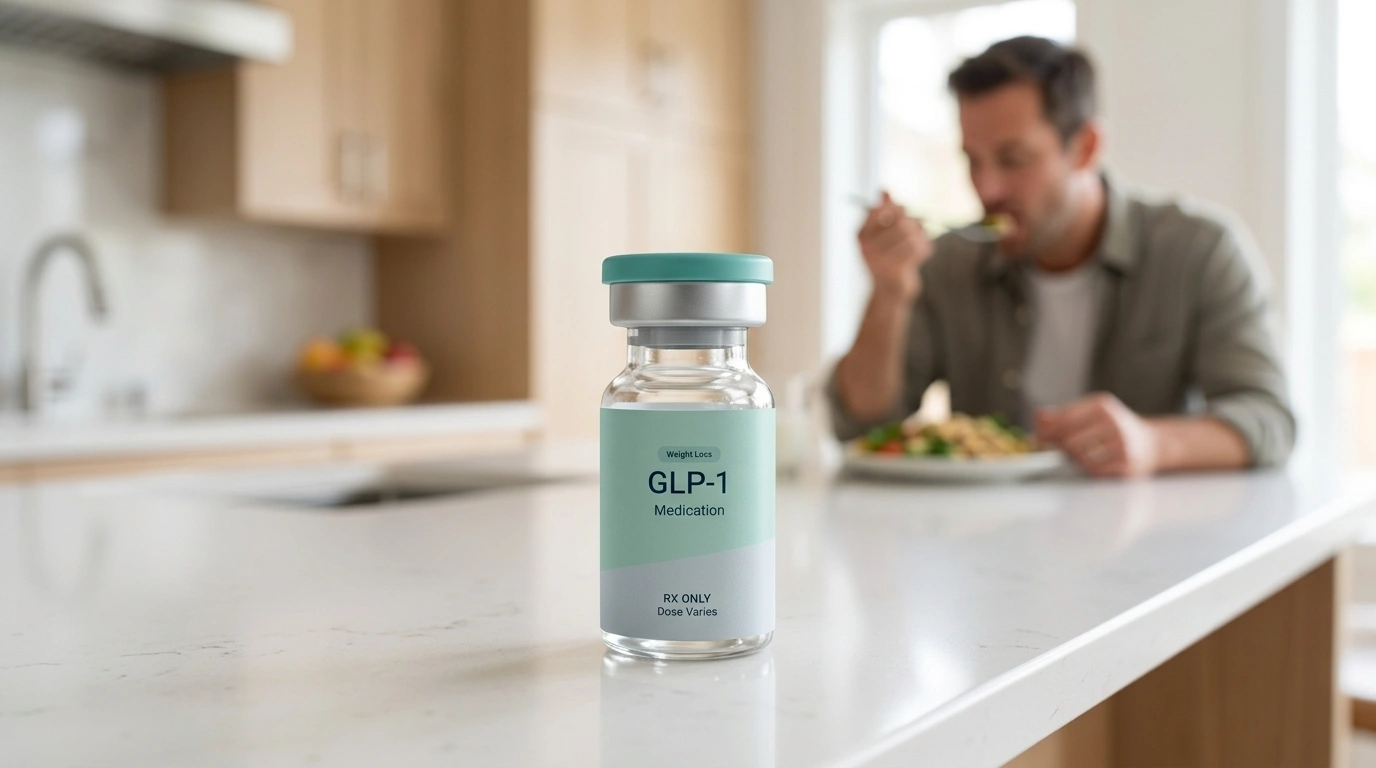
Finding the right path to sustainable weight loss often feels like a series of trial-and-error experiments. With the rise of highly effective GLP-1 medications, many individuals are finally finding the success that eluded them with diet and exercise alone. However, the popularity of these treatments has led to questions about how to maximize their effects, including whether it is safe or beneficial to combine different brands. A common question we hear is whether you can take Wegovy® and Ozempic® at the same time to accelerate results.
At TrimRx, we believe that education is the first step toward a safe and successful health transformation. Navigating the world of prescription weight loss can be confusing, especially when two different brand names are actually the same medication. This article will clarify the relationship between these two drugs, the risks associated with combining them, and how a personalized, medically supervised program provides a safer alternative for reaching your goals. Taking both medications together is not only medically unnecessary but also potentially dangerous. For additional context, review this guide to Ozempic and Wegovy treatment options.
The Short Answer: Why You Should Not Combine These Medications
Quick Answer: You should not take Wegovy and Ozempic together. Both medications contain the same active ingredient, semaglutide. Combining them would result in an accidental overdose, significantly increasing the risk of severe side effects without providing additional clinical benefits.
It is a common misconception that because Wegovy® and Ozempic® have different names and different FDA-approved uses, they are distinct enough to be used in tandem. This is not the case. In the medical world, this is known as therapeutic duplication. Using two medications from the same class—or in this case, the exact same molecule—does not create a “synergistic” effect. Instead, it places an immense amount of stress on your body’s systems.
Understanding Semaglutide: The Core Ingredient
To understand why combining these two is a bad idea, we must look at what is inside the pen. Both medications utilize a compound called semaglutide. Semaglutide is a type of drug known as a GLP-1 receptor agonist. For a broader explanation, see this overview of how GLP-1 medications work.
Glucagon-like peptide-1 (GLP-1) is a hormone that your body naturally produces in the gut. It plays several critical roles in metabolism and appetite regulation. When you take a semaglutide medication, it mimics this hormone but lasts much longer in the bloodstream than the natural version.
How semaglutide affects the body:
- In the Brain: It targets the areas of the brain that regulate appetite and food intake. By mimicking the GLP-1 hormone, it helps you feel full faster and reduces “food noise,” which are the intrusive thoughts about eating that many people struggle with.
- In the Stomach: It slows down gastric emptying. This means food stays in your stomach longer, physically extending the feeling of fullness after a meal.
- In the Pancreas: It stimulates the release of insulin when blood sugar levels are high and reduces the amount of sugar the liver releases into the blood.
Because both medications deliver the same molecule to the same receptors, your body cannot distinguish between a dose of Wegovy® and a dose of Ozempic®. Taking both is simply taking too much semaglutide.
Wegovy vs. Ozempic: What Are the Real Differences?
If they are the same drug, why do they have two different names? The difference lies in their FDA-approved indications, their dosages, and how they are marketed to the public.
Ozempic® (Semaglutide)
Ozempic® was the first of the two to receive FDA approval. It is specifically indicated for the treatment of Type 2 diabetes. Its primary goal is to help adults manage blood sugar levels and reduce the risk of major cardiovascular events, such as heart attack or stroke, in people with Type 2 diabetes and known heart disease. While weight loss was observed as a common side effect during clinical trials, that was not its original primary purpose. The maximum maintenance dose for Ozempic® is typically 2.0 mg per week.
Wegovy® (Semaglutide)
Wegovy® was approved later, specifically for chronic weight management. It is indicated for adults with a body mass index (BMI) of 30 or greater, or for those with a BMI of 27 or greater who also have at least one weight-related condition, such as high blood pressure or high cholesterol. Because the clinical trials for weight loss showed that higher doses were more effective for shedding pounds, the maintenance dose for Wegovy® is higher, reaching up to 2.4 mg per week.
Key Comparison Table
| Feature | Ozempic® | Wegovy® |
|---|---|---|
| Active Ingredient | Semaglutide | Semaglutide |
| Primary FDA Indication | Type 2 Diabetes | Chronic Weight Management |
| Max Weekly Dose | 2.0 mg | 2.4 mg |
| Manufacturer | Novo Nordisk | Novo Nordisk |
| Administration | Weekly Injection | Weekly Injection |
If you are unsure which type of treatment may be appropriate for your goals, you can complete a free eligibility assessment.
The Dangers of Overdosing on Semaglutide
Taking Wegovy® and Ozempic® together is essentially doubling your dose. If a patient were to take the maximum dose of both, they would be injecting 4.4 mg of semaglutide weekly. This is nearly double the highest dose studied and approved for human use. This significantly increases the likelihood of toxicity and severe adverse reactions.
Severe Gastrointestinal Distress
The most common side effects of GLP-1 medications are gastrointestinal. When the dose is too high or increased too quickly, these symptoms can become debilitating. This includes extreme nausea, projectile vomiting, and severe diarrhea. This level of GI distress can quickly lead to dehydration and electrolyte imbalances, which may require hospitalization for intravenous fluids. For more information, read about common GLP-1 side effects.
Pancreatitis Risks
There is a known, though infrequent, risk of pancreatitis (inflammation of the pancreas) associated with GLP-1 receptor agonists. Overloading the body with excessive amounts of the drug by mixing brands may increase the stress on the pancreas, potentially elevating the risk of this serious condition.
Hypoglycemia
While semaglutide is designed to lower blood sugar only when it is high, taking an excessive amount can interfere with the body’s ability to maintain glucose balance. This is especially dangerous for individuals who may already be taking other medications for blood sugar management.
Gastroparesis
Because semaglutide slows down the movement of food through the stomach, an overdose can cause the stomach to stop moving food almost entirely. This condition, called gastroparesis or “stomach paralysis,” can lead to severe abdominal pain and chronic vomiting.
Key Takeaway: More is not better when it comes to GLP-1 medications. The goal of treatment is to find the lowest effective dose that provides results without causing unmanageable side effects. Combining brands bypasses the safety protocols established during clinical trials.
Can You Switch From One to the Other?
While you cannot take them at the same time, many people do switch from Ozempic® to Wegovy® or vice versa. This often happens due to changes in insurance coverage, medication shortages, or a shift in health goals (such as moving from diabetes management to a primary focus on weight loss).
If you are transitioning between these medications, it must be done under the strict supervision of a licensed healthcare provider. Usually, a provider will have you finish your current cycle of one medication and start the new one on your next scheduled injection day. Depending on the doses involved, they may keep you at your current milligram level or adjust it to match the standard titration schedule of the new brand.
The Role of Compounded Semaglutide
In recent years, many patients have turned to Compounded Semaglutide as an alternative to branded medications. This is particularly common when branded versions like Wegovy® or Ozempic® are on the FDA drug shortage list or when patients require a more customized approach to their care.
It is important to understand what “compounded” means in this context. Compounded medications are “made-to-order” by a pharmacy. They are prepared and shipped by FDA-registered, inspected compounding pharmacies. While these specific compounded formulations are not FDA-approved themselves, the pharmacies are highly regulated and must follow strict quality standards.
We connect our members with licensed providers who can determine if Compounded Semaglutide is the right fit for their health profile. This allows for a more personalized experience, often ensuring that treatment remains consistent even when branded supplies are unavailable at local retail pharmacies. You can also review this guide to getting weight loss medication through telehealth.
How TrimRx Personalizes Your Journey
Weight loss is not a one-size-fits-all process. The question of “can I take both” often stems from a desire for faster results or a misunderstanding of how these powerful medications function. We solve this by providing a telehealth-first platform where every step of the journey is guided by expertise.
Our process begins with a comprehensive health assessment. We don’t just look at a number on a scale; we consider your medical history, your previous experiences with weight loss, and your current health status.
What Our Program Includes:
- Provider Consultation: You will be connected with a licensed healthcare provider who reviews your profile and determines the most appropriate medication and dosage for you. This eliminates the guesswork and the danger of “self-dosing” or mixing medications.
- Customized Dosing: We focus on a gradual “titration” schedule. This means starting with a low dose to let your body adjust and slowly increasing it. This method is the best way to minimize side effects while maximizing the benefits of the GLP-1 pathway.
- No Waiting Rooms: Because we are a telehealth platform, you can access your care team from the comfort of home. There is no need for in-person visits to get started or to manage your program.
- Ongoing Support: Our team is available to answer questions about side effects, dosing, or how to optimize your results through lifestyle changes.
If you are ready to discuss your health history and treatment goals with a provider, start with the free assessment process.
Optimizing Your Results Safely
Instead of trying to combine medications, which is unsafe, there are evidence-based ways to enhance the effectiveness of your GLP-1 treatment. The medication is a tool, and like any tool, it works best when used correctly alongside other healthy habits.
Prioritize Protein and Hydration
When taking semaglutide, your appetite will decrease. It is vital to make the calories you do eat count. Focus on high-quality lean proteins to help preserve muscle mass while you lose fat. Additionally, because semaglutide can cause mild dehydration and because weight loss itself releases water, staying hydrated is essential for preventing headaches and fatigue.
Supportive Supplements
Many people find that adding specific nutrients can help manage the transition as their body adjusts to GLP-1 therapy. We offer targeted options like GLP-1 Daily Support, which is designed to provide the micronutrients that support metabolic health, and Weight Loss Boost, which can assist with energy levels as you adapt to a lower-calorie intake. These supplements do not require a prescription and can be purchased directly.
Consistency is Key
The most successful patients are those who stay consistent with their weekly injections and their follow-up consultations. Weight loss on GLP-1 medications is a marathon, not a sprint. Trying to rush the process by doubling up on medications only leads to setbacks caused by illness.
Note: If you have accidentally taken a dose of both Wegovy and Ozempic, or if you have taken a double dose of your prescribed semaglutide, contact your healthcare provider or a poison control center immediately. Monitor yourself for signs of severe nausea, persistent vomiting, or extreme abdominal pain.
Common Myths About Mixing GLP-1s
Myth: Taking Wegovy and Ozempic together will help me lose weight twice as fast.
Fact: Taking both will likely make you too sick to eat or function properly. It does not speed up the biological process of fat loss but does increase the risk of severe medical complications.
Myth: It’s safe to mix them because they are prescribed for different things.
Fact: Even though they are prescribed for different conditions (diabetes vs. weight loss), the active ingredient is identical. Medical safety is based on the total amount of a specific drug in your system, not the names on the labels.
Myth: If I hit a plateau, I should add a second GLP-1 brand to my routine.
Fact: Plateaus are a normal part of weight loss. If your progress stalls, the correct step is to consult your provider. They may adjust your dosage of a single medication or look at other factors like your activity level and protein intake.
The Importance of Professional Guidance
The reason these medications are prescription-only is that they are potent biological tools. They change how your hormones interact with your brain and digestive system. Attempting to manage these medications without professional oversight—such as by combining different brands or using someone else’s prescription—can have long-term negative impacts on your health.
A personalized program through our platform ensures that a licensed professional is looking at your specific data. They can tell you exactly which medication is right for you, whether it is Compounded Semaglutide or Compounded Tirzepatide (the active ingredient in Mounjaro® and Zepbound®). Tirzepatide is another class of medication that works on both the GLP-1 and GIP receptors, and like semaglutide, it should never be combined with other similar medications.
Preparing for Your Consultation
When you decide to take the next step in your weight loss journey, being prepared for your telehealth visit can help you get the most out of the experience. Here is how you can get started:
- Complete the Assessment: Our free assessment quiz is designed to gather the necessary information about your health history and goals.
- Be Transparent: List all medications and supplements you are currently taking. This is the best way for a provider to ensure there are no dangerous interactions.
- Ask Questions: If you have heard about mixing medications or are curious about the difference between semaglutide and tirzepatide, your consultation is the perfect time to get professional clarity.
Why Personalization Matters
The “more is better” mentality is a common trap in weight loss culture. We see it with extreme calorie cutting, over-exercising, and now, with the misuse of GLP-1 medications. However, the science of metabolic health shows that the body responds best to steady, sustainable changes.
By using a single, properly dosed medication under the care of a provider, you allow your metabolism to find a new, healthier “set point” without the trauma of severe side effects. Our goal is to help you achieve a healthier lifestyle through a transparent and science-backed approach. We are here to be your partner in this process, providing the tools and expertise you need to succeed safely.
Conclusion
Combining Wegovy® and Ozempic® is not a safe or effective strategy for weight loss. Because both drugs contain semaglutide, taking them together is an overdose that can lead to severe gastrointestinal distress, dehydration, and other serious medical risks. The safest path to reaching your goals is through a single, medically supervised medication plan tailored to your unique health profile.
At TrimRx, we are dedicated to helping you navigate these choices with empathy and clinical expertise. Whether you are interested in the precision of our prescription programs or the support of our daily supplements, we provide a clear, telehealth-first path to a healthier you. Your journey doesn’t need to be complicated by the risks of mixing medications; it just needs the right plan.
Next Step: Ready to find the right medication for your body? Complete our free assessment quiz to see which personalized program is right for you.
FAQ
What should I do if I accidentally took both Ozempic and Wegovy?
If you have accidentally taken both medications, you should contact your healthcare provider or local emergency services immediately. Because both drugs contain semaglutide, you have likely taken an overdose, which can cause severe vomiting, abdominal pain, and dangerous dehydration. Do not wait for symptoms to become severe before seeking medical advice.
Can I take Ozempic for weight loss if I don’t have diabetes?
While Ozempic® is FDA-approved for Type 2 diabetes, healthcare providers sometimes prescribe it “off-label” for weight management if they believe it is appropriate for the patient. However, Wegovy® is the version specifically FDA-approved for weight loss in people without diabetes. A licensed provider can help determine which medication fits your specific health needs and insurance situation.
Is it okay to switch from Wegovy to Ozempic if there is a shortage?
Switching between these medications is common during supply shortages, but it must be managed by a healthcare professional. You should never switch on your own or change your dosage without a new prescription and clinical guidance. Your provider will ensure the transition happens at the correct dose to maintain your progress and minimize side effects.
Can I take other weight loss supplements while on semaglutide?
Many patients successfully use supplements like our GLP-1 Daily Support supplement or Weight Loss Boost supplement alongside their medication to manage nutrients and energy. However, you should always disclose all supplements to your healthcare provider during your consultation. Avoid taking other prescription weight loss drugs or over-the-counter stimulants without explicit medical approval, as these can interact with how semaglutide works in your body.
Disclaimer: This content is for informational purposes only and does not constitute medical advice. It is not intended to diagnose, treat, cure, or prevent any disease or condition. Individual results may vary. Always consult a qualified healthcare professional before starting any weight loss program or medication.

Transforming Lives, One Step at a Time
Keep reading

Horseback Riding on Wegovy or Ozempic
For a lot of people, horseback riding is one of the activities weight once put out of reach. Stables and trail outfitters set rider…
Should You Suggest Wegovy to a Family Member?
When a treatment changes your life, you want the people you love to have the same chance. Maybe your sister has struggled with her…
Injecting Wegovy With Stiff or Shaky Hands
A weekly injection takes a minute for most people. If you have arthritis in your hands, a tremor, weak grip strength, or numb fingers,…


