Can You Take Zepbound With Hypothyroidism?
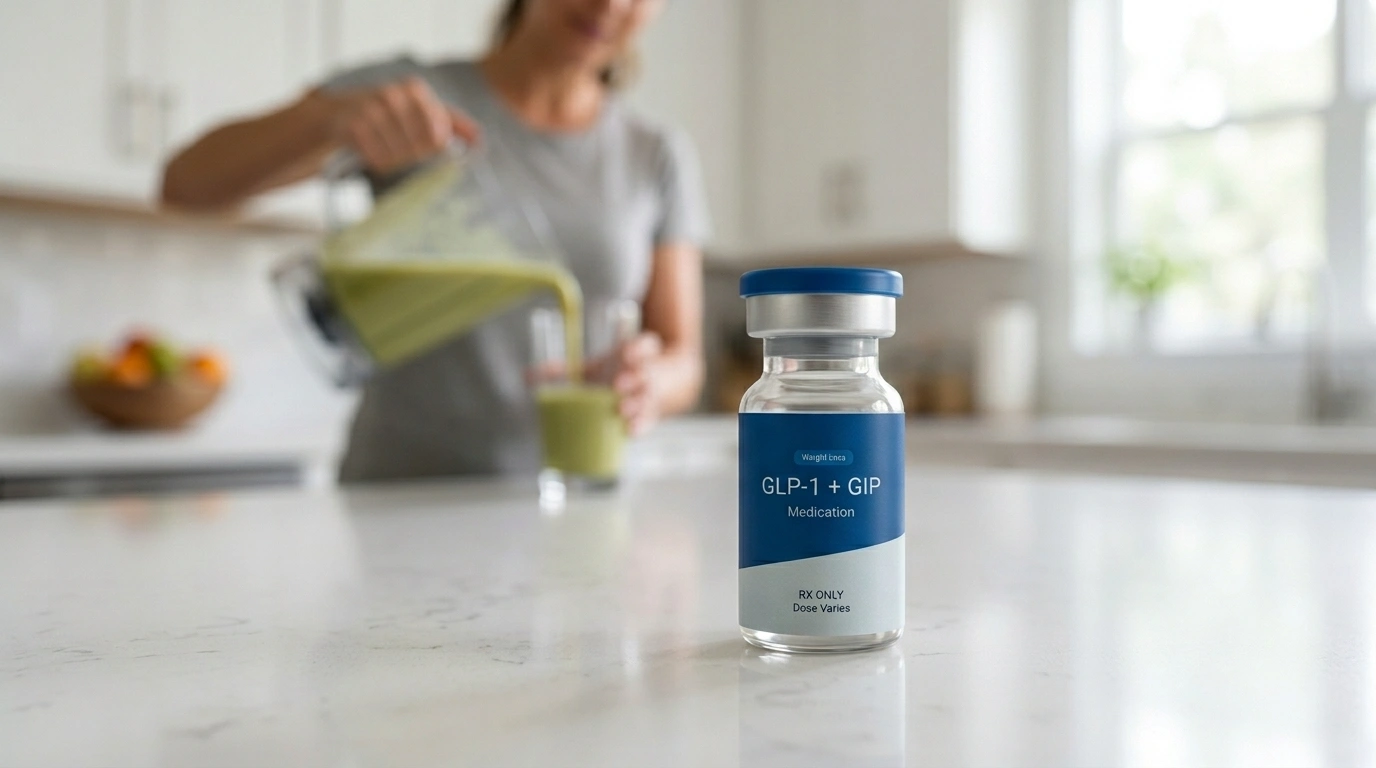
Table of Contents
- Introduction
- Understanding Hypothyroidism and Zepbound
- Is It Safe to Use Zepbound with an Underactive Thyroid?
- How Zepbound Affects Thyroid Medication Absorption
- Weight Loss Efficacy in Hypothyroid Patients
- Managing Side Effects When You Have Hypothyroidism
- The Importance of Lab Work and Monitoring
- Comparing Treatment Options: Branded vs. Compounded
- Steps to Starting Zepbound With Hypothyroidism
- Lifestyle Support for Thyroid-Driven Weight Loss
- Conclusion
- FAQ
Introduction
Struggling with weight management while managing a thyroid condition can feel like an uphill battle. When your metabolism is naturally slower due to an underactive thyroid, traditional diet and exercise often feel insufficient. You may have heard about the impressive results seen with Zepbound®, a medication that has changed the landscape of weight management, but wondered if your thyroid health makes you ineligible. At TrimRx, we believe that understanding the intersection of metabolic health and modern medication is the first step toward a successful journey. This article will clarify whether you can take Zepbound with hypothyroidism, how these two conditions interact, and what precautions you should discuss with a healthcare provider. The short answer is that many individuals with hypothyroidism can safely use this medication under close medical supervision to support their weight loss goals.
Understanding Hypothyroidism and Zepbound
Hypothyroidism occurs when your thyroid gland—a small, butterfly-shaped gland in your neck—does not produce enough thyroid hormone. This hormone is the primary regulator of your body’s metabolism. When levels are low, your heart rate, body temperature, and the rate at which you burn calories all slow down. This often leads to weight gain that is notoriously difficult to lose through standard means.
For additional context on the relationship between thyroid health and treatment options, review this guide to hypothyroidism treatment options.
Zepbound® is a brand-name medication containing the active ingredient tirzepatide. It is a dual agonist, meaning it mimics two different hormones in the body: glucagon-like peptide-1 (GLP-1) and glucose-dependent insulinotropic polypeptide (GIP). These hormones work together to regulate appetite, slow down how quickly your stomach empties (gastric emptying), and improve how your body processes sugar and stores fat.
For someone with hypothyroidism, the primary question is whether a dual-action medication like tirzepatide is safe or effective when the metabolic system is already compromised. Because hypothyroidism affects the entire endocrine system, adding a hormone-mimicking medication requires a nuanced, personalized approach.
Is It Safe to Use Zepbound with an Underactive Thyroid?
The safety profile of Zepbound® for those with hypothyroidism is generally positive. Clinical studies for tirzepatide included participants with various underlying health conditions, and hypothyroidism is not a standard contraindication for the medication. This means that having an underactive thyroid does not automatically disqualify you from using the drug.
You can also explore this detailed overview of whether people with hypothyroidism can take Zepbound.
However, there is often confusion regarding thyroid health because of the “Black Box Warning” found on the labels of GLP-1 and GIP medications. It is critical to distinguish between hypothyroidism and the specific types of thyroid issues mentioned in these warnings.
The Black Box Warning Explained
The FDA-mandated warning for Zepbound® and similar medications like Wegovy® or Mounjaro® relates to a specific, rare type of thyroid cancer called Medullary Thyroid Carcinoma (MTC). Research in rodents showed an increased risk of these tumors, though it is not yet fully determined if the same risk carries over to humans.
The warning specifically applies to:
- Individuals with a personal or family history of Medullary Thyroid Carcinoma (MTC).
- Individuals with Multiple Endocrine Neoplasia syndrome type 2 (MEN 2).
Important: Hypothyroidism is a functional disorder of the thyroid, not a cancerous condition. It is not the same as MTC or MEN 2. Most healthcare providers do not consider standard hypothyroidism a reason to avoid Zepbound®.
For a closer look at these distinctions, read about tirzepatide thyroid medication safety and interactions.
Why Professional Supervision is Necessary
While the risk of cancer may not apply to standard hypothyroidism, the medication still affects your metabolic system. A healthcare provider must monitor your thyroid levels to ensure that your treatment for hypothyroidism remains effective while you are losing weight. At TrimRx, we connect you with licensed providers who understand these nuances and can help tailor a program to your specific health profile.
If you want to determine whether a personalized prescription program may be appropriate, complete a free eligibility assessment.
How Zepbound Affects Thyroid Medication Absorption
One of the most important considerations when taking Zepbound® alongside thyroid hormone replacement therapy, such as levothyroxine, is the timing of your medication. Tirzepatide works partly by slowing down gastric emptying. This means that food and oral medications stay in your stomach longer before moving into the small intestine where they are absorbed.
Thyroid medications are notoriously sensitive to absorption issues. They usually need to be taken on an empty stomach, 30 to 60 minutes before food or other medications, to work correctly.
For more information, review this guide to GLP-1 medications for people with hypothyroidism taking levothyroxine.
Potential Absorption Changes
Because tirzepatide slows the digestive process, it could theoretically delay or reduce the absorption of your thyroid medication. If your body absorbs less levothyroxine, your hypothyroidism symptoms could return or worsen, potentially slowing down your weight loss progress.
Common signs that your thyroid medication may need adjustment while on Zepbound® include:
- Increased fatigue or lethargy.
- Feeling cold more often.
- Dry skin or thinning hair.
- A sudden plateau in weight loss despite the medication.
Key Takeaway: While you can take both medications, your doctor may need to monitor your Thyroid Stimulating Hormone (TSH) levels more frequently during the first few months to ensure your thyroid dose remains accurate.
You can also review this overview of tirzepatide and thyroid medication interactions.
Weight Loss Efficacy in Hypothyroid Patients
A common concern for those with an underactive thyroid is whether Zepbound® will actually work for them. Since hypothyroidism slows the basal metabolic rate, there is a fear that the medication’s effects might be “canceled out” by the thyroid’s sluggishness.
The good news is that tirzepatide targets weight loss through multiple pathways that are independent of thyroid function. By increasing feelings of fullness and reducing the “food noise” or constant cravings in the brain, it helps individuals maintain a calorie deficit more easily. Furthermore, the GIP component of the medication helps improve insulin sensitivity, which is often a secondary struggle for those with thyroid issues.
Realistic Expectations
For an individual with a BMI over 30 and controlled hypothyroidism, the rate of weight loss on tirzepatide is often comparable to those without thyroid issues, provided their thyroid hormone levels are stable. However, if your hypothyroidism is currently unmanaged or your dose is incorrect, you may find that the medication is less effective.
Stabilizing your thyroid function is usually the first step in any weight loss journey. Once your TSH levels are within the optimal range, adding a GLP-1 or GIP agonist can provide the additional metabolic support needed to overcome the “weight loss resistance” often associated with thyroid disorders.
Managing Side Effects When You Have Hypothyroidism
Both hypothyroidism and Zepbound® can cause gastrointestinal symptoms. Managing these side effects is essential for staying consistent with your treatment.
For more practical guidance, explore this resource on common tirzepatide side effects.
Common Overlapping Symptoms
- Constipation: Hypothyroidism naturally slows down the digestive tract, and Zepbound® further slows gastric emptying. This combination can lead to significant constipation.
- Fatigue: While the medication can cause temporary fatigue as your body adjusts, hypothyroidism also causes chronic tiredness. It can be difficult to distinguish which is the cause.
- Nausea: Nausea is a common side effect when starting tirzepatide or increasing a dose.
To manage these issues, it is vital to stay hydrated and consume adequate fiber. Some patients find that specific supplements can help bridge the gap. For example, our GLP-1 Daily Support is designed to help provide essential nutrients that might be lacking during a reduced-calorie diet, which is particularly helpful for those managing the energy fluctuations of a thyroid condition.
The Importance of Lab Work and Monitoring
When you begin a personalized weight loss program, especially one involving medications that influence your hormones, blood work is your most valuable tool. A “one-size-fits-all” approach rarely works for people with thyroid conditions.
What Your Provider Will Watch
- TSH Levels: This is the primary marker for thyroid health. As you lose weight, your requirement for thyroid hormone may actually decrease. Many people find they need a lower dose of levothyroxine after losing a significant amount of weight.
- Blood Glucose: Since tirzepatide improves insulin response, your provider will monitor how your body processes sugar.
- Kidney Function: Staying hydrated is crucial while on these medications to support kidney health.
By using a telehealth-first platform like ours, you gain access to specialists who can review your labs and adjust your program without you needing to sit in a physical waiting room. This continuous care is essential for safely balancing thyroid health with weight loss medications.
Comparing Treatment Options: Branded vs. Compounded
While Zepbound® is a well-known branded medication, it is not the only way to access tirzepatide. Because of the high demand and occasional shortages of branded drugs, many individuals turn to compounded versions of the medication.
It is important to understand the distinction:
- Branded Medications: Zepbound® and Mounjaro® are FDA-approved branded drugs.
- Compounded Medications: Compounded tirzepatide is prepared by specialized pharmacies. While these medications are not FDA-approved themselves, they are prepared in FDA-registered and inspected compounding pharmacies.
At TrimRx, we connect patients with licensed providers who can prescribe compounded tirzepatide when appropriate. This provides an alternative for those who may face insurance hurdles or supply issues with branded products. Regardless of which version you use, the active ingredient’s interaction with your thyroid remains the same, requiring the same level of medical oversight.
Steps to Starting Zepbound With Hypothyroidism
If you are living with hypothyroidism and are ready to explore medical weight loss, follow these steps to ensure a safe and effective start.
Step 1: Get Your Thyroid Levels Checked
Ensure your TSH and Free T4 levels are stable. It is much harder to gauge the success of a weight loss medication if your primary metabolic regulator—your thyroid—is currently out of balance.
Step 2: Complete a Medical Assessment
You will need to provide a detailed medical history. Be sure to disclose your hypothyroidism, your current dosage of thyroid medication, and any history of other endocrine issues.
Step 3: Consult with a Specialist
Discuss the potential for slowed absorption of your oral medications. A provider can help you create a schedule for taking your thyroid meds and your weight loss treatment to minimize interference.
Step 4: Begin with a Low Dose
Starting at a low dose and titrating up slowly is standard practice for GLP-1 and GIP medications. This is especially important for those with thyroid conditions to help monitor how the body and the thyroid medication absorption react to the change.
Step 5: Monitor and Adjust
Expect to have your blood work re-evaluated periodically. As you lose weight, your metabolic needs will change, and your thyroid medication may need to be adjusted accordingly.
When you are ready to begin, see if you qualify for a personalized program.
Lifestyle Support for Thyroid-Driven Weight Loss
Medication is a powerful tool, but it works best when supported by lifestyle choices tailored to thyroid health. For those with hypothyroidism, certain habits can amplify the results of Zepbound®.
Prioritize Lean Protein
Thyroid hormones play a role in muscle maintenance. When losing weight rapidly on a medication like tirzepatide, there is a risk of losing muscle mass along with fat. Eating high-quality protein helps protect your metabolic rate.
Focus on Strength Training
Muscle tissue burns more calories at rest than fat tissue. Since hypothyroidism already slows your metabolism, building muscle through resistance training is one of the best ways to keep your “metabolic fire” burning.
Manage Stress and Sleep
Chronic stress elevates cortisol, which can further interfere with thyroid function and weight loss. Prioritizing 7–9 hours of sleep is essential for hormonal balance.
Bottom line: Zepbound® can be a highly effective tool for those with hypothyroidism, provided the thyroid condition is stable and the patient is monitored for changes in medication absorption and TSH levels.
Conclusion
Navigating weight loss with hypothyroidism is undeniably challenging, but modern medical advancements have made it more achievable than ever. You do not have to settle for a stagnant metabolism or the frustration of failed diets. While Zepbound® requires careful monitoring due to potential changes in thyroid medication absorption, it remains a safe and viable option for most people with an underactive thyroid.
Our mission is to help you embrace a healthier lifestyle through a transparent, science-backed approach. We offer personalized programs that prioritize your unique health profile, ensuring you have the support of licensed providers and high-quality medications from inspected pharmacies. Whether you are just beginning to look into GLP-1s or are ready to start a tailored program, we are here to provide the clinical expertise and empathy your journey deserves.
Take the first step toward a healthier you by completing our free assessment quiz to see if a personalized weight loss program is right for you.
FAQ
Will Zepbound affect my thyroid medication?
Zepbound® slows down the speed at which your stomach empties, which can potentially delay or reduce the absorption of oral medications like levothyroxine. To minimize this, it is usually recommended to take your thyroid medication on an empty stomach exactly as prescribed and monitor your TSH levels closely with your healthcare provider.
Is hypothyroidism a contraindication for Zepbound?
No, hypothyroidism is not a contraindication for Zepbound®. The medication’s primary thyroid-related warning is for a rare form of cancer called Medullary Thyroid Carcinoma (MTC), which is not the same as having an underactive thyroid. Most people with hypothyroidism can safely use the medication under medical supervision.
Can I lose weight on Zepbound if my thyroid is slow?
Yes, many people with hypothyroidism successfully lose weight on Zepbound®. The medication works through pathways that regulate hunger and insulin sensitivity, which can help overcome the metabolic hurdles created by low thyroid hormone levels, especially when your thyroid condition is well-managed with medication.
Do I need more frequent blood tests if I take both?
Most providers recommend more frequent TSH testing when starting Zepbound® or changing your dose. This is because significant weight loss or changes in absorption can alter the amount of thyroid hormone your body needs, requiring an adjustment to your levothyroxine prescription.
If you would like a provider to review your health history, complete the free assessment quiz.
Disclaimer: This content is for informational purposes only and does not constitute medical advice. It is not intended to diagnose, treat, cure, or prevent any disease or condition. Individual results may vary. Always consult a qualified healthcare professional before starting any weight loss program or medication.

Transforming Lives, One Step at a Time
Keep reading

Can You Eat Clam Chowder on Zepbound?
Clam chowder is a seaside classic, often served in a bread bowl on a chilly day. New England chowder is thick, creamy, and rich…

Can You Eat Korean BBQ on Zepbound?
Korean barbecue is a social, hands-on meal: platters of marinated meats grilled at the table, surrounded by small side dishes called banchan, with lettuce…
Can You Eat Brownies on Zepbound?
Brownies are a classic homemade treat, a bake sale staple, and a common office snack. They are also dense, rich, and very sweet, made…


