Can You Use FSA for GLP 1 Medications?
Introduction
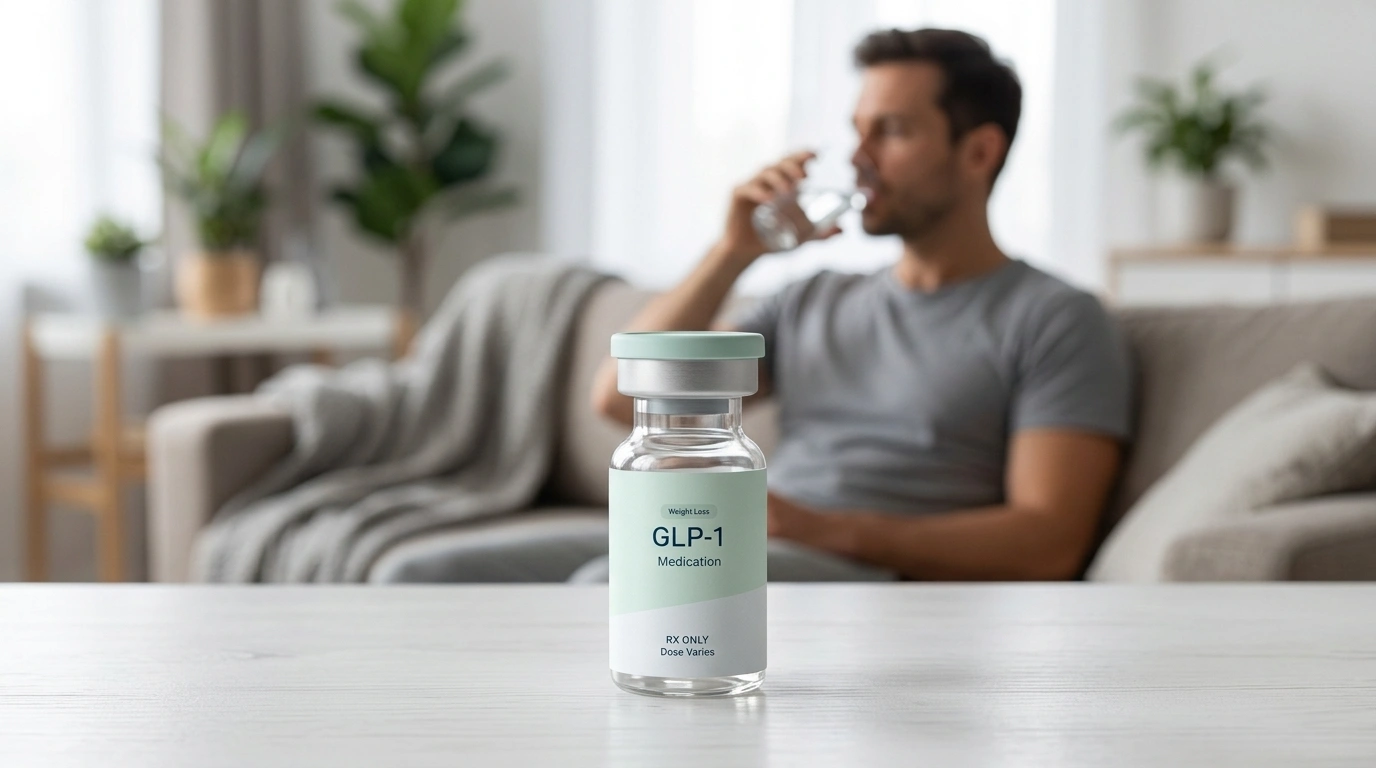
Managing the costs of modern weight loss treatments can feel like a full-time job. Between navigating insurance hurdles and understanding prescription tiers, many individuals find themselves wondering if there is a more efficient way to invest in their health. If you have been following the rise of GLP-1 medications—a class of drugs called glucagon-like peptide-1 receptor agonists—you likely know how effective they can be for weight management. However, you might also be staring at your Flexible Spending Account (FSA) or Health Savings Account (HSA) balance and asking: can you use FSA for GLP 1? At TrimRx, we believe that transparency is the foundation of a successful health journey. In this post, we will explain how these tax-advantaged accounts work with weight loss treatments, the documentation you might need, and how our telehealth platform helps you navigate the process of accessing personalized care.
Understanding GLP-1 Medications and Eligibility
Before diving into the financial specifics, it is helpful to understand what these medications are and why they qualify for certain health accounts. Learn how GLP-1 medications work—glucagon-like peptide-1 medications mimic a hormone your body naturally produces in the gut to signal fullness to the brain and regulate blood sugar levels. Medications in this class mimic that hormone, helping you feel satisfied with smaller portions and slowing down the rate at which your stomach empties.
When a healthcare provider prescribes a GLP-1 medication for a specific medical condition—such as Type 2 diabetes, obesity, or being overweight with related health issues—it is classified as a medical expense. Common branded versions include Ozempic®, Wegovy®, Mounjaro®, and Zepbound®. Because these are prescription medications used to treat or mitigate a medical condition, they generally fall under the umbrella of IRS-qualified medical expenses.
Quick Answer: Yes, you can typically use FSA or HSA funds for GLP-1 medications, provided they are prescribed by a licensed healthcare professional to treat a specific medical condition like obesity or Type 2 diabetes. You should always verify your specific plan’s rules with your benefits administrator.
The Difference Between FSA and HSA for Weight Loss
While both accounts allow you to use pre-tax dollars for medical costs, they have different rules that can impact how you plan your treatment. For additional context, review this guide to using HSA or FSA funds for GLP-1 treatment.
Flexible Spending Accounts (FSA)
An FSA is usually offered through an employer. You decide at the beginning of the year how much money to contribute from your paycheck before taxes are taken out. The primary thing to remember with an FSA is the “use-it-or-lose-it” rule. Most plans require you to spend the balance by the end of the calendar year, though some offer a small carryover or a short grace period. If you are starting a GLP-1 program late in the year, using your remaining FSA balance can be a smart way to fund your initial months of treatment.
Health Savings Accounts (HSA)
An HSA is paired with a high-deductible health plan (HDHP). Unlike an FSA, the money in an HSA rolls over from year to year. It is yours forever, even if you change jobs. This makes an HSA an excellent tool for long-term weight management programs. Since GLP-1 treatments are often a multi-month or multi-year commitment, having a rolling balance allows for consistent, stress-free payments for your ongoing care.
Why Using Pre-Tax Dollars Matters
Using an FSA or HSA essentially gives you a discount on your healthcare. When you pay for medication with “after-tax” dollars, you have already paid federal, state, and payroll taxes on that money. By using an FSA or HSA, you are using “pre-tax” dollars. Depending on your tax bracket, this can effectively reduce the cost of your weight loss program by 20% to 40%.
For many people, this savings makes the difference between a program feeling out of reach and feeling sustainable. Because GLP-1 medications are a significant investment in your long-term metabolic health, leveraging these accounts is one of the most effective ways to manage your household budget while prioritizing your well-being.
How to Use Your Funds with TrimRx
We have designed our platform to be as seamless as possible for those looking to use their health accounts. While we are a telehealth platform and not a medical practice ourselves, we connect you with licensed providers who can evaluate your health profile and determine if a GLP-1 prescription is appropriate for you.
Step 1: The Initial Assessment
Start by taking the free assessment quiz. This helps our partner providers understand your medical history, your current BMI, and any underlying conditions. This information is critical because the IRS requires that weight loss medications be used to treat a specific condition to be eligible for FSA/HSA reimbursement.
Step 2: Provider Consultation
You will have a virtual consultation with a licensed provider. They will review your health profile and, if eligible, write a prescription for a GLP-1 medication. This prescription is the primary piece of evidence you need to prove that your medication is a qualified medical expense.
Step 3: Payment and Documentation
Most FSA and HSA debit cards work like a standard credit card. You can often use your card directly on our platform to pay for your program. If your card is declined—which sometimes happens with specialized telehealth categories—you can typically pay with a regular card and submit your receipt for reimbursement to your plan administrator.
Key Takeaway: Your prescription is your proof of eligibility. Always keep a digital copy of your provider’s treatment plan and your payment receipts to ensure smooth reimbursement from your FSA or HSA provider.
Branded vs. Compounded Medications
When discussing GLP-1 options, it is important to distinguish between branded and compounded versions, as this can sometimes affect how your insurance or benefit plan views the expense.
Branded Medications: Branded drugs like Wegovy® and Zepbound® are FDA-approved for chronic weight management. Ozempic® and Mounjaro® are FDA-approved for Type 2 diabetes, though they are sometimes prescribed off-label for weight loss. Most FSA/HSA plans recognize these as standard prescription expenses.
Compounded Medications: Due to high demand and frequent shortages of branded drugs, many patients turn to compounded semaglutide or compounded tirzepatide. These medications are prepared by FDA-registered, inspected compounding pharmacies. It is vital to note that compounded medications themselves are not FDA-approved. However, the IRS generally allows for the reimbursement of compounded medications if they are prescribed by a provider to treat a medical condition.
At TrimRx, we connect patients with providers who may prescribe compounded options when appropriate. These medications are shipped directly from licensed compounding pharmacies to your door, and the cost of the medication and the provider’s oversight are bundled into one clear program.
The Importance of a Letter of Medical Necessity
Some FSA and HSA administrators require a Letter of Medical Necessity (LMN). This is a formal document from your healthcare provider stating that the medication is necessary to treat a specific medical condition, such as obesity.
Obesity was officially recognized as a disease by the American Medical Association in 2013, which helped solidify its status as a treatable condition in the eyes of many tax and insurance entities. If your plan administrator asks for an LMN, the licensed provider you work with through our platform can generally provide this documentation based on your clinical evaluation.
What an LMN usually includes:
- Your diagnosis (e.g., Obesity with a BMI over 30).
- The specific treatment recommended (e.g., Semaglutide).
- How the treatment will alleviate the condition.
- The expected duration of the treatment.
Managing Your Weight Loss Budget
When planning your FSA or HSA contributions for the coming year, it is helpful to look at the total cost of your wellness journey. A personalized program through our platform is more than just a prescription. It includes the medical consultation, the medication itself, the shipping, and ongoing support.
Don’t forget about supportive care. Sometimes, patients find that they need additional support to manage the transition into a GLP-1 lifestyle. We offer quick-access supplements that do not require a prescription. For example, our GLP-1 Daily Support supplement is designed to help manage common side effects like occasional nausea or digestive discomfort. While supplements are not always eligible for FSA/HSA reimbursement without a specific LMN, they are an affordable way to optimize your results.
Note: While many medications are covered, every employer’s plan is different. We highly recommend calling your benefits coordinator or checking your plan’s “Summary of Benefits” to confirm that weight loss prescriptions are an eligible expense under your specific policy.
The Role of Telehealth in Modern Weight Loss
The traditional path to getting a GLP-1 prescription often involved months of waiting for an appointment with an endocrinologist, followed by hours in a waiting room. This is where telehealth has changed the landscape. For more detail, read about how online GLP-1 telehealth programs work.
By using our platform, you skip the waiting room and the commute. You receive high-quality, medically supervised care from the comfort of your home. This efficiency is especially beneficial for people with busy schedules who need to manage their health on their own terms.
Our mission is to help individuals embrace healthier lifestyles through science, empathy, and a transparent approach. We provide a telehealth-first experience where there are no hidden fees. Whether your dosage changes or you need extra support from our team of specialists, we ensure that your program remains consistent and easy to manage.
Maximizing Your Results on a GLP-1 Program
Using your FSA or HSA to fund your treatment is a great financial start, but the real value comes from the lifestyle changes you make while on the medication. GLP-1s are a tool—a very powerful one—but they work best when combined with a personalized plan.
Focus on Protein and Hydration: As your appetite decreases, the quality of the food you eat becomes even more important. Prioritizing lean protein helps preserve muscle mass while you lose fat. Staying hydrated is also crucial, as it helps manage potential side effects and keeps your metabolism functioning optimally. You can also review this guide to common GLP-1 side effects and symptom management.
Incorporate Movement: You don’t have to run a marathon to see results. Consistent, moderate activity like walking or resistance training can help improve your insulin sensitivity and boost the effects of your medication.
Consider Supplemental Support: Some patients use our Weight Loss Boost supplement to complement their prescription. This can provide an extra layer of support for energy levels and metabolic health, especially during the initial phases of the program when your body is adjusting to a lower caloric intake.
Common Misconceptions About FSA/HSA and Weight Loss
There are several myths that often prevent people from using their benefits correctly.
Myth: “Weight loss is considered cosmetic, so I can’t use my FSA.” Fact: While cosmetic procedures (like Botox or teeth whitening) are generally excluded, treating the medical condition of obesity with prescription medication is a qualified medical expense under IRS guidelines.
Myth: “I can only use my HSA for emergency room visits or surgeries.” Fact: HSA funds can be used for a wide range of everyday health needs, including prescriptions, lab work, and even some over-the-counter medical supplies.
Myth: “If I use a telehealth platform, my expenses won’t be eligible.” Fact: As long as the platform connects you with licensed providers who issue legitimate prescriptions for a medical condition, the location of the consultation (virtual vs. in-person) does not change the eligibility of the expense.
Preparing for the New Plan Year
If you are currently in an open enrollment period, now is the time to calculate your anticipated costs for the next twelve months.
- Estimate the monthly cost of your weight loss program.
- Multiply that by 12.
- Factor in other expected medical costs (dentist visits, eye exams, other prescriptions).
- Set your FSA or HSA contribution to match that total, up to the annual IRS limit.
By doing this, you ensure that every dollar you spend on your health next year is tax-free. If you are already in the middle of a plan year and have “leftover” money in your FSA, starting your journey now is an excellent way to use those funds before they expire on December 31st.
The Long-Term Perspective on Metabolic Health
Weight loss is not just about the number on the scale; it is about metabolic health. When you improve your body’s relationship with insulin and glucose through GLP-1 medications, you are reducing the risk of a variety of long-term health complications.
Investing in this treatment today using your FSA or HSA is a proactive step toward a healthier future. Our approach at TrimRx is to be your partner in this journey, providing the clinical expertise and modern technology you need to succeed. We understand the emotional weight of weight loss, and we are here to make the process as straightforward and supportive as possible.
Bottom Line on Using Your Benefits
Using your tax-advantaged accounts for GLP-1 medications is one of the most effective ways to lower the “sticker price” of your treatment. By utilizing pre-tax dollars, you can save significantly while accessing high-quality, medically supervised care.
The process is straightforward:
- Verify your plan details with your administrator.
- Complete your assessment on our platform to connect with a provider.
- Obtain a prescription and, if necessary, a Letter of Medical Necessity.
- Use your FSA/HSA card or submit your receipts for reimbursement.
By taking these steps, you are not just saving money—you are investing in a sustainable, science-backed path to a healthier version of yourself.
FAQ
Can I use my HSA to pay for the TrimRx membership fee?
Yes, in most cases, fees associated with a medical weight loss program—including the cost of doctor consultations and the medications themselves—are considered eligible medical expenses. Since our program bundles these services into a single fee for a medical purpose, it typically qualifies for HSA or FSA payment or reimbursement.
What happens if my FSA card is declined when I try to pay?
FSA cards are sometimes restricted by specific “merchant category codes.” If your card is declined, it doesn’t necessarily mean the expense is ineligible. You can usually pay with a personal credit or debit card and then submit the receipt and your prescription to your FSA administrator for manual reimbursement.
Do I need a Letter of Medical Necessity for every GLP-1 medication?
Not always, but it is common for weight loss treatments. While your prescription acts as primary proof, some plan administrators require an additional Letter of Medical Necessity (LMN) to confirm the drug is being used for a medical condition rather than for general wellness. The providers we partner with can assist you with this documentation if it is required.
Can I use my FSA for compounded semaglutide?
Generally, yes. The IRS allows for the reimbursement of compounded medications when they are prescribed by a licensed medical professional to treat a specific medical condition. Even though compounded medications are not themselves FDA-approved, they are a common and accepted part of medical practice, especially during branded medication shortages.
Disclaimer: This content is for informational purposes only and does not constitute medical advice. It is not intended to diagnose, treat, cure, or prevent any disease or condition. Individual results may vary. Always consult a qualified healthcare professional before starting any weight loss program or medication.

Transforming Lives, One Step at a Time
Keep reading
Weight Loss Progress Tracker
Track your weight loss over time, see progress clearly, and stay motivated with simple charts, summaries, and goal-based insights.

How to Create a Personalized Adherence Plan
Build a one-page GLP-1 adherence plan: record dose, pick a weekly time, set reminders, log side effects, and review monthly.

Weight Loss Medication Dosage Calculator
Estimate weight loss medication doses by weight and drug type, with starting guidance, dose progression info, and a clear medical disclaimer.


