What Cold Medicine Can I Take While on Ozempic?
Introduction
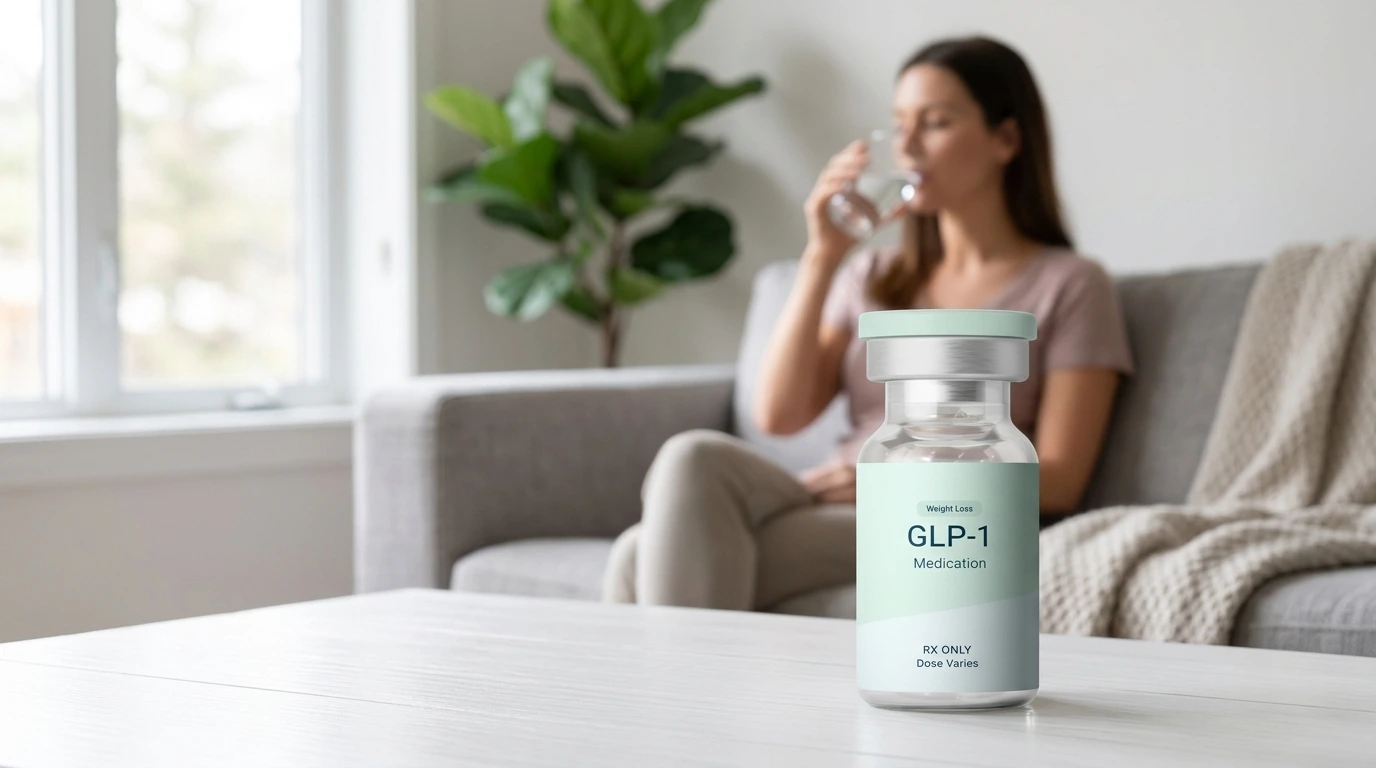
Waking up with a scratchy throat, a stuffy nose, and the heavy fog of a head cold is never pleasant. When you are also managing a weight loss journey with a GLP-1 medication like Ozempic®, the standard trip to the pharmacy aisle can feel much more complicated. You may find yourself standing in front of dozens of brightly colored boxes, wondering which ingredients might interfere with your progress or cause an unexpected reaction.
At TrimRx, we believe that managing your health should be clear and stress-free, especially when you are already feeling under the weather. Navigating the world of over-the-counter (OTC) medications requires a bit of extra care when you are using a prescription GLP-1 receptor agonist. These medications change how your body processes food and medicine, which means your typical “go-to” cold remedy might need a second look. This post will cover the safety of common cold ingredients, how they interact with your treatment, and the best ways to support your body while you recover. If you are considering a medically supervised GLP-1 program, you can complete a free eligibility assessment.
How GLP-1 Medications Change Your Response to Medicine
To understand which cold medicines are safe, it is helpful to look at how GLP-1 medications like Ozempic® work in the body. A GLP-1 (glucagon-like peptide-1) receptor agonist is a medication that mimics a hormone naturally found in the gut. This hormone performs several roles, such as signaling the brain that you are full and helping the pancreas release the right amount of insulin. For a deeper explanation, read how GLP-1 medications work.
Understanding Gastric Emptying
One of the primary ways these medications support weight loss is by slowing down gastric emptying. This is a scientific term for the speed at which food and liquids move from your stomach into your small intestine. When this process slows down, you feel full for a longer period.
However, this slowed digestion also applies to anything else you swallow, including pills, capsules, and liquid cold medicines. Because the medicine stays in your stomach longer, it may take more time for you to feel the effects of a pain reliever or a decongestant. In some cases, the way your body absorbs the medication might change slightly, making the timing of your doses more important than ever. You can learn more about semaglutide and delayed gastric emptying.
The Blood Sugar Connection
GLP-1 medications are designed to help your body regulate blood sugar more effectively. Many over-the-counter cold and flu remedies contain ingredients that can temporarily raise your blood sugar levels. For someone on a metabolic health program, these spikes can be counterproductive. Monitoring these interactions is a key part of the support we offer through our personalized programs.
Key Takeaway: Because GLP-1 medications slow your digestion, oral cold medicines may take longer to start working, and certain ingredients could interfere with your blood sugar goals.
Decongestants: The Primary Ingredient to Watch
If you are looking for relief from a stuffed-up nose, you will likely encounter two main decongestants: phenylephrine and pseudoephedrine. While these are effective at shrinking swollen nasal passages, they carry specific considerations for anyone on Ozempic®.
Phenylephrine and Blood Sugar
Phenylephrine is a common ingredient in “daytime” multi-symptom cold medicines. Research suggests that phenylephrine may interfere with blood glucose control. It acts as a sympathomimetic agent, which can trigger a mild “fight or flight” response in the body. This response sometimes causes the liver to release extra glucose into the bloodstream.
If you are using a GLP-1 medication to manage your weight or metabolic health, this rise in blood sugar could reduce the overall effectiveness of your treatment during the time you are sick. It is not necessarily dangerous for everyone, but it does require closer monitoring of your glucose levels.
Pseudoephedrine and Heart Rate
Pseudoephedrine is the stronger decongestant often kept behind the pharmacy counter. Similar to phenylephrine, it can increase blood pressure and heart rate. Some individuals starting GLP-1 treatments already notice a slight increase in their resting heart rate. Combining this with a strong stimulant like pseudoephedrine may lead to palpitations or feelings of anxiety.
Myth: All “non-drowsy” cold medicines are safe to take with weight loss injections. Fact: Many non-drowsy formulas rely on stimulants like pseudoephedrine that can raise blood sugar and heart rate, potentially clashing with your GLP-1 medication.
Pain Relievers and Fever Reducers
When you have a fever or body aches, you likely reach for acetaminophen or ibuprofen. These are generally considered safe to use alongside GLP-1 medications, but there are a few nuances to keep in mind regarding your stomach health. For additional context, review this guide to common GLP-1 side effects.
Acetaminophen (Tylenol)
Acetaminophen is usually the first choice for fever and pain. It is gentle on the stomach lining, which is beneficial since some people experience mild nausea as a side effect of their GLP-1 program. However, be mindful of “severe cold” multi-symptom liquids. These often combine acetaminophen with alcohol or other stimulants.
You should avoid or limit alcohol while taking acetaminophen to protect your liver. Additionally, if you are using oral semaglutide, you must be careful with timing. Oral medications should be taken on an empty stomach with a small amount of water, usually 30 minutes before taking any other pills or food.
Ibuprofen and NSAIDs
Ibuprofen and other non-steroidal anti-inflammatory drugs (NSAIDs) can sometimes cause stomach irritation. Since GLP-1 medications keep food in the stomach longer, taking an NSAID might increase the risk of heartburn or indigestion. If you have a sensitive stomach, you may want to stick with acetaminophen or consult your healthcare provider about which option is best for your health profile.
Cough Syrups and Hidden Ingredients
Cough syrups are a staple for nighttime relief, but they are often loaded with ingredients that can complicate your weight loss journey.
The Sugar Problem
Many traditional cough syrups are essentially flavored sugar water. A single dose can contain a significant amount of liquid sugar, which can cause a rapid spike in blood glucose. For an individual focused on metabolic health, these “liquid calories” and sugar hits are best avoided.
When searching for a cough suppressant, look for “sugar-free” or “diabetic-tussin” versions. These provide the same active ingredients, such as dextromethorphan, without the added corn syrup or sucrose.
Alcohol Content
Some “nighttime” formulas contain a small percentage of alcohol to help with sleep. While a small dose is unlikely to cause a major interaction, it can increase the sedative effects of other ingredients like diphenhydramine (Benadryl). Alcohol can also irritate the stomach and contribute to the nausea sometimes associated with GLP-1 medications. If nausea or digestive discomfort is part of your treatment experience, these GLP-1 side-effect management strategies may also be helpful.
Safe Alternatives for Cold Relief
If you want to avoid potential drug interactions entirely, there are several effective ways to manage cold symptoms that do not involve systemic medications.
- Saline Nasal Sprays: These use simple salt water to clear out mucus. They do not enter the bloodstream and will not affect your blood sugar or heart rate.
- Neti Pots: Similar to saline sprays, these provide a physical rinse of the nasal passages. Ensure you use distilled or previously boiled water for safety.
- Humidifiers: Adding moisture to the air can soothe a dry throat and help break up chest congestion.
- Steam Inhalation: Sitting in a steamy bathroom for 10 minutes can provide temporary relief for sinus pressure.
- Honey and Tea: For a cough, a spoonful of honey in warm decaffeinated tea can be as effective as some OTC suppressants. Be mindful of the honey’s sugar content, but it is often a cleaner choice than processed syrups.
Hydration: The Most Critical Factor
When you are sick, your body loses fluids through sweat, mucus production, and sometimes an increased respiratory rate. When you are on a GLP-1 medication, staying hydrated is even more vital. Learn more about how hydration supports weight loss.
These medications can naturally decrease your thirst cues. If you have a fever and are not drinking enough, you risk dehydration much faster than someone not on the medication. Dehydration can worsen common GLP-1 side effects like headaches, dizziness, and constipation.
Electrolytes and Nutrient Support
Water alone might not be enough if you have been sweating or have a reduced appetite. Electrolyte drinks can help maintain your mineral balance. We often recommend looking for low-sugar electrolyte powders. Using a supplement like GLP-1 Daily Support can also help ensure you are getting the necessary nutrients even when you don’t feel like eating a full meal.
Managing Your Program During Illness
If you find yourself too sick to eat or are experiencing significant gastrointestinal upset from a flu virus, you might wonder if you should skip your weekly dose.
Never stop or change your medication schedule without speaking to a healthcare provider.
Most of the time, you can continue your program as usual. However, if you are unable to keep fluids down, your doctor might suggest a temporary adjustment. The telehealth-first approach at TrimRx ensures you have 24/7 access to specialists who can guide you through these moments. Our mission is to provide science-backed support that adapts to your life, including the days when you are not feeling your best. If you are exploring prescription treatment, take the free assessment quiz to begin the process.
Bottom line: Hydration and choosing sugar-free, stimulant-free medications are the best ways to manage a cold while continuing your weight loss journey.
Step-by-Step: How to Choose a Cold Medicine
Step 1: Identify your primary symptom. / Instead of a multi-symptom “all-in-one” pill, try to treat only the symptom that is bothering you most.
Step 2: Check for stimulants. / Look at the active ingredients list for phenylephrine or pseudoephedrine, and avoid them if you are concerned about blood sugar or heart rate.
Step 3: Choose sugar-free liquids. / If you are buying a syrup, ensure it is labeled sugar-free to prevent unnecessary glucose spikes.
Step 4: Confirm your dose timing. / Remember that your stomach moves slower; do not take extra doses if you don’t feel the effects immediately.
Step 5: Consult your provider. / If you are unsure about a specific combination, message your clinical team for a quick confirmation.
When to Consult a Healthcare Professional
While most colds can be managed at home, certain “red flag” symptoms mean it is time to stop the OTC trials and call your doctor.
- A fever that lasts more than three days or exceeds 103 degrees.
- Shortness of breath or chest pain.
- Inability to keep any liquids down for more than 12 hours.
- Severe abdominal pain that feels different from your usual GLP-1 side effects.
- Symptoms that get better and then suddenly get much worse.
When you speak with a provider, always remind them that you are taking a GLP-1 medication. This helps them understand your gastric emptying rate and your risk for certain complications like dehydration. Our platform makes this easy by keeping your medical history and current treatment plan in one accessible place for our partner providers.
Conclusion
Getting through a cold while on Ozempic® or a similar GLP-1 medication is entirely manageable with a little bit of planning. The key is to prioritize hydration, choose sugar-free versions of cough medicines, and be cautious with decongestants that might affect your blood sugar. By treating your symptoms individually rather than reaching for multi-symptom “mega-pills,” you can find relief without disrupting your metabolic progress.
We understand that weight loss is a long-term journey that includes both high-energy days and days when you just need to rest. Our goal is to provide a personalized, science-backed experience that supports you through every phase of health. If you are ready to take the next step toward a healthier lifestyle with a team that understands your unique needs, we invite you to start with the free assessment quiz.
FAQ
Can I take Mucinex with Ozempic?
Most versions of Mucinex (guaifenesin) are generally considered safe to take with GLP-1 medications. Guaifenesin works by thinning mucus and does not typically interfere with blood sugar or heart rate. However, always check the label to ensure it is a “single-ingredient” product and does not contain added decongestants like pseudoephedrine.
Will cold medicine take longer to work on Ozempic?
Yes, because GLP-1 medications slow down gastric emptying, any pill or liquid you swallow stays in the stomach for a longer period. This delay means the active ingredients may take 30 to 60 minutes longer than usual to reach your bloodstream and provide relief. Avoid the temptation to take a second dose too early if you don’t feel the effects right away.
Is sugar-free cough syrup necessary while on a GLP-1?
While it is not strictly mandatory, sugar-free cough syrup is highly recommended. Standard syrups are very high in sugar, which can cause significant blood glucose spikes. Since your medication is working to stabilize your blood sugar and support metabolic health, using a sugar-free version helps maintain your progress and prevents unnecessary calories.
Are nasal sprays safer than oral cold medicines?
Generally, yes. Nasal sprays like saline or fluticasone act locally in the nose and have very little systemic absorption into the bloodstream. This means they are unlikely to interact with your GLP-1 medication or affect your blood sugar levels. They are often a great first-line choice for managing congestion while on a weight loss program.
Disclaimer: This content is for informational purposes only and does not constitute medical advice. It is not intended to diagnose, treat, cure, or prevent any disease or condition. Individual results may vary. Always consult a qualified healthcare professional before starting any weight loss program or medication.

Transforming Lives, One Step at a Time
Keep reading

Does Water Weight Mask Fat Loss on Ozempic?
Yes, routinely, and sometimes for weeks at a time. This is the single biggest reason the scale is a frustrating instrument during weight loss….

Why Do Energy Drinks Feel Worse on Ozempic?
Because the drink has not changed but almost everything around it has. You are eating considerably less, so a large dose of caffeine is…
How Often Should You Weigh Yourself on Ozempic?
Weekly, at the same time and under the same conditions, suits most people well. It gives you enough data to see a trend without…


