Common Appetite Issues on GLP-1 Medications: Q&A

Feeling less hungry on GLP-1 medications like Semaglutide or Wegovy? That’s the goal – but it can lead to challenges. These treatments work by suppressing hunger signals, helping with weight loss. However, some users report struggles like skipping meals, not eating enough protein, or losing interest in food altogether.
Here’s what you need to know:
- How they work: GLP-1 meds slow digestion, reduce hunger hormones, and make you feel full longer.
- Common issues: Forgetting to eat, trouble meeting nutrition needs, and changes in food preferences.
- Solutions: Eat smaller, frequent meals with high-protein, nutrient-dense foods. Set reminders to avoid skipping meals.
- When to seek help: If appetite suppression leads to rapid weight loss or signs of malnutrition, consult your doctor.
Takeaway: Balancing appetite control with proper nutrition is crucial. If you’re struggling, tools like meal schedules or professional guidance can help you stay on track.
Ease GLP-1 Side Effects With Lifestyle Changes
Common Appetite Problems on GLP-1 Medications
While appetite suppression is a key feature of GLP-1 medications that aids weight loss, it can sometimes create challenges with eating habits and nutritional health. These effects, though often welcome, may require some adjustments to ensure proper nourishment.
Loss of Interest in Eating
For some, taking GLP-1 medications can lead to a noticeable drop in interest in food – even to the point of forgetting to eat. This occurs because these medications slow down how quickly food moves through the stomach and reduce hunger signals. As registered dietitian Sara Fausett explains:
"GLP-1s slow food moving through the intestines. It tells your brain it’s not hungry."
While this can help with weight management, it may also disrupt nutritional balance if meals are skipped too often.
Difficulty Meeting Nutritional Needs
A suppressed appetite can make it tough to consume enough calories and protein, which are vital for overall health. Not getting enough of these nutrients can lead to muscle loss, malnutrition, and other health issues. Proper calorie and protein intake is crucial for maintaining muscle mass, supporting the immune system, keeping bones strong, and sustaining energy levels.
Changes in Food Preferences
Another common experience with GLP-1 medications is a shift in food preferences. Foods that were once favorites might suddenly become unappealing or even cause nausea. This can make meal planning more complicated, as reliable food choices may no longer feel tolerable or satisfying.
How to Manage Appetite Suppression
Managing appetite suppression while taking GLP-1 medications requires thoughtful planning and mindful eating habits. The key is to maintain proper nutrition and energy levels while benefiting from the medication’s weight-loss effects.
Eating Smaller, Frequent Meals
Instead of sticking to the traditional three large meals a day, break your food intake into smaller, more frequent portions. This approach aligns with your reduced hunger signals, making it easier to eat without discomfort.
Aim for five to six small meals spaced two to three hours apart throughout the day. By keeping portions snack-sized, you avoid the overwhelming feeling that can come with larger meals. Timing is also important – many people find their appetite is better in the morning, so starting the day with a nutritious meal can set a solid foundation.
This strategy helps you stay nourished while working with, not against, your body’s changes.
Focus on Protein and Nutrient-Dense Foods
With a reduced appetite, every bite counts, so it’s essential to prioritize foods that pack a nutritional punch. Protein is especially important because it preserves muscle mass during weight loss and helps you stay full longer.
Incorporate a protein source into every mini-meal. Options like Greek yogurt, eggs, lean meats, fish, beans, or protein smoothies are excellent choices. Pair these with nutrient-dense foods like colorful vegetables, whole grains, fruits, nuts, and seeds. These foods provide the vitamins and minerals your body needs to function well, even when you’re eating less.
Healthy fats, such as avocado, olive oil, or nuts, are also valuable additions. They’re calorie-dense in a beneficial way, helping you meet your energy needs without eating large portions that might feel overwhelming.
By focusing on nutrient-rich foods, you ensure your body gets what it needs, even with smaller meals.
Setting Meal Reminders
When appetite suppression kicks in, it’s easy to forget to eat. You might not feel hungry for hours, but skipping meals can leave your body without the energy it needs.
Set phone alarms or calendar notifications to remind yourself to eat at regular intervals. This isn’t about forcing food when you’re not hungry – it’s about keeping your body nourished.
Another helpful tip is to post a meal schedule in a visible spot, like on your fridge or desk. This takes the guesswork out of when and what to eat, making it easier to stick to a routine. While the schedule doesn’t have to be rigid, having a framework ensures you’re staying consistent with your nutrition, even when your appetite is unpredictable.
sbb-itb-e2779c3
When Appetite Suppression Becomes a Problem
Managing appetite suppression involves striking the right balance between supporting weight loss and maintaining proper nutrition. It’s crucial to recognize when appetite suppression starts to negatively impact your health. Below, we’ll explore key warning signs and when it’s time to consult a healthcare professional.
Warning Signs of Excessive Appetite Suppression
Struggling to eat a balanced diet or experiencing signs of malnutrition and dehydration can indicate that appetite suppression has gone too far. Losing weight too quickly – beyond a steady, sustainable pace – may signal that your body isn’t getting the nutrients it needs. If you have a history of eating disorders, medications like GLP-1 could potentially worsen disordered eating behaviors. Keep a close eye on any changes in your eating habits to ensure they don’t become harmful.
When to Contact Your Doctor
If you notice severe symptoms such as marked dehydration, rapid weight loss, or signs of poor nutrition, it’s essential to reach out to your healthcare provider right away. They can adjust your treatment plan to better suit your needs.
For those working with TrimRX, their medical team is available via telehealth consultations to evaluate your situation and make necessary changes to your treatment. This prompt, accessible support can help address appetite-related concerns before they lead to more serious issues.
TrimRX Support for Appetite Management

TrimRX provides targeted assistance to help manage the challenges of appetite suppression, offering solutions tailored to individual needs. Their comprehensive weight loss programs focus on balancing appetite control with proper nutrition, ensuring a more sustainable approach to health.
Custom Consultations and Dosing
Every patient’s journey with GLP-1 medications is unique, and TrimRX ensures personalized care at every step. Their medical team conducts in-depth consultations to understand your specific appetite concerns. Based on your feedback, they fine-tune dosing to strike the right balance – whether you’re dealing with excessive appetite suppression or finding it hard to maintain consistency.
TrimRX offers a variety of GLP-1 formulations, including both injectable and oral options, at competitive prices. This flexibility allows the team to adjust medications or dosing schedules as needed, tailoring treatments to how your appetite responds over time.
With TrimRX, you gain unlimited access to check-ins as part of their programs. This means you can reach out whenever appetite-related issues arise, ensuring adjustments are made quickly and effectively. This ongoing communication helps prevent appetite suppression from becoming an obstacle to your progress.
Nutritional Support and Expert Guidance
TrimRX goes beyond medication by addressing the nutritional challenges that often accompany reduced appetite. They offer two supplements designed to support your nutrient intake: GLP-1 Daily Support ($119) and Weight Loss Boost ($149). These products help fill nutritional gaps when eating enough becomes difficult due to appetite suppression, providing essential support for both metabolism and overall health.
Their medical team also offers practical advice on maintaining proper nutrition despite a reduced food intake. From strategies to increase nutrient density in smaller meals to identifying when appetite suppression is interfering with your health goals, TrimRX ensures you stay on track. This guidance is particularly helpful for patients struggling to meet daily protein needs or experiencing a lack of interest in eating.
Easy Access to Care
TrimRX makes managing appetite issues simple and accessible. With free delivery and immediate telehealth consultations, you’ll never have to worry about missing a dose or waiting too long for adjustments when you’re feeling off.
Their telehealth platform connects you directly with medical professionals from the comfort of your home. Whether you need urgent advice about severe appetite suppression or want to discuss gradual changes in your eating habits, help is just a call away. This convenience is especially valuable for addressing appetite issues that can shift quickly.
TrimRX’s streamlined approach ensures dosing changes are made without unnecessary delays or complicated scheduling. If your current regimen isn’t working, adjustments can be implemented efficiently, helping you stay aligned with both your weight loss and nutritional goals.
Conclusion
Key Takeaways
Balancing appetite control with your body’s nutritional needs is crucial for sustainable weight loss. Recognizing the early signs of excessive appetite suppression is a key part of this process. Watch for red flags like consistently eating very little or losing interest in food over an extended period.
Nutrition matters more than ever. Make nutrient-dense foods a priority, focus on getting enough protein, and consider setting meal reminders to maintain regular eating habits. If larger meals feel overwhelming, try smaller, more frequent ones to keep your energy levels steady and your body nourished.
Professional guidance can be a game-changer. TrimRX offers personalized support to help you navigate appetite changes without compromising your health or weight loss goals. Their approach ensures that appetite suppression doesn’t become a barrier to your progress.
As you adjust to GLP-1 treatments, it’s vital to monitor your energy, mood, and overall ability to meet your basic nutritional needs. These are key indicators of whether your appetite suppression remains within a healthy range.
Getting the Help You Need
Taking a proactive approach to managing appetite suppression is essential. You don’t have to face these challenges alone. TrimRX’s telehealth platform connects you with experienced medical professionals who understand the nuances of GLP-1 medications and their impact on appetite.
Address appetite concerns as soon as they arise. If you notice a sharp decline in your interest in food or struggle to meet your daily protein goals, don’t wait. Adjustments to your medication or dietary plan can provide relief and help you stay on track.
The secret to long-term success lies in open communication with your healthcare team. TrimRX’s ongoing support ensures that your treatment plan evolves with your needs, making appetite suppression a manageable part of your journey instead of a stumbling block.
With the right combination of medication, nutrition, and expert support, you can achieve your weight loss goals while maintaining a healthy balance. Take action early to keep your progress steady and your health intact.
FAQs
What are the risks of too much appetite suppression with GLP-1 medications, and how can they be managed?
Excessive appetite suppression caused by GLP-1 medications can lead to several challenges, including food aversion, dehydration, unintended weight loss, muscle loss, and nutrient deficiencies. If left unchecked, these issues can take a toll on overall health.
To mitigate these risks, it’s important to prioritize balanced meals that include sufficient protein, drink plenty of water, and opt for smaller, more frequent meals throughout the day. Regularly consulting with your healthcare provider is equally crucial – they can track your progress and ensure your body is receiving the nutrients it needs. Additionally, staying alert to any signs of disordered eating patterns can help prevent further complications.
How can I maintain proper nutrition if my appetite is reduced while taking GLP-1 medications?
To maintain proper nutrition when your appetite is low, aim for a balanced diet that includes lean proteins, whole grains, fresh fruits, and vegetables. These nutrient-packed options can help you meet your dietary needs even if you’re eating smaller portions.
Focus on protein and fiber-rich foods to keep you feeling full and energized throughout the day. If larger meals feel overwhelming, try eating smaller portions more frequently or adding healthy snacks into your routine. Most importantly, pay attention to your body – adjust portion sizes as needed to stay comfortable while still supporting your overall health.
What can I do if my food preferences change or I feel nauseous while using GLP-1 medications?
It’s not unusual to notice shifts in your food preferences or to feel mild nausea when beginning GLP-1 medications. If this happens, it’s a good idea to reach out to your healthcare provider for tailored advice.
To ease nausea, consider eating smaller portions more frequently throughout the day and steering clear of foods that are rich, greasy, or overly spicy. Many people find that adding ginger or peppermint to their diet can help. Make sure to stay hydrated and take your time while eating to minimize discomfort. If the symptoms don’t improve or start to feel worse, be sure to consult your healthcare provider for additional support.
Related Blog Posts

Transforming Lives, One Step at a Time
Keep reading
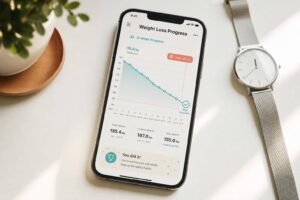
Weight Loss Progress Tracker
Track your weight loss over time, see progress clearly, and stay motivated with simple charts, summaries, and goal-based insights.
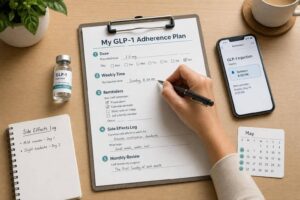
How to Create a Personalized Adherence Plan
Build a one-page GLP-1 adherence plan: record dose, pick a weekly time, set reminders, log side effects, and review monthly.

Weight Loss Medication Dosage Calculator
Estimate weight loss medication doses by weight and drug type, with starting guidance, dose progression info, and a clear medical disclaimer.


