Compounded Tirzepatide Cost: Complete 2026 Pricing Guide

Compounded tirzepatide costs between $349 and $699 per month as of 2026, which is 67-80% less expensive than brand-name Mounjaro or Zepbound ($1,069/month), making effective weight loss treatment accessible to patients who cannot afford or access brand-name versions.
If you’re researching compounded tirzepatide but confused about pricing, understanding the cost breakdown by dosage, why prices vary between providers, and what factors affect affordability helps you find legitimate treatment at the best possible price.
The dramatic price difference between compounded and brand-name tirzepatide has made weight loss treatment accessible to hundreds of thousands of patients who would otherwise be priced out of care. However, compounded tirzepatide pricing varies significantly between providers—from $349 to $699 per month for the same medication—making it essential to understand what drives these differences and how to identify legitimate, affordable options. TrimRx offers compounded tirzepatide at $349/month with transparent pricing that includes medical consultations, all supplies, shipping, and ongoing support.
Quick Pricing Summary:
Compounded Tirzepatide (Monthly):
- Budget providers: $349-$399/month
- Mid-range providers: $450-$549/month
- Premium providers: $550-$699/month
Brand-Name Comparison:
- Mounjaro: $1,069/month
- Zepbound: $1,069/month
Savings: $420-$720/month vs brand-name
Compounded Tirzepatide Pricing Overview
Understanding the compounded tirzepatide market helps explain current pricing and what to expect.
Current Market Pricing (2026)
National Price Ranges:
Low-Cost Providers:
- Monthly price: $349-$399
- Annual cost: $4,188-$4,788
- Includes: Consultation, medication, supplies, shipping
- Examples: TrimRx ($349), select telehealth platforms
Mid-Range Providers:
- Monthly price: $450-$549
- Annual cost: $5,400-$6,588
- Includes: Similar services, sometimes additional support
- Examples: Many national telehealth companies
Premium Providers:
- Monthly price: $550-$699
- Annual cost: $6,600-$8,388
- Includes: Often same medication, marketed as “premium”
- Examples: Some concierge weight loss services
Price Variations by Region:
Lowest Pricing States:
- Texas, Florida, Arizona: $349-$450/month
- High competition
- Multiple providers
- Streamlined regulations
Higher Pricing States:
- New York, California, Illinois: $399-$549/month
- Higher regulatory compliance costs
- More expensive pharmacy operations
- Still significantly cheaper than brand-name
Regional differences typically $50-100/month.
What’s Included in Price
Standard Inclusions (Most Providers):
Medical Services:
- Initial consultation with licensed provider
- Prescription for tirzepatide
- Monthly follow-up appointments
- Access to medical support
- Dose adjustments as needed
Medication:
- 4-5 weeks supply of compounded tirzepatide
- Pharmaceutical-grade active ingredient
- Compounded by FDA-registered pharmacy
- Proper sterility testing and quality control
Supplies:
- Syringes with needles (appropriate for dosing)
- Alcohol prep pads (swabs)
- Sharps container for disposal
- Cotton balls or gauze
Logistics:
- Cold-chain shipping (ice packs/gel packs)
- Insulated packaging
- Tracking information
- Customer support
Some premium providers add:
- Nutrition coaching
- Fitness plans
- Body composition analysis
- Group support sessions
- Mobile app with tracking
Most patients find standard inclusions sufficient—premium add-ons typically don’t justify 40-100% price increases.
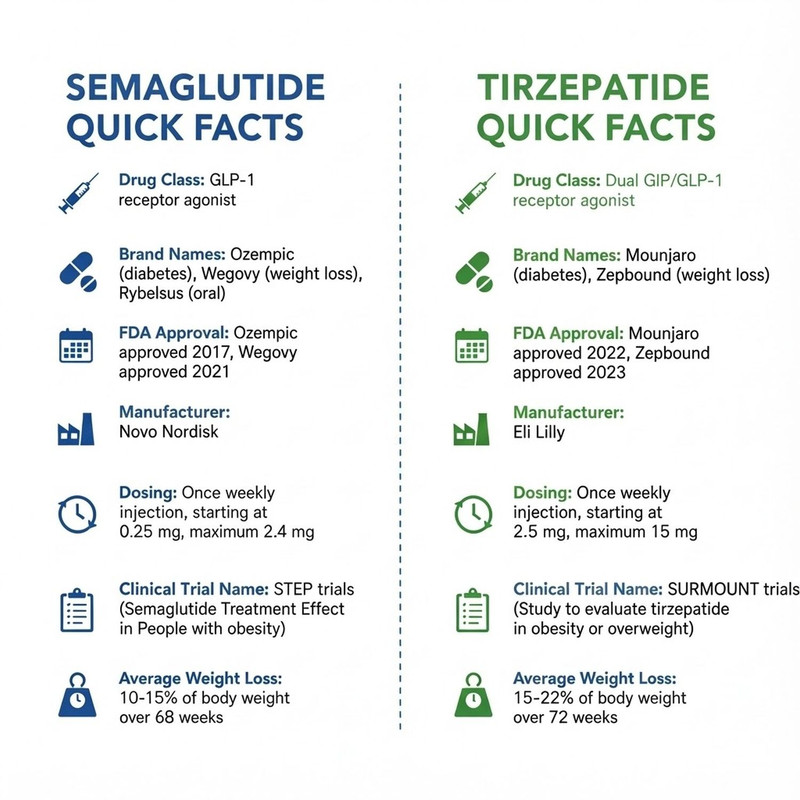
Price Trends Over Time
2022 (Early Compounded Tirzepatide):
- Limited availability
- Prices: $599-$899/month
- Few providers
- High demand, low supply
2023 (Market Expansion):
- More providers entered market
- Prices decreased: $449-$699/month
- Increased competition
- Better availability
2024 (Market Maturation):
- Significant provider expansion
- Prices dropped further: $349-$599/month
- Highly competitive market
- TrimRx launched at $349/month
2025-2026:
- Mature competitive market
- Stabilized pricing: $349-$699/month
- Clear price leaders emerging
- Quality and price increasingly transparent
Trend: Prices declining due to competition while quality maintained.
Factors Driving Price Differences
Why Some Providers Charge Less:
Operational Efficiency:
- Streamlined telehealth model
- Lower overhead costs
- Technology-enabled processes
- Scale advantages
Direct Pharmacy Partnerships:
- Work directly with compounding pharmacies
- Negotiate volume pricing
- Eliminate middlemen
- Pass savings to patients
Simplified Service Model:
- Focus on core medical services
- No unnecessary “premium” features
- Efficient appointment structure
- Automated processes where appropriate
Why Some Providers Charge More:
Premium Positioning:
- Market as “luxury” service
- Emphasis on branding
- Additional amenities
- Concierge-style care
Higher Overhead:
- Expensive physical locations
- Large staff for support services
- Extensive marketing costs
- Multiple service layers
Additional Services:
- Nutrition coaching bundled
- Fitness programming
- Regular body composition testing
- Extensive support programs
Complex Business Models:
- Multiple profit layers
- Franchise fees
- Marketing costs
- Investor return expectations
The medication is identical—differences are in service model and business structure, not medication quality.
Price vs Value Analysis
Best Value Indicators:
✓ Transparent pricing (all costs clear upfront) ✓ Comprehensive inclusions (consultation, medication, supplies, shipping, follow-ups) ✓ Licensed providers (verifiable credentials) ✓ FDA-registered pharmacies (legitimate compounding) ✓ Good customer reviews (proven track record) ✓ Accessible support (responsive to questions/issues)
Poor Value Indicators:
✗ Hidden fees (consultation separate, supplies extra, shipping charged) ✗ Excessive pricing ($650+/month for same medication) ✗ Pushy sales tactics (pressure to buy, urgency claims) ✗ Unclear provider credentials (can’t verify licenses) ✗ Vague pharmacy information (won’t disclose sources) ✗ Poor reviews (complaints about quality, service)
Comparing to Brand-Name Costs
Brand-Name Pricing (Without Insurance):
- Mounjaro: $1,069/month ($12,828/year)
- Zepbound: $1,069/month ($12,828/year)
Compounded Tirzepatide:
- Low-cost: $349/month ($4,188/year)
- Mid-range: $500/month ($6,000/year)
- High-end: $650/month ($7,800/year)
Annual Savings:
- Low-cost compounded: $8,640 savings
- Mid-range compounded: $6,828 savings
- High-end compounded: $5,028 savings
Even the most expensive compounded option saves $5,000+ annually.
Cost Legitimacy Verification
Prices Too Low (Red Flags):
- Under $299/month: Question medication source
- “Research chemicals”: Not pharmaceutical-grade
- Overseas suppliers: Illegal, unregulated
- No prescription required: Illegal
Prices Too High (Questions to Ask):
- Over $650/month: What justifies premium?
- Are additional services valuable to you?
- Can you get same medication for less?
- Are you paying for brand/marketing?
Sweet Spot: $349-$549/month
- Legitimate medication
- Proper medical oversight
- Fair pricing
- Sustainable business model
Understanding comprehensive tirzepatide weight loss results helps justify the investment at any price point.
Cost Breakdown by Dosage (2.5mg to 15mg)
Tirzepatide dosing escalates over time, but most providers charge a flat monthly rate regardless of dose.
Standard Dosing Escalation Schedule
Weeks 1-4:
- Dose: 2.5 mg weekly
- Purpose: Starting dose, assess tolerance
- Monthly total: 10 mg
Weeks 5-8:
- Dose: 5 mg weekly
- Purpose: First increase, enhanced effectiveness
- Monthly total: 20 mg
Weeks 9-12:
- Dose: 7.5 mg weekly
- Purpose: Approaching therapeutic dose
- Monthly total: 30 mg
Weeks 13-16:
- Dose: 10 mg weekly
- Purpose: Therapeutic dose for many
- Monthly total: 40 mg
Weeks 17-20:
- Dose: 12.5 mg weekly
- Purpose: Higher therapeutic dose
- Monthly total: 50 mg
Week 21+:
- Dose: 15 mg weekly
- Purpose: Maximum dose
- Monthly total: 60 mg
Flat-Rate vs Tiered Pricing Models
Flat-Rate Pricing (Most Common):
How It Works:
- Same monthly price regardless of dose
- $349-$699/month from start to finish
- No price increases as dose escalates
- Simplifies budgeting
Providers Using Flat-Rate:
- TrimRx: $349/month (all doses)
- Most telehealth platforms
- Majority of compounding programs
Advantages:
- Predictable costs
- Simple billing
- No surprises as dose increases
- Fair across treatment journey
Why flat-rate works:
- Higher doses offset by lower doses
- Averages out over time
- Easier administration
- Better patient experience
Tiered Pricing (Less Common):
How It Works:
- Price increases with dose
- Lower cost for 2.5-5 mg doses
- Higher cost for 10-15 mg doses
- More complex billing
Example Tiered Structure:
- 2.5-5 mg: $299/month
- 7.5-10 mg: $399/month
- 12.5-15 mg: $499/month
Advantages:
- Lower initial cost (appealing)
- May save money if stay at lower dose
Disadvantages:
- Unpredictable final cost
- Most people escalate to higher doses
- Total cost often higher than flat-rate
- Can feel like “bait and switch”
Providers Using Tiered:
- Some medical spas
- Certain weight loss clinics
- Less common among telehealth
Most patients prefer flat-rate for predictability and simplicity.
Actual Medication Cost Per Dose
Approximate Compounding Costs:
While providers don’t break this down, approximate pharmaceutical costs:
Per Dose (Wholesale to Pharmacy):
- 2.5 mg dose: ~$15-25
- 5 mg dose: ~$25-40
- 7.5 mg dose: ~$35-55
- 10 mg dose: ~$45-70
- 12.5 mg dose: ~$55-85
- 15 mg dose: ~$65-100
Monthly Medication Cost (4 doses):
- 2.5 mg weekly: ~$60-100/month
- 5 mg weekly: ~$100-160/month
- 7.5 mg weekly: ~$140-220/month
- 10 mg weekly: ~$180-280/month
- 12.5 mg weekly: ~$220-340/month
- 15 mg weekly: ~$260-400/month
Additional costs for providers:
- Medical consultation/oversight: ~$50-100/month allocated
- Supplies (syringes, sharps, pads): ~$10-20/month
- Shipping and handling: ~$15-25/month
- Customer support and operations: ~$30-50/month
- Platform/technology costs: ~$20-40/month
Total provider cost: ~$250-400/month at maximum doses
Provider pricing of $349-$699/month represents reasonable to premium margins over actual costs.
Cost Implications of Dose Escalation
Flat-Rate Model:
Month 1-2 (2.5-5 mg):
- Pay: $349/month
- Medication cost: ~$100-160/month
- Other services: ~$150-200/month
- Provider margin: Low to moderate
Month 6-12+ (12.5-15 mg):
- Pay: $349/month (same)
- Medication cost: ~$260-400/month
- Other services: ~$100-150/month
- Provider margin: Low to none
Flat-rate means early months subsidize later months—fair over full treatment course.
Tiered Model:
Month 1-2 (2.5-5 mg):
- Pay: $299/month
- Looks like great deal
Month 6-12+ (12.5-15 mg):
- Pay: $499/month
- Total cost often higher than flat-rate
- Less predictable
Why Providers Choose Flat-Rate:
- Patient preference for simplicity
- Easier to administer
- Better retention (no price shock)
- Fair overall pricing
- Competitive advantage
Cost Comparison Example: 18-Month Treatment
Flat-Rate ($349/month):
- Months 1-18: $349/month
- Total: $6,282
Tiered Pricing Example:
- Months 1-2 (2.5-5 mg): $299/month = $598
- Months 3-6 (7.5-10 mg): $399/month = $1,596
- Months 7-18 (12.5-15 mg): $499/month = $5,988
- Total: $8,182
Flat-rate saves $1,900 over tiered in this example.
Dosage and Cost Planning
Budget for Full Treatment:
Most patients reach and maintain 10-15 mg doses:
- 15-20% stay at 7.5-10 mg (lower doses)
- 60-70% escalate to 12.5-15 mg (maximum doses)
- 10-15% can’t tolerate beyond 5-7.5 mg (side effects)
Plan for maximum dose costs:
- If flat-rate: Budget consistent monthly cost
- If tiered: Budget for highest tier
- Treatment duration: 18-24 months typically
Best Value: Flat-rate pricing from reputable provider like TrimRx at $349/month provides best predictability and value across all doses.
Compare brand-name tirzepatide costs to appreciate compounded savings at every dose.
Monthly Cost: What You’ll Actually Pay
Understanding total monthly costs including all fees helps budget accurately for treatment.
All-Inclusive Monthly Pricing
TrimRx Compounded Tirzepatide:
Monthly Price: $349
Includes Everything:
- Initial consultation with licensed provider
- Monthly follow-up appointments (ongoing)
- Prescription for compounded tirzepatide
- 4-5 weeks supply of medication (all dose levels)
- Syringes with needles
- Alcohol prep pads
- Sharps container
- Cold-chain shipping with tracking
- Access to medical support
- Dose adjustments as needed
No Hidden Fees:
- No separate consultation charges
- No shipping fees
- No supply fees
- No platform fees
- No surprise charges
Total Monthly Cost: $349 (exactly as advertised)
Other Provider Pricing Models
Model 1: All-Inclusive (Like TrimRx)
Monthly price: $349-$699 Includes: Everything needed for treatment Additional costs: None Transparency: Excellent
Pros:
- Know exactly what you’ll pay
- No surprises
- Easy budgeting
- Fair and straightforward
Cons:
- May seem higher initially (but isn’t)
Model 2: Base Price + Add-Ons
Medication: $299-$499/month Plus consultation: $50-$150/month Plus supplies: $20-$40/month Plus shipping: $15-$25/month Total actual cost: $384-$714/month
Pros:
- Advertised price looks low
Cons:
- Hidden fees add up quickly
- Often more expensive total
- Confusing billing
- Frustrating experience
Model 3: Membership + Medication
Monthly membership: $99-$199 Plus medication: $299-$449/month Total actual cost: $398-$648/month
Pros:
- Membership may include other services
Cons:
- Two separate charges
- Can’t get medication without membership
- Often locked into longer term
- More expensive overall
Model 4: Tiered Pricing
Lower doses: $299-$399/month Higher doses: $449-$599/month Average across treatment: $475-$550/month
Pros:
- Lower initial cost
Cons:
- Increases as dose escalates
- Unpredictable total cost
- Often most expensive long-term
True Cost Calculation
Compare Total Monthly Outlay:
Provider A (Advertised $299):
- Medication: $299
- Consultation: $99/month
- Supplies: $30
- Shipping: $20
- Total: $448/month
Provider B (Advertised $399 “All-Inclusive”):
- Everything included
- Total: $399/month
Provider C (Advertised $199 membership + medication):
- Membership: $199
- Medication: $299
- Total: $498/month
TrimRx ($349 All-Inclusive):
- Everything included
- Total: $349/month
TrimRx offers best value with true transparency.
Annual Cost Projections
18-Month Treatment (Typical):
Low-Cost All-Inclusive ($349):
- $349 × 18 = $6,282 total
- Straightforward and predictable
Mid-Range All-Inclusive ($499):
- $499 × 18 = $8,982 total
- Still predictable, more expensive
Hidden Fee Model ($299 advertised):
- Actual monthly: $448
- $448 × 18 = $8,064 total
- Higher than advertised
Tiered Model ($299-$499):
- Average monthly: $450
- $450 × 18 = $8,100 total
- Unpredictable month-to-month
24-Month Treatment (Extended):
Low-Cost ($349):
- $349 × 24 = $8,376 total
Mid-Range ($499):
- $499 × 24 = $11,976 total
Hidden Fee Model:
- $448 × 24 = $10,752 total
Savings with low-cost provider over 24 months:
- vs. Mid-range: $3,600 savings
- vs. Hidden fee: $2,376 savings
Monthly Payment Methods
Subscription Models (Most Common):
How It Works:
- Monthly automatic billing
- Credit card or debit card
- Charged on same date each month
- Medication ships automatically
- Can pause or cancel
Advantages:
- Convenient and automatic
- Never miss a dose
- Medication arrives on schedule
- Easy to manage
Disadvantages:
- Ongoing monthly commitment
- Must actively cancel to stop
- Requires payment method on file
Pay-As-You-Go:
How It Works:
- Pay for each month individually
- No automatic renewal
- Request refills manually
Advantages:
- More control
- No automatic billing
- Flexibility to stop
Disadvantages:
- Can forget to refill
- May experience gaps in treatment
- Often slightly more expensive
Most providers use subscription for continuity of care and patient convenience.
Prepay Discounts
Some Providers Offer:
3-Month Prepay:
- Pay for 3 months upfront
- 5-10% discount typically
- Example: $349/month → $314/month with prepay
- Savings: $105 over 3 months
6-Month Prepay:
- Pay for 6 months upfront
- 10-15% discount typically
- Example: $349/month → $297/month with prepay
- Savings: $312 over 6 months
Annual Prepay:
- Pay for 12 months upfront
- 15-20% discount typically
- Example: $349/month → $279/month with prepay
- Savings: $840 over 12 months
Considerations:
- Must commit upfront (risk if side effects)
- Substantial savings for committed patients
- Ensure cancellation/refund policy clear
- Only with established, trusted providers
TrimRx annual commitment pricing: $349/month
Additional Fees to Watch For
Legitimate Additional Costs:
Initial Consultation (Sometimes Separate):
- $50-$200 one-time
- Sometimes refunded with first month
- Reasonable if clearly disclosed
Lab Work (If Required):
- $100-$300
- Not always needed
- Often can use existing labs
- May be covered by separate insurance
Anti-Nausea Medication (If Needed):
- $10-$40/month
- Separate prescription
- Not everyone needs
- Typically temporary
Expedited Shipping (Optional):
- $20-$50 extra
- Next-day or 2-day delivery
- Optional upgrade
- Standard shipping usually fine
Red Flag Additional Fees:
“Processing Fee”: $25-$75
- Unnecessary charge
- Should be included
- Avoid providers charging this
“Platform Fee”: $99-$199/month
- Same as membership fee
- Often just medication price divided differently
- Confusing and unnecessary
“Supply Fee”: $30-$50/month
- Supplies should be included
- Basic syringes cost pennies
- Unreasonable separate charge
“Activation Fee”: $100-$300
- One-time startup charge
- No legitimate justification
- Red flag for price padding
Legitimate providers include everything in one monthly price.
HSA/FSA Considerations
Pre-Tax Savings:
Using HSA/FSA Funds:
- Compounded tirzepatide is HSA/FSA eligible
- Consultations are eligible
- Supplies are eligible
- Effectively 20-30% discount (depending on tax bracket)
Cost After Tax Savings:
$349/month at 25% tax bracket:
- Effective cost: ~$262/month
- Annual savings: $1,044
$349/month at 30% tax bracket:
- Effective cost: ~$244/month
- Annual savings: $1,257
Makes already affordable treatment even more accessible.
Payment Flexibility
What Good Providers Offer:
Pause Subscription:
- Going on vacation
- Temporary financial hardship
- Medical reasons
- Resume when ready
Update Payment Method:
- Easy online portal
- Change cards
- Update billing address
Cancel Anytime:
- No cancellation fees
- No long-term contracts
- Keep unused medication
Refund Policies:
- Unused medication refunds (some providers)
- Prorated refunds for interruptions
- Clear policy disclosed upfront
Bottom Line: Monthly Cost
True Monthly Cost Ranges:
- Best value: $349-$399 (all-inclusive, transparent)
- Mid-range: $450-$549 (all-inclusive, premium positioning)
- Hidden fees model: $400-$650 (appears cheaper, actually expensive)
- Premium/luxury: $550-$699 (concierge services)
TrimRx at $349/month all-inclusive provides best combination of affordability, transparency, and comprehensive care.
Understanding affordable Mounjaro alternatives demonstrates how compounded options make treatment accessible.
Compounded vs Brand Name Cost Comparison
Direct cost comparison illustrates the dramatic savings compounded tirzepatide provides.
Brand-Name Pricing (2026)
Mounjaro (Diabetes Indication):
- List price: $1,069/month ($12,828/year)
- Without insurance: Pay full price
- With insurance: $25-$300/month copay (if covered)
- Availability: On shortage list periodically
Zepbound (Weight Loss Indication):
- List price: $1,069/month ($12,828/year)
- Without insurance: Pay full price
- With insurance: $25-$300/month copay (if covered)
- Availability: Limited, shortage issues
Manufacturer Savings Cards:
- Eli Lilly offers savings card
- Reduces cost to $25-$50/month
- Requirements: Commercial insurance (not Medicare/Medicaid)
- Exclusions: Cash-pay patients ineligible
- Income limits: May apply
For uninsured or underinsured patients, brand-name is unaffordable at $1,069/month.
Compounded Tirzepatide Pricing
Market Range:
- Low-cost: $349-$399/month ($4,188-$4,788/year)
- Mid-range: $450-$549/month ($5,400-$6,588/year)
- High-end: $550-$699/month ($6,600-$8,388/year)
All options significantly less than brand-name.
Direct Cost Comparison
Monthly Costs:
| Option | Monthly Cost | Annual Cost |
| Brand-name (no insurance) | $1,069 | $12,828 |
| Brand-name (with savings card) | $25-50 | $300-600 |
| Brand-name (insurance, typical copay) | $150-250 | $1,800-3,000 |
| Compounded (low-cost) | $349-399 | $4,188-4,788 |
| Compounded (mid-range) | $450-549 | $5,400-6,588 |
| Compounded (high-end) | $550-699 | $6,600-8,388 |
Savings Analysis
Compounded vs Brand-Name (No Insurance):
Monthly Savings:
- Low-cost compounded: $720/month savings
- Mid-range compounded: $620/month savings
- High-end compounded: $469/month savings
Annual Savings:
- Low-cost compounded: $8,640/year savings
- Mid-range compounded: $7,440/year savings
- High-end compounded: $5,628/year savings
18-Month Treatment Savings:
- Low-cost compounded: $12,960 savings
- Mid-range compounded: $11,160 savings
- High-end compounded: $8,442 savings
Compounded vs Brand-Name (With Insurance):
Compared to Typical Copay ($200/month):
- Low-cost compounded: $149/month MORE expensive
- Mid-range compounded: $350/month MORE expensive
However:
- Insurance coverage often denied
- Prior authorization frequently rejected
- May lose coverage
- Deductibles affect cost
For insured patients with good coverage, insurance may be cheaper—but coverage is unreliable.
Compounded vs Brand-Name (With Savings Card):
Compared to $25/month with savings card:
- All compounded options more expensive
But savings cards have limitations:
- Only for commercially insured (excludes cash-pay, Medicare, Medicaid)
- Income restrictions may apply
- Not available to everyone
- May be discontinued
For patients who qualify for savings cards, brand-name is cheapest option.
Who Benefits Most from Compounded
Clear Winners with Compounded:
No Insurance:
- Brand-name: $1,069/month (unaffordable)
- Compounded: $349/month
- Savings: $720/month
Insurance Doesn’t Cover:
- Denial after prior authorization
- Weight loss not covered benefit
- BMI doesn’t meet criteria
- Brand-name: $1,069/month
- Compounded: $349/month
- Savings: $720/month
High Deductible Plans:
- Must pay full price until deductible met
- $5,000+ deductible common
- Brand-name: $1,069 × 5 months = $5,345
- Compounded: $349 × 5 months = $1,745
- Savings: $3,600 in first 5 months
Medicare/Medicaid:
- Federal law prohibits coverage for weight loss
- Savings cards not available
- Brand-name: $1,069/month
- Compounded: $349/month
- Savings: $720/month
Self-Employed/Gig Workers:
- Often lack insurance or have poor coverage
- Compounded only viable option
- Savings: $720/month vs brand cash price
When Brand-Name Makes Sense
Good Insurance with Coverage:
- Low copay ($25-$100/month)
- Approved by insurance
- No prior auth issues
- Brand-name cheaper than compounded
Savings Card Eligibility:
- Commercial insurance
- Qualify for $25-$50/month pricing
- Significantly cheaper than compounded
Preference for FDA-Approved:
- Some patients prefer brand-name
- Trust FDA-approved facility
- Willing to pay premium
- Can afford extra cost
Key Insight: Most patients don’t have good insurance coverage for weight loss, making compounded dramatically more affordable.
Cost Over Treatment Timeline
18-Month Treatment Course:
Brand-Name (No Insurance):
- $1,069 × 18 = $19,242
Brand-Name (Insurance, $200 copay):
- $200 × 18 = $3,600
Brand-Name (Savings Card, $25):
- $25 × 18 = $450
Compounded (Low-Cost):
- $349 × 18 = $6,282
Compounded (Mid-Range):
- $500 × 18 = $9,000
24-Month Treatment (Long-Term):
Brand-Name (No Insurance):
- $1,069 × 24 = $25,656
Compounded (Low-Cost):
- $349 × 24 = $8,376
Savings over 24 months: $17,280
Value Proposition
Compounded Tirzepatide Represents:
- Same active ingredient as brand-name
- Same effectiveness and results
- Same side effect profile
- 67-80% cost savings
- Access for uninsured/underinsured
- Democratization of weight loss treatment
Medication Quality Equal:
- Pharmaceutical-grade tirzepatide
- FDA-registered compounding facilities
- USP standards compliance
- Sterility testing
- Potency verification
The molecule is identical—difference is manufacturing scale and profit margins, not quality.
Insurance vs Cash-Pay Decision Matrix
Try Insurance First If:
- ✓ Have commercial health insurance
- ✓ Insurance covers weight loss treatment
- ✓ BMI clearly meets criteria
- ✓ Willing to navigate prior authorization
- ✓ Can wait 4-8 weeks for approval
Go Straight to Compounded If:
- ✓ No insurance
- ✓ Insurance doesn’t cover weight loss
- ✓ Previously denied
- ✓ Medicare/Medicaid (can’t cover)
- ✓ Want immediate access
- ✓ Prefer cash-pay simplicity
Many patients try insurance, get denied, then switch to compounded—consider starting with compounded to avoid delays.
Bottom Line: Cost Comparison
For 85%+ of Patients: Compounded tirzepatide at $349-$549/month is the only affordable option, saving $6,000-$17,000 over treatment course versus brand-name cash prices.
For Small Percentage with Great Insurance: Brand-name with insurance coverage or savings card may be cheaper—pursue if available, but compounded provides backup option.
TrimRx compounded tirzepatide at $349/month provides best value for the vast majority of patients seeking accessible, effective weight loss treatment.
Compare the complete range of weight loss medications to understand tirzepatide’s value proposition.
Why Compounded Tirzepatide Is More Affordable
Understanding the economics behind compounded medication explains the dramatic price difference.
Pharmaceutical Economics 101
Brand-Name Drug Costs Include:
Research & Development:
- Clinical trial costs: $2-3 billion per drug
- Years of research before approval
- Failed drug candidates
- FDA approval process
- Amortized across all units sold
Manufacturing & Facilities:
- Large-scale FDA-approved manufacturing
- Extensive quality control
- Regulatory compliance costs
- Facility maintenance and upgrades
Marketing & Sales:
- Direct-to-consumer advertising (billions annually)
- Physician detailing and sales force
- Medical education programs
- Brand building campaigns
Profit Margins:
- Shareholder returns expected
- Executive compensation
- Wall Street expectations
- Quarterly earnings targets
Distribution:
- Pharmacy benefit managers (PBMs)
- Wholesalers and distributors
- Multiple middlemen taking cuts
- Rebates and discounts (complex system)
Eli Lilly’s tirzepatide list price of $1,069/month reflects all these costs plus significant profit margins.
Compounding Pharmacy Economics
Compounded Medication Costs:
Raw Materials:
- Pharmaceutical-grade tirzepatide (API)
- Purchased from legitimate suppliers
- No development costs (existing drug)
- Cost: ~$65-100 per maximum dose
Compounding Labor:
- Licensed pharmacists preparing medication
- Sterile compounding cleanroom
- USP Chapter 797 compliance
- Quality control testing
- Labor cost: ~$30-50 per patient/month
Facility & Operations:
- FDA-registered compounding pharmacy
- Sterile cleanroom maintenance
- Equipment and supplies
- State pharmacy licensing
- Regulatory compliance
- Allocated cost: ~$40-60 per patient/month
Quality Control:
- Sterility testing
- Potency verification
- Beyond-use date establishment
- Documentation
- Cost: ~$20-30 per patient/month
Overhead:
- Pharmacy staff salaries
- Utilities and rent
- Insurance and licensing
- Technology systems
- Allocated cost: ~$30-50 per patient/month
Total Compounding Cost: ~$185-290 per patient/month
Telehealth Provider Markup:
- Medical oversight: ~$50-100/month
- Technology platform: ~$20-40/month
- Customer support: ~$20-40/month
- Profit margin: ~$40-170/month
Final Price: $349-699/month
What Compounding Eliminates
No R&D Costs:
- Tirzepatide already developed by Eli Lilly
- Clinical trials completed
- FDA approval achieved
- Compounders use existing knowledge
No Marketing Costs:
- Minimal advertising
- Word-of-mouth and organic growth
- No sales force
- No TV commercials
No Complex Distribution:
- Direct from pharmacy to patient
- No PBM middlemen
- No rebate system
- No wholesaler markup
Lower Profit Expectations:
- Smaller companies
- No public shareholders
- No Wall Street pressure
- Sustainable margins vs maximum extraction
Result: 67-80% lower price for identical active ingredient.
Legal Basis for Compounding
FDA Regulations:
503A Compounding Pharmacies:
- Traditional compounding under state law
- Can compound when patient-specific prescription exists
- Must be licensed pharmacy
- Subject to state board oversight
503B Outsourcing Facilities:
- Federally registered with FDA
- Can produce larger batches
- Subject to FDA inspection
- Can distribute across state lines more easily
Drug Shortage List:
- Tirzepatide on FDA shortage list periodically
- Allows compounding of commercially available drugs
- Permits legitimate compounding when supply limited
- Legal basis for current compounding market
Compounding is legal, regulated, and appropriate for addressing drug shortages and patient access.
Quality Standards
Compounding Requirements:
USP Chapter 797:
- Sterile compounding standards
- Cleanroom requirements
- Environmental testing
- Sterility assurance
USP Chapter 795:
- Non-sterile compounding standards
- Quality control procedures
- Beyond-use dating
State Pharmacy Board:
- Licensing and inspection
- Complaint investigation
- Discipline for violations
- Regular oversight
Quality Compounders:
- Follow all USP standards
- Test every batch for sterility
- Verify potency
- Maintain proper documentation
- Subject to inspection
Compounded tirzepatide from legitimate sources meets pharmaceutical quality standards.
Why Brand-Name Can’t Match Price
Structural Barriers:
Public Company Obligations:
- Must maximize shareholder return
- Quarterly earnings pressure
- Executive compensation tied to profits
- Can’t dramatically reduce price without stock impact
Sunk Costs:
- Billions invested in development
- Need to recoup investment
- Justify to shareholders and board
Complex Distribution System:
- PBMs demand rebates
- Wholesalers take cut
- Pharmacy margins
- Can’t easily change system
Market Dynamics:
- Limited competition (patent protection)
- Can charge premium prices
- Demand exceeds supply
- No pressure to reduce
Eli Lilly unlikely to reduce tirzepatide prices significantly while patents protected.
Market Competition Effects
Compounding Market Dynamics:
2022 (Limited Competition):
- Few providers
- High prices ($599-$899/month)
- Significant barriers to entry
2023-2024 (Expanding Competition):
- More providers entered
- Prices declined ($399-$699/month)
- Technology platforms launched
2025-2026 (Mature Competition):
- Numerous providers
- Price competition fierce
- Prices stabilized ($349-$699/month)
- Quality differentiation emerging
Competitive market drives prices toward efficient levels while maintaining quality.
Sustainability of Low Prices
Can $349/month Last?
Yes, Because:
- Actual costs support this pricing
- Efficient telehealth model works
- Scale allows low margins to work
- Competition prevents price increases
- Patient demand strong
Market Will Stabilize Around:
- Low-end: $329-$399/month (efficient operators)
- Mid-range: $400-$549/month (typical providers)
- High-end: $550-$699/month (premium services)
Prices unlikely to go below $300/month:
- Costs don’t support lower pricing
- Medical oversight required
- Quality can’t be compromised
Current pricing is sustainable and will persist.
Compounding Advantages Summary
Why Compounded Costs Less:
- ✓ No R&D costs to recoup
- ✓ No expensive marketing campaigns
- ✓ No complex distribution system
- ✓ Lower profit margin expectations
- ✓ Direct-to-patient model
- ✓ Efficient telehealth platforms
- ✓ Competitive market pressure
Why Quality Remains High:
- ✓ FDA-registered facilities
- ✓ Pharmaceutical-grade ingredients
- ✓ USP standard compliance
- ✓ Regular testing and oversight
- ✓ State pharmacy board regulation
- ✓ Market competition demands quality
Result: Affordable access to effective weight loss treatment for millions who couldn’t afford brand-name.
Understanding how to buy semaglutide online safely applies equally to compounded tirzepatide—same principles of legitimacy and quality.
Factors That Affect Pricing
Multiple variables influence what different providers charge for compounded tirzepatide.
Provider Business Model
Telehealth-Only Model:
- Lower overhead (no physical locations)
- Technology-enabled efficiency
- Scalable operations
- Competitive pricing: $349-$499/month
Hybrid Telehealth + Physical Locations:
- Some in-person capabilities
- Higher overhead costs
- Additional services sometimes
- Pricing: $449-$599/month
Medical Spa / Aesthetic Clinic:
- Physical locations with high rent
- Aesthetic-focused branding
- Concierge atmosphere
- Luxury positioning
- Pricing: $550-$899/month
Weight Loss Clinic:
- Dedicated weight loss focus
- Nutritionists and coaches on staff
- Group programs sometimes
- Comprehensive programs
- Pricing: $500-$750/month
Business model directly affects overhead and pricing strategy.
Geographic Location
Lower Cost Regions:
States like Texas, Florida, Arizona:
- Lower cost of living
- Less expensive operations
- Competitive markets
- Pricing: $349-$449/month
Higher Cost Regions:
States like California, New York, Massachusetts:
- Higher cost of living
- More expensive facilities
- Higher labor costs
- Pricing: $399-$599/month
Difference typically $50-100/month based on location.
Rural vs Urban:
- Rural areas: May have fewer providers, less competition
- Urban areas: More competition, often better prices
- Telehealth equalizes access regardless of location
Pharmacy Partnership Model
Direct Pharmacy Relationship:
- Provider works directly with compounding pharmacy
- Negotiated volume pricing
- Streamlined operations
- Best pricing: $349-$449/month
Pharmacy Network/Aggregator:
- Provider uses pharmacy network
- Middle layer taking margin
- Less direct control
- Higher pricing: $450-$599/month
In-House Compounding:
- Provider owns compounding pharmacy
- Full control over quality and cost
- Can be very efficient or expensive depending on scale
- Variable pricing: $399-$699/month
Direct relationships typically offer best value.
Included Services
Basic Package:
- Consultation and prescription
- Medication
- Basic supplies
- Shipping
- Pricing: $349-$449/month
Standard Package (Most Common):
- Everything in basic
- Plus ongoing follow-ups
- Medical support access
- Dose adjustments
- Pricing: $399-$549/month
Premium Package:
- Everything in standard
- Plus nutrition coaching
- Fitness programming
- Body composition testing
- Group support
- Pricing: $550-$799/month
Evaluate if premium services worth extra cost for you.
Volume and Scale
Large National Providers:
- High patient volume
- Negotiating power with pharmacies
- Technology investments pay off
- Can offer lower prices: $349-$499/month
Small Regional Providers:
- Lower volume
- Less negotiating leverage
- Higher per-patient costs
- Often higher pricing: $499-$699/month
Scale advantages allow larger providers to offer better pricing.
Competitive Positioning
Price Leaders:
- Compete on price
- Efficient operations
- Volume strategy
- Pricing: $349-$399/month (TrimRx)
Mid-Market:
- Balance price and services
- Competitive but not cheapest
- Pricing: $450-$549/month
Premium Positioning:
- Emphasize luxury and service
- Target affluent patients
- Less price-sensitive
- Pricing: $600-$899/month
Marketing and Branding Costs
Minimal Marketing:
- Organic growth
- Word-of-mouth
- Lower customer acquisition cost
- Can offer better pricing
Heavy Marketing:
- TV/radio advertising
- Social media campaigns
- Influencer partnerships
- High customer acquisition cost
- Must charge more to cover costs
Estimated marketing cost impact: $50-150/month per patient
Regulatory Compliance Costs
States with Simple Telemedicine:
- Straightforward regulations
- Lower compliance costs
- Pricing: Lower end of range
States with Complex Requirements:
- Additional documentation
- More oversight
- Higher compliance burden
- Pricing: Higher end of range
Difference typically $25-50/month
Dosing Strategy
Flat-Rate All Doses:
- Same price regardless of dose
- Simple and predictable
- Most common: $349-$699/month
Tiered Pricing:
- Increases with dose
- More complex
- Range: $299-$599 depending on dose
Flat-rate generally better value overall.
Supply Chain Efficiency
Efficient Supply Chain:
- Direct pharmacy shipping
- Optimized logistics
- Bulk supply purchasing
- Lower costs passed to patients
Inefficient Supply Chain:
- Multiple handoffs
- Excess inventory
- Shipping inefficiencies
- Higher costs
Impact: $30-80/month difference
Technology Platform Sophistication
Advanced Platform:
- Automated scheduling
- Integrated pharmacy system
- Patient portal
- Efficient operations
- Can operate at lower costs
Basic Platform:
- More manual processes
- Less integration
- Higher labor needs
- Higher costs
Technology investment pays off in efficiency and lower pricing.
Payment Processing
Streamlined Billing:
- Single monthly charge
- Automated subscriptions
- Low transaction fees
- Minimal impact on pricing
Complex Billing:
- Multiple charges
- Manual processing
- Higher administrative costs
- Adds to pricing
Profit Margin Strategy
Low Margin, High Volume:
- 10-15% profit margins
- Rely on scale
- Competitive pricing
- Example: $349/month
Moderate Margin:
- 20-30% profit margins
- Balance volume and profit
- Example: $499/month
High Margin, Low Volume:
- 40-50%+ profit margins
- Premium positioning
- Affluent target market
- Example: $699/month
Patient typically better served by low-margin, high-volume providers.
Market Forces
High Competition Markets:
- Multiple providers in area
- Price competition fierce
- Better prices for patients
- $349-$499/month typical
Low Competition Markets:
- Few providers available
- Less price pressure
- Higher prices possible
- $499-$699/month typical
Telehealth reduces geographic barriers, increasing competition everywhere.
Economic Conditions
General Inflation:
- Rising costs of supplies
- Labor cost increases
- Rent and overhead inflation
- Gradual price increases over time
Pharmacy API Costs:
- Tirzepatide ingredient pricing
- Supply and demand
- Global pharmaceutical markets
- Fluctuates based on availability
Current Environment (2026):
- Stable compounding costs
- Competitive market
- Prices holding steady
- Unlikely major increases near-term
Bottom Line: Price Factors
Lowest Prices Come From:
- ✓ Efficient telehealth-only model
- ✓ Direct pharmacy partnerships
- ✓ Technology-enabled operations
- ✓ Low marketing costs
- ✓ Competitive markets
- ✓ Scale advantages
- ✓ Low-margin strategy
Highest Prices Come From:
- ✗ Physical locations with high overhead
- ✗ Heavy marketing spending
- ✗ Premium/luxury positioning
- ✗ Extensive bundled services
- ✗ Small scale operations
- ✗ High profit margins
TrimRx optimizes all these factors to offer $349/month pricing while maintaining quality and service.
Compare how GLP-1 programs work through telehealth to understand the efficiency enabling low prices.
Finding the Best Price for Compounded Tirzepatide
Strategic shopping helps you find legitimate treatment at the best possible price.
Price Research Strategy
Step 1: Survey the Market (1-2 Hours)
Major National Providers:
- Research 5-7 large telehealth platforms
- Check websites for listed pricing
- Note what’s included
- Read customer reviews
Regional Providers:
- Search for local weight loss clinics
- Check medical spas in area
- Compare to national pricing
- Note convenience factors
Compile Price List:
- Provider name
- Monthly cost
- What’s included
- Customer ratings
- State availability
Step 2: Verify Legitimacy (30-60 Minutes)
For Each Provider, Check:
Provider Credentials:
- Licensed in your state
- Verifiable license numbers
- Good standing with medical board
- No disciplinary actions
Pharmacy Partners:
- FDA-registered compounding pharmacy
- State licensed
- Verifiable pharmacy information
- Good standing with pharmacy board
Business Information:
- Physical address (not just PO Box)
- Phone number
- Clear ownership
- How long in business
Customer Reviews:
- Multiple review platforms
- Recent reviews (last 6 months)
- Overall rating 4.0+
- Responsive to complaints
Step 3: Compare Total Costs (30 Minutes)
Calculate True Monthly Cost:
Provider A advertises $349:
- Medication: $349
- Consultation: Included
- Supplies: Included
- Shipping: Included
- Total: $349/month
Provider B advertises $299:
- Medication: $299
- Consultation: $99/month separate
- Supplies: $25
- Shipping: $15
- Total: $438/month
Provider C advertises $199 membership:
- Membership: $199/month
- Medication: $299/month
- Total: $498/month
Always calculate total monthly outlay, not advertised price.
Step 4: Assess Value (20 Minutes)
For Top 3-5 Providers, Evaluate:
Medical Oversight:
- Provider credentials
- Consultation thoroughness
- Follow-up frequency
- Access to support
Medication Quality:
- Pharmacy reputation
- Testing protocols
- Customer experiences
- Consistency of supply
Customer Service:
- Response times
- Support availability
- Problem resolution
- Overall satisfaction
Convenience:
- Scheduling flexibility
- Platform ease of use
- Delivery reliability
- Refill process
Step 5: Make Decision
Best Value = Lowest Total Cost + High Quality
Not necessarily absolute cheapest—balance price with quality and service.
Red Flags to Avoid
Pricing Red Flags:
Too Cheap:
- Under $299/month raises questions
- May be cutting corners on quality
- Questionable medication sources
- Inadequate medical oversight
Hidden Fees:
- Low advertised price
- Fees revealed at checkout
- Separate charges for essentials
- Unclear total cost
Bait and Switch:
- Advertised price for low doses only
- Price jumps as dose increases
- “Promotional pricing” ends quickly
- Pressure to sign long-term contract
Legitimacy Red Flags:
Won’t Disclose Information:
- Vague about providers
- Won’t reveal pharmacy source
- Unclear business location
- No verifiable credentials
No Medical Oversight:
- Auto-approval without consultation
- No real provider review
- “Health coaches” instead of doctors
- No follow-up care
Suspicious Practices:
- Offshore pharmacies
- Ships from overseas
- “Research chemicals”
- No prescription required
Poor Online Presence:
- No reviews anywhere
- Recently created website
- Poor grammar/obvious translation
- No social media presence
Avoid these providers regardless of price.
Questions to Ask Before Committing
Essential Questions:
About Medication:
- “What pharmacy will compound my medication?”
- “Is the pharmacy FDA-registered?”
- “What testing do they perform on each batch?”
- “What’s the source of the tirzepatide ingredient?”
About Pricing: 5. “What’s the total monthly cost including all fees?” 6. “Are there any additional charges I should know about?” 7. “Does the price change as my dose increases?” 8. “What’s your refund/cancellation policy?”
About Care: 9. “How often will I have follow-up appointments?” 10. “How do I contact medical support if I have issues?” 11. “What happens if I have severe side effects?” 12. “Are follow-ups included in the monthly price?”
About Providers: 13. “Will I see the same provider each time?” 14. “What are the providers’ credentials?” 15. “Are they licensed in my state?”
If provider can’t answer these clearly, that’s a red flag.
Price Negotiation and Discounts
What’s Negotiable:
Prepay Discounts:
- Ask about 3-month, 6-month, or annual prepay
- Typical discounts: 5-20%
- Verify refund policy before committing
- Only with established, trusted providers
First Month Discount:
- Some offer reduced first month
- Trial pricing sometimes available
- Ask if available
Referral Discounts:
- Many offer $25-50 off for referrals
- Both referrer and referee benefit
- Easy way to save
What’s Typically NOT Negotiable:
Base Monthly Price:
- Published pricing generally firm
- Competitive market limits flexibility
- Rarely successful to negotiate below advertised
Included Services:
- Can’t unbundle to reduce price
- All-inclusive models non-negotiable
Comparison Shopping Tips
Create Simple Spreadsheet:
| Provider | Monthly Cost | Included | Pharmacy | Reviews | Notes |
| TrimRx | $349 | All | FDA-reg | 4.8★ | Best value |
| Provider B | $438 | Mostly | FDA-reg | 4.5★ | Hidden fees |
| Provider C | $499 | All | FDA-reg | 4.6★ | Good but pricier |
Makes comparison clear and objective.
Timing Your Purchase
Best Times to Start:
Month-End Specials:
- Some providers offer end-of-month promotions
- Trying to meet monthly goals
- Potential for discount
New Year / New You:
- January often has promotions
- Weight loss resolution season
- Increased competition
When Shortages Resolve:
- Prices may stabilize lower
- More supply availability
- Better deals possible
Avoid:
- Waiting too long (delaying treatment)
- Chasing tiny savings while health suffers
- Getting paralyzed by options
Start when ready—difference of $50/month shouldn’t delay life-changing treatment.
Switching Providers
When to Consider Switching:
Price:
- Found significantly better price ($100+/month savings)
- Current provider raised prices substantially
Quality Issues:
- Medication quality concerns
- Poor customer service
- Unreliable supply
- Lack of medical support
How to Switch:
- Find new provider
- Complete new consultation
- Coordinate timing (avoid gaps)
- Cancel old subscription
- Start with new provider
Most providers allow cancellation anytime—don’t feel locked in if better option exists.
Finding the Sweet Spot
Optimal Price Range: $349-$449/month
This Range Offers:
- Legitimate medication from FDA-registered pharmacies
- Proper medical oversight
- Comprehensive service
- Sustainable business model
- Good value for patients
Below $349:
- Question quality and legitimacy
- Ensure proper oversight present
- Verify pharmacy credentials thoroughly
Above $500:
- Evaluate if premium services worth extra cost
- Often paying for marketing/brand, not better medication
- May find equivalent service for less
TrimRx at $349/month represents the best value point—low enough to be accessible, high enough to ensure quality and sustainability.
Bottom Line: Finding Best Price
Process:
- Research 5-7 providers (1-2 hours)
- Verify legitimacy (30-60 min)
- Calculate true total costs (30 min)
- Assess value and quality (20 min)
- Choose best value option
Optimal Choice:
- Transparent all-inclusive pricing
- $349-$449/month range
- Verified credentials and pharmacy
- Good customer reviews
- Includes all services and support
Avoid:
- Suspiciously low prices (<$299)
- Hidden fee structures
- Unverifiable credentials
- Poor reviews or no reviews
Invest time in research—you’ll save thousands over treatment course while ensuring legitimate, effective treatment.
Understanding all GLP-1 weight loss program options provides context for compounded tirzepatide pricing within the broader market.
Payment Options and Insurance Coverage
Understanding how to pay for compounded tirzepatide helps you budget and potentially save with tax-advantaged accounts.
Insurance Coverage (Generally NOT Available)
Reality Check:
Compounded medications are rarely covered by insurance:
- Most insurance excludes compounded drugs
- Prior authorization unlikely to succeed
- Insurance wants brand-name medications
- Compounded considered “alternative”
Why Insurance Doesn’t Cover:
- Not FDA-approved finished product
- Made by compounding pharmacy (not manufacturer)
- Insurance contracts typically exclude compounding
- Prefer brand-name with rebate agreements
Exceptions (Rare):
- Some insurance covers compounding if brand unavailable
- Must prove medical necessity
- Prior authorization extremely challenging
- Most patients don’t qualify
Bottom Line: Plan to pay cash for compounded tirzepatide.
Cash Payment Methods
Credit Cards:
- Most common payment method
- Visa, Mastercard, American Express, Discover
- Subscription charged automatically monthly
- Easy to manage and update
Pros:
- Convenient and automatic
- Rewards points/cash back
- Fraud protection
- Dispute resolution available
Cons:
- Interest if carrying balance
- Must have sufficient credit limit
- Need backup if card expires
Debit Cards:
- Withdraw directly from checking account
- Works like credit card for subscriptions
- Accepted by most providers
Pros:
- No debt incurred
- Simple and straightforward
- Widely accepted
Cons:
- Must have funds in account
- Overdraft risk if account low
- Less fraud protection than credit cards
HSA/FSA Cards:
- Health Savings Account or Flexible Spending Account
- Pre-tax money for medical expenses
- Compounded tirzepatide qualifies
Pros:
- 20-30% tax savings
- Makes treatment more affordable
- Designed for medical expenses
Cons:
- Must have HSA/FSA account
- Annual contribution limits
- Not everyone has access
Bank Transfer/ACH:
- Some providers offer direct bank payment
- Electronic transfer from checking
- Less common than card payment
Pros:
- Lower processing fees
- Direct and simple
Cons:
- Less convenient than cards
- Harder to update/change
- Fewer providers offer this
HSA and FSA Details
What Are They?
Health Savings Account (HSA):
- Tax-advantaged savings account
- For those with high-deductible health plans
- Contribute pre-tax dollars
- Money rolls over year to year
- Can invest unused funds
Flexible Spending Account (FSA):
- Employer-sponsored benefit
- Contribute pre-tax dollars
- Use-it-or-lose-it (expires each year)
- Set amount each pay period
Eligibility for Compounded Tirzepatide:
Both HSAs and FSAs cover:
- Prescription medications (including compounded)
- Medical consultations
- Medically necessary supplies
Compounded tirzepatide with valid prescription qualifies.
Tax Savings Calculation
How Much You Save:
Your tax savings = (Monthly cost) × (Tax rate)
Example: $349/month at 25% tax bracket:
- Gross cost: $349
- Tax savings: $87.25
- Net cost: $261.75/month
- Annual savings: $1,047
Example: $349/month at 30% tax bracket:
- Gross cost: $349
- Tax savings: $104.70
- Net cost: $244.30/month
- Annual savings: $1,256
Higher tax bracket = more savings
18-Month Treatment Savings:
- 25% bracket: $1,571 saved
- 30% bracket: $1,884 saved
Using HSA/FSA for Tirzepatide
Process:
- Contribute to HSA/FSA
- Set up contributions through employer or independently (HSA)
- Determine annual amount needed
- For tirzepatide: Budget $4,200-$8,400/year
- Receive HSA/FSA Card
- Debit card linked to account
- Works like regular debit card
- Some accounts also allow reimbursement
- Pay with HSA/FSA Card
- Use card for monthly subscription payment
- Automatic approval for medical expenses
- Track expenses online
- Keep Documentation
- Receipts from provider
- Prescription records
- May need for tax purposes or account verification
HSA/FSA Contribution Limits (2026)
HSA:
- Individual: $4,300/year
- Family: $8,550/year
- Age 55+ catch-up: $1,000 additional
FSA:
- Annual limit: $3,200/year (2025)
- Set by employer within IRS limits
- No catch-up contributions
Plan accordingly:
- Tirzepatide costs $4,188-$8,388/year
- May need to use HSA/FSA plus regular funds
- Or budget HSA/FSA for tirzepatide plus other medical expenses
Financing and Payment Plans
Provider Payment Plans:
Most providers offer:
- Monthly subscription (standard)
- Pay-as-you-go monthly
- No long-term contracts required
Some providers offer:
- Prepay discounts (3, 6, 12 months)
- Locked-in pricing with prepay
- Small discount (5-20%)
What Providers Don’t Offer:
- Installment plans (monthly is the installment)
- Delayed payment / bill later
- Credit terms
Medical Credit Cards:
CareCredit, Alphaeon, Others:
- Credit cards for medical expenses
- Promotional financing sometimes (6-24 months no interest)
- Available at some providers
Pros:
- Spreads cost over time
- Interest-free if paid within promo period
- Can help with large upfront costs
Cons:
- High interest after promo period (26-30%)
- Easy to carry balance and pay interest
- Debt accumulation risk
- Only helpful for one-time costs (not ongoing monthly)
Generally not recommended for ongoing subscriptions like tirzepatide.
Budgeting for Long-Term Treatment
Treatment Duration:
- Active weight loss: 18-24 months typically
- Maintenance: Indefinite (ongoing)
Total Cost Planning:
18-Month Treatment:
- $349/month × 18 = $6,282
- With HSA (25% savings): $4,712
- With HSA (30% savings): $4,397
24-Month Treatment:
- $349/month × 24 = $8,376
- With HSA (25% savings): $6,282
- With HSA (30% savings): $5,863
Long-Term Maintenance (Years 3-5):
- Continue $349/month indefinitely
- May reduce to lower maintenance dose
- Ongoing cost to maintain results
Monthly Budget Allocation:
Include in Medical Budget:
- Tirzepatide: $349/month
- Other prescriptions: Variable
- Copays and visits: Variable
- Total healthcare: Plan accordingly
Cost-Saving Strategies
Maximize Tax Advantages:
- Use HSA/FSA if available
- Contribute maximum to account
- Use pre-tax dollars (20-30% savings)
Annual Prepay (If Comfortable):
- Lock in current pricing
- Save 5-20% with prepay discount
- Only with established, trusted providers
- Verify refund policy clearly
Share Referral Codes:
- Many providers offer referral discounts
- $25-50 off for referrer and referee
- Easy savings for both parties
Credit Card Rewards:
- Use rewards credit card
- Earn 1-2% cash back
- Pay off monthly (no interest)
- Small but easy savings
Compare Providers Regularly:
- Market may offer better prices
- Don’t hesitate to switch if significant savings
- Loyalty doesn’t benefit you if overpaying
Assistance Programs (Limited)
Patient Assistance:
- Brand-name manufacturers offer assistance
- Compounders generally do not
- Limited options for compounded medications
Nonprofit Organizations:
- Some help with medication costs
- Generally focus on brand-name drugs
- Worth researching but limited
Provider Scholarships:
- Rare but some providers offer
- Need-based assistance
- Limited availability
- Ask provider if struggling financially
Bottom Line: Payment
Expect to Pay:
- Cash for compounded tirzepatide
- Insurance won’t cover
- Budget $349-$699/month
Best Strategies:
- Use HSA/FSA for 20-30% tax savings
- Consider annual prepay for 5-20% discount
- Use rewards credit card (pay off monthly)
- Choose transparent, affordable provider like TrimRx at $349/month
Makes life-changing treatment accessible even without insurance coverage.
Frequently Asked Questions
How much does compounded tirzepatide cost per month? Compounded tirzepatide costs between $349 and $699 per month as of 2026, depending on the provider. TrimRx offers compounded tirzepatide at $349/month with all-inclusive pricing that includes medical consultation, medication, supplies, shipping, and ongoing follow-up appointments. This represents 67-80% savings compared to brand-name Mounjaro or Zepbound ($1,069/month).
Does the price of compounded tirzepatide change as the dose increases? Most providers use flat-rate pricing where you pay the same monthly cost regardless of dose (2.5 mg to 15 mg weekly). Some providers use tiered pricing where costs increase as doses escalate, but flat-rate pricing is more common and typically offers better overall value. TrimRx charges $349/month at all dose levels from starting dose through maximum dose.
Why is compounded tirzepatide so much cheaper than brand-name? Compounded tirzepatide costs 67-80% less because it eliminates brand-name drug development costs, expensive marketing campaigns, complex distribution systems with multiple middlemen, and high profit margin expectations. Compounding pharmacies prepare medication from pharmaceutical-grade ingredients for specific patients, using efficient direct-to-patient models that dramatically reduce costs while maintaining quality and safety standards.
Does insurance cover compounded tirzepatide? Insurance rarely covers compounded medications. Most insurance plans exclude compounded drugs and prefer FDA-approved brand-name medications. While brand-name Mounjaro or Zepbound may be covered by some insurance plans with prior authorization, compounded tirzepatide is typically a cash-pay option. However, you can use HSA/FSA funds to pay for compounded tirzepatide, providing 20-30% tax savings.
What’s included in the monthly cost of compounded tirzepatide? Reputable providers include all essential services in monthly pricing: licensed provider consultation (initial and ongoing), prescription for compounded tirzepatide, 4-5 weeks medication supply, injection supplies (syringes, needles, alcohol pads, sharps container), cold-chain shipping, and access to medical support. TrimRx $349/month pricing includes everything with no hidden fees or additional charges.
Is cheaper compounded tirzepatide lower quality? Price differences among legitimate providers reflect business models and operational efficiency, not medication quality. All legitimate compounders use pharmaceutical-grade tirzepatide and follow USP standards. However, avoid prices under $299/month which may indicate questionable sources. The $349-$549/month range represents legitimate, high-quality compounded medication from FDA-registered pharmacies. Prices above $600/month often reflect premium branding rather than better medication.
Can I use HSA or FSA to pay for compounded tirzepatide? Yes, compounded tirzepatide prescribed by a licensed provider qualifies as an eligible medical expense for both Health Savings Accounts (HSA) and Flexible Spending Accounts (FSA). Using pre-tax HSA/FSA funds provides 20-30% savings depending on your tax bracket. For $349/month tirzepatide, HSA/FSA reduces effective cost to approximately $244-$262/month after tax savings.
How much does compounded tirzepatide cost for an 18-month treatment? An 18-month supply of compounded tirzepatide costs approximately $6,282-$12,582 depending on provider. Low-cost providers like TrimRx charge $349/month × 18 months = $6,282 total. Mid-range providers charging $500/month = $9,000 total. Premium providers at $699/month = $12,582 total. Using HSA/FSA funds reduces these costs by 20-30%, making the effective 18-month cost $4,397-$8,807.
Are there hidden fees with compounded tirzepatide pricing? Legitimate providers like TrimRx include all services in advertised monthly pricing with no hidden fees. However, some providers advertise low base prices but add separate charges for consultations ($50-150/month), supplies ($20-40/month), shipping ($15-25/month), or “membership fees” ($99-199/month). Always ask about total monthly cost including all fees before committing to a provider.
Where can I find the best price for compounded tirzepatide? The best price for legitimate compounded tirzepatide from FDA-registered pharmacies with proper medical oversight is currently $349-$399/month from efficient telehealth providers. TrimRx offers the best value at $349/month with transparent all-inclusive pricing. Compare total monthly costs including all fees, verify provider and pharmacy credentials, and read customer reviews before choosing based solely on advertised price.
Ready to start affordable, effective weight loss treatment? TrimRx compounded tirzepatide at $349/month provides the best value with licensed medical oversight, FDA-registered pharmacy partners, and comprehensive support. Compare all GLP-1 program options or learn about month-by-month tirzepatide results to understand what to expect from your investment.

Transforming Lives, One Step at a Time
Keep reading

GLP-1 Telehealth on the West Coast: CA, WA and OR
The West Coast has a reputation for progressive healthcare policy and high insurance coverage rates, and in many respects that reputation is earned. California,…

GLP-1 Telehealth in the Southwest: TX, AZ, NV and NM
The Southwest is a region of stark contrasts when it comes to healthcare access. Phoenix and Las Vegas are sprawling, fast-growing metros with expanding…
GLP-1 Telehealth in the Midwest: IL, OH, MI and IN
The Midwest doesn’t get as much attention in conversations about obesity and healthcare access as the South does, but the numbers tell a sobering…


