Compounded Tirzepatide Storage, Travel & Handling: Everything You Need to Know
Introduction
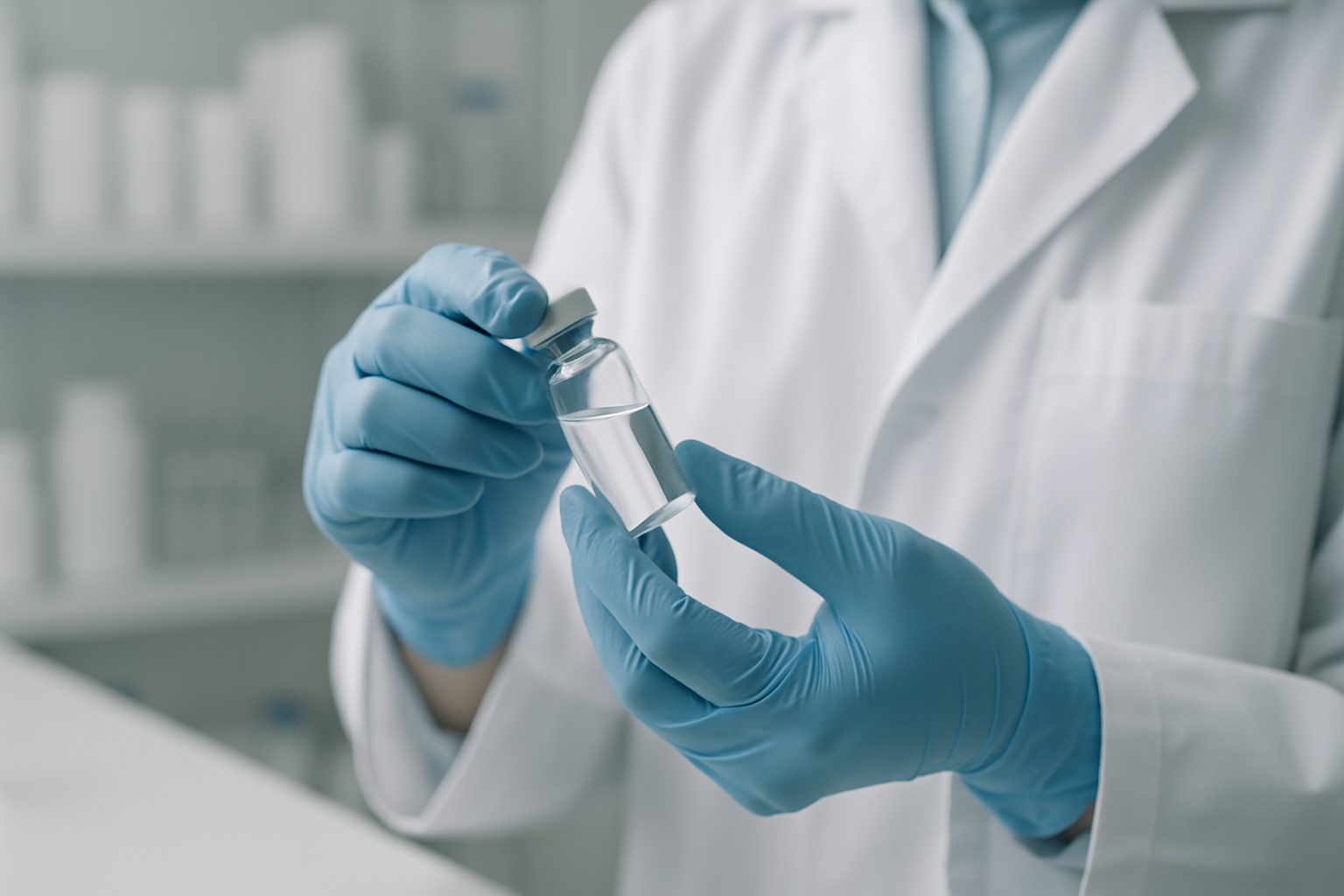
Compounded tirzepatide vials should be refrigerated between 36-46°F (2-8°C) until first use. After opening, most compounded preparations are stable at refrigerated temperatures for 28-56 days depending on the pharmacy’s beyond-use date (BUD). Some preparations tolerate room temperature (up to 77°F / 25°C) for limited windows, but the safest default is to refrigerate.
The compounding pharmacy assigns the beyond-use date based on USP 797 sterility standards. This is shorter than brand tirzepatide’s labeled stability because compounded preparations don’t carry the same preservatives or pharmaceutical-grade stability testing. Always read the label that comes with your specific vial.
This guide covers home storage, travel, what to do if the medication gets warm, and basic handling.
At TrimRx, we believe that understanding your options is the first step toward a more manageable health journey. You can take the free assessment quiz if you’re ready to see whether a personalized program is a fit for you.
How Should I Store My Vial at Home?
Keep the vial in the main body of the refrigerator, not the door. Door storage exposes the vial to temperature swings each time the fridge opens. The middle shelf, toward the back, is most temperature-stable.
Quick Answer: Refrigerate vials between 36-46°F until and after opening
Don’t store near the back wall where freezing can occur if the unit is set too cold. A few hours of freezing destroys the peptide structure and renders the medication ineffective even after it thaws.
Keep the vial in its original carton or a small opaque container. Light exposure isn’t a primary stability issue for tirzepatide but darker storage adds margin. The carton also helps identify the vial in a busy fridge and reduces accidental discard risk.
What’s the Beyond-use Date and Why Does It Matter?
The beyond-use date (BUD) is the latest date a compounded preparation can be used. It’s assigned by the compounding pharmacy based on the specific formulation, sterility, and stability data. Common BUDs for compounded tirzepatide are 28, 45, or 56 days from compounding.
After the BUD, the preparation should not be used. Potency may have dropped or microbial contamination risk may have increased, depending on the formulation. Throw out unused medication after the BUD and order refills before the current vial expires.
The BUD is different from a manufacturer expiration date on brand medications, which is typically 24 months or longer. Compounded preparations have shorter BUDs because they lack the preservatives and stability testing of FDA-approved drugs.
Can Tirzepatide Be Left at Room Temperature?
Brief room-temperature exposure is generally fine. Most compounded preparations tolerate up to 21-30 days at controlled room temperature (up to 77°F / 25°C) if the pharmacy specifies, though refrigeration is the default.
For shipping, telehealth pharmacies pack vials with cold packs and insulation rated for 48-72 hours in transit. If a shipment is delayed and the cold pack thaws, the medication usually remains safe but check with the pharmacy before using.
Heat above 86°F (30°C) for extended periods can degrade the peptide. Leaving a vial in a hot car in summer for several hours is a real risk. If exposed to high heat, contact the pharmacy before continuing to use the vial.
How Do I Travel with Tirzepatide?
For domestic flights, pack the vial and syringes in your carry-on, not checked luggage. Cargo hold temperatures can drop below freezing on long flights. TSA allows medication and unused syringes through security; declare them at the checkpoint if asked.
Use an insulated medication travel case with small ice packs for trips longer than a few hours. Brands like FRIO use evaporative cooling and don’t need refrigeration. Gel ice packs in an insulated lunch bag also work for shorter trips.
For international travel, carry a copy of your prescription and a letter from your prescriber. Some countries restrict GLP-1 imports. Check destination rules before traveling. Most US carriers allow injectable medications without special permits, but customs declarations vary.
What If My Medication Accidentally Freezes?
Discard the vial. Once tirzepatide freezes, peptide structure can be permanently damaged even if it looks normal after thawing. Visible cloudiness, particulates, or color change after a freeze event are signs of denaturation, but absence of these signs doesn’t guarantee the medication is intact.
Contact your prescriber and pharmacy to arrange a replacement. Many pharmacies replace medication damaged in transit at no extra cost. For at-home freezing accidents, replacement is usually at patient cost.
Key Takeaway: Brief temperature excursions up to 77°F are usually tolerated
How Do I Read What’s in My Vial?
Compounded tirzepatide is typically supplied in multi-dose vials at concentrations of 10 mg/mL or 20 mg/mL. The label should specify the concentration, volume, lot number, beyond-use date, and compounding pharmacy.
Volume is usually 1 mL, 2 mL, or 2.5 mL, providing 4-13 weekly doses depending on the maintenance level. The pharmacy provides dosing instructions in units on a U-100 insulin syringe. A 10 mg/mL preparation gives 2.5 mg in 25 units, 5 mg in 50 units, and so on. A 20 mg/mL preparation would give 5 mg in 25 units, etc.
Confirm the concentration and your dose on the label match what your prescription says before drawing each weekly injection.
What Injection Supplies Do I Need?
For each weekly injection:
- One U-100 insulin syringe with 31g or smaller needle (1 mL syringe works for most doses; some larger volumes may need 1.5 mL syringes)
- An alcohol pad for the vial top and skin
- A sharps container for safe needle disposal
Don’t reuse syringes. Reuse increases infection risk and dulls the needle, making injections more painful.
Sharps containers are required by most municipalities for needle disposal. Pharmacy waste disposal services or specialized sharps mailback programs (like Sharps Compliance) handle disposal once full. Don’t throw loose needles in household trash.
What Does Proper Injection Technique Look Like?
- Wash hands with soap and water.
- Wipe the rubber top of the vial with an alcohol pad, let it air dry.
- Draw your prescribed dose into the syringe. Tap to remove air bubbles, push them back into the vial.
- Pick an injection site (abdomen, thigh, or upper arm) and rotate from the previous week’s site.
- Wipe skin with alcohol, let it dry completely.
- Pinch a fold of skin and insert the needle at a 45-90 degree angle.
- Push the plunger steadily for 2-3 seconds.
- Pull the needle out and apply gentle pressure with the alcohol pad. Don’t rub.
- Dispose of the syringe in a sharps container immediately.
The whole process takes about 90 seconds once practiced.
What About Returning to Refrigeration After Sitting Out?
If you take the vial out to inject and put it back within 30 minutes, refrigerate normally. The medication has not warmed enough to affect stability.
If a vial has been out for several hours but not above 77°F, return it to the fridge. Note the time of room temperature exposure. Cumulative room-temperature time should generally not exceed 21-30 days for most compounded preparations, but check your pharmacy’s specific guidance.
If the vial has been at warm temperatures (above 77°F) for hours, contact the pharmacy to confirm if it’s still safe to use.
Bottom line: Use a fresh sterile syringe and needle for each injection
FAQ
How Long Is Compounded Tirzepatide Good for Once I Open It?
Most compounded preparations are stable for 28-56 days from compounding, refrigerated. Check the beyond-use date on your specific vial label.
Can I Use a Vial After the Beyond-use Date If It Looks Fine?
No. The BUD reflects sterility and potency margins, and using past it is not recommended. Discard and refill.
What If My Pharmacy Ships Through Summer Heat?
Reputable telehealth pharmacies use insulated cold-pack packaging rated for the route and season. If shipping is delayed or cold packs are warm on arrival, contact the pharmacy. Most replace heat-exposed shipments.
Is the Medication Still Good If It Looks Cloudy or Has Particles?
No. Discard cloudy, discolored, or particle-containing vials. Compounded tirzepatide should be clear and colorless.
Can I Use Someone Else’s Vial?
No. Each prescription is individualized, and BUD timing, dose, and concentration may differ. Sharing also violates pharmacy and prescription regulations.
What About Reusing Alcohol Pads or Single-use Supplies?
No. Use a fresh alcohol pad and a fresh syringe every time. Reuse increases infection risk.
Where Can I Get Sharps Containers?
Pharmacies sell them for $5-$15. Online retailers carry them. Some municipalities offer free sharps disposal at community health centers. TrimRx provides supplies, including a sharps container, as part of the personalized treatment plan.
Disclaimer: This content is for informational purposes only and does not constitute medical advice. It is not intended to diagnose, treat, cure, or prevent any disease or condition. Individual results may vary. Always consult a qualified healthcare professional before starting any weight loss program or medication.
Related Articles

Transforming Lives, One Step at a Time
Keep reading
Starting Tirzepatide While on the Pill: The First Four Weeks
You have your first box and you take an oral contraceptive. There is a labeled instruction that applies to you, and the mistake almost…
Marathon Training on Tirzepatide When You Can’t Fuel
You have a plan on the fridge and a medication that has made eating feel optional. Those two things are in genuine conflict, and…
Paying Cash for Tirzepatide? Don’t Stretch Your Supply
When every vial comes out of your own pocket, the arithmetic is hard to ignore. If a month’s supply costs what it costs, and…


