Can You Take Creatine with Zepbound? What You Need to Know
Introduction
Starting a weight loss journey often feels like a balancing act between making sure you are losing fat while also keeping your energy levels up. If you have been prescribed a GLP-1 medication like Zepbound®, you might be looking at your supplement cabinet and wondering which ones are safe to continue. A very common question that arises for those focusing on fitness and body composition is whether you can take creatine while using this medication.
At TrimRx, we understand that achieving a healthier weight is about more than just a number on the scale; it is about feeling strong and capable in your body. This article covers the safety of combining creatine with Zepbound®, the potential benefits for muscle preservation, and the specific hydration needs you must keep in mind. Taking creatine with Zepbound® is generally considered safe and may offer significant benefits for maintaining lean muscle mass during your weight loss journey. If you are exploring prescription support, you can complete a free eligibility assessment.
How Creatine and Zepbound Work in Your Body
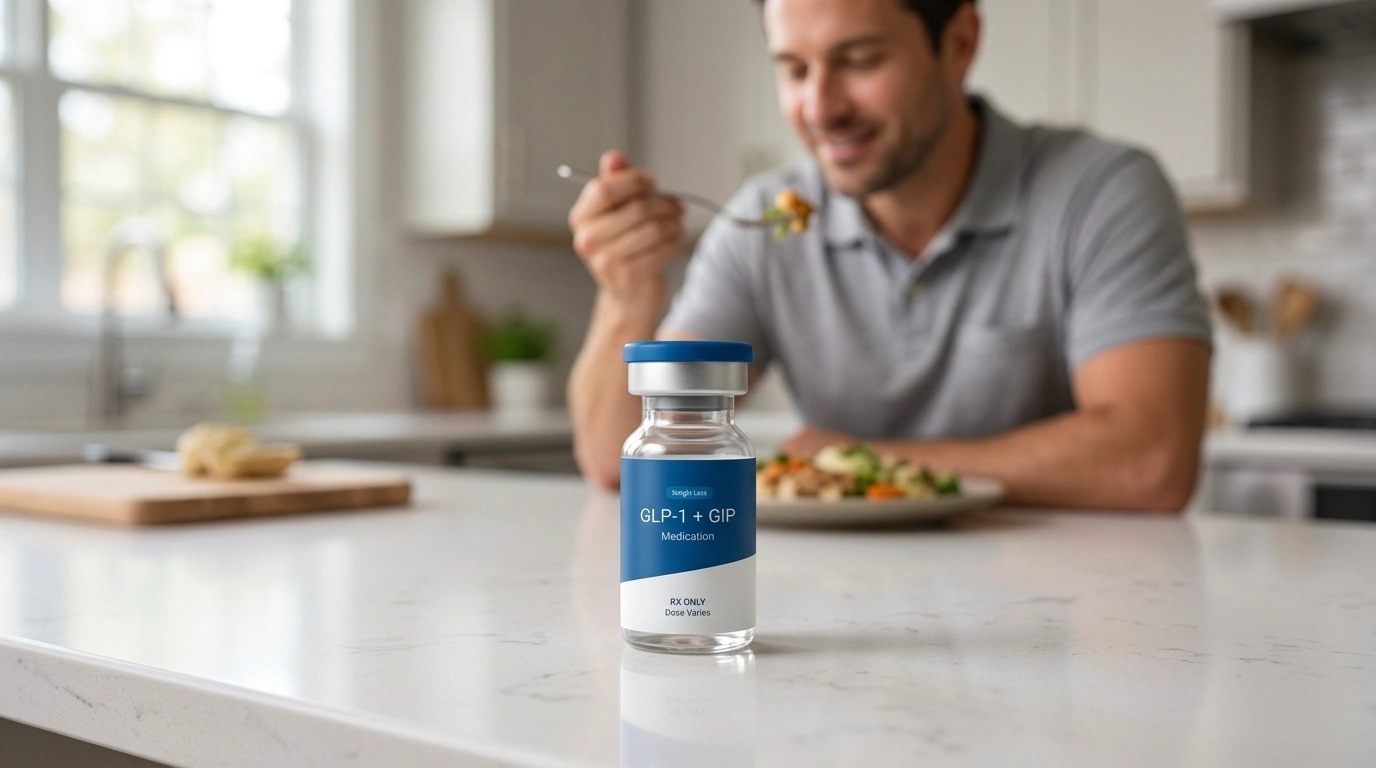
To understand how these two substances interact, it helps to look at what they actually do inside your system. Zepbound® is a branded medication that contains tirzepatide, a dual-acting receptor agonist. It works by mimicking two hormones in your body: glucagon-like peptide-1 (GLP-1) and glucose-dependent insulinotropic polypeptide (GIP). These hormones help regulate your appetite, slow down how quickly your stomach empties, and manage your blood sugar levels.
Creatine, on the other hand, is a naturally occurring compound that your body makes from amino acids. It is primarily stored in your skeletal muscles. Its main job is to help produce adenosine triphosphate, or ATP. Think of ATP as the primary “energy currency” for your cells. When you do something intense, like lifting a heavy box or sprinting, your muscles use ATP for power. Creatine helps your body “recharge” that energy quickly. For additional context, review this guide to creatine and tirzepatide.
Is There a Direct Interaction?
Current clinical research and pharmacological data suggest there is no known direct interaction between creatine and tirzepatide. Because they are processed by the body through different pathways, they do not “bump into” each other in a way that causes a negative chemical reaction.
Zepbound® is a peptide medication that is eventually broken down into amino acids. Creatine is a nitrogenous organic acid that functions within the muscle energy system. There is no evidence to suggest that creatine makes the medication less effective, nor does the medication prevent the creatine from doing its job in your muscles.
Key Takeaway: Creatine and Zepbound® operate on different biological pathways, meaning there is no documented pharmacokinetic interaction that would prevent you from using them together.
The Importance of Muscle Preservation
One of the most significant challenges during rapid weight loss is the loss of lean muscle mass. When your body is in a significant calorie deficit, it does not just burn fat for energy; it may also break down muscle tissue. Clinical trials for GLP-1 and GIP medications have shown that a portion of the weight lost—sometimes as much as 25% to 40%—can come from lean mass. You can learn more in this overview of skeletal muscle and metabolic health.
Losing too much muscle can lead to a slower metabolism, decreased strength, and a higher risk of regaining weight later. This is where creatine becomes a valuable tool. Creatine is one of the most researched supplements in the world for its ability to support muscle health.
When you take creatine, you provide your muscles with more energy to perform during workouts. This allows you to maintain higher intensity in your resistance training even while you are eating fewer calories. That physical stimulus is the most effective way to signal to your body that it should keep its muscle and focus on burning fat instead. For more strategies, see this guide to preventing muscle loss during GLP-1 treatment.
Why Muscle Retention Matters for Metabolism
Your muscle tissue is “metabolically active,” which means it burns more calories at rest than fat tissue does. By using creatine to help preserve your muscle, you are essentially protecting your metabolic rate. This can make the weight loss process more sustainable in the long run. We believe in a personalized approach to weight loss that prioritizes overall health, not just a quick drop in scale weight.
Managing Hydration and Fluid Balance
If there is one area where you need to be cautious when combining these two, it is hydration. Both creatine and GLP-1 medications affect how your body handles water, but in different ways. Understanding this balance is essential for avoiding common side effects. This GLP-1 muscle preservation guide also explains why hydration matters during treatment.
The Role of Creatine in Water Retention
Creatine has an “osmotic effect,” meaning it draws water into your muscle cells. This is actually a good thing for muscle growth and recovery, but it means your body requires a higher total amount of water than usual. You might notice the scale stay the same or even go up a pound or two when you first start creatine; this is typically just water moving into your muscles, not fat gain.
The Risk of Dehydration on Zepbound
Zepbound® and similar medications can sometimes cause gastrointestinal side effects, such as nausea, vomiting, or diarrhea. These symptoms can lead to rapid fluid loss. Additionally, many people find that their thirst cues diminish while on these medications, making it easy to forget to drink enough water throughout the day.
When you combine the increased water demand of creatine with the potential fluid loss or reduced intake from your medication, the risk of dehydration increases. Dehydration can lead to dizziness, fatigue, and even kidney strain if left unmanaged.
Actionable Steps for Hydration:
- Aim for at least 2 to 3 liters of water per day as a baseline.
- Increase your fluid intake on days you exercise or if the weather is hot.
- Monitor the color of your urine; a pale yellow color usually indicates you are well-hydrated.
- Consider adding electrolytes to your water if you are experiencing significant GI side effects.
Note: If you experience persistent vomiting or diarrhea while on your medication, it is best to pause your creatine supplement and focus on rehydration until your symptoms resolve. Always consult a healthcare provider if side effects become severe.
Creatine, Blood Sugar, and Digestive Health
Many people using GLP-1 medications are also managing their blood sugar levels. A common concern is whether creatine will interfere with glucose management. Research indicates that creatine does not meaningfully alter fasting blood sugar or insulin sensitivity in a way that would conflict with your treatment plan. In fact, some small studies suggest that creatine might actually help with glucose uptake into the muscles during exercise, which can be a positive secondary benefit.
Avoiding GI Upset
Both creatine and GLP-1 medications can occasionally cause digestive discomfort. To minimize the risk of bloating or stomach cramps, consider how you start your creatine regimen. Many athletes use a “loading phase,” where they take 20 grams of creatine a day for a week. However, this high dose is more likely to cause stomach upset.
For those on a weight loss program, skipping the loading phase and simply taking a maintenance dose of 3 to 5 grams per day is often the better approach. It may take a few weeks longer for your muscles to reach full saturation, but it is much gentler on your digestive system.
Practical Tips for Starting the Program
If you are interested in incorporating creatine into your routine while on a personalized weight loss program, follow these practical steps to ensure success. Our goal is to make the process as straightforward as possible for you.
- Step 1: Choose the Right Form. Look for “creatine monohydrate.” It is the most studied, most effective, and generally the most affordable form of the supplement.
- Step 2: Start Small. Skip the high-dose loading phase. A consistent daily dose of 3 to 5 grams is sufficient for almost everyone.
- Step 3: Timing Doesn’t Matter. You do not need to take creatine at the same time as your medication or even at a specific time relative to your workout. The most important factor is taking it every day to keep your muscle stores full.
- Step 4: Combine with Protein. Ensure you are getting enough protein in your diet. Creatine helps with the energy for the workout, but your body needs protein to actually repair and maintain the muscle tissue.
- Step 5: Prioritize Resistance Training. Creatine works best when you are actually using your muscles. Even two or three days a week of strength training can make a massive difference in your body composition. This GLP-1 weight loss habits guide covers the role of consistent resistance training.
Who Should Exercise Caution?
While creatine is generally safe for the vast majority of people, there are certain individuals who should talk to their doctor before starting it. This is especially true when you are already taking a powerful medication like Zepbound®.
Individuals with a history of kidney disease or impaired renal function should be closely monitored by a healthcare professional if they choose to use creatine. Because Zepbound® can cause dehydration—which also stresses the kidneys—it is vital to ensure your kidney function is healthy before adding new supplements to your routine.
Additionally, if you are an older adult, you may be more susceptible to muscle loss and dehydration. Creatine can be incredibly beneficial for preserving strength as you age, but it must be balanced with careful attention to fluid intake.
The Role of Personalized Support
At TrimRx, we believe that medication is just one part of a successful weight loss journey. While medications like Zepbound® are highly effective tools, they work best when supported by a comprehensive lifestyle plan. This includes proper nutrition, strategic supplementation like creatine when appropriate, and regular physical activity.
Our platform connects you with licensed providers who can help tailor a program to your specific needs. This personalized approach ensures that you are not just losing weight, but improving your overall metabolic health and physical function. Whether you are using compounded medications shipped from FDA-registered pharmacies or managing branded prescriptions, having a dedicated team of specialists can make the process feel much more manageable.
Understanding the Difference in Medications
It is important to clarify the options available for those looking for medical support. Zepbound®, Wegovy®, Ozempic®, and Mounjaro® are all branded medications approved by the FDA for specific uses like weight management or type 2 diabetes. These are not manufactured or sold directly by us; rather, we provide a platform where you can be evaluated by a doctor who may prescribe these or other appropriate treatments.
For many, compounded versions of these medications—such as compounded semaglutide or compounded tirzepatide—offer an accessible alternative. These are prepared by licensed, FDA-inspected compounding pharmacies. While compounded medications themselves are not “FDA-approved” in the same way branded drugs are, they are a common and legal part of medical practice, especially during times of national medication shortages.
Regardless of which path you and your provider choose, the foundational principles of muscle preservation, hydration, and nutrition remain the same.
The Future of Your Weight Loss Journey
As you move forward, remember that the “best” supplement or medication is the one that you can use consistently and safely. Creatine is a low-cost, high-reward addition for many people on their weight loss journey. By supporting your muscles, you are investing in your future strength and metabolic health.
Bottom Line: Taking creatine with Zepbound® is an evidence-based strategy to help protect your lean muscle mass. As long as you prioritize hydration and choose a high-quality creatine monohydrate, it can be a valuable part of your weight loss toolkit.
Conclusion
Combining creatine with Zepbound® is a smart way to address the common concern of muscle loss during rapid weight reduction. By providing your muscles with the energy they need to perform, creatine helps ensure that the weight you lose is primarily fat. Just remember to stay on top of your water intake and choose a gentle dosing schedule to avoid GI upset.
We are committed to helping you navigate the complexities of modern weight loss with science and empathy. Our mission is to provide you with the tools, medication access, and expert guidance needed for sustainable change. If you are ready to take the next step toward a healthier version of yourself, your journey can begin today.
To see if a personalized weight loss program is right for you, we invite you to take our free assessment quiz. It is the first step toward a treatment plan tailored specifically to your health profile and goals.
FAQ
Does creatine cause weight gain while taking Zepbound?
You might notice a small, temporary increase in weight when you first start taking creatine. This is not fat; it is simply water being drawn into your muscle cells to help them function better. Over time, this helps you build or maintain muscle, which can actually help with fat loss in the long run.
Can creatine cause kidney problems if I am on a GLP-1?
For people with healthy kidneys, creatine is generally safe and does not cause damage. However, because medications like Zepbound® can cause dehydration, and dehydration is hard on the kidneys, it is vital to drink plenty of water. If you have pre-existing kidney issues, you should always talk to your doctor before starting creatine.
How much creatine should I take while on Zepbound?
For most individuals, a daily dose of 3 to 5 grams of creatine monohydrate is ideal. You do not need to do a “loading phase” of high doses, which can sometimes cause the same stomach upset that GLP-1 medications might trigger. Consistency is more important than a high initial dose.
Should I take creatine if I’m not lifting weights?
Creatine is most effective when combined with resistance training, as it helps your muscles recover and perform better under stress. However, even for those who are just walking or staying moderately active, it may still offer some benefits for muscle preservation and cognitive health during weight loss.
Disclaimer: This content is for informational purposes only and does not constitute medical advice. It is not intended to diagnose, treat, cure, or prevent any disease or condition. Individual results may vary. Always consult a qualified healthcare professional before starting any weight loss program or medication.

Transforming Lives, One Step at a Time
Keep reading

Why Is There a Bruise Where I Injected My Zepbound?
A bruise means a small blood vessel was disturbed under the skin and blood spread into the surrounding tissue. It is one of the…
My Zepbound Pen Won’t Click Past a Certain Dose
Start by checking which device you are holding, because the answer depends entirely on that. Zepbound has commonly been supplied in the United States…
Zepbound Alternatives: Your Options Compared
If Zepbound isn’t the right fit, the main alternative is semaglutide (sold as Wegovy), which produces slightly less weight loss but works similarly, along…


