Decoding Ozempic: What is a Therapeutic Dose for Effective Management?

Introduction
Imagine a world where managing chronic conditions like type 2 diabetes and navigating the complexities of weight loss feels less like a constant battle and more like a supported journey toward health. For many, this vision is becoming a reality with the advent of innovative medications, among them Ozempic. This powerful tool has reshaped how we approach long-term health, but understanding its optimal use—specifically, what is a therapeutic dose of Ozempic—is paramount for achieving safe and effective outcomes. It’s not merely about taking a medication; it’s about engaging with a carefully calibrated treatment strategy designed for individual needs.
The emergence of GLP-1 receptor agonists, like the semaglutide found in Ozempic, marks a significant advancement in metabolic health. These medications work by mimicking a natural hormone, influencing not only blood sugar regulation but also satiety and gastric emptying, thereby offering multifaceted benefits. As a leading provider of clinically proven, personalized weight loss solutions, our journey at TrimRx began with a shared vision to help individuals embrace healthier lifestyles. We merge cutting-edge telehealth innovations with effective weight loss solutions, creating a user-friendly and supportive platform where personalized, medically supervised care is accessible to all.
This post aims to demystify the concept of a “therapeutic dose” for Ozempic, delving into its active ingredient, diverse applications, and the meticulous process of dose escalation. We will explore how these doses are determined for various health objectives, from managing type 2 diabetes and reducing cardiovascular risks to supporting weight management. You will gain a clear understanding of the administration process, critical factors influencing treatment, and how our empathetic, innovative, and trustworthy approach at TrimRx supports every step of your unique health journey. We believe that sustainable weight loss should be achieved through science, empathy, and a transparent approach. By the end of this comprehensive guide, you’ll have a deeper appreciation for the nuanced science behind Ozempic and how a personalized strategy can lead to profound, lasting change.
Understanding Ozempic: The Foundation of Therapeutic Dosing
Before delving into specific dosages, it’s essential to grasp the fundamental nature of Ozempic and its mechanism of action. This understanding forms the bedrock upon which effective therapeutic dosing strategies are built.
What is Ozempic?
Ozempic is a brand-name prescription medication that contains the active ingredient semaglutide. It belongs to a class of drugs known as GLP-1 (Glucagon-Like Peptide-1) receptor agonists. GLP-1 is a natural hormone produced in the intestine that plays a crucial role in regulating blood sugar and appetite. When you eat, GLP-1 is released, stimulating insulin secretion from the pancreas, suppressing glucagon release (a hormone that raises blood sugar), and slowing gastric emptying.
Semaglutide, by mimicking this natural GLP-1 hormone, amplifies these effects. This means it helps your body lower blood sugar when it’s high, makes you feel fuller sooner, and slows down the movement of food through your stomach. These combined actions contribute significantly to its therapeutic benefits in managing blood sugar and supporting weight reduction.
FDA-Approved Indications
Ozempic has received FDA approval for several important therapeutic uses, reflecting its broad impact on metabolic health:
- Regulating Blood Sugar Levels in Adults with Type 2 Diabetes: As part of a treatment plan that includes a healthy diet and exercise, Ozempic helps to improve glycemic control by enhancing insulin secretion, reducing glucagon, and slowing digestion.
- Reducing the Risk of Major Adverse Cardiovascular Events (MACE): For adults with type 2 diabetes and established cardiovascular disease, Ozempic is approved to reduce the risk of serious heart-related problems such as heart attack and stroke. This benefit underscores its importance beyond just blood sugar management.
- Reducing the Risk of Worsening Kidney Disease: Ozempic also helps to reduce the risk of worsening kidney disease and death from cardiovascular disease in adults with type 2 diabetes and chronic kidney disease. This is a critical development for a patient population often facing multiple health challenges.
It is important to note that while Ozempic often leads to significant weight loss due to its effects on appetite and satiety, it is not FDA-approved solely for weight loss. However, its active ingredient, semaglutide, is available under a different brand name (Wegovy®) which is approved for chronic weight management. Our commitment at TrimRx is to provide medically supervised care, and we offer various semaglutide and tirzepatide options, including Ozempic® and Wegovy®, as part of our personalized weight loss programs. To see if you qualify for these prescription medications, we encourage you to take our free assessment quiz today.
Deciphering the Therapeutic Dose: A Personalized Journey
Understanding what is a therapeutic dose of Ozempic requires more than just knowing a number; it involves appreciating the science behind individualizing treatment. The concept revolves around finding the precise amount of medication that delivers the desired clinical outcomes while minimizing potential side effects.
The Concept of a Therapeutic Dose
A therapeutic dose refers to the specific amount of a medication that produces the intended beneficial effect in a patient. For Ozempic, this could mean effectively lowering blood sugar, reducing cardiovascular risk, or supporting weight loss. However, what constitutes a therapeutic dose is rarely a fixed value. It’s a dynamic target that varies from person to person due to a multitude of factors, including individual physiology, the specific condition being treated, and how one’s body responds to the medication. This individual variability underscores why a “one-size-fits-all” approach to medication is often ineffective and potentially unsafe.
At TrimRx, our empathetic and personalized approach recognizes this fundamental truth. We understand that each individual’s journey is unique, which is why our programs are designed to offer tailored solutions that combine advanced medical science with modern technology. We believe in providing compassionate care that respects your body’s specific needs and responses.
Starting Doses: Titration for Tolerance
The journey to an effective therapeutic dose with Ozempic begins with a cautious and carefully managed titration process. This involves starting with a very low dose and gradually increasing it over several weeks.
- The Initial Dose (0.25 mg once weekly): For most individuals, treatment with Ozempic commences with a starting dose of 0.25 mg injected once per week. This initial dose is typically maintained for four weeks.
- Purpose of the Starting Dose: It’s crucial to understand that this starting dose is generally not intended to be therapeutically effective for blood sugar control or significant weight loss immediately. Its primary purpose is to allow your body to gradually adjust to the medication. Semaglutide, like other GLP-1 receptor agonists, can cause gastrointestinal side effects such as nausea, vomiting, and diarrhea, especially when first introduced or if the dose is increased too quickly. Starting low helps mitigate these side effects, enhancing tolerability and adherence to the treatment plan.
This careful introduction reflects our commitment to safety and comfort at TrimRx. We prioritize ensuring that your body has ample time to adapt, making your treatment journey as smooth as possible.
Gradual Escalation: Finding Your Optimal Dose
After the initial four-week period, and assuming the medication is well-tolerated, the dose of Ozempic is gradually increased. This systematic escalation, known as titration, is critical for finding the lowest effective dose that achieves the desired therapeutic outcomes while maintaining good tolerability.
- Step-Up Dosing:
- After 4 weeks: The dose is typically increased to 0.5 mg once weekly. This is often the first dose where many individuals start to experience more noticeable therapeutic effects, particularly in blood sugar regulation.
- Further Increases (if needed): If additional glycemic control or other therapeutic benefits are required after at least four weeks on the 0.5 mg dose, your healthcare provider may further increase the dose to 1 mg once weekly.
- Maximum Dose: The maximum recommended dose for Ozempic is 2 mg once weekly. This higher dose may be considered if lower doses do not adequately achieve the treatment goals after at least four weeks on the 1 mg dose.
The pace and extent of dose escalation are always determined by your prescribing doctor, who monitors your blood sugar levels, weight changes, and side effects. The goal is always to find the smallest dose that provides the desired therapeutic effect. Our personalized approach at TrimRx means that your treatment plan, including dose adjustments for medications like Ozempic, is carefully considered and tailored to your unique progress and health profile. We offer compassionate care that respects every individual’s unique journey, combining advanced medical science with modern technology to provide solutions that are truly individualized.
Therapeutic Doses for Specific Conditions
The concept of a therapeutic dose of Ozempic is not monolithic; it varies depending on the specific health condition being addressed and the individual’s response. Understanding these nuances is key to optimizing treatment outcomes.
For Type 2 Diabetes Management and Cardiovascular Risk Reduction
For individuals primarily using Ozempic to regulate blood sugar levels as part of their type 2 diabetes management plan, and potentially to reduce cardiovascular risks, the dosing schedule follows a well-defined titration process. The objective is to achieve optimal glycemic control with the lowest effective dose.
- Starting Dose: Treatment typically begins with 0.25 mg once weekly for four weeks. This initial phase is crucial for acclimating the body and minimizing gastrointestinal side effects.
- Intermediate Dose: After four weeks, the dose is generally increased to 0.5 mg once weekly. Many individuals will find this dose effective for blood sugar control.
- Maintenance Doses: If further blood sugar reduction is needed after at least four weeks on the 0.5 mg dose, the dose may be increased to 1 mg once weekly. Should more intensive control be necessary and the 1 mg dose is well-tolerated but insufficient, the dose can be escalated to the maximum of 2 mg once weekly.
The prescribing clinician will continuously assess your blood sugar levels, A1c, and overall response to determine the most appropriate maintenance dose, always aiming for the smallest dosage that provides the desired therapeutic effect.
For Chronic Kidney Disease Risk Reduction
Ozempic is also approved to reduce the risk of worsening kidney disease and death from cardiovascular disease in adults with type 2 diabetes and chronic kidney disease. While the titration schedule is similar, the recommended maintenance dose for this specific indication has a particular focus.
- Starting Dose: Identical to other indications, 0.25 mg once weekly for four weeks to initiate therapy and build tolerance.
- Intermediate Dose: Increased to 0.5 mg once weekly after four weeks.
- Recommended Maintenance Dose: For this specific indication, the recommended maintenance dose is 1 mg once weekly. While some individuals may be titrated to 2 mg for blood sugar control if needed, the 1 mg dose has been identified as the effective dose for the kidney and cardiovascular protective benefits.
It’s vital for individuals with kidney disease to discuss their condition with their healthcare provider, as monitoring kidney function will be an ongoing part of the treatment plan. While dose adjustments may not be solely based on kidney function in all cases, the importance of careful oversight remains paramount.
Off-Label Use for Weight Management
While Ozempic (semaglutide) is renowned for its significant impact on weight loss, it is important to reiterate that Ozempic® is not FDA-approved solely for weight management. Its active ingredient, semaglutide, is available in a higher dose formulation (Wegovy®) which is approved for chronic weight management in adults with obesity or overweight with at least one weight-related comorbidity.
However, when Ozempic is prescribed for its FDA-approved indications in type 2 diabetes, individuals often experience substantial weight loss as a beneficial secondary effect. The mechanism of action, which includes slowing gastric emptying and promoting a feeling of fullness, naturally contributes to reduced caloric intake. Studies have indicated that individuals using semaglutide can achieve a significant reduction in body weight, often ranging from 5-15% of total body weight, depending on the dose and individual factors. This makes it a highly sought-after component in comprehensive weight management strategies.
At TrimRx, we recognize the transformative potential of medications like semaglutide and tirzepatide for weight management. Our programs are designed to provide access to both branded medications like Ozempic® and Wegovy®, as well as compounded semaglutide and tirzepatide, all provided through FDA-registered, inspected, and approved pharmacies. We emphasize a personalized, medically supervised approach to help you achieve your weight loss goals safely and effectively. To explore if our personalized assessment can connect you with a tailored treatment plan, we invite you to take our free assessment quiz.
For immediate support on your journey, we also offer quick-access supplements like our GLP-1 Daily Support and Weight Loss Boost, available for purchase without a quiz.
The Practicalities of Ozempic Administration
Understanding what is a therapeutic dose of Ozempic extends beyond just the milligrams; it encompasses the practical aspects of how the medication is administered. Proper technique, adherence to schedule, and safe handling are crucial for efficacy and safety.
Injection Pen and Strengths
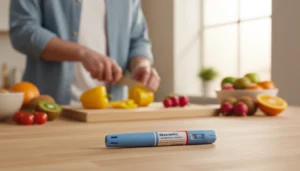
Ozempic is administered as a liquid solution via a prefilled, disposable injection pen. These pens are designed for ease of use, delivering a precise weekly dose. The pens come in different strengths, designed to accommodate the titration schedule:
- 0.25 mg or 0.5 mg pen (2 mg/3 mL solution): This pen typically contains enough medication to deliver four 0.25 mg doses to start, followed by two 0.5 mg doses, or four 0.5 mg maintenance doses.
- 1 mg pen (4 mg/3 mL solution): This pen is designed to deliver four 1 mg maintenance doses.
- 2 mg pen (8 mg/3 mL solution): This pen delivers four 2 mg maintenance doses, representing the highest approved weekly dose.
Each pen is clearly labeled, and your prescribing doctor will specify which pen and dose you should use. Our commitment to transparent service at TrimRx ensures that you receive clear instructions and the right medication for your personalized plan, shipped directly from our FDA-registered and inspected pharmacy partners.
Dosing Schedule and Consistency
Consistency is paramount when using Ozempic to ensure stable medication levels in your body and optimal therapeutic effects.
- Once-Weekly Injections: Ozempic is intended for once-weekly administration.
- Choosing Your Day: You can inject Ozempic on any day of the week, at any time of day, with or without meals. The key is to choose a specific day and time that fits seamlessly into your routine and stick to it each week. For example, if you choose Monday morning, aim for every Monday morning.
- Tips for Consistency: Setting a weekly reminder on your phone, using a medication tracker app, or incorporating the injection into an existing weekly routine (like a specific chore or activity) can help you stay on track.
Maintaining a consistent schedule helps maximize the benefits of the medication and supports your progress toward your health goals.
Injection Sites and Technique
Correct injection technique and site rotation are essential to ensure proper absorption and minimize skin irritation.
- Recommended Injection Sites: The best sites for subcutaneous (under the skin) injection are:
- Abdomen: Often provides the fastest absorption due to rich blood supply.
- Thigh: Offers steady absorption, similar to the upper arm.
- Upper Arm: Another reliable option, especially useful if you have someone else administer the injection.
- Rotation of Sites: Always rotate your injection site with each dose. If you choose to inject in the same general area (e.g., the abdomen), make sure to select a slightly different spot each time. Avoid injecting into moles, scars, broken skin, or areas that are tender, bruised, or hard.
- Basic Steps for Injection: (These are general steps; always refer to your specific pen’s instructions for use and your healthcare provider’s demonstration.)
- Prepare: Wash your hands. Check the pen label to ensure it’s the correct medication and the solution is clear.
- Attach a New Needle: Always use a new needle for each injection to prevent contamination, infection, and blocked needles. Remove the paper tab, push, and twist the needle onto the pen until tight. Remove both the outer and inner needle caps.
- Check Flow (New Pen Only): For a new pen, perform a “flow check” to ensure the needle is not blocked. Turn the dose selector to the flow check symbol, press and hold the dose button until 0 appears in the dose counter. A drop should appear at the needle tip.
- Select Dose: Turn the dose selector to your prescribed dose (e.g., 0.5 mg, 1 mg, 2 mg).
- Inject: Clean the skin at the injection site with an alcohol swab. Insert the needle into the skin. Press and hold the dose button until the dose counter shows 0. Keep the button pressed and count slowly to 6 before removing the needle from the skin. This ensures the full dose is delivered.
- Dispose: Carefully remove the needle and immediately dispose of it in an FDA-approved sharps container or a sturdy plastic container, as per local regulations. Never recap the needle.
We understand that injections can feel daunting, which is why our comprehensive service includes doctor consultations to guide you through the process, ensuring you feel confident and safe.
What to Do if a Dose is Missed
Accidentally missing a dose of Ozempic can happen, but it’s important to know how to respond correctly.
- If Less Than 5 Days Have Passed: If you remember your missed dose within five days (120 hours) of your regularly scheduled injection day, you can take the missed dose as soon as you remember. Then, resume your normal once-weekly schedule.
- If More Than 5 Days Have Passed: If more than five days have elapsed since your last scheduled dose, skip the missed dose. Do not take a double dose to compensate. Instead, simply take your next scheduled dose on your usual day.
Taking two doses at once can significantly increase the risk of side effects, including a severe drop in blood sugar (hypoglycemia), which can be dangerous given Ozempic’s long-acting nature. Our unlimited support team is always available to answer questions about your medication schedule and other concerns, providing peace of mind throughout your journey.
Beyond the Dose: Factors Influencing Your Ozempic Journey
While understanding what is a therapeutic dose of Ozempic is crucial, the effectiveness of your treatment extends beyond just the medication itself. Several individual factors and a holistic approach significantly influence your overall journey and outcomes.
Individual Health Profile
Your unique physiological makeup and existing health conditions play a vital role in how your body responds to Ozempic and may necessitate specific considerations for dosing and monitoring.
- Age and Weight: While not direct determinants for starting doses, older adults or individuals with certain weight characteristics may respond differently to the medication. Your prescribing doctor will consider these as part of your overall health profile.
- Existing Health Conditions: Conditions such as impaired kidney function, a history of pancreatitis, or diabetic retinopathy require careful consideration. For instance, while Ozempic does not typically require dose adjustments solely based on kidney function for most kidney disease patients, close monitoring is essential, particularly for those with pre-existing kidney conditions, as dehydration from gastrointestinal side effects could worsen kidney issues.
- Other Medications: Ozempic can interact with other drugs, especially those also designed to lower blood sugar (like insulin or sulfonylureas), potentially increasing the risk of hypoglycemia. It’s imperative to inform your doctor about all medications, supplements, and herbal remedies you are taking to avoid adverse interactions.
TrimRx’s personalized approach includes a thorough assessment of your health profile through our free assessment quiz, enabling us to recommend a treatment plan that is safe and optimized for you.
Monitoring and Adjustments
Your journey with Ozempic is dynamic, requiring continuous monitoring and potential adjustments to your therapeutic dose.
- Blood Sugar Monitoring: Regular monitoring of blood glucose levels is fundamental, particularly for individuals with type 2 diabetes. This helps your doctor assess the medication’s effectiveness and make informed decisions about dose adjustments.
- Side Effect Management: While titration helps, some individuals may still experience gastrointestinal side effects (nausea, vomiting, diarrhea). Reporting these to your doctor promptly is crucial, as adjustments in dose or supportive care may be necessary. For some, if rapid weight loss occurs, especially when combined with other diabetes medications, a drop in blood sugar levels may need to be addressed.
- Efficacy Assessment: Beyond blood sugar, your doctor will monitor other markers of health, such as A1c, weight changes, and overall well-being, to ensure the medication is providing the intended benefits.
Our results-oriented and supportive brand personality at TrimRx means we emphasize continuous monitoring and provide unlimited support, ensuring that your treatment plan remains responsive to your body’s needs and progresses towards your goals.
Importance of a Holistic Approach
Medication is a powerful tool, but it functions best within a comprehensive lifestyle framework.
- Diet and Exercise: These remain the cornerstones of effective diabetes management and weight loss. Ozempic can support these efforts by influencing appetite and satiety, making adherence to dietary changes more manageable.
- Lifestyle Changes and Support Systems: Sustainable health improvements often involve broader lifestyle modifications, including stress management, adequate sleep, and strong support networks.
- TrimRx Integration: At TrimRx, we believe in empowering individuals through a holistic approach. Our comprehensive service includes not just prescription medications (shipped from FDA-registered, inspected pharmacies) but also doctor consultations, lab work, unlimited support, and shipping with no hidden fees. We guide you through creating a sustainable, healthier lifestyle, ensuring your success is long-lasting. Whether through prescription programs that begin with our free assessment quiz or immediate support with our GLP-1 Daily Support and Weight Loss Boost supplements, we are dedicated to providing personalized care.
Storage and Safety
Proper handling and storage of your Ozempic pen are vital for maintaining its efficacy and ensuring your safety.
- Before Opening: New, unused Ozempic pens should be stored in the refrigerator (36°F to 46°F / 2°C to 8°C). Keep them away from the cooling element to prevent freezing.
- Once In Use: An in-use Ozempic pen can be stored either at room temperature (below 86°F / 30°C) or in the refrigerator (36°F to 46°F / 2°C to 8°C) for up to 56 days (8 weeks). After 56 days, even if there’s medication remaining, the pen should be discarded.
- Do Not Freeze: Never freeze Ozempic. If it has been frozen, do not use it, as freezing can compromise the medication’s integrity.
- Protection from Light and Heat: Always keep Ozempic pens protected from direct heat and light.
- Needle Disposal: Used needles should never be recapped. Immediately after use, dispose of needles and empty Ozempic pens in an FDA-approved sharps container or a heavy-duty plastic household container with a tight-fitting lid. Keep all medication and sharps out of reach of children and pets.
Adhering to these guidelines helps ensure that the medication you use is safe and effective throughout its intended lifespan.
TrimRx’s Commitment to Your Personalized Weight Loss Journey
At TrimRx, our journey began with a shared vision: to help individuals embrace healthier lifestyles by merging cutting-edge telehealth innovations with effective weight loss solutions. We understand that navigating the complexities of weight management and chronic conditions like type 2 diabetes requires more than just medication—it demands personalized, medically supervised care within a supportive and transparent framework.
Our platform is meticulously designed to be a user-friendly and encouraging space where you receive the individualized attention you deserve. We believe that sustainable weight loss and improved health should be achieved through science, empathy, and a transparent approach. This philosophy guides every aspect of our service, from your initial consultation to ongoing support.
Our brand personality is anchored in being empathetic, innovative, trustworthy, supportive, results-oriented, and profoundly personalized. We offer compassionate care that respects every individual’s unique journey, seamlessly combining advanced medical science with modern technology. We are committed to transparent service, meaning our approach remains consistent, regardless of any dosage changes that your prescribing doctor deems necessary. Safety is paramount, which is why we work exclusively with FDA-registered and inspected pharmacies for the shipping of all weight loss medications. It is important to remember that while we facilitate access to medications from these reputable pharmacies, your actual medical supervision and prescription are provided by a qualified healthcare professional who determines your personalized treatment plan.
We pride ourselves on offering a comprehensive service that includes essential elements for your success: thorough doctor consultations, necessary lab work, access to prescribed medication (such as Compounded Semaglutide, Oral Semaglutide, Ozempic®, Compounded Tirzepatide, Oral Tirzepatide, Mounjaro®, Zepbound®, and Wegovy®), unlimited support from our dedicated team, and convenient shipping—all with no hidden fees.
For those considering prescription weight loss medications, we invite you to take our free assessment quiz. This personalized assessment will help determine your eligibility and guide you toward a tailored treatment plan designed to meet your specific health goals.
Additionally, to support your overall wellness during your weight loss journey, we offer quick-access supplements that do not require a quiz. Our GLP-1 Daily Support and Weight Loss Boost are available for immediate purchase, providing additional tools to help you thrive. At TrimRx, we are dedicated to empowering you with safe, effective, and truly personalized solutions for a healthier, happier you.
Conclusion
Understanding what is a therapeutic dose of Ozempic is a cornerstone of effective weight management and diabetes control. It’s clear that the journey with this innovative medication is not a one-size-fits-all approach but rather a carefully managed, personalized process of titration and ongoing monitoring. From the initial low doses designed for tolerance to the gradual escalation to an optimal maintenance dose, every step is aimed at maximizing therapeutic benefits while minimizing side effects. Ozempic’s role extends beyond blood sugar regulation, offering significant advantages in cardiovascular risk reduction and supporting substantial weight loss, making it a powerful tool in modern healthcare.
The success of any medical treatment, including Ozempic, hinges on a deep understanding of its mechanisms, adherence to prescribed dosing schedules, and a commitment to a holistic health strategy. Factors such as individual health profiles, ongoing monitoring, and lifestyle adjustments all play critical roles in achieving sustainable results.
At TrimRx, we are more than just a provider; we are your dedicated partner in health. Our mission is to empower you with safe, effective, and truly personalized solutions, combining medical expertise with compassionate care. We offer a comprehensive suite of services, ensuring that your path to wellness is supported every step of the way. If you’re ready to explore how a personalized plan could transform your health journey, we encourage you to take our free assessment quiz today. Together, we can unlock your potential for a healthier, more vibrant future.
Frequently Asked Questions (FAQs)
What is the maximum dose of Ozempic?
The maximum recommended therapeutic dose for Ozempic is 2 mg once weekly. Your doctor will determine if this dose is appropriate for your individual treatment plan based on your response and tolerability.
How long does it take to reach a therapeutic dose of Ozempic?
The process of reaching a therapeutic dose of Ozempic involves a gradual titration. Typically, you start with 0.25 mg once weekly for four weeks, then increase to 0.5 mg, and subsequently to 1 mg or 2 mg, each step lasting at least four weeks. So, it can take several months to reach your optimal maintenance dose.
Can Ozempic be used for weight loss alone?
Ozempic® is FDA-approved for managing type 2 diabetes and reducing cardiovascular and kidney disease risks in certain adults. While many individuals experience significant weight loss as a beneficial side effect due to its active ingredient, semaglutide, Ozempic® itself is not FDA-approved solely for weight loss. A higher-dose formulation of semaglutide (Wegovy®) is specifically approved for chronic weight management. Our free assessment quiz can help determine if you qualify for a personalized prescription weight management plan.
What should I do if I miss an Ozempic dose?
If you miss a dose of Ozempic and remember it within five days (120 hours) of your scheduled injection day, you should take the missed dose as soon as you remember. If more than five days have passed, skip the missed dose and simply take your next scheduled dose on your usual day. Never take two doses at once to make up for a missed dose. If you have questions, our unlimited support team is available to assist you.

Transforming Lives, One Step at a Time
Keep reading
Ozempic Results After One Year: What Long-Term Use Looks Like
A full year on Ozempic puts you in a category that most weight loss approaches never reach: sustained, medically supported treatment that has had…

Ozempic Results at 6 Months: Progress and What Comes Next
Six months on Ozempic is a significant milestone. By this point, most patients have reached a therapeutic dose, worked through the early adjustment period,…

Ozempic Results at 3 Months: What to Realistically Expect
Three months into Ozempic, most people are starting to see results that feel genuinely meaningful. By this point you’ve moved through the starting dose,…


