Decoding Your Path to Wellness: What is the Dose Schedule for Zepbound?
Introduction
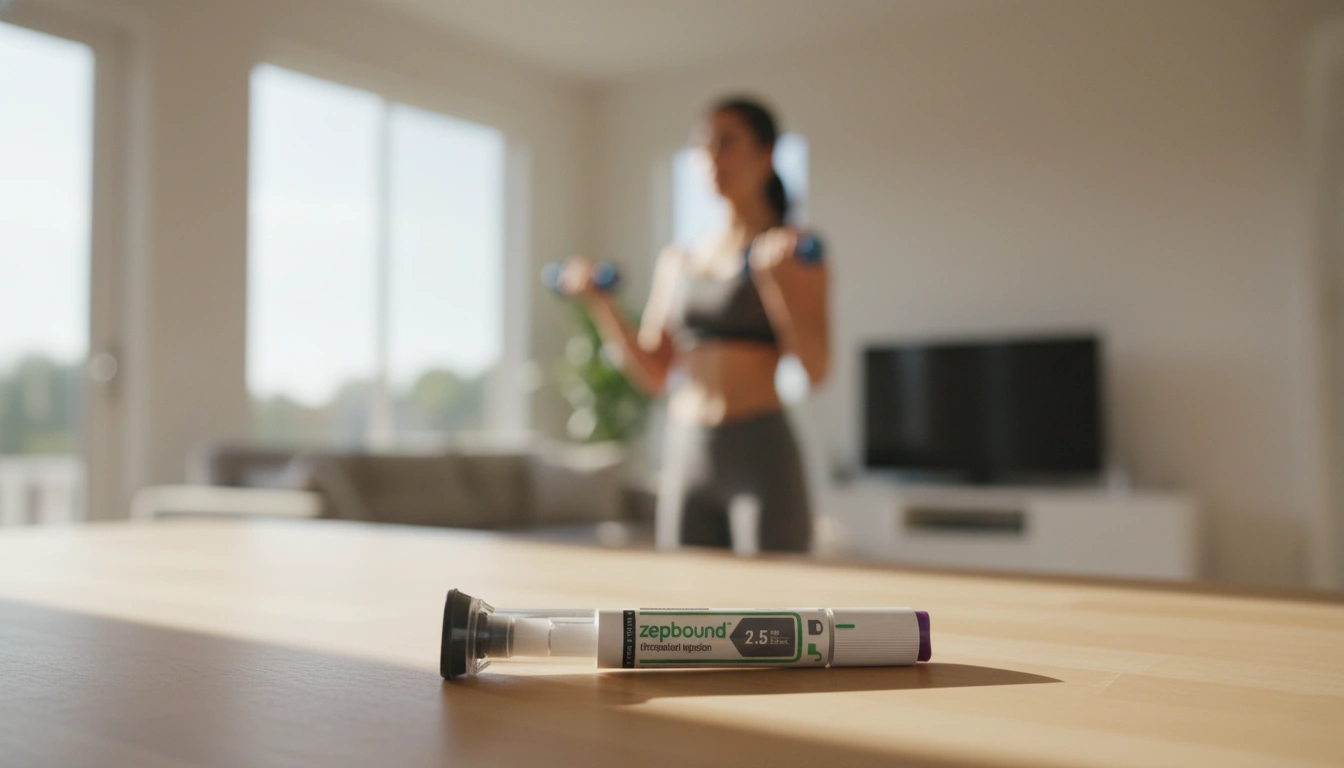
The journey to sustainable weight loss is often depicted as a winding road, fraught with challenges and requiring significant dedication. For many, this path has included countless diets, rigorous exercise regimens, and perhaps even a sense of frustration when desired results remain elusive. However, advancements in medical science are continually offering new avenues for support, transforming what once seemed unattainable into a tangible reality. One such innovation that has garnered significant attention is Zepbound, a prescription medication approved by the FDA for chronic weight management. Understanding how to properly utilize such powerful tools is paramount for safety and effectiveness.
This blog post aims to demystify the Zepbound dose schedule, providing a comprehensive and authoritative guide to its administration. We will delve into the initial phases of treatment, the strategic escalation of dosage, and the critical factors that inform the maintenance phase, whether for general weight reduction or specific conditions like obstructive sleep apnea in adults with obesity. Our discussion will also cover practical aspects of administration, what to do if a dose is missed, and important safety considerations to ensure a well-informed and secure experience. Furthermore, we’ll touch upon the current landscape of medication availability, a relevant factor for anyone considering this treatment. By the end of this guide, you will have a clear understanding of the Zepbound dosing protocol, empowering you to approach your weight loss journey with confidence and clarity. This detailed overview is designed to be a valuable resource as you consider or embark on a medically supervised weight management program, such as those we offer at TrimRx.
Understanding Zepbound: A GLP-1 and GIP Receptor Agonist
Zepbound, with its active ingredient tirzepatide, represents a significant step forward in the landscape of weight management medications. Classified as a glucose-dependent insulinotropic polypeptide (GIP) and glucagon-like peptide-1 (GLP-1) receptor agonist, it works through a unique dual-action mechanism. For individuals grappling with the complexities of obesity, the science behind how such medications function can offer invaluable insight into their potential benefits.
Our commitment at TrimRx is rooted in science, empathy, and a transparent approach. We believe that informed patients are empowered patients. This dedication led us to integrate cutting-edge telehealth innovations with effective weight loss solutions, creating a platform where individuals can access personalized, medically supervised care. Medications like Zepbound are a testament to the advancements in addressing the physiological underpinnings of weight gain, and understanding them is a key part of our transparent service.
The Science Behind Tirzepatide
Tirzepatide, the active compound in Zepbound, mimics the effects of two natural gut hormones: GIP and GLP-1. These hormones play crucial roles in regulating blood sugar levels and appetite. By activating both GIP and GLP-1 receptors, tirzepatide offers a more comprehensive approach compared to medications that only target GLP-1.
When these receptors are activated, several beneficial physiological responses occur:
- Enhanced Satiety: Tirzepatide helps you feel fuller, sooner, and for longer periods. This reduction in appetite can naturally lead to a decrease in caloric intake, which is fundamental for weight loss.
- Slower Gastric Emptying: The medication slows down how quickly food leaves your stomach. This contributes to the prolonged feeling of fullness and can help manage post-meal blood sugar spikes.
- Improved Insulin Sensitivity: While Zepbound is specifically approved for weight management, its mechanism is rooted in therapies that also address blood sugar regulation. It helps the body use insulin more effectively, a crucial factor in metabolic health.
The combined effect of these actions helps individuals achieve significant and sustainable weight loss when used in conjunction with a reduced-calorie diet and increased physical activity. This aligns perfectly with our philosophy at TrimRx, where we emphasize that sustainable weight loss should be achieved through science and individualized, medically supervised care, ensuring effective and safe outcomes. Our personalized approach ensures that if a medication like Zepbound is right for you, it is integrated into a comprehensive plan tailored to your unique needs. To explore if a prescription weight loss medication like Zepbound is suitable for you, we encourage you to take our free assessment quiz.
Navigating the Zepbound Dose Schedule: Your Path to Effective Weight Management
Embarking on a new medication regimen can sometimes feel overwhelming, particularly when it involves a dose escalation schedule. With Zepbound, a careful and gradual titration process is not just a recommendation; it’s a critical component designed to maximize efficacy while minimizing potential side effects. At TrimRx, we prioritize your comfort and safety, and our medically supervised programs are structured to guide you through every step of this journey.
Zepbound is administered as a subcutaneous injection once weekly. The medication comes in various strengths, ranging from 2.5 mg to 15 mg, available in single-dose pens or single-dose vials, offering flexibility in administration. Regardless of the form, the core principle remains consistent: a slow, steady increase is key.
The Initial Phase: Starting Your Zepbound Journey
Your Zepbound journey begins with a foundational dose of 2.5 mg injected subcutaneously once weekly. This initial dose serves a vital purpose: to allow your body to gradually adapt to the medication. It’s important to understand that this 2.5 mg dosage is solely for treatment initiation and is not approved as a long-term maintenance dose.
This starting period typically lasts for four weeks. During these initial weeks, your body will begin to acclimate to the presence of tirzepatide, and your healthcare provider will monitor your response and any potential side effects. This careful introduction is a cornerstone of safe and effective medication use, reflecting our empathetic and supportive approach at TrimRx. We are dedicated to offering compassionate care that respects every individual’s unique journey, ensuring that your transition to a new treatment is as smooth as possible.
The Escalation Process: Gradual Dose Increases
After the initial four weeks on the 2.5 mg dose, your healthcare provider will typically increase your dosage to 5 mg once weekly. This marks the first step in the escalation process. From this point onward, dosage increases are generally made in 2.5 mg increments, but only after you have been on your current dose for at least another four weeks.
The rationale behind this incremental approach is rooted in patient tolerability and treatment response. Zepbound can sometimes cause gastrointestinal side effects such as nausea, vomiting, or diarrhea, particularly when starting treatment or increasing the dose. By escalating gradually, the aim is to mitigate these reactions, allowing your body sufficient time to adjust. Our medically supervised programs emphasize this measured approach, ensuring that your treatment plan is not only effective but also comfortable and sustainable.
Your healthcare provider, working alongside you, will consider your individual response and how well you are tolerating the current dose before recommending an increase. If you experience significant discomfort, a lower maintenance dosage might be considered, ensuring your well-being remains the priority. This personalized attention is a hallmark of the care you can expect when partnering with TrimRx. Through our platform, we connect you with healthcare professionals who provide expert guidance, ensuring your treatment is truly tailored to you.
Reaching Your Maintenance Dose: Long-Term Effectiveness
The ultimate goal of the dose escalation schedule is to identify the optimal maintenance dosage that provides the most effective weight reduction with manageable side effects. The recommended maintenance dosages vary based on the indication, and these are the doses intended for long-term use.
Dosing for Weight Reduction and Long-Term Maintenance
For individuals seeking weight reduction and long-term weight management, the recommended maintenance dosages of Zepbound are 5 mg, 10 mg, or 15 mg, injected subcutaneously once weekly. Your healthcare provider will determine which of these dosages is most appropriate for you based on your progress, how you are tolerating the medication, and your individual weight loss goals. Clinical studies have indicated that higher doses, such as 10 mg and 15 mg, tend to yield greater weight loss compared to the 5 mg dose. However, the most effective dose is always the one that provides the desired benefits with the fewest side effects, making personalized adjustments crucial.
Dosing for Obstructive Sleep Apnea (OSA)
Zepbound is also approved for the treatment of obstructive sleep apnea (OSA) in adults with obesity. For this specific indication, the recommended maintenance dosages are slightly different, typically 10 mg or 15 mg, administered once weekly. As with weight reduction, the starting dose and escalation schedule remain the same, with the tailored maintenance dose focusing on optimizing outcomes for OSA alongside weight management.
Maximum Recommended Dosage
It is critical to adhere to prescribed dosages. The maximum dosage of Zepbound for all indications, including both weight reduction and obstructive sleep apnea, is 15 mg injected subcutaneously once weekly. Exceeding this dose is not recommended due to potential increased risks of adverse reactions without additional therapeutic benefits. Our commitment to safety and effective weight loss means that we always advocate for adherence to medically established guidelines, ensuring your journey is both impactful and secure.
If you believe a personalized, medically supervised approach with medications like Zepbound could be right for you, we invite you to take our free assessment quiz to determine your eligibility and discuss a tailored plan with our healthcare professionals.
Practical Considerations for Zepbound Administration
Effective weight management with Zepbound extends beyond just understanding the dose schedule; it also involves proper administration and adherence to practical guidelines. Our mission at TrimRx is to make sustainable weight loss attainable, and a key part of that is providing clear, actionable information about how to use your medication safely and effectively.
When to Take Your Dose
Zepbound offers flexibility in administration. It can be injected once weekly at any time of day, with or without meals. This convenience is a significant advantage, allowing you to integrate it seamlessly into your daily routine. However, consistency is important. Choosing a regular day and time each week can help you remember to take your dose and maintain a steady level of medication in your system.
What to Do If You Miss a Dose
Life happens, and sometimes a dose might be missed. If you miss a dose of Zepbound, administer it as soon as possible, provided it is within 4 days (96 hours) after the missed dose. If more than 4 days have passed since your scheduled dose, it is recommended to skip the missed dose entirely and simply administer your next dose on your regularly scheduled day. Do not take two doses of Zepbound within 3 days (72 hours) of each other, as this can increase the risk of side effects. Following these guidelines helps maintain safety and efficacy without over-exposing your body to the medication.
Changing Your Dosing Day
If you need to change your regular weekly administration day for Zepbound, you can do so. However, it is crucial to ensure that there are at least 3 days (72 hours) between the two doses. For example, if you normally take your dose on Monday and wish to switch to Friday, this would be acceptable as there are more than 3 days between them. This flexibility allows for better integration into your lifestyle while maintaining the integrity of the dosing schedule.
Proper Injection Techniques and Site Rotation
Before you begin Zepbound therapy, you will receive thorough training on proper injection technique. This training is vital to ensure the medication is administered correctly and safely. Zepbound is injected subcutaneously (under the skin) in the abdomen, thigh, or, if another person is administering the injection, in the back of the upper arm.
Key aspects of proper injection include:
- Visual Inspection: Always inspect Zepbound visually before use. It should appear clear and colorless to slightly yellow. Do not use the medication if you notice particulate matter or discoloration.
- Syringe Use (for vials): If using a single-dose vial, ensure you use a syringe appropriate for precise dose administration, such as a 1 mL syringe capable of measuring a 0.5 mL dose.
- Site Rotation: It is essential to rotate your injection sites with each dose. This helps prevent localized skin reactions and discomfort. For instance, if you injected into your abdomen one week, consider using your thigh the next.
Our dedication to personalized care includes ensuring you have all the necessary information for safe and effective self-administration. While TrimRx partners with FDA-registered and inspected pharmacies for the shipping of weight loss medications, we emphasize the importance of following all instructions from your prescribing healthcare provider and referring to the medication’s official Instructions for Use.
Beyond prescription support, we also offer quick-access supplements to support your overall wellness journey. Consider exploring our GLP-1 Daily Support or Weight Loss Boost to complement your efforts.
Addressing Common Concerns and Side Effects
Any new medication comes with a set of potential side effects, and Zepbound is no exception. While its benefits for weight management can be substantial, being aware of common concerns and important safety information is part of being an empowered patient. At TrimRx, our empathetic and trustworthy approach means we provide clear and transparent information, ensuring you feel supported throughout your weight loss journey.
Understanding Potential Gastrointestinal Effects
The most frequently reported side effects associated with Zepbound are gastrointestinal in nature. These can include:
- Nausea
- Diarrhea
- Vomiting
- Constipation
- Stomach (abdominal) pain
- Indigestion
These effects are often most prevalent during the initial phases of treatment or when increasing your dose. For many individuals, these side effects tend to decrease over time as their body adjusts to the medication. It’s crucial to communicate any bothersome or persistent side effects to your healthcare provider.
Managing nausea, a common concern, can be aided by several strategies:
- Eat Smaller Meals: Instead of three large meals, try splitting your daily intake into four or more smaller ones.
- Stop When Full: Pay attention to your body’s signals and stop eating as soon as you feel satisfied, rather than overeating.
- Avoid Fatty Foods: Rich, fatty foods can sometimes exacerbate nausea. Opt for leaner options.
- Bland Foods: When experiencing nausea, bland foods like toast, crackers, or rice can be more tolerable.
- Hydration: Diarrhea and vomiting can lead to dehydration, which may, in rare cases, contribute to kidney problems. Drinking plenty of fluids is essential to stay hydrated and reduce this risk.
Important Safety Information and Warnings
While generally well-tolerated when administered as prescribed, Zepbound carries important safety information that every patient should be aware of. Our commitment to safety is paramount, and we work exclusively with FDA-registered and inspected pharmacies to ensure the quality and integrity of the medications provided.
- Thyroid C-Cell Tumors (Boxed Warning): Zepbound carries a Boxed Warning regarding the potential risk of thyroid C-cell tumors, including medullary thyroid carcinoma (MTC). Animal studies have shown an increased risk of such tumors. While it is not known if Zepbound causes these tumors in humans, it is crucial to be vigilant. Do not use Zepbound if you or any of your family members have a history of MTC, or if you have Multiple Endocrine Neoplasia syndrome type 2 (MEN 2), a rare genetic condition. Report any symptoms such as a lump or swelling in your neck, hoarseness, trouble swallowing, or shortness of breath to your healthcare provider immediately.
- Severe Stomach Problems: Cases of severe stomach problems have been reported with Zepbound. If you experience severe or persistent stomach issues, contact your healthcare provider.
- Kidney Problems: As mentioned, dehydration resulting from severe gastrointestinal side effects can potentially lead to kidney problems. Staying well-hydrated is a key preventative measure.
- Allergic Reactions: Do not use Zepbound if you have had a serious allergic reaction to tirzepatide or any other ingredients in Zepbound.
This information is not exhaustive, and it’s essential to have an open dialogue with your prescribing doctor about your full medical history and any concerns you may have. Our medically supervised programs are designed to provide you with comprehensive support, including consultations with qualified doctors who can address your specific health profile and guide you safely through treatment. We prioritize transparent service, ensuring you understand all aspects of your care plan.
The Current Landscape of Zepbound Availability
While the promise of medications like Zepbound for weight management is incredibly exciting, it’s also important to address the practical realities of access. As an innovative and highly effective new treatment, Zepbound has experienced significant demand since its FDA approval for weight loss at the end of 2023. This high demand has, unfortunately, led to significant supply chain issues and shortages for various doses.
Patients and healthcare providers across the country have reported considerable difficulty in getting prescriptions filled, particularly for certain doses like 5 mg and 7.5 mg. Some reports have indicated that these shortages could persist through much of 2024, and potentially even into 2025. This dynamic situation means that while the dosing schedule and efficacy data for Zepbound are clear, actual access to the medication can be unpredictable.
For individuals who are not currently taking Zepbound, it may be challenging to initiate treatment at this time due to limited availability. In such scenarios, your healthcare provider might discuss alternative strategies. This could involve waiting for supply improvements or exploring other FDA-approved GLP-1 receptor agonists, such as Wegovy. It is worth noting that lower doses of Wegovy have also experienced shortages in the past, though supply for that medication has shown some signs of improvement more recently.
For those already on Zepbound and attempting to fill refills, significant delays and the need to contact multiple pharmacies to locate stock may be anticipated. It is important to avoid skipping doses or rapidly escalating to higher available doses in an attempt to circumvent shortages, as this can increase the risk of intolerable side effects.
At TrimRx, we understand the frustration that these supply challenges can create. Our goal is to provide reliable and transparent service, and we share in your desire to find effective weight loss solutions. While we partner with FDA-registered and inspected pharmacies for the shipping of prescription medications, we do not directly control pharmaceutical supply chains. We recommend discussing any concerns about medication availability with your healthcare provider, who can help navigate these complexities and determine the most appropriate course of action for your individual situation.
Remember, our comprehensive service includes doctor consultations, medication (when available and prescribed), lab work, unlimited support, and shipping, all with no hidden fees. We are dedicated to finding personalized solutions that are safe and effective, even amidst external challenges. If you’re ready to explore a medically supervised weight loss program tailored to your needs, including potential alternatives or strategies for managing current medication availability, take our free assessment quiz today.
Partnering with TrimRx for Your Weight Loss Journey
Navigating the complexities of weight loss, especially with prescription medications, requires more than just a pill; it demands a supportive, informed, and personalized approach. At TrimRx, our journey began with a shared vision: to help individuals embrace healthier lifestyles by merging cutting-edge telehealth innovations with effective, safe weight loss solutions. We understand that effective weight management is a deeply personal and often challenging endeavor, which is why we’ve built our platform to be a user-friendly and supportive space dedicated to individualized care.
Our Commitment to Personalized, Medically Supervised Care
We believe that sustainable weight loss should be achieved through science, empathy, and a transparent approach. This philosophy is embedded in every aspect of our personalized weight loss programs. When you choose TrimRx, you’re not just getting access to medication; you’re gaining a partner dedicated to your success.
Our process is designed to be comprehensive and tailored to you:
- Personalized Assessment: Your journey begins with our free assessment quiz, which helps us understand your unique health profile, weight loss goals, and eligibility for prescription medications like Compounded Semaglutide, Oral Semaglutide, Ozempic®, Compounded Tirzepatide, Oral Tirzepatide, Mounjaro®, Zepbound®, or Wegovy®. This initial step is crucial for developing a treatment plan that is truly personalized.
- Doctor Consultations: If deemed eligible, you will have consultations with qualified healthcare professionals who provide medical supervision and guidance. They will help you understand the appropriate dose schedule, potential side effects, and how to integrate the medication into your lifestyle.
- Medication Access: For those prescribed, we partner with FDA-registered and inspected pharmacies to ensure your weight loss medications are safely and conveniently shipped directly to you. It’s important to remember that while branded medications like Zepbound® are FDA-approved, compounded medications are not FDA-approved, though they are provided through these same high-standard pharmacies.
- Unlimited Support: Your journey doesn’t end with a prescription. We offer unlimited support to answer your questions, address concerns, and help you stay on track. This compassionate care respects every individual’s unique journey.
- Transparent Service: We are committed to a transparent approach, highlighting that our service remains consistent, focusing on your well-being throughout your treatment, regardless of dosage changes. Our comprehensive service includes doctor consultations, medication, lab work (where needed), unlimited support, and shipping, with no hidden fees.
We are an empathetic, innovative, trustworthy, supportive, results-oriented, and personalized brand. We combine advanced medical science with modern technology to deliver care that genuinely transforms lives.
Beyond Prescription Medications: Holistic Support
While prescription medications can be powerful tools for weight loss, we recognize that a holistic approach often yields the best results. Our programs integrate medication with lifestyle recommendations, and we offer additional support options to enhance your wellness journey.
For those looking for immediate support or to complement their personalized prescription plan, we offer quick-access supplements that do not require a quiz:
- GLP-1 Daily Support: This supplement is designed to support overall wellness and complement the body’s natural processes.
- Weight Loss Boost: Formulated to provide additional assistance, this boost can be a valuable addition to your regimen.
These supplements are available for immediate purchase, offering flexible options to support your healthy lifestyle. By choosing TrimRx, you are choosing a partner dedicated to your safe, effective, and sustainable weight loss journey, supported by science and genuine care.
Are you ready to embrace a healthier lifestyle with personalized, medically supervised care? Take our free assessment quiz today to discover if you qualify for our prescription weight loss medications and embark on your path to lasting wellness with TrimRx.
Frequently Asked Questions (FAQs)
How often do I take Zepbound, and what is the starting dose?
Zepbound is administered once weekly via subcutaneous injection. The recommended starting dosage for all indications is 2.5 mg once weekly for four weeks. This initial dose is for treatment initiation only and is not considered a maintenance dose.
What is the typical dose escalation schedule for Zepbound?
After the initial four weeks at 2.5 mg, the dosage is typically increased to 5 mg once weekly. Subsequent dose increases are usually made in 2.5 mg increments, but only after at least four weeks on the current dose. This gradual escalation helps reduce the risk of gastrointestinal side effects and allows your body to adjust.
What are the maintenance doses for Zepbound, and what is the maximum dose?
For weight reduction and long-term maintenance, the recommended maintenance dosages are 5 mg, 10 mg, or 15 mg once weekly. For obstructive sleep apnea (OSA) in adults with obesity, the recommended maintenance dosages are 10 mg or 15 mg once weekly. The maximum recommended dosage of Zepbound for all indications is 15 mg once weekly. Your healthcare provider will determine the most appropriate maintenance dose based on your response and tolerability.
What should I do if I miss a dose of Zepbound or need to change my injection day?
If you miss a dose, take it as soon as possible within 4 days (96 hours) of your scheduled dosing. If more than 4 days have passed, skip the missed dose and take your next dose on your regularly scheduled day. Do not take two doses within 3 days (72 hours) of each other. If you wish to change your weekly injection day, ensure there are at least 3 days (72 hours) between the last dose and the new dose to maintain proper dosing intervals.

Transforming Lives, One Step at a Time
Keep reading

How to Get Zepbound in Texas: Your Guide
Getting Zepbound in Texas is straightforward once you know your options. You can get a prescription through a telehealth provider from home, through your…

How to Get Zepbound in California: Where to Start
Zepbound (tirzepatide) is available to California residents through your primary care provider, a weight loss clinic, or a telehealth service that prescribes and delivers…
Stopping Zepbound: Managing the Transition
When you stop taking Zepbound, your appetite returns to pre-medication levels within a few weeks and most people regain a meaningful portion of their…


