Decoding Zepbound Dosing: Navigating Your Journey to Sustainable Weight Management
Introduction
Embarking on a weight loss journey can feel like navigating uncharted territory, often filled with questions, uncertainties, and the search for effective, sustainable solutions. For many, the challenge isn’t just about losing weight, but about understanding the science behind modern interventions and how they fit into a holistic health plan. As we observe the growing landscape of advanced weight management tools, particularly medications like Zepbound, it becomes increasingly vital to distinguish between general information and the precise, personalized guidance needed for real success. Understanding how these medications are dosed, especially the maintenance phase, is a cornerstone of safe and effective treatment.
At TrimRx, our journey began with a shared vision: to empower individuals to embrace healthier lifestyles by merging cutting-edge telehealth innovations with effective weight loss solutions. We understand that effective weight management is deeply personal, requiring not just scientific rigor but also empathy and a transparent approach. Our platform is designed as a user-friendly and supportive space where individuals receive personalized, medically supervised care, crafted to make sustainable weight loss attainable and tailored to unique needs. This commitment extends to providing clarity on treatments such as Zepbound, ensuring you are well-informed every step of the way.
This post aims to demystify the intricacies of Zepbound’s dosing regimen, particularly focusing on what is the most common maintenance dose of Zepbound. We will delve into its mechanism, the typical titration schedule, the factors that influence individual dosing, and the crucial safety considerations. By the end, you will have a clearer understanding of how Zepbound works, how it’s typically prescribed, and how a personalized, medically guided approach, like ours at TrimRx, can optimize your weight management outcomes. Together, we’ll explore the science and strategy behind this innovative medication, ensuring you are equipped with the knowledge to make informed decisions about your health journey.
Zepbound: A Closer Look at the Science of Weight Management
In the evolving landscape of weight management, Zepbound (tirzepatide) represents a significant advancement. It’s not just another medication; it’s a dual agonist that targets two crucial hormones involved in metabolic regulation: glucose-dependent insulinotropic polypeptide (GIP) and glucagon-like peptide-1 (GLP-1) receptors. These incretin hormones play vital roles in controlling blood sugar, regulating appetite, and influencing fat metabolism. By activating both GIP and GLP-1 receptors, tirzepatide offers a multifaceted approach to weight loss and long-term weight management that goes beyond traditional methods.
How Zepbound Works to Support Weight Loss
The dual action of tirzepatide is key to its effectiveness. GIP and GLP-1 work synergistically to:
- Reduce Appetite and Increase Satiety: Both hormones signal to the brain to reduce hunger and increase feelings of fullness after eating. This helps individuals consume fewer calories naturally, without feeling deprived.
- Slow Gastric Emptying: GLP-1 specifically slows down the rate at which food leaves the stomach. This contributes to sustained feelings of fullness and can help manage blood sugar levels.
- Improve Insulin Sensitivity and Glucose Metabolism: While primarily approved for weight management, tirzepatide’s action on GIP and GLP-1 receptors also has beneficial effects on blood glucose control, which is often a challenge for individuals with obesity or related conditions.
This combined effect supports significant weight reduction in adults with obesity (defined as a Body Mass Index, or BMI, of 30 kg/m² or higher) or those who are overweight (BMI of 27 kg/m² or higher) with at least one weight-related health condition such as high blood pressure, type 2 diabetes, high cholesterol, or obstructive sleep apnea (OSA). It’s important to understand that Zepbound is prescribed as an adjunct to a reduced-calorie diet and increased physical activity, underscoring that medication is a powerful tool best utilized within a comprehensive lifestyle modification plan. Our approach at TrimRx emphasizes this holistic view, integrating advanced medical science with sustained lifestyle support to empower lasting change. To learn how we can personalize a plan for you, we encourage you to take our free assessment quiz.
The Zepbound Dosing Regimen: A Structured Path to Optimal Results
The journey with Zepbound typically begins with a carefully structured dosing regimen designed to maximize efficacy while minimizing potential side effects, particularly gastrointestinal issues. This gradual escalation ensures your body has adequate time to adapt to the medication.
Initiating Treatment: The Starting Dose
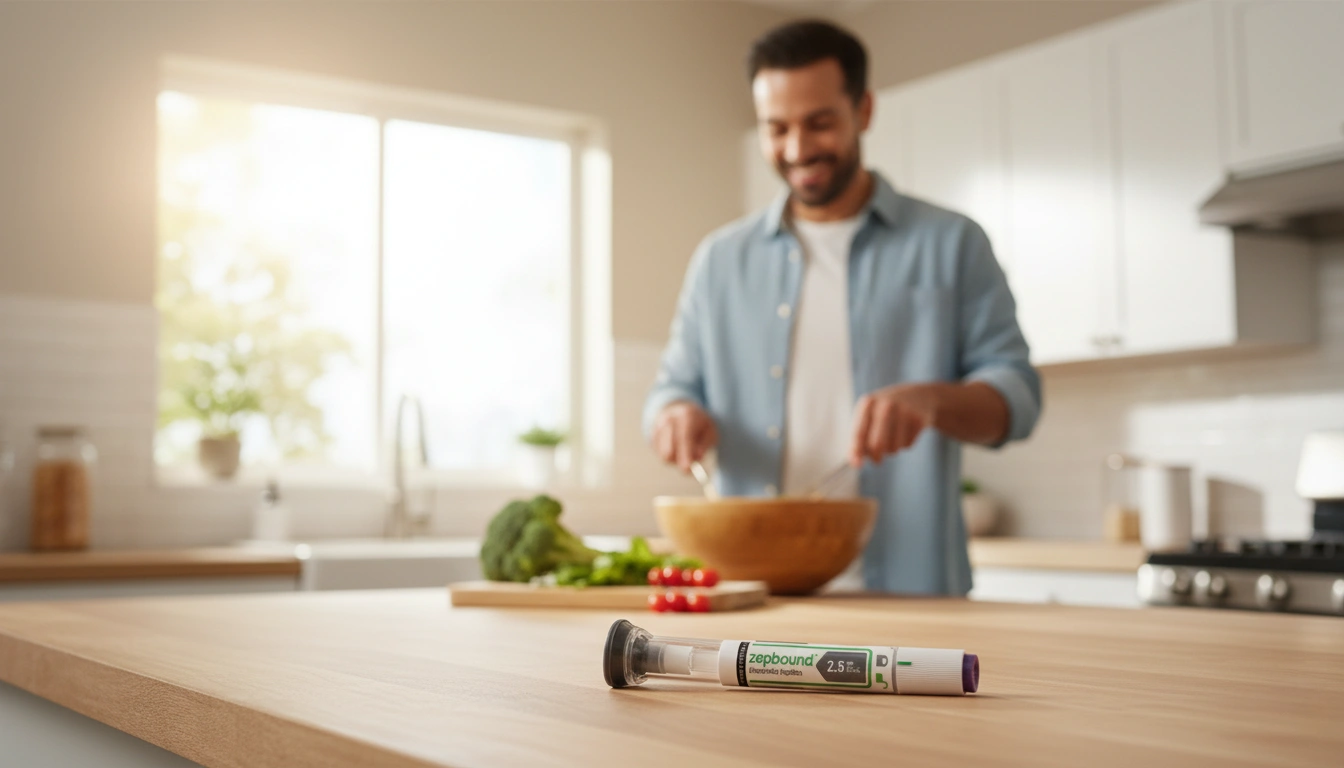
All patients prescribed Zepbound begin with a starting dosage of 2.5 mg injected subcutaneously once weekly. This initial phase is crucial for acclimating your system to the medication. It’s important to understand that this 2.5 mg dose is solely for treatment initiation and is not approved as a long-term maintenance dosage. You will remain on this starting dose for at least four weeks before any increases are considered.
Gradual Dosage Escalation: The Titration Period
Following the initial four weeks, your healthcare provider will assess your response and tolerability. If appropriate, the dosage will be increased in 2.5 mg increments. The typical titration schedule involves increasing your weekly dose by 2.5 mg after at least four weeks on your current dose. This means the progression often looks like this:
- Weeks 1-4: 2.5 mg once weekly
- Weeks 5-8 (if tolerated): 5 mg once weekly
- Weeks 9-12 (if tolerated): 7.5 mg once weekly
- Weeks 13-16 (if tolerated): 10 mg once weekly
- Weeks 17-20 (if tolerated): 12.5 mg once weekly
- Weeks 21+ (if tolerated): 15 mg once weekly
This stepwise approach is paramount for reducing the risk of gastrointestinal adverse reactions such as nausea, vomiting, and diarrhea, which are the most common side effects associated with GLP-1 and GIP receptor agonists. Our medical team at TrimRx prioritizes your comfort and safety, guiding you through each titration step with careful monitoring and support. This commitment to transparent service means our approach to dose adjustment remains consistent, always with your well-being in mind.
Available Strengths and Administration
Zepbound is available in various strengths: 2.5 mg, 5 mg, 7.5 mg, 10 mg, 12.5 mg, and 15 mg. It comes as a liquid solution in prefilled, single-dose injection pens or single-dose vials, administered as a subcutaneous injection once weekly. Your healthcare provider or a trained professional will demonstrate proper injection techniques. You can administer Zepbound any time of day, with or without food, in your thigh, belly, or the back of your upper arm, rotating injection sites each week to avoid irritation.
For individuals seeking comprehensive medical guidance on therapies like Zepbound, our personalized assessment quiz is the ideal starting point to determine eligibility and receive a tailored treatment plan.
What is the Most Common Maintenance Dose of Zepbound?
When considering Zepbound for long-term weight management, a primary question often arises: what is the most common maintenance dose of Zepbound? This is a critical point, as the maintenance dose is where the medication’s long-term efficacy truly comes into play. The recommended maintenance dosages of tirzepatide for adults are 5 mg, 10 mg, or 15 mg injected subcutaneously once weekly.
It’s important to understand that while these are the recommended maintenance doses, the “most common” dose can vary based on individual patient response and tolerability rather than a single fixed number. The maximum dosage of tirzepatide is 15 mg once weekly.
Insights from Clinical Trials
The landmark SURMOUNT clinical trials, which evaluated Zepbound’s impact on weight loss over 72 weeks, provided valuable data on efficacy across different dosages:
- 5 mg dose: Patients on this dose achieved an average weight loss of around 15% of their body weight.
- 10 mg dose: This dose yielded a greater reduction, with patients experiencing about 20% body weight loss on average.
- 15 mg dose: This was identified as the dose that achieved the greatest average weight loss, up to approximately 21-22.5% of body weight, making it the most effective dose overall in terms of sheer percentage reduction.
These results indicate a dose-dependent effect, where higher dosages generally lead to greater weight loss. However, “most effective” does not automatically translate to “most common” or “best for every individual.”
The Role of Individualization in Maintenance Dosing
While the 15 mg dose demonstrated the highest average weight loss in trials, it is not suitable for all patients. Higher doses are also associated with an increased incidence of gastrointestinal side effects like nausea, vomiting, and diarrhea. For some individuals, these side effects may be too bothersome, leading them to discontinue treatment or remain on a lower, yet still effective, dose.
Therefore, the choice of the optimal maintenance dose—whether it’s 5 mg, 10 mg, or 15 mg—is a highly individualized decision made in consultation with a healthcare provider. It balances the desire for maximal efficacy with the need for good tolerability. Many patients find significant benefit and better tolerability with intermediate doses, and remaining at a lower dose such as 5 mg is perfectly acceptable if it is effective and well-tolerated. The goal is to find the smallest dosage that provides the desired effect and can be maintained long-term without undue discomfort.
What About 7.5 mg and 12.5 mg?
It’s worth noting that while 7.5 mg and 12.5 mg strengths are part of the dose escalation pathway, they were not specifically studied as standalone maintenance dosages in the initial clinical trials by the manufacturer. The studies focused on escalating to 5 mg, 10 mg, or 15 mg for the maintenance period. However, in real-world clinical practice, a healthcare provider may decide that a patient’s optimal balance of efficacy and tolerability is best achieved at one of these intermediate doses. This decision would always be based on the individual’s progress and experience, reflecting the personalized care model we champion at TrimRx. Our medical experts collaborate with you to find the exact dose that works for your body and your goals.
For those ready to explore personalized weight loss solutions, including Zepbound and other prescription medications, we invite you to take our free assessment quiz today.
Factors Influencing Your Optimal Zepbound Dose
The determination of your ideal Zepbound maintenance dose is a nuanced process, far from a one-size-fits-all approach. Several key factors come into play, all of which underscore the importance of continuous medical supervision and personalized care.
Individual Response to Treatment
Every individual’s body reacts differently to medication. What leads to significant weight loss for one person at 5 mg might require 10 mg or 15 mg for another. Healthcare providers monitor your progress closely, looking at:
- Weight Loss Efficacy: How much weight are you losing, and at what rate? Is it meeting your health goals and the expectations set with your provider?
- Glycemic Control (if applicable): For individuals with type 2 diabetes or prediabetes, the medication’s impact on blood sugar levels is also a crucial consideration.
Tolerability of Side Effects
As discussed, higher doses can lead to more pronounced gastrointestinal side effects. These can include nausea, diarrhea, vomiting, constipation, and abdominal pain. If these side effects become severe or significantly impact your quality of life, your healthcare provider may recommend:
- Sustaining a Lower Dose: If you are losing weight effectively and tolerating a lower dose well, there is often no need to increase it.
- Adjusting Downward: If you reach a higher dose but experience intolerable side effects, your provider may consider reducing your dose to a level that you can manage more comfortably, while still deriving benefit.
Our empathetic and supportive team at TrimRx understands that managing side effects is a crucial part of the weight loss journey. We provide unlimited support to help you navigate these experiences, ensuring your treatment plan is both effective and comfortable.
Long-Term Goals and Overall Health
Your long-term weight management goals, alongside your overall health profile, also guide dosing decisions. For example, individuals with weight-related comorbidities might have specific targets that influence the chosen dose. Your medical history, current medications, and any pre-existing conditions are all carefully considered. This thorough approach is a cornerstone of our commitment to safety and individualized care at TrimRx. We ensure that your treatment plan aligns seamlessly with your complete health picture.
The Expertise of Your Healthcare Provider
Ultimately, the decision on your optimal Zepbound dose rests with your healthcare provider. They utilize their clinical judgment, informed by:
- Your medical history and current health status.
- Your response to previous doses.
- Your reported side effects and their severity.
- Your weight loss progress and overall well-being.
This dynamic assessment ensures that your dosage is continually optimized for your unique needs. At TrimRx, we pride ourselves on offering compassionate care that respects every individual’s unique journey. Our medically supervised programs ensure that dose adjustments are made responsibly and with your best interest at heart, leveraging the expertise of our clinicians.
We understand that achieving sustainable weight loss requires more than just medication; it demands continuous support and a personalized plan. Beyond prescription options, we offer GLP-1 Daily Support and Weight Loss Boost to complement your journey and support overall wellness.
Navigating Potential Side Effects and Safety Considerations
While Zepbound offers significant benefits for weight management, it’s crucial to be fully aware of potential side effects and important safety information. Our commitment to transparent service at TrimRx includes ensuring you have a clear understanding of what to expect and how to manage your health safely.
Boxed Warning: Risk of Thyroid C-Cell Tumors
Zepbound carries a WARNING: RISK OF THYROID C-CELL TUMORS. In rats, tirzepatide caused dose-dependent and treatment-duration-dependent thyroid C-cell tumors at clinically relevant exposures. It is unknown whether Zepbound causes these tumors, including medullary thyroid carcinoma (MTC), in humans.
Contraindications: Zepbound is contraindicated in patients with a personal or family history of MTC or in patients with Multiple Endocrine Neoplasia syndrome type 2 (MEN 2).
Patient Counseling: You should be counseled regarding the potential risk for MTC with Zepbound use and informed of symptoms of thyroid tumors (e.g., a mass in the neck, difficulty swallowing, difficulty breathing, persistent hoarseness). Routine monitoring of serum calcitonin or using thyroid ultrasound is of uncertain value for early detection of MTC in patients treated with Zepbound. Any significantly elevated serum calcitonin values or thyroid nodules should be further evaluated.
Other Serious Adverse Reactions and Precautions
Beyond the boxed warning, there are other important safety considerations to be aware of:
- Severe Gastrointestinal Adverse Reactions: Zepbound can cause severe gastrointestinal side effects, including nausea, vomiting, and diarrhea. These were reported more frequently in Zepbound-treated patients compared to placebo in clinical trials. Zepbound has not been studied in patients with severe gastrointestinal disease, including severe gastroparesis, and is therefore not recommended in these patients.
- Acute Kidney Injury: Dehydration resulting from severe gastrointestinal reactions can lead to acute kidney injury. Monitoring renal function is essential for patients experiencing volume depletion due to these adverse effects.
- Acute Gallbladder Disease: Treatment with Zepbound and other GLP-1 receptor agonists is associated with an increased occurrence of acute gallbladder disease, including cholelithiasis (gallstones) and cholecystitis (gallbladder inflammation). If suspected, diagnostic studies and appropriate follow-up are indicated.
- Acute Pancreatitis: Acute pancreatitis, including fatal cases, has been observed with GLP-1 receptor agonists and tirzepatide. Patients should be observed for symptoms such as persistent severe abdominal pain, possibly radiating to the back, with or without vomiting. If pancreatitis is suspected, Zepbound should be discontinued.
- Hypersensitivity Reactions: Serious hypersensitivity reactions, including anaphylaxis and angioedema, have been reported. If these occur, promptly seek medical attention and discontinue Zepbound. Do not use if you have a history of serious hypersensitivity to tirzepatide or any excipients.
- Hypoglycemia: Zepbound lowers blood glucose. The risk of hypoglycemia (low blood sugar) increases when Zepbound is used in combination with an insulin secretagogue (like sulfonylurea) or insulin, particularly in patients with type 2 diabetes. Patients should be informed of hypoglycemia symptoms, and blood glucose should be monitored.
- Diabetic Retinopathy Complications in Patients with Type 2 Diabetes Mellitus: Rapid improvement in glucose control has been associated with a temporary worsening of diabetic retinopathy. Patients with a history of diabetic retinopathy should be monitored for progression.
- Suicidal Behavior and Ideation: Suicidal thoughts and behaviors have been reported with other weight management products. Patients treated with Zepbound should be monitored for new or worsening depression, suicidal thoughts, or unusual mood changes. Zepbound should be discontinued in patients who experience suicidal thoughts or behaviors, and avoided in those with a history of suicidal attempts or active suicidal ideation.
- Pulmonary Aspiration During General Anesthesia or Deep Sedation: Zepbound delays gastric emptying. Patients should inform healthcare providers about Zepbound use prior to any planned surgeries or procedures requiring general anesthesia or deep sedation.
Common Adverse Reactions
The most common adverse reactions reported in clinical trials (occurring in ≥5% of patients) included:
- Nausea
- Diarrhea
- Vomiting
- Constipation
- Abdominal pain
Our trustworthy and supportive medical team at TrimRx provides comprehensive care that includes doctor consultations, lab work, and unlimited support to help you manage potential side effects. We partner exclusively with FDA-registered and inspected pharmacies for the shipping of weight loss medications, ensuring the highest standards of safety and quality. Rest assured, while TrimRx facilitates access to these medications through a secure platform, actual medical supervision is provided by licensed healthcare professionals who guide your treatment decisions.
The TrimRx Difference: Your Personalized Pathway to Health
At TrimRx, we believe that achieving sustainable weight loss is a personal triumph, one that is best supported by science, empathy, and a transparent approach. Our platform was founded on the principle of merging cutting-edge telehealth innovations with effective, personalized weight loss solutions, creating a user-friendly and supportive space for your health journey. We are empathetic, innovative, trustworthy, supportive, results-oriented, and profoundly personalized in our brand personality and messaging.
We understand that you are seeking not just a solution, but a partner in your health. That’s why we offer a comprehensive service designed to remove barriers and provide consistent support. Our program includes:
- Expert Doctor Consultations: Our licensed healthcare professionals conduct thorough evaluations to understand your unique health profile and weight loss goals.
- Personalized Medication Plans: Based on your assessment, you may be eligible for prescription weight loss medications such as Compounded Semaglutide, Oral Semaglutide, Ozempic®, Compounded Tirzepatide, Oral Tirzepatide, Mounjaro®, Zepbound®, or Wegovy®. We work exclusively with FDA-registered and inspected pharmacies for the shipping of these medications, ensuring their quality and safety. For branded medications like Ozempic®, Mounjaro®, Zepbound®, and Wegovy®, we recognize their FDA approval. It’s important to clarify that compounded medications are not FDA approved.
- Essential Lab Work: To ensure your safety and tailor your treatment, necessary lab work is included.
- Unlimited Support: Our dedicated team is here for you every step of the way, offering guidance, answering questions, and providing encouragement.
- Convenient Shipping: Medications are shipped directly to your door, with no hidden fees.
Our approach remains consistent regardless of dosage changes, emphasizing our commitment to transparent service. Your safety is our paramount concern, which is why we meticulously adhere to FDA guidelines and collaborate with pharmacies that meet the highest standards.
Ready to Discover Your Personalized Plan?
We invite you to take the first step towards a healthier you. Take our free assessment quiz today to see if you qualify for our personalized prescription weight loss medications. This quiz is designed to gather essential information to help our medical team create a treatment plan tailored just for you.
Support Your Journey with Quick-Access Supplements
Beyond prescription medications, we also offer quick-access supplements to support your overall wellness during your weight loss journey. These supplements do not require a quiz and are available for immediate purchase:
- GLP-1 Daily Support: Designed to support healthy metabolic function and digestion.
- Weight Loss Boost: Formulated to complement your weight management efforts.
These innovative supplements exemplify our dedication to providing a full spectrum of options to meet diverse needs and preferences, reinforcing our results-oriented approach to health and wellness.
Beyond Medication: A Holistic Approach to Sustainable Weight Management
While medications like Zepbound are powerful tools, we at TrimRx firmly believe that they are most effective when integrated into a comprehensive, holistic approach to health. Sustainable weight management extends far beyond a prescription; it involves fundamental shifts in lifestyle and a commitment to long-term well-being.
The Foundation: Diet and Nutrition
Eating a reduced-calorie diet is a cornerstone of any successful weight loss plan. Zepbound aids in this by helping to reduce appetite and increase feelings of fullness, making adherence to dietary changes more manageable. However, the quality of your diet matters immensely. Focusing on nutrient-dense foods, adequate protein, healthy fats, and complex carbohydrates provides your body with the fuel it needs while supporting satiety and metabolic health. Our programs often include guidance on making sustainable dietary choices that are both effective and enjoyable, empowering you to cultivate healthier eating habits for life.
The Power of Movement: Physical Activity
Increasing physical activity works synergistically with Zepbound to enhance weight loss and improve overall health. Regular exercise not only burns calories but also builds muscle, boosts metabolism, improves cardiovascular health, and elevates mood. Even modest increases in daily movement, such as walking, can make a significant difference. Our supportive framework encourages finding forms of physical activity that you enjoy, making it a sustainable and rewarding part of your routine. This focus on realistic, personalized activity levels aligns with our compassionate care, respecting every individual’s unique starting point and capabilities.
Lifestyle Factors: Sleep, Stress, and Support
Weight management is not solely about diet and exercise; it’s intricately linked to broader lifestyle factors. Quality sleep, effective stress management, and a strong support system are all vital for long-term success. Chronic sleep deprivation and high stress levels can disrupt hormones that regulate appetite and metabolism, hindering weight loss efforts. A supportive environment, like the one we cultivate at TrimRx, provides the encouragement and resources you need to address these interconnected elements of your health. Our innovative telehealth platform offers accessible, continuous support, ensuring you feel empowered and connected throughout your journey.
Commitment to Long-Term Health
Sustainable weight management is a marathon, not a sprint. It requires commitment, patience, and a willingness to adapt. The role of medications like Zepbound is to kickstart and support this process, providing a physiological advantage that makes lifestyle changes more effective. Our ultimate goal at TrimRx is to help you not just lose weight, but to develop habits and a mindset that promote lasting health and vitality. We are dedicated to safe, effective weight loss and individualized care, helping you embrace a healthier, more vibrant life.
We stand by our commitment to transparent service, meaning we are open and honest about the journey ahead and the tools available to you. By combining advanced medical science with modern technology and a human-centered approach, we create a truly personalized experience. Discover how our comprehensive service, including doctor consultations, medication, lab work, unlimited support, and shipping with no hidden fees, can transform your weight loss journey by taking our free assessment quiz.
Conclusion
Understanding what is the most common maintenance dose of Zepbound reveals a critical insight: effective weight management with this innovative medication is a personalized endeavor. While the SURMOUNT clinical trials highlighted 15 mg as achieving the greatest average weight loss, the recommended maintenance doses span 5 mg, 10 mg, and 15 mg. The optimal choice for any individual hinges on a delicate balance between efficacy and tolerability, guided by continuous medical supervision. There isn’t a single “most common” dose that fits everyone; rather, it’s about finding the dose that works best for your unique body and lifestyle, allowing for sustainable weight loss with manageable side effects.
At TrimRx, our entire philosophy revolves around this principle of individualized care. Our journey began with a vision to merge cutting-edge telehealth innovations with effective weight loss solutions, creating a supportive space where medically supervised, personalized care makes sustainable weight loss attainable. We stand as your empathetic, innovative, trustworthy, and supportive partner, dedicated to providing results-oriented solutions through transparent service and a steadfast commitment to safety. By partnering with FDA-registered and inspected pharmacies for medication delivery and offering comprehensive support—from doctor consultations and lab work to unlimited guidance and convenient shipping—we ensure your journey is seamless and secure.
Remember, Zepbound, like any powerful tool, is most effective when integrated into a holistic health plan that includes a reduced-calorie diet and increased physical activity. We believe that sustainable weight loss should be achieved through science, empathy, and a transparent approach, and we are here to support you in building those lasting habits.
If you’re ready to explore a personalized pathway to effective weight management and discover if Zepbound or other prescription medications are right for you, we encourage you to take our free assessment quiz. For immediate support to enhance your well-being, consider our GLP-1 Daily Support or Weight Loss Boost supplements, designed to complement your health journey. Together, let’s unlock your potential for a healthier, more vibrant future.
FAQ
Q1: What are the approved maintenance doses for Zepbound?
A1: The recommended maintenance dosages for Zepbound (tirzepatide) in adults are 5 mg, 10 mg, or 15 mg, injected subcutaneously once weekly. The specific dose chosen for an individual depends on their response to treatment and how well they tolerate the medication’s side effects.
Q2: Why isn’t the 2.5 mg dose considered a maintenance dose?
A2: The 2.5 mg dosage of Zepbound is specifically for treatment initiation. It’s used for the first four weeks to help your body acclimate to the medication and reduce the risk of gastrointestinal side effects during the dose escalation process. It is not approved or intended for long-term maintenance.
Q3: Can I stay on a lower maintenance dose of Zepbound if I am still losing weight?
A3: Yes, absolutely. If you are achieving your weight loss goals and tolerating a lower maintenance dose (such as 5 mg or 10 mg) without significant side effects, your healthcare provider may recommend continuing at that dose. The optimal dose is a balance between efficacy and tolerability, and not everyone needs to reach the maximum 15 mg dose to see significant results.
Q4: What are the most common side effects associated with Zepbound, especially at higher doses?
A4: The most common side effects reported with Zepbound are typically gastrointestinal in nature and include nausea, diarrhea, vomiting, constipation, and abdominal pain. While these can occur at any dose, they tend to be more pronounced at higher dosages. Gradual dose escalation, as guided by your healthcare provider, is crucial to minimize these effects and help your body adjust over time.

Transforming Lives, One Step at a Time
Keep reading

How to Get Zepbound in Texas: Your Guide
Getting Zepbound in Texas is straightforward once you know your options. You can get a prescription through a telehealth provider from home, through your…

How to Get Zepbound in California: Where to Start
Zepbound (tirzepatide) is available to California residents through your primary care provider, a weight loss clinic, or a telehealth service that prescribes and delivers…
Stopping Zepbound: Managing the Transition
When you stop taking Zepbound, your appetite returns to pre-medication levels within a few weeks and most people regain a meaningful portion of their…


