How Many Doses in Zepbound Vial: A Complete Breakdown
Introduction
Managing a weight loss journey often involves navigating a complex world of prescriptions and delivery methods. If you have recently switched from an autoinjector pen to a vial, or are considering starting a new program, you might be asking: how many doses in Zepbound vial? This is a common point of confusion for many people looking for more flexible or accessible treatment options.
At TrimRx, we understand that the technical details of your medication should never be a barrier to your progress. Our mission is to simplify your path to metabolic health through personalized care and clear communication. This article explains the design of the Zepbound® vial, how it compares to the traditional pen, and what you need to know about your weekly routine. We will cover everything from dosage frequency to the administration process, ensuring you feel confident in your treatment plan. If you are considering prescription weight loss treatment, you can complete a free eligibility assessment.
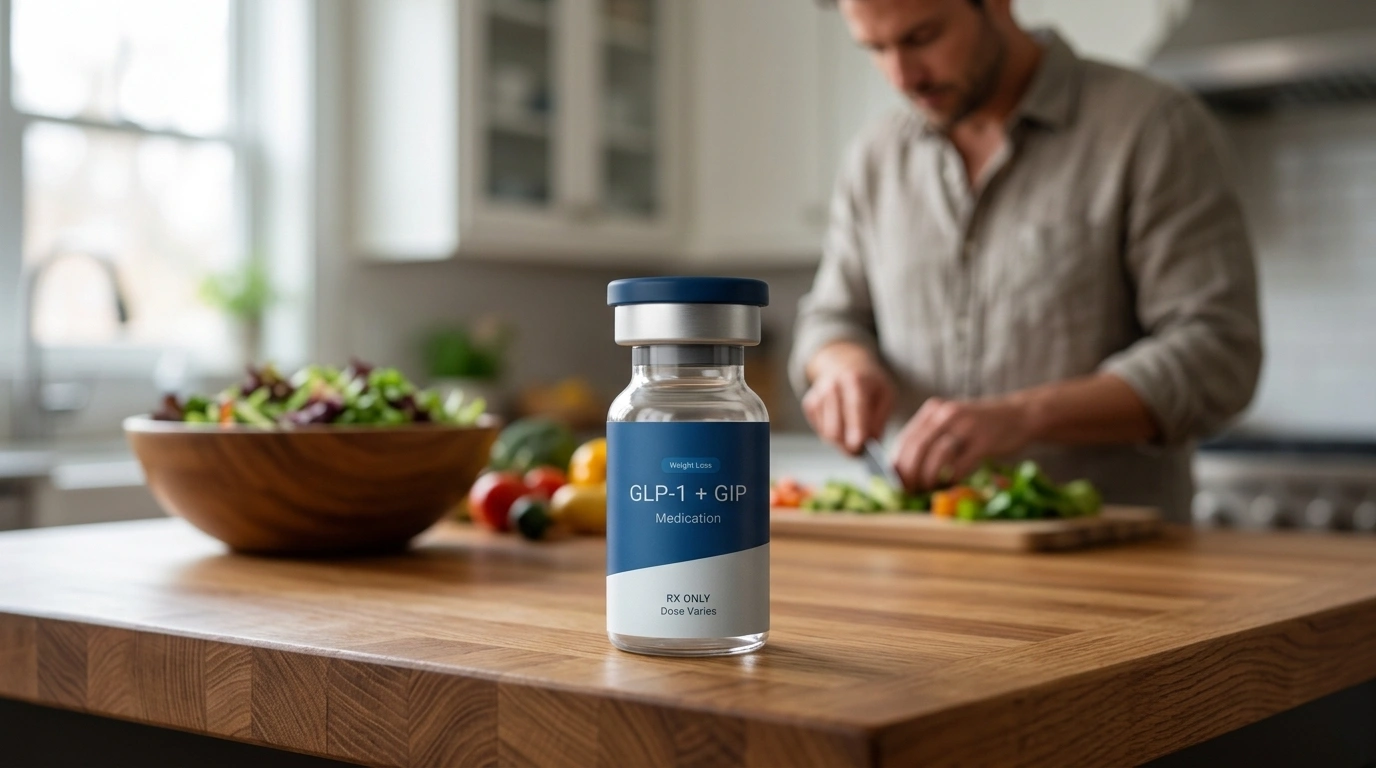
Quick Answer: Each Zepbound® vial contains exactly one single dose of medication. Although the vial may look like it holds more, it is designed for a one-time injection to ensure safety and dosage accuracy.
The Design of the Zepbound Vial
When you receive a vial instead of an autoinjector pen, the first thing you will notice is the size. These small glass containers are known as single-dose vials. This means that one vial equals one injection. Even if there is a tiny bit of liquid left in the glass after you draw your dose, you must discard the vial. For additional guidance on preparing and administering an injection, review this guide to taking a Zepbound® shot.
The medication inside is tirzepatide. This is a dual-action medication that targets two specific hormone receptors in the body. The first is glucagon-like peptide-1 (GLP-1), and the second is glucose-dependent insulinotropic polypeptide (GIP). By mimicking these natural hormones, the medication helps slow your digestion and tells your brain that you are full. You can also explore this overview of how GLP-1 medications work.
Each vial is typically filled with 0.5 mL of liquid. Regardless of whether your prescribed strength is 2.5 mg or 10 mg, the total volume of liquid usually remains the same. The concentration of the active ingredient is what changes. This standardized volume makes it easier for patients to learn how to draw the medication into a syringe.
Why One Dose Per Vial Matters
You might wonder why a vial is designed for only one dose instead of a multi-dose format. There are several clinical and safety reasons for this design choice.
Maintaining Sterility
Single-dose vials do not usually contain the same level of preservatives found in multi-dose containers. Every time a needle punctures the rubber stopper, there is a small risk of introducing bacteria. By using a fresh vial for every weekly dose, you significantly reduce the risk of infection at the injection site.
Dosage Precision
Weight loss medications like Zepbound® are highly sensitive to dosage. Using a single-dose vial ensures that you receive the exact amount prescribed by your healthcare provider. There is no guesswork involved in “measuring out” multiple doses from a single container, which prevents accidental over-dosage or under-dosage.
Stability of the Medication
Tirzepatide is a peptide. Peptides are strings of amino acids that can be fragile. They are sensitive to light, temperature, and exposure to air. Keeping the medication sealed in a single-dose glass vial until the moment of use helps maintain the integrity and effectiveness of the hormone agonists.
Comparing Vials and Autoinjector Pens
Before the introduction of vials, many patients were only familiar with the Zepbound® autoinjector pen. While the medication inside is identical, the experience of using them is quite different. For another comparison of these delivery formats, see this explanation of whether Zepbound® uses a single-dose pen.
| Feature | Autoinjector Pen | Single-Dose Vial |
|---|---|---|
| Doses per unit | One | One |
| Needle | Built-in (hidden) | Separate syringe needed |
| Manual Drawing | Not required | Required |
| Portability | High | Moderate (requires supplies) |
| Control | Automatic | Manual |
The pen is a “set it and forget it” device. You press it against your skin, and the device handles the needle insertion and delivery. The vial requires you to be a more active participant in your care. You will need to manually draw the liquid into a syringe and perform a subcutaneous injection (an injection just under the skin).
Key Takeaway: While the delivery method changes, the active medication is the same. Vials often provide a more accessible way for patients to receive the same clinical benefits as the pen.
How to Properly Use a Zepbound Vial
Since there is only one dose in each vial, the process of administration is straightforward once you practice it a few times. Because this involves needles and syringes, you should always receive training from a licensed healthcare provider before your first attempt.
Step 1: Preparation
Wash your hands thoroughly with soap and water. Clear a clean workspace and gather your supplies. You will need one Zepbound® vial, one sterile syringe with a needle, two alcohol swabs, and a sharps disposal container.
Step 2: Check the Medication
Inspect the vial. The liquid should be clear and colorless to slightly yellow. If it is cloudy, contains particles, or is past its expiration date, do not use it. Check the label to ensure the dosage matches your current prescription.
Step 3: Draw the Dose
Pop off the plastic cap of the vial. Wipe the rubber stopper with an alcohol swab. Draw air into your syringe equal to the 0.5 mL mark. Insert the needle into the vial and push the air in. Turn the vial upside down and slowly pull the plunger back to the 0.5 mL line to draw the medication.
Step 4: The Injection
Clean your chosen injection site (usually the thigh, abdomen, or back of the arm) with a fresh alcohol swab. Pinch the skin gently and insert the needle at a 45 to 90-degree angle. Push the plunger down completely. Hold it for five seconds to ensure the full dose is delivered.
Step 5: Disposal
Immediately place the used syringe and the empty vial into your sharps container. Never throw needles into the regular trash.
Available Dosages for Vials
The vial format is available in several strengths to accommodate the standard titration schedule. Titration is the process of slowly increasing your dose over several months to help your body adjust to the medication and minimize side effects. For more detail on available strengths and dose adjustments, read this guide to Zepbound® dosage.
- 2.5 mg: Usually the starting dose for the first four weeks.
- 5 mg: The first increase, often used for maintenance.
- 7.5 mg: An intermediate dose.
- 10 mg: A higher-strength dose for continued progress.
Your provider will determine which strength is right for you based on your health history and your body’s response to the treatment. Most programs involve staying on the 2.5 mg dose for at least one month before moving up. This gradual approach is essential for managing common gastrointestinal side effects like nausea or indigestion.
The Role of Tirzepatide in Weight Loss
Tirzepatide is a unique molecule because it is a dual agonist. While older medications only targeted the GLP-1 receptor, tirzepatide adds the GIP component. Research suggests that this combination may be more effective for some individuals because GIP helps regulate how the body breaks down sugar and fat.
When you take your weekly dose, the medication travels through your bloodstream to the brain and the digestive system. It slows down “gastric emptying,” which is the rate at which food leaves your stomach. This results in feeling full much longer after a meal. It also dampens the “food noise” or constant cravings that many people experience when trying to lose weight through diet alone.
At TrimRx, we focus on how these biological changes can be paired with sustainable lifestyle habits. Medication is a powerful tool, but it works best when supported by a balanced approach to nutrition and movement. Our personalized programs are designed to help you leverage the science of tirzepatide for long-term health.
Telehealth and Accessing Treatment
One of the biggest hurdles to starting a weight loss journey is the traditional medical system. Waiting weeks for an appointment or sitting in a crowded waiting room can be discouraging. Telehealth has changed this landscape by allowing you to connect with specialists from the comfort of your home. This guide to getting weight loss medication explains the general process in more detail.
The process of determining if you are a candidate for GLP-1 or GIP medications is now handled entirely online. Through our platform, we provide a streamlined assessment that reviews your medical history, current BMI, and health goals.
Step 1: Complete the Assessment. / Start by taking our free online health quiz to share your history and goals. Step 2: Provider Review. / A licensed healthcare provider reviews your profile to determine the safest and most effective treatment plan. Step 3: Personalized Program. / If eligible, you receive a program tailored to your needs, including medication options and ongoing support.
This telehealth-first model ensures that you have 24/7 access to a team of specialists who can answer questions about your doses or help you manage any side effects. There are no hidden fees, and everything from the provider consultation to the shipping is included in one consistent program. To begin, take the free assessment quiz.
Understanding Compounded Medications
In addition to branded medications like Zepbound®, many people explore compounded options. It is vital to understand the distinction between these two categories.
Compounded Semaglutide and Compounded Tirzepatide are not FDA-approved. However, they are prepared and shipped by FDA-registered, inspected compounding pharmacies. Compounding is a practice where a licensed pharmacist combines or alters ingredients to create a medication tailored to the needs of an individual patient.
This is often done during periods of medication shortages or when a patient needs a specific dosage strength that is not commercially available. While Zepbound® is a specific branded product, compounded versions contain the same active chemical ingredients. We ensure that our patients have access to high-quality options through our partnerships with regulated pharmacies.
Note: Always consult with a licensed healthcare provider to determine whether a branded or compounded medication is the right choice for your specific health profile.
Managing Side Effects and Nutrient Support
Even though there is only one dose in a Zepbound® vial, that single weekly injection can cause changes in how your body feels. The most common side effects are related to the digestive system. These include:
- Nausea
- Vomiting
- Diarrhea or constipation
- Heartburn or acid reflux
These symptoms often occur because the medication is doing exactly what it is designed to do: slowing down your digestion. To help manage these feelings, many people find success by eating smaller, more frequent meals and staying hydrated. You can also review this overview of GLP-1 injections and common considerations.
We also offer specialized supplements to support your journey. Our GLP-1 Daily Support and Weight Loss Boost are designed to help fill nutritional gaps and support metabolic health while you are on a prescription program. These supplements can be purchased directly without a quiz and are an excellent way to provide your body with the extra care it needs during active weight loss. For energy and metabolic support, explore the Weight Loss Boost supplement.
The Importance of a Personalized Program
Weight loss is not a one-size-fits-all experience. A dose that works perfectly for one person might be too high or too low for another. This is why the one-dose-per-vial system is so useful — it allows for precise adjustments at each stage of your titration.
Our approach at TrimRx emphasizes the “personalized” part of personalized medicine. We don’t just provide a prescription; we provide a program. This includes:
- Regular check-ins with licensed providers.
- Lab work to monitor your metabolic markers.
- Unlimited support to help you navigate dosage changes.
- Guidance on nutrition and lifestyle that complements your medication.
By looking at the whole person rather than just a number on the scale, we help our members achieve results that last. The goal is not just to lose weight, but to improve your overall quality of life and metabolic function.
Tips for Success with Vials
If you are transitioning to vials for the first time, keep these tips in mind to ensure your weekly dose is as effective as possible:
- Be Consistent: Pick a specific day of the week and a time that you can stick to. This keeps the levels of medication in your blood steady.
- Rotate Sites: Don’t inject in the exact same spot every week. Move between your thighs and abdomen to prevent skin irritation.
- Storage is Key: Store your vials in the refrigerator. Do not freeze them. If a vial is accidentally frozen, it must be discarded.
- Keep a Log: Note down the date, time, and injection site for each dose. This helps you track your progress and any side effects you might experience.
Bottom line: Each Zepbound® vial is a single-dose container designed for one-time use. Proper administration and storage are essential for safety and effectiveness.
Embracing a New Chapter in Health
Learning how to use a vial is a small but empowering step in your health journey. It gives you more control over your treatment and often makes the medication more accessible during times of supply fluctuation. While it may feel intimidating to handle a syringe for the first time, most people find that it becomes a quick and easy part of their weekly routine.
At TrimRx, we are here to support you through every stage of this process. Whether you are curious about the mechanism of GLP-1s or you are ready to start a comprehensive, medically supervised program, we provide the tools and empathy you need. Science-backed weight loss is about more than just a vial or a pen — it is about reclaiming your health and feeling like your best self again.
Our platform bridges the gap between clinical expertise and modern convenience. We believe that everyone deserves access to the latest advancements in metabolic health without the stress of traditional doctor visits. By combining personalized treatment plans with 24/7 support, we help you turn your goals into lasting reality. If you are ready to explore whether prescription treatment may be appropriate for you, see if you qualify for a personalized program.
FAQ
How many doses are in one Zepbound vial?
Each Zepbound® vial contains exactly one single dose of medication. You should never attempt to save any remaining liquid for a second dose, as the vials are designed for one-time use to maintain sterility and accuracy.
Can I use a Zepbound vial more than once?
No, you must discard the vial after a single use. Even if there is a small amount of liquid left at the bottom, using it again could lead to infection or an incorrect dosage because the vials lack preservatives found in multi-dose containers.
Do I need to buy my own needles for Zepbound vials?
Yes, unlike the autoinjector pens, Zepbound® vials require a separate syringe and needle for administration. Your healthcare provider or the pharmacy will typically provide instructions on the specific type of sterile syringe needed to draw the 0.5 mL dose.
How do I store my Zepbound vials?
You should store your vials in the original carton in the refrigerator at a temperature between 36°F and 46°F. Do not freeze the vials, and keep them away from direct light to ensure the medication remains stable and effective.
Disclaimer: This content is for informational purposes only and does not constitute medical advice. It is not intended to diagnose, treat, cure, or prevent any disease or condition. Individual results may vary. Always consult a qualified healthcare professional before starting any weight loss program or medication.

Transforming Lives, One Step at a Time
Keep reading

Why Is There a Bruise Where I Injected My Zepbound?
A bruise means a small blood vessel was disturbed under the skin and blood spread into the surrounding tissue. It is one of the…
My Zepbound Pen Won’t Click Past a Certain Dose
Start by checking which device you are holding, because the answer depends entirely on that. Zepbound has commonly been supplied in the United States…
Zepbound Alternatives: Your Options Compared
If Zepbound isn’t the right fit, the main alternative is semaglutide (sold as Wegovy), which produces slightly less weight loss but works similarly, along…


