Demystifying Muscle Loss: Does Ozempic Eat Your Muscles?
Introduction
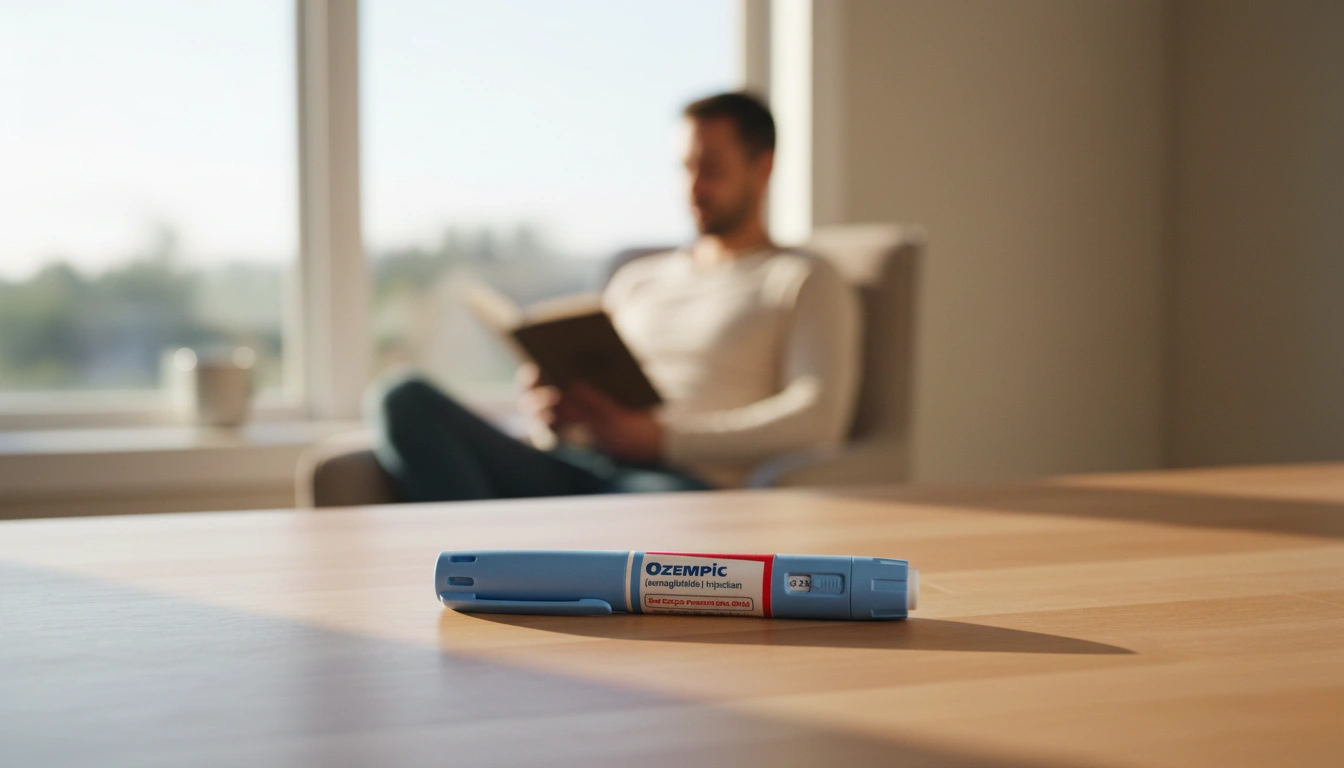
For many embarking on a weight loss journey, the scales can be a source of both hope and frustration. The advent of medications like Semaglutide (often known by brand names such as Ozempic® or Wegovy®) and Tirzepatide (Mounjaro® or Zepbound®) has offered a powerful new tool, ushering in remarkable progress for individuals managing Type 2 diabetes, insulin resistance, or obesity. Yet, with newfound success often comes new questions. One concern that frequently surfaces, sparking considerable discussion, is whether these medications, particularly Ozempic, lead to significant muscle loss. It’s a natural and important query, as muscle isn’t just about strength; it’s a cornerstone of our metabolism, mobility, and overall long-term health.
The purpose of this comprehensive guide is to delve deep into this topic, dissecting the relationship between GLP-1 receptor agonists and changes in body composition. We aim to clarify common misconceptions, presenting the scientific understanding and practical strategies to safeguard your lean muscle mass while pursuing effective weight management. This isn’t just about understanding the mechanisms; it’s about empowering you with actionable insights to achieve sustainable results and feel your best. We will explore what the latest research indicates, why preserving muscle is crucial, and how a holistic approach – combining medically supported treatment with strategic lifestyle changes – is key to a healthier, stronger you. By the end, you’ll have a clearer picture of how to optimize your weight loss journey, ensuring it supports your vitality and well-being in every aspect.
The Nuance of Weight Loss: Understanding Lean Mass and Muscle
When we discuss weight loss, it’s easy to oversimplify it as simply “losing pounds.” However, the composition of that lost weight is paramount for long-term health and sustainability. Our bodies are made up of various components, broadly categorized into fat mass and lean mass. Lean mass includes not only skeletal muscle but also water, bone, and organs like the liver. The concern that arises with rapid weight loss, regardless of the method, is the potential for a disproportionate loss of lean mass, specifically muscle.
For individuals considering or currently using GLP-1 medications, this concern about muscle loss is particularly salient. While these medications are incredibly effective in reducing appetite and slowing gastric emptying, leading to significant weight reduction, it’s important to understand how that weight is lost and what role GLP-1s play in the process of body composition changes.
Unpacking the “Does Ozempic Eat Your Muscles” Question
The idea that Ozempic or similar medications “eat your muscles” is a common misinterpretation. These drugs don’t directly target muscle tissue for breakdown. Instead, the observed loss of muscle mass is primarily a consequence of the overall rapid and substantial weight loss they facilitate. When the body is in a significant caloric deficit, it looks for energy sources. While fat is the primary target, muscle tissue can also be catabolized for energy if not adequately protected.
Research into GLP-1 agonists consistently shows that people experience significant reductions in body weight. For instance, clinical trials involving semaglutide have indicated that participants can lose a notable percentage of their body weight, with studies showing that a portion of this loss comes from lean mass. One study, for example, observed participants losing an average of 60% fat and 39% muscle mass when using semaglutide. Similarly, with tirzepatide, patients demonstrated roughly 75% fat loss and 25% muscle loss during treatment. These figures highlight that while fat loss predominates, lean mass loss is an expected component of significant weight reduction. It’s crucial to remember that this phenomenon is not unique to GLP-1 medications; substantial weight loss, whether achieved through diet alone, bariatric surgery, or other interventions, typically involves a component of muscle loss, often cited as one-quarter to one-third of the total weight lost.
The Role of Rapid Weight Loss and Sarcopenia
The speed at which weight is lost is a significant factor. Rapid weight loss can exacerbate the loss of muscle mass, potentially leading to a condition known as sarcopenia. Sarcopenia, characterized by the gradual loss of muscle mass, strength, and function, is typically associated with aging. However, when individuals experience rapid weight loss without proper nutritional support and exercise, sarcopenia can occur at any age. This “skinny fat” phenomenon, where a person’s body mass index (BMI) might be normal, but their lean muscle levels are critically low, can negatively impact quality of life by reducing stamina and the ability to perform daily activities.
A key point to consider, as highlighted by some research, is that while overall lean mass may decrease, not all of it is necessarily skeletal muscle. Organs like the liver may also reduce in size as a person loses weight, a process often considered a healthy adaptation to a smaller body mass. For example, a study in mice on semaglutide found that a significant portion of lost lean mass came from organs like the liver, which shrunk by nearly half, while skeletal muscle loss was more modest, around 6% on average. While these findings in mice cannot be directly extrapolated to humans without further clinical trials, they underscore the complexity of body composition changes during weight loss.
Muscle Size Versus Muscle Strength
An intriguing aspect of the scientific inquiry into GLP-1s and muscle involves the distinction between muscle mass and muscle strength. The mouse study mentioned earlier found that even when muscle size remained relatively unchanged, the force-generating capacity (strength) of some muscles decreased as the mice lost weight. This suggests that the impact of weight loss medications on physical function might be more nuanced than simply measuring changes in muscle mass. For adults over 60, who are already at a higher baseline risk for age-related muscle loss and reduced mobility, any potential reduction in strength is a particular concern, as physical function is a strong predictor of both quality of life and longevity. This emphasizes the urgent need for comprehensive clinical studies in humans to fully understand the effects of these powerful medications.
At TrimRx, we are committed to providing personalized, medically supervised care that prioritizes your safety and long-term health. Our journey began with a shared vision to merge cutting-edge telehealth innovations with effective weight loss solutions. We understand these nuances of weight loss and aim to empower you with the knowledge and tools to navigate your journey successfully, ensuring that every step you take brings you closer to a healthier, stronger self. We believe that sustainable weight loss should be achieved through science, empathy, and a transparent approach. To understand how a personalized plan could benefit you, we encourage you to take our free assessment quiz today.
Why Muscle Preservation is Non-Negotiable for Sustainable Weight Loss
Preserving muscle mass during weight loss is not merely an aesthetic concern; it’s foundational for sustained results, metabolic health, and overall well-being. Losing muscle can create a cascade of challenges that undermine your progress and quality of life. Understanding these implications highlights why a focus on muscle retention is critical.
The Metabolic Impact
Muscle tissue is metabolically active, meaning it burns calories even when you are at rest. This is known as your resting metabolic rate (RMR). When you lose muscle mass, your RMR decreases, meaning your body burns fewer calories throughout the day. This creates a significant hurdle for long-term weight management. A lower RMR can make it harder to continue losing weight, often leading to plateaus, and makes it much easier to regain fat once you reach your goal or if you discontinue medication. This often results in the frustrating cycle of weight regain that many experience, as the body becomes more efficient at storing calories rather than burning them.
Impact on Mobility and Function
Strong muscles are essential for daily activities. From carrying groceries and climbing stairs to keeping up with children or grandchildren, muscle power enables us to navigate life with ease and independence. A significant loss of muscle mass can make these everyday tasks feel harder, leading to reduced stamina and a diminished quality of life. This can be particularly impactful for older adults, where muscle loss combined with rapid weight reduction can significantly increase the risk of falls and injuries. Muscle supports balance and stability, and its degradation compromises these vital functions.
Bone Health and Joint Support
Muscles act as natural armor for our joints, cushioning them and providing crucial support. Without strong muscles, joints like the knees, hips, and back take on more strain, which can lead to increased pain and a higher risk of musculoskeletal issues. Furthermore, muscle contraction plays a role in stimulating bone density. Rapid weight loss, especially when combined with reduced muscle mass, can negatively impact bone health. This is particularly concerning for individuals, especially women after menopause, who are already at an increased risk of osteoporosis. Preserving muscle contributes directly to maintaining strong bones, a vital component of a healthy, active lifestyle.
Long-Term Health and Quality of Life
Ultimately, retaining muscle mass is about building a foundation for long-term health. It improves energy levels, enhances stamina, and helps you feel more confident and stable in your movements. Studies show that individuals who maintain higher muscle mass tend to have better health outcomes, improved cardiometabolic health, and a greater “healthspan”—the period of life spent in good health. Without a strategic approach to muscle preservation, the benefits of weight loss from medications like Ozempic can be compromised, potentially leading to a less resilient body in the long run.
At TrimRx, we believe that your weight loss journey should empower you, not diminish your strength. Our personalized programs are designed to support not just weight loss, but comprehensive well-being, including strategies for muscle preservation. We strive to offer compassionate care that respects every individual’s unique journey by combining advanced medical science with modern technology, helping you build a healthier future.
Proactive Strategies to Preserve Muscle Mass While Losing Weight
While rapid weight loss can indeed lead to some muscle loss, it is not an inevitable outcome, nor is it uncontrollable. By adopting proactive and targeted strategies, you can significantly mitigate muscle loss and ensure that your weight loss journey contributes to a stronger, healthier body. Our approach at TrimRx emphasizes this holistic view, combining effective medication with essential lifestyle adjustments.
Prioritize Protein Intake
Protein is the building block of muscle, and consuming adequate amounts is paramount for muscle preservation during a caloric deficit. When you’re losing weight, especially with medications that reduce appetite, it can be challenging to meet your protein needs. Most experts recommend consuming a higher amount of high-quality protein daily, often suggesting 60-90 grams or even more, depending on individual body weight and activity levels. Aiming for 25-30 grams of protein per meal can help maximize muscle synthesis.
Good sources of protein include:
- Lean Meats: Chicken breast, turkey, lean beef, fish.
- Dairy: Greek yogurt, cottage cheese, milk, whey protein.
- Eggs: A complete protein source.
- Legumes & Plant-Based Options: Beans, lentils, tofu, quinoa.
For those experiencing reduced appetite or nausea from medication, protein supplements can be an excellent way to ensure adequate intake. Our GLP-1 Daily Support is specifically formulated to assist with this, providing essential nutrients that complement your weight loss journey. Another excellent option to aid your protein goals and overall wellness is our Weight Loss Boost.
Engage in Regular Strength and Resistance Training
Movement, particularly strength-preserving activity, is non-negotiable for muscle retention. Resistance training signals to your body that your muscles are needed, encouraging it to preserve and even build muscle tissue despite being in a caloric deficit. It’s not about becoming a bodybuilder; even small, regular doses of the right type of movement can make a powerful difference.
Consider incorporating:
- Weightlifting: Using free weights, machines, or even everyday objects.
- Bodyweight Exercises: Squats, lunges, push-ups, planks – these can be done anywhere.
- Resistance Bands: A versatile and effective tool for all fitness levels.
- Activities like Pilates: Focuses on core strength and muscle endurance.
Aim for at least 3-4 sessions of strength training per week, targeting all major muscle groups. If you’re new to exercise, working with a personal trainer or seeking guidance on proper form can help prevent injury and maximize effectiveness. The combination of expert guidance and smart technology ensures our members can safely and confidently build muscle-preserving activity into their daily routines.
Prioritize Hydration
Water plays a critical role in almost every bodily function, and muscle health is no exception. Muscle tissue is approximately 76% water, so adequate hydration is crucial for muscle function, nutrient transport, and recovery after exercise. Dehydration can lead to fatigue, muscle cramps, and can exacerbate muscle loss. A general guideline is to drink half your body weight in ounces of water daily. For example, a 200-pound person should aim for about 100 ounces of water each day. However, individual needs can vary based on activity level, climate, and overall health.
Focus on Gradual, Sustainable Weight Loss
While the desire for quick results is understandable, a slower, more deliberate pace of weight loss is generally more beneficial for preserving muscle and bone health. Rapid, crash diets or extremely low-calorie approaches can lead to a more significant proportion of muscle loss in the short term, which can be detrimental in the long run. Working towards small, consistent losses over a longer period allows your body to adapt more gradually, giving you a better chance to retain lean mass.
Our medically supervised weight loss programs at TrimRx are designed to foster sustainable change. We provide comprehensive service that includes doctor consultations, medication (where eligible), lab work, unlimited support, and shipping, all with no hidden fees. We partner with FDA-registered and inspected pharmacies for the shipping of our personalized prescription weight loss medications, such as Compounded Semaglutide, Oral Semaglutide, Ozempic®, Compounded Tirzepatide, Oral Tirzepatide, Mounjaro®, Zepbound®, and Wegovy®. For branded medications like Ozempic®, Mounjaro®, Zepbound®, and Wegovy®, it’s important to note their FDA approval. Compounded medications, while effective, are not FDA approved. Our commitment to transparent service ensures our approach remains consistent, irrespective of dosage changes.
The TrimRx Difference: Personalized Support for Your Journey
At TrimRx, we understand that weight loss is a deeply personal journey, often fraught with unique challenges and questions. Our dedication goes beyond simply providing effective medications; we are committed to offering a holistic, supportive, and scientifically-backed pathway to healthier living. Our brand embodies empathy, innovation, trustworthiness, and a results-oriented approach, all centered on your individual needs.
Our Vision and Values
Our journey at TrimRx began with a shared vision: to help individuals embrace healthier lifestyles by merging cutting-edge telehealth innovations with effective weight loss solutions. We saw a need for a platform where personalized, medically supervised care was not only accessible but also genuinely tailored to the individual. We firmly believe that sustainable weight loss should be achieved through science, empathy, and a transparent approach, ensuring that your path to wellness is safe, effective, and lasting.
Personalized Care and Medically Supervised Programs
Unlike generic approaches, TrimRx focuses on creating a personalized treatment plan for each individual. This journey begins with our free, comprehensive assessment quiz. This quiz is designed to gather essential information about your health, lifestyle, and weight loss goals, allowing our medical professionals to determine your eligibility for our prescription weight loss medications. These may include Compounded Semaglutide, Oral Semaglutide, Ozempic®, Compounded Tirzepatide, Oral Tirzepatide, Mounjaro®, Zepbound®, and Wegovy®.
Our medically supervised programs ensure that your health is continuously monitored, and your treatment plan is adjusted as needed. This comprehensive service includes doctor consultations, necessary lab work, the medication itself, unlimited support throughout your journey, and convenient shipping directly to you. We emphasize our commitment to safety by working exclusively with FDA-registered and inspected pharmacies for the shipping of our weight loss medications, ensuring you receive quality products. It’s important to clarify that TrimRx facilitates access to this medically supervised care and partners with these pharmacies for medication shipping.
To find out if you qualify for a personalized prescription weight loss plan, we invite you to take our free assessment quiz.
Beyond Prescription: Quick-Access Supplements
We also recognize that a comprehensive approach to wellness often benefits from additional support. For those looking for immediate, complementary solutions that do not require a prescription or a qualifying quiz, we offer a range of quick-access supplements designed to support your overall well-being during your weight loss journey.
These include:
- GLP-1 Daily Support: Formulated to complement the effects of GLP-1s and support your body’s natural processes.
- Weight Loss Boost: Designed to further enhance your weight loss efforts and promote vitality.
These supplements are readily available for purchase, offering you additional tools to nourish your body and support your health goals.
The Future of Weight Management
The field of weight management is constantly evolving, with ongoing research exploring new ways to optimize outcomes, including preventing muscle loss. Pharmaceutical companies are actively developing novel medications and combinations, such as monoclonal antibodies like bimagrumab, which aims to preserve muscle mass while enhancing fat reduction. These advancements promise even more tailored and effective solutions in the years to come. At TrimRx, we remain at the forefront of these innovations, continually seeking to integrate the latest scientific understanding into our programs to provide you with the most advanced and effective care.
By choosing TrimRx, you’re not just getting medication; you’re gaining a partner dedicated to your health journey, offering compassionate care, scientifically-backed solutions, and unwavering support. We are here to help you achieve not just weight loss, but sustainable health, strength, and confidence.
Conclusion
The question of whether medications like Ozempic “eat your muscles” is more complex than a simple yes or no. The current scientific understanding indicates that while GLP-1 receptor agonists are highly effective at promoting significant weight loss, a portion of this loss, as with any substantial weight reduction, can come from lean mass, including muscle. These medications do not directly target muscle for degradation; rather, muscle loss is a consequence of the overall caloric deficit and rapid weight reduction. The percentages of fat versus lean mass lost can vary, with fat loss consistently being the predominant component, but the preservation of muscle remains a critical factor for long-term health.
The implications of muscle loss, such as a lowered metabolic rate, reduced mobility, decreased bone density, and an increased risk of falls, underscore the vital importance of proactive strategies. By prioritizing adequate protein intake, engaging in regular strength and resistance training, maintaining optimal hydration, and aiming for gradual, sustainable weight loss, individuals can significantly mitigate muscle loss and protect their overall well-being. This integrated approach ensures that the weight you lose is predominantly fat, paving the way for a healthier metabolism, greater strength, and enhanced quality of life.
At TrimRx, we are committed to supporting you on this journey with medically supervised, personalized weight loss solutions that emphasize safety, efficacy, and individualized care. Our platform provides access to cutting-edge medications like Compounded Semaglutide and Compounded Tirzepatide, delivered through FDA-registered and inspected pharmacies, complemented by comprehensive support. We believe in empowering you with the knowledge and tools to not only achieve your weight loss goals but also to foster enduring health and vitality. By combining the power of modern medicine with strategic lifestyle choices, you can build a stronger, more resilient body.
To begin your personalized path to sustainable weight loss and discover if our prescription programs are right for you, we encourage you to take our free assessment quiz. Additionally, for immediate support in your wellness journey, explore our quick-access supplements like GLP-1 Daily Support and Weight Loss Boost. Your journey to a healthier, stronger you starts now.
Frequently Asked Questions
Q1: Do GLP-1 medications like Ozempic directly cause muscle loss?
No, GLP-1 medications like Ozempic (semaglutide) do not directly “eat” or target your muscles for degradation. The observed loss of muscle mass is primarily a consequence of the significant and rapid overall weight loss these medications facilitate. When the body enters a substantial caloric deficit, it uses stored energy, which can include muscle tissue if not adequately protected through diet and exercise. This phenomenon is common with any rapid and significant weight loss, regardless of the method.
Q2: Why is it important to prevent muscle loss during weight loss?
Preserving muscle mass is crucial for several reasons. Muscle is metabolically active, meaning it helps burn calories even at rest, contributing to a healthy resting metabolic rate. Losing muscle can lower your metabolism, making it harder to sustain weight loss and easier to regain fat. Furthermore, muscle is essential for strength, mobility, balance, and protecting your joints. Significant muscle loss can lead to reduced physical function, increased risk of falls, and negative impacts on bone health, particularly as you age.
Q3: What are the most effective strategies to prevent muscle loss while taking weight loss medication?
To effectively prevent muscle loss, a multi-faceted approach is key. Prioritizing a high-protein diet (aiming for 60-90 grams or more daily, distributed across meals) provides the building blocks for muscle. Regular strength and resistance training (2-4 times a week) signals to your body to preserve muscle. Staying well-hydrated is also essential for muscle function and recovery. Finally, aiming for gradual, sustainable weight loss rather than rapid, drastic reductions can help your body adapt more effectively and protect lean mass. Our programs at TrimRx focus on supporting these essential lifestyle changes alongside medication.
Q4: How can TrimRx help me manage muscle preservation during my weight loss journey?
TrimRx offers a personalized, medically supervised approach that integrates effective weight loss medications with guidance on lifestyle strategies, including muscle preservation. Through our free assessment quiz, we determine your eligibility for prescription medications like Compounded Semaglutide or Compounded Tirzepatide. Our comprehensive service includes doctor consultations, lab work, the medication itself (shipped from FDA-registered and inspected pharmacies), and unlimited support. We also offer quick-access supplements like GLP-1 Daily Support and Weight Loss Boost to further support your nutritional needs and overall wellness, helping you achieve sustainable results while safeguarding your lean muscle.

Transforming Lives, One Step at a Time
Keep reading

Online Ozempic Prescription Texas
You can get an Ozempic prescription online in Texas through a licensed telehealth provider without an in-person visit. Texas telehealth law allows providers to…

Online Ozempic Prescription California
You can get an Ozempic prescription online in California through a licensed telehealth provider without an in-person visit. California’s telehealth laws allow providers to…
Weight Loss Clinic Online Texas: Your Options
An online weight loss clinic in Texas gives you access to GLP-1 medications like semaglutide and tirzepatide through a fully virtual process. You complete…


