Is Ozempic Pen Single Use? Your Complete Dosing Guide
Introduction
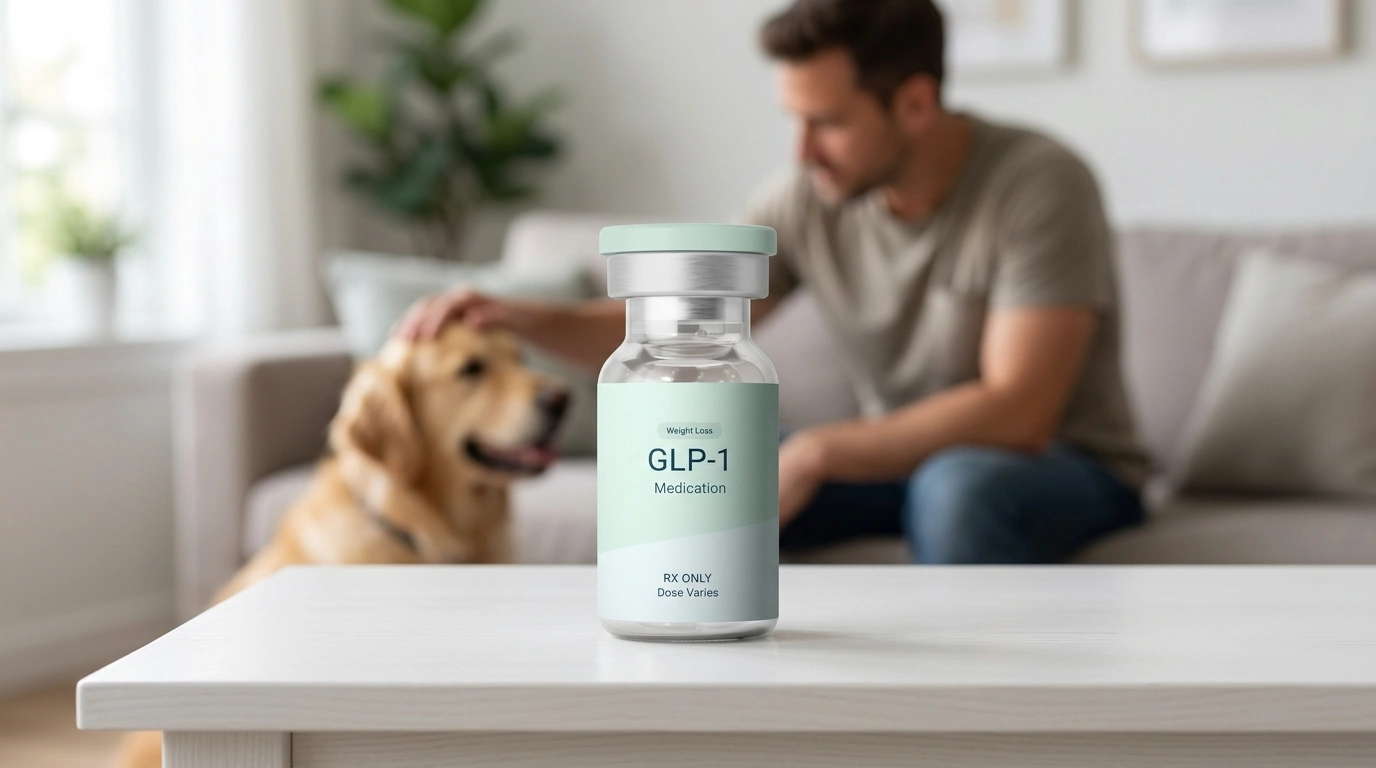
Standing in front of the mirror with your first prescription can feel like a mix of excitement and nerves. For many, the most immediate question isn’t about the science of the medication, but about the device in their hand. You might be looking at the sleek, pre-filled injector and wondering: is Ozempic pen single use, or does this one device need to last for the next month? Understanding how to handle your medication safely is the first step toward a successful health journey. At TrimRx, we believe that clarity is the foundation of confidence when it comes to medical weight loss. This post covers exactly how the dosing system works, how to manage your pen variations, and the safety protocols you need to know. The Ozempic® pen is a multi-dose device designed for several weekly injections, making it different from many other single-use injectable medications.
Quick Answer: No, the Ozempic® pen is not single-use. It is a multi-dose pen that typically contains four weekly doses of medication. While the pen itself is used multiple times, you must use a new, sterile needle for every individual injection.
Understanding the Multi-Dose Injection System
Unlike some medications that come in a single-use “auto-injector” where the entire device is discarded after one click, the Ozempic® pen is a sophisticated, multi-dose delivery system. This means the pen contains a reservoir of medication intended to last for a specific treatment cycle, usually four weeks. For additional background, read this guide to how Ozempic pens are designed and packaged.
The device features a dose selector dial at the end. This dial allows you to click through to your specific prescribed amount. Because the pen is designed to be used multiple times, it is built with a sturdy internal plunger and a clear window so you can monitor the remaining liquid.
It is important to distinguish between the pen and the needle. While the pen is multi-use, the needles are strictly single-use. Each time you prepare for your weekly dose, you will attach a fresh, disposable needle to the tip of the pen. After the injection, that needle is removed and discarded in a sharps container, while the pen cap is replaced and the device is stored for the following week. You can also review this guide to using and changing Ozempic pen needles.
The Different Types of Ozempic Pens
Not every pen is the same. The manufacturer produces three primary versions, often identified by the color of the label on the box and the pen itself. Each is designed for a specific stage of your treatment plan.
The Red Label Pen (0.25 mg or 0.5 mg)
This is typically the “starter” pen. When you first begin a program, a healthcare provider will usually start you on a low dose to help your body adjust to the medication. This pen contains a total of 2 mg of semaglutide (a glucagon-like peptide-1 receptor agonist, or GLP-1). It can deliver:
- Four doses of 0.25 mg and two doses of 0.5 mg
- Or, six doses of 0.25 mg
- Or, four doses of 0.5 mg
The Blue Label Pen (1 mg)
Once your body has adjusted to the starting doses, you may be moved to a maintenance dose. The blue-labeled pen is designed to deliver exactly 1 mg per injection. It contains a total of 4 mg of medication, providing four weekly doses.
The Yellow Label Pen (2 mg)
For individuals who require a higher therapeutic level for blood sugar management or weight support, the yellow pen is the highest strength available. It contains a total of 8 mg of medication and delivers four weekly doses of 2 mg each.
| Pen Label Color | Total Medication in Pen | Dose per Injection | Number of Doses |
|---|---|---|---|
| Red | 2 mg | 0.25 mg or 0.5 mg | 4 to 6 doses |
| Blue | 4 mg | 1 mg | 4 doses |
| Yellow | 8 mg | 2 mg | 4 doses |
If you are discussing whether prescription GLP-1 treatment may fit your health history and goals, you can complete a free eligibility assessment.
Why Single-Patient Use Matters
Even though the pen is multi-dose, it is strictly for single-patient use. You should never share your pen with another person, even if you have changed the needle.
Sharing medical injection devices carries a significant risk of transmitting bloodborne pathogens or infections. The medication inside the reservoir must remain sterile and dedicated to one health profile. Our specialists emphasize that your treatment program is personalized to your specific medical history and needs. Sharing medication bypasses the necessary medical supervision that ensures your safety.
Key Takeaway: The Ozempic® pen is a multi-dose tool meant for one person only. While you use it for four weeks, you must use a fresh needle for every shot to prevent infection and ensure dose accuracy.
Step-by-Step: How to Use Your Multi-Dose Pen
Using a multi-dose system requires a bit more attention than a simple “one-and-done” injector. Following a consistent routine ensures you receive the full dose and maintain the integrity of the device.
Step 1: Inspect the medication. / Remove the pen cap and look at the liquid in the window. It should be clear and colorless. If it is cloudy, colored, or contains particles, do not use it.
Step 2: Attach a new needle. / Take a new, sterile needle and pull off the paper tab. Push the needle straight onto the pen and turn until it is tight. Remove both the outer and inner needle caps. Save the outer cap for later.
Step 3: Check the flow (Priming). / If it is a brand-new pen, you must check the flow before the first injection. Turn the dose selector to the flow check symbol. Hold the pen with the needle pointing up and press the dose button. A drop of liquid should appear at the needle tip.
Step 4: Select your dose. / Turn the dose selector until the counter shows the dose your provider prescribed (for example, 0.25 or 0.5). You will hear a clicking sound as you turn the dial.
Step 5: Inject the medication. / Choose an injection site (stomach, thigh, or upper arm). Insert the needle into your skin. Press and hold the dose button until the dose counter returns to 0. Count to six slowly before removing the needle to ensure the full amount is delivered.
Step 6: Remove and discard the needle. / Carefully place the outer needle cap back on and unscrew the needle. Dispose of it in a puncture-resistant sharps container. Replace the pen cap before storing.
Storage and the 56-Day Rule
Because you are using the same pen for several weeks, proper storage is vital. How you handle the pen between doses affects the stability of the semaglutide. For more information, review this Ozempic storage and pen-handling guide.
Before first use: Keep your unused pens in the refrigerator. They should stay between 36°F and 46°F. Do not freeze the medication. If a pen becomes frozen, it is no longer safe to use and must be discarded.
After the first use: You have more flexibility once you have started a pen. You can keep it in the refrigerator or store it at room temperature (between 59°F and 86°F). However, you must keep the pen cap on to protect the medication from light.
The 56-day expiration: This is a critical safety rule. An Ozempic® pen must be thrown away 56 days after its first use, even if there is still medication left inside. Over time, the preservative in the medication can lose its effectiveness, and the liquid may lose its potency or become contaminated. We recommend marking the date of first use on your calendar so you know exactly when the 56-day window closes.
Managing Side Effects and Expectations
As your body adjusts to the GLP-1 pathway, you may experience some changes. Because you are using a multi-dose pen, your provider may gradually increase your dose over several months. This “titration” process is designed to help your system get used to the medication and minimize discomfort.
Common experiences during the first few weeks may include:
- Mild nausea or upset stomach
- Changes in appetite or fullness levels
- Occasional fatigue
Most of these symptoms are temporary and tend to fade as you stay consistent with your weekly routine. If you experience severe abdominal pain, persistent vomiting, or signs of an allergic reaction, you should contact a healthcare professional immediately.
To support your body during this transition, we often recommend focusing on hydration and mindful eating. Some individuals find additional support through specialized supplements. For example, our GLP-1 Daily Support supplement is designed to help provide essential nutrients that may be lacking when your appetite decreases.
Personalized Weight Loss with TrimRx
Navigating the world of injectable medications can be overwhelming. While Ozempic® is a well-known brand, it is just one option in a growing field of metabolic health treatments. At TrimRx, we focus on the individual, not just the prescription.
We connect you with licensed healthcare providers who evaluate your health profile, goals, and medical history to create a program that fits your life. Our platform provides access to a range of treatments, including Compounded Semaglutide and Compounded Tirzepatide.
It is important to understand that compounded medications are different from branded products like Ozempic®, Wegovy®, Mounjaro®, or Zepbound®. While branded products come in the multi-dose pens described above, compounded versions are prepared by FDA-registered and inspected compounding pharmacies. They are often delivered in a vial with a supply of single-use syringes. This “vial and syringe” method is also highly effective and allows for precise, personalized dosing.
Regardless of the delivery method, our mission is to provide a telehealth-first experience that removes the barriers of waiting rooms and hidden fees. When you join our program, you receive:
- A clinical consultation with a licensed provider
- A personalized treatment plan based on your biology
- Medication shipped directly to your door from a regulated pharmacy
- Ongoing 24/7 support from our specialist team
How to Get Started
If you are ready to move beyond the confusion of dosing and pen types, the first step is simple. We provide a free online assessment quiz that helps determine your eligibility for our medical weight loss programs.
This assessment looks at your BMI, health history, and weight loss goals. If a provider determines that a GLP-1 medication is appropriate for you, they will help you navigate the process of starting your first dose—whether that involves a multi-dose pen or a personalized compounded plan.
For those who are not looking for a prescription program but still want to support their metabolic health, we offer quick-access options like our Weight Loss Boost supplement, which can be purchased immediately without a clinical assessment.
Conclusion
The question “is Ozempic pen single use” is a common starting point for many patients, and the answer—that it is a multi-dose system—highlights the importance of proper education in your weight loss journey. By understanding the 56-day rule, the need for fresh needles, and the different pen strengths, you can focus on what really matters: your long-term health and wellness.
We are here to be your partner in this process. Our approach combines clinical expertise with a deep empathy for the challenges of sustainable weight loss. We believe that with the right tools, science-backed guidance, and a personalized plan, achieving your goals is entirely possible.
Bottom line: The Ozempic® pen is built for multiple weeks of use, but your safety depends on using a new needle every time and respecting the 56-day expiration limit.
FAQ
How do I know when my Ozempic pen is empty?
You will know the pen is empty when the dose counter no longer allows you to dial to your full prescribed dose. While you may still see a small amount of liquid through the clear window, the internal plunger has reached its limit and cannot deliver a complete, accurate dose. At this point, you should dispose of the pen and start a new one. This guide to Ozempic pen usage and storage covers the same dose-counter question in greater detail.
What should I do if I forget to change the needle?
Reusing a needle increases the risk of infection, skin irritation, and needle blockage, which can lead to an inaccurate dose. If you realize you have reused a needle, monitor the injection site for redness or swelling and ensure you use a fresh, sterile needle for all future injections. Always consult your healthcare provider if you notice signs of infection.
Can I travel with my multi-dose pen?
Yes, you can travel with your pen, but you must keep it protected from extreme temperatures. While an in-use pen can stay at room temperature for up to 56 days, it should never be left in a hot car or a checked luggage compartment where it might freeze. Use a small insulated travel case if you are moving between different climates to ensure the medication stays within the safe range.
Why is there a tiny bit of liquid left in the pen after my last dose?
It is normal to see a small “residual” amount of liquid in the pen window even after the plunger has reached the end of its travel. The manufacturer includes a slight overfill to ensure that the final dose is fully delivered at the correct pressure. Do not attempt to “force” the remaining liquid out; once the dial stops turning to your dose, the pen is considered finished.
Disclaimer: This content is for informational purposes only and does not constitute medical advice. It is not intended to diagnose, treat, cure, or prevent any disease or condition. Individual results may vary. Always consult a qualified healthcare professional before starting any weight loss program or medication.

Transforming Lives, One Step at a Time
Keep reading

Is It Normal for Nausea to Come Back on Ozempic?
Many people on Ozempic or another GLP-1 have a rough first few weeks, then settle in and feel much better. So it can be…
Is It Normal to Not Feel Anything After Taking Ozempic?
You have heard stories about people losing interest in food overnight or feeling queasy after their first dose. Then you take your own first…

Is It Normal to Have Dark Urine on Ozempic?
Noticing that your urine is darker than usual can be worrying. On Ozempic or another GLP-1, the most common reason is simple: you are…


