Do Boobs Get Smaller With Weight Loss? Our Unflinching Look
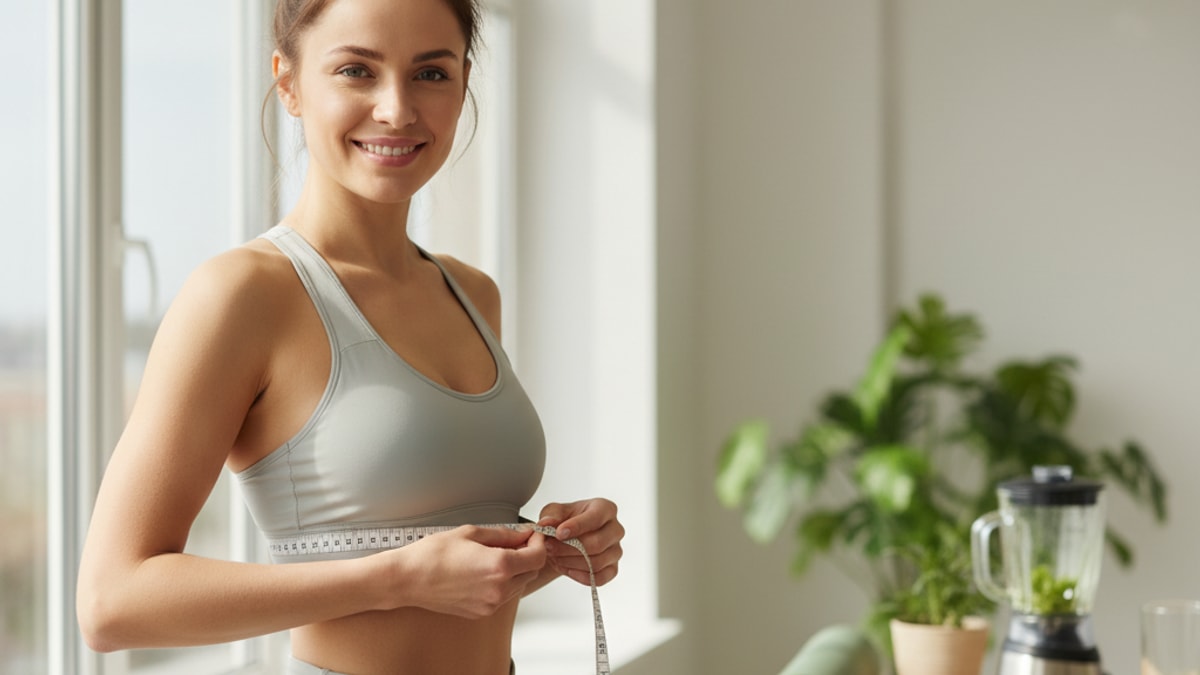
It’s one of the most frequently asked questions we encounter, though sometimes it’s asked in a whisper. On forums, in consultations, in quiet conversations with friends—the question comes up again and again: do boobs get smaller with weight loss? Let’s be direct. For many, the answer is yes. But that single word is a massive oversimplification of a deeply personal and biologically complex process.
Here at TrimrX, our team of medical professionals guides patients through transformative weight loss journeys using advanced tools like GLP-1 medications. We don't just focus on the number on the scale; we focus on the whole person and the whole-body changes that come with significant, healthy weight loss. And that absolutely includes navigating the aesthetic and emotional aspects of this change. Understanding what happens to your body, including your breasts, is a critical part of feeling empowered and prepared for the road ahead. So, let’s get into it, unflinchingly and with the scientific clarity you deserve.
The Real Science of Breast Composition
To understand why breast size can change with weight loss, you first have to understand what breasts are actually made of. It’s not one uniform substance. Instead, the female breast is a complex structure composed primarily of two types of tissue: fibrous glandular tissue and adipose tissue. That’s a fancy way of saying milk-producing structures and fat.
- Fibrous Glandular Tissue: This is the functional part of the breast. It includes the milk ducts and lobules responsible for lactation. This tissue is dense and firm.
- Adipose Tissue: This is simply body fat. It fills the space around the glandular tissue, giving the breast its softness and much of its volume.
The critical point—and our team can't stress this enough—is that the ratio of glandular tissue to adipose tissue is unique to every single person. It’s a genetic lottery. Some individuals have what are known as “dense” or “fibrous” breasts, meaning they have a much higher proportion of glandular tissue to fat. Others have “fatty” or “less dense” breasts, where adipose tissue makes up the majority of the volume. You can’t tell just by looking. This internal composition is the single most important factor determining how much your breast size will change when you lose weight.
Think of it this way. When you embark on a weight loss journey, your body begins to burn stored adipose tissue for energy. It doesn't discriminate. It pulls fat from your arms, your belly, your thighs, and yes, from your breasts. But it can’t burn glandular tissue. That tissue is functional, not stored energy. So, if your breasts are primarily composed of fat, you’re likely to see a more noticeable reduction in size. If they are primarily glandular, the change might be minimal. It’s that simple, and that complicated.
Where Does the Fat Go First? The Myth of Spot Reduction
We’ve all seen the ads for workouts that promise to “melt belly fat” or “slim your thighs.” It’s a compelling idea, but scientifically, it’s a myth. Your body loses fat in a genetically predetermined pattern. You can't tell your body to only take fat from your abdomen while leaving your chest alone. It just doesn't work that way.
When you achieve a caloric deficit—something that GLP-1 medications like Semaglutide and Tirzepatide are exceptionally good at helping you maintain by regulating appetite and improving metabolic function—your body taps into its fat reserves systemically. For some, the fat comes off the face and arms first. For others, it’s the hips and butt. And for many, the breasts are one of the areas where fat loss is noticeable early on. This is purely down to your DNA.
This is a crucial concept we discuss with our patients. Embracing a medically-supervised weight loss program means embracing a whole-body transformation. The goal is to reduce overall body fat percentage to improve your metabolic health, reduce strain on your joints, and lower your risk for chronic diseases. The aesthetic changes, including a potential reduction in breast size, are part of that holistic process. It’s not about picking and choosing where you lose; it’s about becoming healthier overall.
Genetics, Hormones, and Age: The Unseen Influencers
Your journey with your body is a long one, and breast composition isn't static. It's profoundly influenced by a trio of powerful forces: genetics, hormones, and age.
Genetics, as we've mentioned, is the architect. It lays down the blueprint for your fat-to-glandular tissue ratio and dictates your body's fat storage patterns. But hormones are the contractors, constantly renovating the structure. During puberty, estrogen drives the development of both glandular and adipose tissue. During pregnancy and lactation, hormones like prolactin cause the glandular tissue to expand dramatically. Then comes menopause, when estrogen levels decline. This often triggers a process called involution, where the glandular tissue shrinks and is replaced by more adipose tissue. This is why many women notice their breasts become softer and less firm as they get older.
What does this mean for weight loss? It means the impact of losing 20 pounds at age 25 might be very different from losing the same amount at age 55. A younger woman might have denser, more glandular breasts that change less, while a post-menopausal woman might find her breasts, now composed of more fat, reduce in size more significantly. It's a dynamic system. There is no one-size-fits-all answer, which is why a personalized, medically-guided approach is so effective. We don't just look at your current weight; we consider your life stage and hormonal context to help you understand the changes you're experiencing.
Managing Expectations: What Will Your Results Look Like?
So, how much smaller will they get? Honestly, no one can tell you for sure. It is entirely individual. We've had patients who lost over 50 pounds and barely dropped a cup size, and others who lost 15 pounds and needed a whole new set of bras. The variability is immense.
Our professional advice is to shift the focus. Instead of worrying about a specific cup size, concentrate on the incredible health benefits you're gaining. Focus on the feeling of having more energy, moving more freely, and seeing your health markers—like blood pressure and blood sugar—improve dramatically. The changes in your body are evidence of your success and your commitment to a healthier life. It's a paradigm shift. And it's powerful.
If you're ready to begin that journey and want to see if a medical approach is right for you, a great first step is to Take Quiz on our site. It’s a confidential way to provide our medical team with the information they need to assess your eligibility.
The TrimrX Approach: Prioritizing Healthy Body Recomposition
A major concern with any weight loss program is not just losing fat, but preserving lean muscle mass. This is where a modern, scientific approach truly shines. Old-school crash diets often lead to significant muscle loss, which harms your metabolism and overall strength. This is not our way.
GLP-1-based programs, when medically supervised, are designed for healthy body recomposition. These medications are incredibly effective at targeting adipose tissue while helping to preserve muscle. Why? Because they work with your body's natural hormonal systems, regulating appetite so you can comfortably consume fewer calories without the gnawing hunger that leads to poor food choices and muscle breakdown. You feel satisfied with smaller portions, making it easier to maintain a high-protein diet that fuels muscle retention.
Our team at TrimrX builds personalized plans around this principle. We guide you on nutrition and lifestyle changes that work in synergy with the medication. The result is not just weight loss, but a fundamental shift towards a healthier body composition: less fat, more functional strength. This is the cornerstone of sustainable, long-term health. It’s not just about getting smaller; it’s about getting stronger and healthier from the inside out.
Skin Elasticity, Shape, and Supportive Measures
Beyond size, many people worry about shape and potential sagging (the clinical term is 'ptosis'). This is a valid concern, as the skin is the envelope that holds everything together. When the volume inside decreases, the skin may not snap back completely.
Several factors influence skin elasticity:
- Age: Younger skin has more collagen and elastin, the proteins that give it its bounce. Elasticity naturally declines with age.
- Genetics: Some people are simply blessed with more elastic skin than others.
- Speed of Weight Loss: Very rapid weight loss can give the skin less time to adapt and shrink.
- Sun Exposure & Smoking: Both are notorious for damaging collagen and prematurely aging the skin.
While you can't change your genetics, there are things you can do to support your skin and the underlying muscles during your weight loss journey. This is about playing the long game.
| Factor & Approach | Impact on Breast Appearance | Our Professional Recommendation |
|---|---|---|
| Strength Training | Builds the pectoral muscles underneath the breast tissue. This won't increase breast size but can create a stronger, more 'lifted' foundation. | Incorporate chest-focused exercises like push-ups, dumbbell chest presses, and flys into your routine 2-3 times per week. Focus on progressive overload to build muscle effectively. |
| Proper Hydration | Well-hydrated skin is more supple and resilient. Dehydration can make skin look dull and less elastic. | Aim for consistent water intake throughout the day. Don't wait until you're thirsty. Think of it as moisturizing your skin from the inside out. It's simple, but it's non-negotiable. |
| Balanced Nutrition | Nutrients like Vitamin C, Zinc, and protein are essential building blocks for collagen production, the key protein for skin structure. | Prioritize a diet rich in lean proteins, colorful fruits and vegetables, and healthy fats. This supports not just skin health but your entire body's recovery and function during weight loss. |
| Supportive Garments | A well-fitting, supportive bra is critical. It reduces strain on the skin and Cooper's ligaments, especially during exercise. | Get professionally fitted for a bra both before and during your weight loss journey. Your band size will likely decrease as you lose weight from your back and ribcage, requiring adjustments for proper support. |
| Paced Weight Loss | A steady, sustainable rate of weight loss (e.g., 1-2 pounds per week) may give the skin more time to gradually retract and conform. | This is a core principle of our medically-supervised programs. We don't aim for catastrophic, rapid drops. We aim for consistent, healthy progress that your body can adapt to, promoting better long-term outcomes. |
Can You Choose Where You Lose? The Final Word
Let’s put this to rest once and for all. You cannot prevent breast size loss if your breasts have a significant amount of adipose tissue and you are losing body fat overall. Doing a million chest presses won't keep the fat in your breasts. It doesn't work that way. What you can do is control your overall health, build a strong body, and nourish your skin.
Building up your pectoral muscles is probably the most effective strategy for improving the appearance of the chest area post-weight loss. A strong, developed pec muscle acts like a natural push-up bra, providing a shelf for the breast tissue to sit on, which can create a perkier, fuller look, regardless of the change in volume. It’s a proactive step you can take to feel strong and confident in your changing body.
A Healthier Perspective on a Beautiful Transformation
It is completely normal to have feelings about how your body changes during weight loss. It's a journey of rediscovery. But our experience has shown us that the most successful and happiest patients are those who learn to shift their perspective away from isolated body parts and towards the incredible picture of their overall health.
Think about it. You’re not just losing weight. You’re reducing your risk of heart disease, type 2 diabetes, and certain cancers. You’re gaining the energy to play with your kids or grandkids. You’re improving your mobility and reducing daily aches and pains. You are literally adding healthier, more vibrant years to your life. Is a change in cup size a fair trade for that? For most people, the answer is a resounding yes.
This is your body becoming the healthiest version of itself. Every change is a marker of your progress. Every adjustment—from needing a new bra to buying a smaller pair of jeans—is a trophy. We encourage you to embrace it as a complete, holistic transformation. Your health is the ultimate prize. If you're ready to make that health your priority, you can Start Your Treatment Now and connect with our medical team.
Ultimately, the question isn't just "do boobs get smaller with weight loss?" The bigger, more important question is, "Will I become healthier, stronger, and more vibrant through weight loss?" And to that, our answer is an unequivocal, resounding yes. That’s the journey we’re here to guide you on.
Frequently Asked Questions
Will I definitely go down a cup size if I lose weight?
▼
Not necessarily. It depends entirely on your unique breast composition. If your breasts are dense with more glandular tissue than fat, you may see very little change in cup size, even with significant weight loss.
Do chest exercises like push-ups make your boobs smaller?
▼
No, this is a common myth. Chest exercises build the pectoral muscles that lie underneath the breast tissue. They cannot burn fat specifically from the breasts, but they can create a stronger, more lifted foundation, which often improves the overall appearance of the chest.
Is the breast size loss from weight loss permanent?
▼
Yes, for the most part. Since the size reduction is due to the loss of fat cells (adipose tissue), that volume will not return unless you regain the weight. Your body would then store fat again according to its genetic pattern.
Does losing weight slowly help preserve breast size?
▼
Losing weight slowly won’t prevent the loss of fat from your breasts, but it can be beneficial for skin elasticity. A slower pace gives your skin more time to retract and adapt to the volume change, potentially reducing sagging.
Will my breasts get saggy after losing weight?
▼
This depends on several factors, including your age, genetics, skin elasticity, and how much weight you lose. Supporting the skin through proper nutrition, hydration, and building underlying pectoral muscle can help mitigate this.
How do GLP-1 medications like Semaglutide affect breast tissue?
▼
GLP-1 medications do not target breast tissue directly. They work systemically to reduce overall body fat by regulating appetite and improving metabolism. The effect on breasts is a result of this overall fat loss, not a specific action of the medication on that area.
Can I target fat loss to avoid my chest?
▼
No, spot reduction is not possible. Your body loses fat from all over in a genetically predetermined pattern. You cannot choose to preserve fat in one area while losing it in another.
What is the easiest way to know if I have fatty or dense breasts?
▼
The only definitive way to know your breast density is through a mammogram, which visualizes the tissue composition. However, you can’t tell just by feel or appearance.
Will my bra size change in both the band and the cup?
▼
It’s very likely. The band size is determined by your ribcage measurement, and you will lose fat from your back and torso, making the band smaller. The cup size may or may not change, depending on your breast composition.
Does age significantly affect how much my breasts will change?
▼
Yes, age is a major factor. As women approach and go through menopause, hormonal changes often cause glandular tissue to be replaced by fat. This means an older woman may see a more significant reduction in breast size with weight loss compared to a younger woman with denser breasts.
Is there any way to regain fat only in my breasts after losing it?
▼
Unfortunately, no. Just as you can’t spot-reduce fat, you cannot ‘spot-gain’ it either. If you regain weight, your body will distribute the new fat stores according to its genetic blueprint, all over your body, not just in one desired area.
What role does a supportive bra play during weight loss?
▼
A well-fitting, supportive bra is crucial. It minimizes stress on the Cooper’s ligaments and the skin, which can help reduce stretching and sagging, especially during physical activity. It’s important to get refitted as your body changes.

Transforming Lives, One Step at a Time
Keep reading

Do You Need a Prescription for GLP-1s? The 2026 Answer
Wondering ‘do you need a prescription for glp 1’ in 2026? Yes. We explain why a doctor’s oversight is critical for safe, effective results.

How to Get GLP-1 Covered By Insurance: Our 2026 Playbook
Struggling with how to get glp-1 covered by insurance? Our 2026 guide breaks down prior authorizations, appeals, and documentation.

Traveling with GLP-1s in 2026: Your Essential Trip-Proof Plan
Don’t let travel disrupt your GLP-1 treatment. Learn how to travel with glp 1 medications safely and stress-free in our 2026 expert guide.


