Bowel Movements and Weight Loss: What’s Really Happening?
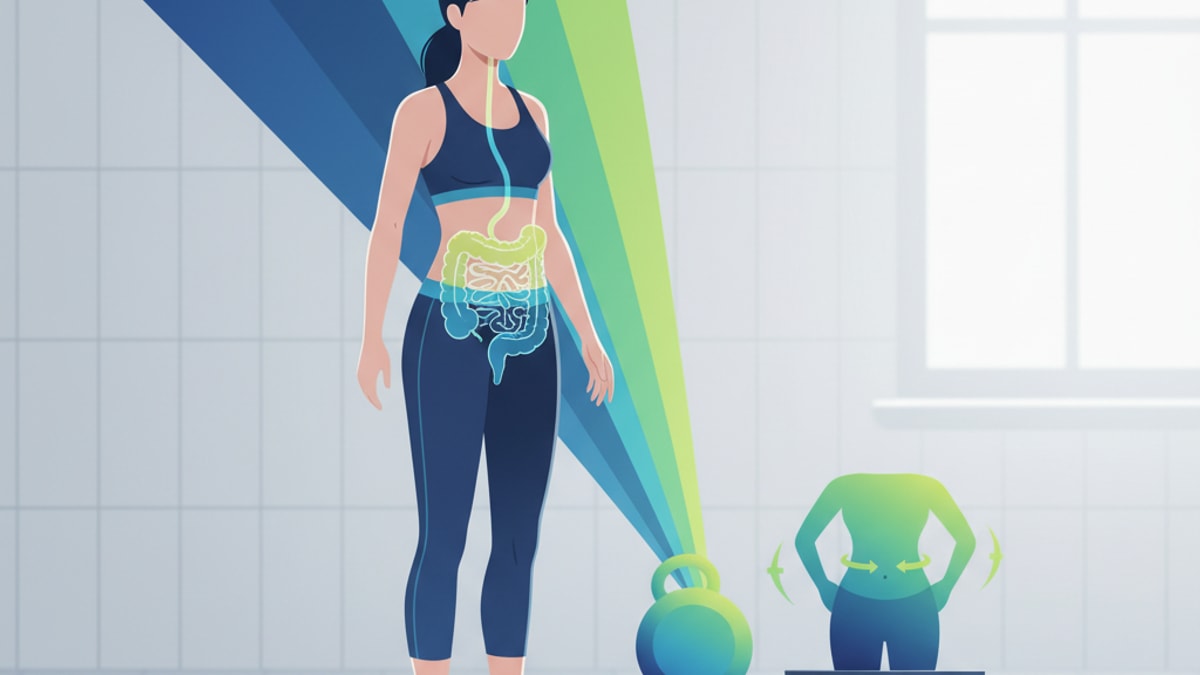
Let's Talk About It: The Scale, The Bathroom, and Your Weight
It’s one of those questions almost everyone thinks about but rarely asks out loud. You step on the scale in the morning, see a number, use the bathroom, and weigh yourself again. The number is lower. It feels like a small victory, a step in the right direction on a long journey. So, the question is a natural one: do bowel movements help with weight loss?
Our team at TrimrX has discussed this with countless patients. It’s a point of confusion for so many people who are working incredibly hard to manage their weight. The short answer is yes, a bowel movement reduces your immediate body weight, but the crucial part of that answer—the part that really matters for your health goals—is that it does not mean you've lost body fat. Let's be honest, this is crucial. Conflating the two is one of the most common and frustrating misunderstandings in weight management, and we're here to clear it up for good.
What Exactly Are You Losing When You Go?
When the number on the scale drops after a trip to the restroom, you're seeing the direct result of eliminating waste. That's it. You haven't magically burned fat in those few minutes. What you’ve lost is the physical weight of the stool itself, which is a complex mixture of things your body needs to get rid of.
What's actually in there? Stool is roughly 75% water. The remaining 25% is a combination of solid matter, including:
- Undigested Fiber: This is the plant material your body can't break down, which is essential for adding bulk to stool and keeping your digestive tract moving.
- Bacteria: Your gut is home to trillions of bacteria, both living and dead, that play a vital role in digestion. A significant portion of your stool's dry weight is actually this bacteria.
- Metabolic Waste: This includes substances like bilirubin, a byproduct of red blood cell breakdown, which gives stool its characteristic color.
- Old Cells: The lining of your intestines is constantly shedding old cells, which are then expelled.
- Fats and Proteins: Small amounts of dietary fats and proteins that weren't absorbed.
The weight of a bowel movement can vary dramatically from person to person and day to day, typically ranging from 100 to 500 grams (about a quarter-pound to a little over a pound). So, yes, you are technically 'lighter' after going. But this is temporary. It's simply a reflection of output. As soon as you eat and drink again, that weight will be replaced as your body processes new materials. It's a constant cycle.
This is not weight loss. It's waste loss.
The Critical Difference: Waste Elimination vs. True Fat Loss
Understanding this distinction is perhaps the single most important step in reframing your relationship with the scale and your body. Our experience shows that people who fixate on daily weigh-ins often get caught in a cycle of motivation and despair driven by these normal, daily fluctuations.
Waste Elimination is a mechanical process. It's your body's plumbing system working as it should, clearing out the byproducts of digestion. It has almost nothing to do with your metabolic state or the amount of stored energy (fat) you have.
True Fat Loss, on the other hand, is a complex biochemical process. It happens on a cellular level when your body is in a consistent caloric deficit. This means you're expending more energy than you're consuming. To make up for this energy shortfall, your body turns to its fat stores (adipose tissue). It breaks down triglycerides stored in fat cells into fatty acids and glycerol, which are then released into the bloodstream and used by your cells for energy. The byproducts of this process are carbon dioxide, which you breathe out, and water, which is excreted through urine, sweat, and respiration. You literally breathe out lost fat.
Notice what's not in that equation? The colon. Fat isn't 'pooped out.' It’s burned for fuel. This is why quick-fix solutions that promise to 'cleanse' your colon or 'flush fat' are so misleading. They target the plumbing, not the furnace.
Why a Healthy Gut Is a Non-Negotiable for Weight Management
Okay, so we've established that a single bowel movement isn't a weight loss event. But here's where it gets interesting and far more important: the overall health and regularity of your digestive system is a critical, non-negotiable element of successful, long-term weight management.
A sluggish, irregular, or unhealthy gut can absolutely sabotage your weight loss efforts. It's not about the weight of the stool you're holding onto; it's about the sprawling, systemic impact your gut health has on your entire body. We can't stress this enough.
Here’s how a healthy digestive system indirectly but powerfully supports fat loss:
- Hormone Regulation: Your gut is a major player in hormone production, including the ones that control hunger and satiety. An imbalanced gut can disrupt the signals of ghrelin (the 'hunger hormone') and leptin (the 'fullness hormone'), leading to increased cravings and overeating, even when your body has enough energy.
- Nutrient Absorption: If your digestive system isn't functioning properly, you can't effectively extract the vitamins, minerals, and phytonutrients from your food. These micronutrients are essential for metabolic processes. A poorly nourished body is a stressed body, and a stressed body is more likely to store fat.
- Inflammation Control: Chronic low-grade inflammation is a known driver of obesity and metabolic dysfunction. An unhealthy gut, often referred to as 'leaky gut,' can allow particles to pass into the bloodstream, triggering an inflammatory response that can lead to insulin resistance—a major roadblock to weight loss.
- Mood and Motivation: The gut-brain axis is real. A significant portion of your body's serotonin, a key neurotransmitter for mood, is produced in your gut. Poor gut health can contribute to feelings of anxiety and depression, which can crush the motivation needed to stick with healthy eating and exercise habits.
So, while we don't want you to obsess over the scale after a bowel movement, we absolutely want you to pay attention to your digestive regularity as a key indicator of your overall health. It's a clue to how well your internal systems are working together.
Debunking Dangerous Myths About 'Flushing' Your System
Because of the misunderstanding between waste loss and fat loss, a whole industry of myths and dangerous products has emerged. Our team feels it's our responsibility to address these head-on.
| Method | Primary Mechanism | Type of 'Weight' Lost | Sustainability & Health Impact |
|---|---|---|---|
| Laxative Abuse | Irritates the colon, causing it to expel contents and water prematurely. | Mostly water and electrolytes. Minimal impact on calorie absorption. | Extremely dangerous. Leads to severe dehydration, electrolyte imbalance, organ damage, and dependency. Not a fat loss tool. |
| Colon Cleanses & 'Detox' Teas | Often contain diuretics and laxatives (like senna). | Water weight and waste from the digestive tract. | Temporary loss that returns immediately. Can disrupt gut flora, cause cramping, and lead to dehydration. Offers no real 'detox' benefit. |
| Genuine Fat Loss Strategies | Consistent caloric deficit, hormonal regulation, increased metabolic rate. | Stored body fat (adipose tissue). | The only sustainable and healthy method for long-term weight management. Improves overall health markers. |
We mean this sincerely: any product that promises you can 'poop your fat away' is not only scientifically inaccurate but potentially harmful. These approaches prey on the desire for a quick fix, but they completely ignore the underlying biology of fat metabolism. They can leave you dehydrated, nutritionally deficient, and with a damaged digestive system, making your weight loss goals even harder to achieve in the long run.
When Diet and Exercise Aren't Enough: The Metabolic Piece of the Puzzle
For many people, the journey is more complex. You can be doing everything 'right'—eating clean, exercising, staying hydrated, managing stress—and still find that your digestive system feels off and the scale refuses to move. This is an incredibly frustrating place to be, and it's often a sign that there are deeper metabolic or hormonal factors at play.
This is the reality for millions of people whose bodies are fighting against them due to things like insulin resistance, thyroid issues, or hormonal imbalances. In these situations, simply trying harder isn't the answer. The body's internal signaling system needs to be addressed directly.
This is precisely where modern medical advancements have become a game-changer. At TrimrX, our entire approach is built on this understanding. We utilize FDA-registered GLP-1 medications like Semaglutide and Tirzepatide because they work on a fundamentally different level. They don't just force your body to do something; they help regulate the very systems that control weight.
Here’s how they connect to this conversation:
- Appetite Regulation: GLP-1s work on the brain's hunger centers, reducing cravings and helping you feel full and satisfied with smaller portions. This makes it far easier to achieve the gentle, consistent caloric deficit needed for fat loss without feeling deprived.
- Slowing Digestion: These medications slow down gastric emptying—the rate at which food leaves your stomach. This has a dual benefit: it enhances feelings of fullness and helps prevent sharp spikes in blood sugar after meals, which is critical for managing insulin resistance.
- Improving Insulin Sensitivity: By helping to regulate blood sugar, GLP-1s improve your body's sensitivity to insulin, allowing your cells to use glucose for energy more effectively instead of storing it as fat.
By addressing the root biological drivers of weight gain, these treatments help create an internal environment where your healthy lifestyle choices can finally deliver the results you've been working for. It's about working with your body's biology, not against it. If this sounds like the support you've been missing, you can see if you're a candidate when you Take Quiz on our site.
Actionable Steps for a Healthier Digestive System
Whether you're pursuing medical weight loss or not, optimizing your digestive health is always a win. It improves your energy, mood, and overall well-being. Our team recommends focusing on these foundational pillars:
- Hydration is King: Water is essential for helping fiber do its job. When you're dehydrated, your body pulls water from your colon, leading to hard, difficult-to-pass stools. Aim for consistent hydration throughout the day, not just chugging water when you feel thirsty.
- Embrace Fiber, Both Kinds: You need both soluble fiber (oats, beans, apples, carrots), which dissolves into a gel-like substance, and insoluble fiber (nuts, whole grains, cauliflower, green beans), which adds bulk. A diet rich in a variety of plants is the best way to get both.
- Move Your Body: Physical activity does more than burn calories; it stimulates peristalsis, the muscular contractions that move waste through your intestines. Even a simple daily walk can make a significant difference in regularity.
- Nurture Your Microbiome: Feed your good gut bacteria with prebiotics (garlic, onions, bananas) and supplement with probiotics (yogurt, kefir, sauerkraut, or a quality supplement). A happy microbiome is an efficient one.
- Manage Stress: The gut-brain connection is powerful. Chronic stress can wreak havoc on your digestion. Incorporate stress-reducing practices like deep breathing, meditation, or spending time in nature.
By focusing on these habits, you're not just aiming for regularity; you're building a resilient, high-functioning system that supports every single one of your health goals, including sustainable fat loss. It's a far more powerful strategy than watching the scale fluctuate after every bathroom visit.
So let's shift the focus. Instead of asking what a bowel movement can do for your weight, start asking what you can do for your digestive health. The answer to that question is where true, lasting change begins. It’s about creating a foundation of health from the inside out, a philosophy that guides everything we do. If you're ready to move beyond the myths and get a personalized, medically-supervised plan that addresses the real biology of weight loss, we're here to help you. Start Your Treatment Now and let's build that foundation together.
Frequently Asked Questions
How much weight do you actually lose when you poop?
▼
The weight of a bowel movement varies, but it’s typically between 100 and 500 grams (about 1/4 pound to 1 pound). This is the weight of waste, not fat, and it’s replaced as you eat and drink.
If I’m constipated, am I gaining weight?
▼
Constipation means you’re retaining waste, so your scale weight might be temporarily higher. However, this isn’t fat gain. Addressing the constipation will return your weight to its baseline, but it won’t cause fat loss.
Can digestive issues make it harder to lose weight?
▼
Absolutely. Poor gut health can disrupt hunger hormones, increase inflammation, and hinder nutrient absorption, all of which can make sustainable weight loss much more difficult. A healthy gut is a key component of effective weight management.
Do weight loss medications like Semaglutide affect bowel movements?
▼
Yes, they can. GLP-1 medications like Semaglutide slow down digestion, which can sometimes lead to changes in bowel habits, including constipation for some users. Our medical team at TrimrX works with patients to manage these side effects effectively.
Is it normal for bowel habits to change when you start a new diet?
▼
It’s very common. Changes in your intake of fiber, fat, and overall calories can alter the frequency and consistency of your bowel movements. It usually stabilizes as your body adjusts to the new eating pattern.
Why do I feel lighter or less bloated after a bowel movement?
▼
This feeling comes from relieving the physical pressure and gas that builds up in your digestive tract. It’s a real physical sensation of relief, but it’s related to eliminating bulk and gas, not to a change in your body fat.
Does eating more fiber make you lose weight?
▼
Fiber doesn’t directly cause fat loss, but it’s a powerful tool for weight management. It promotes feelings of fullness, helps stabilize blood sugar, and feeds the healthy gut bacteria that support a healthy metabolism.
Is it true that you have pounds of undigested waste in your colon?
▼
This is a common myth used to sell ‘cleanse’ products. While you always have stool moving through your system, the idea of pounds of old, toxic waste being ‘stuck’ for years is not supported by medical science. Your colon is very effective at its job.
Can drinking more water help me have more regular bowel movements?
▼
Yes, proper hydration is crucial. Water helps soften stool and allows fiber to work effectively, making bowel movements easier and more regular. Dehydration is a very common cause of constipation.
How does stress impact digestion and weight?
▼
Stress significantly impacts the gut-brain axis, which can slow down or speed up digestion, leading to constipation or diarrhea. Chronic stress also raises cortisol, a hormone that can promote fat storage, especially in the abdominal area.
What’s the difference between losing water weight and fat weight?
▼
Water weight is lost quickly through sweat or reduced carb/salt intake and fluctuates daily. Fat weight is lost slowly and steadily through a consistent caloric deficit and represents a true change in body composition.
Are daily bowel movements necessary for a healthy weight?
▼
Not necessarily. A ‘normal’ frequency can range from three times a day to three times a week. The key is consistency and comfort for your own body, not a specific number. Regularity is a sign of good health, which supports weight management.

Transforming Lives, One Step at a Time
Keep reading

Do You Need a Prescription for GLP-1s? The 2026 Answer
Wondering ‘do you need a prescription for glp 1’ in 2026? Yes. We explain why a doctor’s oversight is critical for safe, effective results.

How to Get GLP-1 Covered By Insurance: Our 2026 Playbook
Struggling with how to get glp-1 covered by insurance? Our 2026 guide breaks down prior authorizations, appeals, and documentation.

Traveling with GLP-1s in 2026: Your Essential Trip-Proof Plan
Don’t let travel disrupt your GLP-1 treatment. Learn how to travel with glp 1 medications safely and stress-free in our 2026 expert guide.


