Do GLP-1 Drugs Cause Hair Loss? Understanding the Connection
Introduction
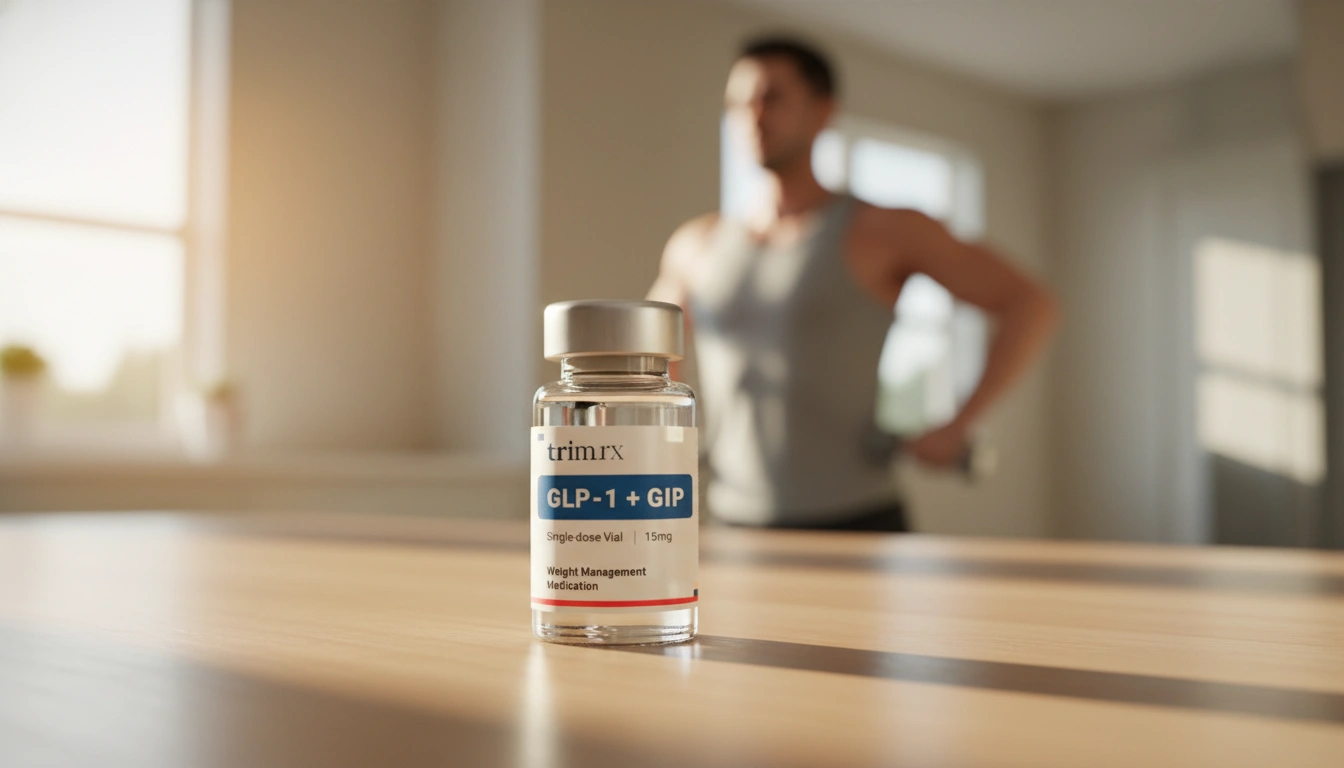
The journey toward effective weight management and improved health can be as challenging as it is rewarding. For many individuals, medications like GLP-1 receptor agonists—such as Ozempic, Wegovy, Mounjaro, and Zepbound—have emerged as powerful tools for weight loss and diabetes management. However, the growing popularity of these drugs has brought with it a range of questions and concerns, particularly regarding potential side effects. One of the most discussed issues is whether these medications could cause hair loss.
As we delve into this topic, we’ll explore the relationship between GLP-1 drugs and hair health, examining the science behind these medications, the physiological changes they induce, and what individuals can do to mitigate any risks. By the end of this post, we aim to equip you with a better understanding of how GLP-1 medications may influence hair loss and the steps you can take to maintain your hair health during your weight loss journey.
Did you know that nearly 24 million people in the United States are projected to use GLP-1 receptor agonists by 2035? This statistic underscores the growing reliance on these medications for managing weight and chronic conditions like type 2 diabetes. While GLP-1 drugs can significantly aid in weight loss and improve metabolic health, some users have reported experiencing hair loss as a side effect. This has sparked discussions among patients and healthcare professionals alike.
The purpose of this blog is to dissect the connection between GLP-1 drugs and hair loss, providing you with insights into the underlying mechanisms, potential contributing factors, and practical recommendations. We will cover topics such as physiological stress related to weight loss, nutritional deficiencies, and the psychological aspects of hair loss. Furthermore, we will share actionable strategies that may help mitigate the risk of hair loss while using GLP-1 medications.
By the end of this article, we hope to clarify the nuances of this subject, enabling you to make informed decisions about your health and wellness journey. So, let’s embark on this exploration together, as we seek to understand the implications of GLP-1 therapy for hair health.
The Science Behind GLP-1 Medications
What Are GLP-1 Drugs?
GLP-1 receptor agonists are a class of medications primarily used to treat type 2 diabetes and promote weight loss. These drugs work by mimicking the action of the glucagon-like peptide-1 (GLP-1) hormone, which plays a crucial role in regulating blood sugar levels and appetite. By enhancing insulin secretion, lowering glucagon levels, and slowing gastric emptying, GLP-1 drugs help individuals feel fuller longer and manage their weight more effectively.
How Do They Promote Weight Loss?
The mechanism by which GLP-1 medications facilitate weight loss involves several physiological processes:
- Reduced Appetite: By slowing gastric emptying and increasing feelings of fullness, GLP-1 drugs help reduce overall caloric intake.
- Improved Insulin Sensitivity: These drugs enhance insulin sensitivity, which can lead to better glucose regulation and reduced fat storage.
- Increased Energy Expenditure: Some studies suggest that GLP-1 drugs may increase energy expenditure, further supporting weight loss efforts.
While these mechanisms can lead to significant weight loss, they can also create physiological stress on the body, which may have unintended consequences, including hair loss.
The Connection to Hair Loss
Several studies and anecdotal reports have suggested a potential link between GLP-1 medications and hair loss. However, it is essential to clarify that the exact relationship is not fully understood. Some key factors to consider include:
- Rapid Weight Loss: Significant and rapid weight loss can trigger a condition known as telogen effluvium, which leads to excessive hair shedding. This phenomenon is often temporary and resolves once weight stabilizes.
- Nutritional Deficiencies: As patients reduce their caloric intake, they may inadvertently decrease their consumption of essential nutrients that support hair health, such as protein, iron, zinc, and biotin. These deficiencies can contribute to hair thinning and loss.
- Hormonal Changes: The hormonal fluctuations induced by weight loss and GLP-1 medications may disrupt the normal hair growth cycle, leading to increased shedding.
Understanding these factors is crucial as we explore the implications of GLP-1 therapy on hair health.
Understanding Telogen Effluvium
What Is Telogen Effluvium?
Telogen effluvium is a common form of hair loss characterized by excessive shedding of hair during the resting phase of the hair growth cycle. It typically occurs after a significant physical or emotional stressor, such as rapid weight loss, illness, or hormonal changes.
How Does It Relate to GLP-1 Medications?
The physiological stress associated with rapid weight loss—as seen in individuals using GLP-1 medications—may trigger telogen effluvium. When the body experiences stress, a larger proportion of hair follicles may enter the telogen (resting) phase, leading to increased hair shedding. Research indicates that telogen effluvium can begin two to three months after the onset of rapid weight loss and may last for several months.
Nutritional Considerations for Hair Health
The Role of Nutrition
A well-balanced diet is essential for maintaining overall health, including hair health. Nutritional deficiencies can exacerbate hair loss, making it crucial for individuals using GLP-1 medications to focus on their dietary intake.
Key Nutrients for Hair Health
- Protein: Hair is primarily made up of a protein called keratin. Insufficient protein intake can lead to weakened hair strands and increased shedding.
- Iron: This mineral is essential for oxygen transport in the blood. Low iron levels can lead to anemia, which is often associated with hair loss.
- Zinc: Zinc plays a vital role in hair tissue growth and repair. Deficiency may lead to hair thinning and loss.
- Biotin: A B-vitamin that supports hair health, biotin deficiency can result in hair loss and brittle hair.
Recommendations for Maintaining Nutritional Balance
- Balanced Diet: Focus on a diet rich in whole foods, including lean proteins, fruits, vegetables, whole grains, and healthy fats.
- Nutritional Supplements: Consider discussing supplementation with your healthcare provider to address potential deficiencies. Options may include protein powders, multivitamins, or specific supplements like biotin and iron.
- Regular Monitoring: Work with a registered dietitian to ensure your dietary choices align with your weight loss goals and nutritional needs.
Psychological Aspects of Hair Loss
The Emotional Impact
Experiencing hair loss can be distressing and may lead to feelings of anxiety, low self-esteem, and depression. This emotional impact can create a feedback loop, as stress itself is known to contribute to hair loss.
Managing Stress and Emotional Health
- Mindfulness and Relaxation Techniques: Engage in stress-reducing practices such as mindfulness, meditation, or yoga. These techniques can help manage emotional distress and promote overall well-being.
- Support Networks: Seek support from friends, family, or support groups. Sharing experiences with others can help alleviate feelings of isolation.
Mitigating Hair Loss While Taking GLP-1 Drugs
Practical Steps to Consider
- Consult Your Healthcare Provider: If you notice hair loss while using GLP-1 medications, discuss your concerns with your healthcare provider. They can evaluate your health history and recommend appropriate actions.
- Focus on Nutrition: Ensure you are consuming a balanced diet rich in essential nutrients to support hair health.
- Explore Treatment Options: If hair loss persists, consider discussing treatment options with your healthcare provider or a dermatologist. Topical treatments like minoxidil may be suggested to stimulate hair growth.
- Monitor Your Weight Loss: Aim for a gradual and sustainable weight loss approach to minimize physiological stress on your body.
Conclusion
Navigating the world of GLP-1 medications can be complex, especially when it comes to understanding their potential side effects, including hair loss. While evidence suggests a connection between these medications and increased hair shedding, the primary culprits are often rapid weight loss and nutritional deficiencies rather than the medications themselves.
By being proactive and focusing on nutrition, emotional health, and regular consultations with healthcare providers, individuals can effectively manage their weight loss journey while minimizing the risk of hair loss. At TrimRx, we are committed to supporting you on your path to a healthier lifestyle, offering personalized weight loss solutions tailored to your unique needs. Remember, you’re not alone in this journey—together, we can make sustainable weight loss attainable.
FAQ
Can GLP-1 medications cause permanent hair loss?
No, hair loss associated with GLP-1 medications is typically temporary and linked to rapid weight loss or nutritional deficiencies. Once weight stabilizes and nutritional needs are met, hair often regrows.
How long does hair loss last after starting GLP-1 therapy?
Hair shedding may begin two to three months after initiating treatment and can last for several months. Most individuals see improvement once their weight stabilizes.
What can I do to prevent hair loss while using GLP-1 medications?
Focus on maintaining a balanced diet rich in essential nutrients, consider supplementation if necessary, and engage in stress-reducing practices.
Should I switch medications if I experience hair loss?
Consult your healthcare provider before making any changes to your medication regimen. They can assess your individual circumstances and recommend the best course of action.
Is it common to experience hair loss with weight loss medications?
While hair loss can occur, it is not a universal side effect. Each individual’s experience with weight loss medications varies, and some may not experience any hair changes at all.
Can a dietitian help with hair health during weight loss?
Yes, a registered dietitian can assist in creating a nutrition plan that supports hair health while meeting weight loss goals, ensuring you receive the essential nutrients needed.
By understanding the connections between GLP-1 medications and hair health, we empower ourselves to make informed choices that support our journey toward better well-being. If you’re considering a personalized weight loss program or have questions about our services, we invite you to take our free assessment quiz to explore your options further. Together, we can achieve your health goals while prioritizing your overall wellness.

Transforming Lives, One Step at a Time
Keep reading

How to Adjust Weight Loss Goals on GLP-1 Medications
Adjust weight goals on GLP-1 meds by tracking body composition and labs, optimizing protein, activity, sleep, and working with your provider on dosing.

Falsified Mounjaro pens prompt urgent safety advisory
MHRA warns of counterfeit Mounjaro pens (batch D873576); stop use and check batch numbers for infection risk.

Novo Nordisk shares drop as Alzheimer’s hopes for weight-loss drug fade
Novo Nordisk’s semaglutide failed to slow Alzheimer’s in large trials, prompting shares to fall and expert reactions.


