Do GLP-1 Powders Work for Weight Loss?
Introduction
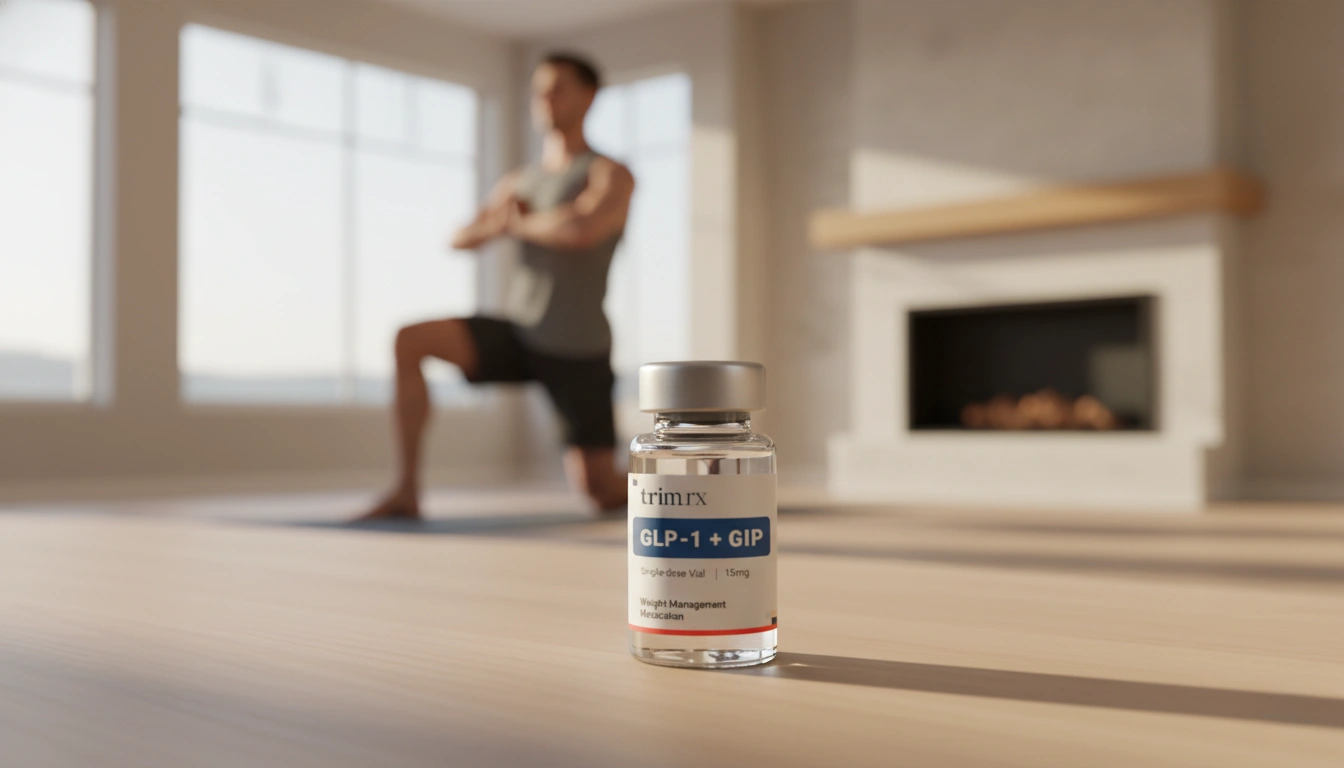
In a world increasingly focused on health and wellness, the rise of dietary supplements has created a bustling market, especially in the realm of weight loss. Among the latest trends are GLP-1 powders, often marketed as “nature’s Ozempic,” claiming to enhance the body’s natural production of glucagon-like peptide-1 (GLP-1) to aid in weight management. However, the question remains: does GLP-1 powder actually work?
To address this, we’ll delve into the science behind GLP-1, its role in appetite regulation and weight loss, and the effectiveness of such supplements compared to clinically proven medications offered by TrimRx. By the end of this post, we aim to empower you with knowledge on whether these products are worth your attention or just another passing fad in the supplement industry.
Did you know that the GLP-1 hormone plays a crucial role in regulating your appetite and blood sugar levels? This naturally occurring hormone is released by your intestines in response to food intake, stimulating insulin secretion while simultaneously inhibiting glucagon—thus keeping blood sugar levels in check. With the advent and approval of GLP-1 receptor agonists like Ozempic® and Wegovy® for weight loss, the buzz around GLP-1 has reached a fever pitch.
Yet, as we’ve seen an increase in the popularity of dietary supplements purporting to boost GLP-1 levels, skepticism mounts. Are these powders, gummies, and pills truly effective, or are they simply repackaged versions of older weight-loss supplements? In this blog post, we will explore:
- The science behind GLP-1 and its impact on weight loss.
- How GLP-1 supplements are marketed and what they actually contain.
- Clinical evidence supporting GLP-1 medications versus supplements.
- An overview of TrimRx’s personalized weight loss programs.
By the time you finish reading, you’ll have a clearer understanding of whether GLP-1 powders can genuinely support your weight loss journey or if they’re better left on the shelf.
Understanding GLP-1 and Its Role in Weight Management
What is GLP-1?
GLP-1, or glucagon-like peptide-1, is a hormone produced in the intestines that has several critical functions, particularly in glucose metabolism and appetite regulation. When we eat, GLP-1 is released, signaling the pancreas to produce insulin while also slowing gastric emptying, which leads to a feeling of fullness. This hormonal response is vital for maintaining energy balance and preventing overeating.
The Mechanism of Action
The action of GLP-1 is twofold:
- Increased Insulin Secretion: GLP-1 enhances insulin secretion from the pancreas in response to food intake, which helps lower blood sugar levels.
- Appetite Suppression: By acting on specific areas of the brain, GLP-1 reduces hunger and promotes satiety, leading to decreased food intake.
These mechanisms make GLP-1 a target for developing medications aimed at managing obesity and type 2 diabetes.
GLP-1 Medications vs. Supplements
The landscape of weight management has evolved with the introduction of GLP-1 receptor agonists, such as Ozempic® and Wegovy®, which are FDA-approved medications that mimic the effects of GLP-1 in the body. They have gone through extensive clinical trials demonstrating their efficacy in promoting weight loss and managing blood sugar levels.
In contrast, GLP-1 powders and other dietary supplements often claim to “boost” the body’s natural GLP-1 production without containing any actual GLP-1 or its active analogs. This distinction is crucial as it raises questions about their effectiveness and safety.
The Claims of GLP-1 Powders
Many GLP-1 supplements are marketed as natural alternatives to prescription medications, often featuring ingredients like berberine, saffron extract, and a mix of vitamins and minerals. These products typically promise to enhance the body’s GLP-1 levels, reduce cravings, and promote fat loss. However, they do not undergo the same rigorous testing as prescription drugs, leading to concerns about their efficacy.
The Limitations of GLP-1 Powders
Lack of Regulation and Clinical Evidence
One of the significant issues with GLP-1 powders is the lack of regulation in the dietary supplement industry. Unlike prescription medications, which are subject to strict FDA approval processes, dietary supplements do not require evidence of effectiveness or safety before hitting the market. As a result, consumers may be misled by bold claims on labels that lack scientific backing.
Experts have expressed skepticism regarding the effectiveness of these supplements. Dr. Jamie Alan, an associate professor of pharmacology, notes that many GLP-1 supplements contain older, rebranded ingredients that have not demonstrated significant weight loss benefits in clinical settings. Therefore, while they may be positioned as alternatives to prescription medications, the reality is they often fall short of delivering comparable results.
Potential Risks and Side Effects
Additionally, the unregulated nature of dietary supplements raises concerns about safety. Some ingredients in GLP-1 powders might interact with medications or exacerbate existing health conditions. For individuals managing diabetes or other metabolic disorders, the unpredictable nature of supplements can pose significant risks.
Clinical Evidence: GLP-1 Medications vs. Powders
The Success of GLP-1 Medications
Clinical studies have showcased the effectiveness of GLP-1 medications like Ozempic® and Wegovy® in promoting weight loss and improving metabolic health. For example, a study published in the New England Journal of Medicine found that participants using semaglutide lost an average of 15% of their body weight over 68 weeks, compared to less than 2% in the placebo group.
This robust evidence reinforces the fact that GLP-1 medications have been rigorously tested and are effective tools in the fight against obesity and type 2 diabetes.
The Case Against GLP-1 Powders
Conversely, research supporting the efficacy of GLP-1 powders is scant. Most claims are based on limited studies that lack a comprehensive understanding of their long-term effects. Many ingredients touted in these supplements, such as berberine and chromium, have shown minimal results in weight management when isolated. Without solid scientific backing, the effectiveness of GLP-1 powders remains questionable.
A Personalized Approach to Weight Loss with TrimRx
At TrimRx, we believe in the power of personalized healthcare tailored to meet individual needs. Our journey began with a shared vision to help individuals embrace healthier lifestyles through cutting-edge telehealth innovations and effective weight loss solutions. Our platform offers a supportive space where individuals can receive medically supervised care designed specifically for them.
TrimRx’s Personalized Weight Loss Programs
We provide a range of GLP-1 medications, including compounded semaglutide, oral semaglutide, Ozempic®, compounded tirzepatide, and more. Each of our programs starts with a free assessment quiz to determine eligibility and develop a personalized treatment plan. This comprehensive service includes:
- Doctor Consultations: Our team of healthcare professionals will guide you through your weight loss journey.
- Lab Work: We ensure that your health is monitored regularly to tailor your treatment effectively.
- Unlimited Support: You will have access to ongoing support throughout your program.
- Shipping: All medications are shipped from FDA-registered and inspected pharmacies, ensuring safety and reliability.
If you’re considering GLP-1 medications, we invite you to take our free assessment quiz to discover how TrimRx can support your weight loss journey: Take the Quiz.
Quick-Access Supplements for Enhanced Support
While GLP-1 powders are often questionable in terms of effectiveness, we offer quick-access supplements that do not require an assessment quiz. Our GLP-1 Daily Support and Weight Loss Boost supplements are designed to complement your weight loss journey safely and effectively.
Conclusion
As we have explored, GLP-1 powders and supplements may not be the effective weight loss solutions they are marketed to be. While they claim to support the body’s natural GLP-1 production, the lack of regulation, clinical evidence, and potential risks are significant concerns.
On the other hand, GLP-1 medications such as those provided by TrimRx have demonstrated real effectiveness and safety through rigorous testing and clinical studies. Our personalized approach ensures that each individual receives the care and support needed to achieve their weight loss goals sustainably.
If you’re ready to take the next step in your weight loss journey, we encourage you to take our free assessment quiz and explore our personalized weight loss programs. Together, we can help you achieve the healthier lifestyle you deserve!
FAQ
What is GLP-1 and how does it contribute to weight loss?
GLP-1 is a hormone that regulates appetite and blood sugar levels. It promotes insulin secretion and suppresses glucagon, leading to reduced food intake and weight loss.
Are GLP-1 powders effective for weight loss?
The effectiveness of GLP-1 powders is largely unproven, as they do not contain actual GLP-1 and lack rigorous clinical testing. Most claims are based on limited studies and may not yield significant results.
What are the risks associated with GLP-1 supplements?
GLP-1 supplements can pose risks such as potential interactions with other medications and lack of regulation, which can lead to unsafe ingredients or inaccurate labeling.
How do TrimRx’s programs differ from GLP-1 powders?
TrimRx offers clinically proven GLP-1 medications tailored to individual health needs, combined with comprehensive support, medical supervision, and ongoing monitoring to ensure safety and effectiveness.
How can I begin my weight loss journey with TrimRx?
You can start by taking our free assessment quiz to determine your eligibility for our personalized weight loss medications and programs: Take the Quiz.

Transforming Lives, One Step at a Time
Keep reading

How to Adjust Weight Loss Goals on GLP-1 Medications
Adjust weight goals on GLP-1 meds by tracking body composition and labs, optimizing protein, activity, sleep, and working with your provider on dosing.
Falsified Mounjaro pens prompt urgent safety advisory
MHRA warns of counterfeit Mounjaro pens (batch D873576); stop use and check batch numbers for infection risk.
Novo Nordisk shares drop as Alzheimer’s hopes for weight-loss drug fade
Novo Nordisk’s semaglutide failed to slow Alzheimer’s in large trials, prompting shares to fall and expert reactions.


