Do GLP-1 Shots Hurt? Understanding Injection Comfort and Techniques
Introduction
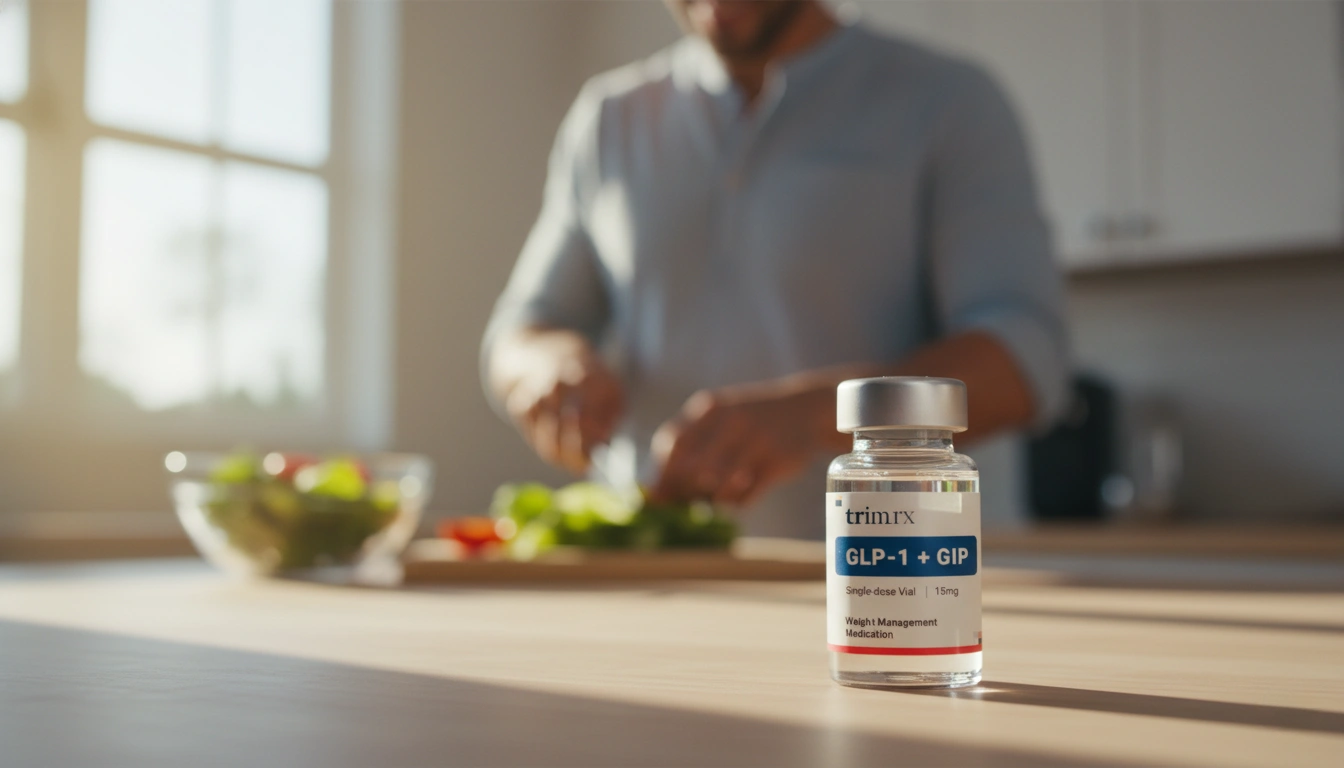
Have you ever hesitated at the thought of giving yourself an injection? If you’re considering GLP-1 medications for weight loss or diabetes management, you might be wondering, do GLP-1 shots hurt? This question is common among individuals embarking on their health journeys, and it’s important to address both the physical and psychological aspects of self-injecting.
At TrimRx, we believe that understanding the process and managing expectations is key to a successful weight loss journey. In this blog post, we will explore the experience of administering GLP-1 injections, the factors that can affect comfort, and tips for minimizing any discomfort. By the end, you will have a comprehensive understanding of what to expect and how to make your experience as smooth as possible.
According to recent studies, nearly 40% of Americans are now considered obese, a significant increase from previous decades. This alarming trend has led to a surge in the development of effective weight loss medications, including GLP-1 receptor agonists like Semaglutide and Tirzepatide. These medications have shown promise in helping individuals manage their weight and improve their overall health. However, the thought of self-administering injections can be daunting.
The purpose of this blog post is to delve into the specifics of GLP-1 shots—specifically addressing the question of pain associated with these injections. We will cover the mechanics of how these shots are administered, the typical experiences users report, and best practices for minimizing discomfort. We want you to feel empowered and informed as you navigate your weight loss journey with TrimRx.
We will also touch on our commitment to personalized, medically supervised care, combining modern technology with empathetic support to help you achieve your health goals. As we explore the topic, think about your own experiences or concerns regarding injections, and consider how our insights can help ease your mind.
Understanding GLP-1 Injections
GLP-1, or glucagon-like peptide-1, is a naturally occurring hormone in the body that plays a significant role in regulating appetite and insulin secretion. Medications that mimic this hormone, known as GLP-1 receptor agonists, are administered through subcutaneous injections. But how do these injections work, and what makes them less painful than you might expect?
The Mechanism of Action
GLP-1 receptor agonists work by stimulating insulin secretion in response to meals, inhibiting glucagon release, and slowing gastric emptying. This combination of effects helps to regulate blood sugar levels and reduce appetite, promoting weight loss. The most common GLP-1 medications include:
- Semaglutide (Ozempic® for diabetes, Wegovy® for weight loss)
- Tirzepatide (Mounjaro®)
- Liraglutide (Victoza® for diabetes, Saxenda® for weight loss)
Injection Method
GLP-1 medications are typically administered as subcutaneous injections, meaning the injection is given into the fatty tissue just beneath the skin. Common injection sites include the abdomen, thighs, and upper arms. The needles used for these injections are designed to be very thin and short, which contributes to a less painful experience compared to intramuscular injections.
Pain Perception
Pain perception is subjective and can vary significantly from person to person. However, many users report that GLP-1 injections feel more like a slight pinch or sting rather than a sharp pain. In fact, studies have shown that the majority of individuals using GLP-1 injections experience little to no pain at the injection site.
Factors Influencing Injection Comfort
While many people find GLP-1 injections to be relatively painless, several factors can influence the overall comfort level during administration.
1. Injection Technique
Proper injection technique can greatly affect how comfortable the process is. Here are some tips:
- Choose the Right Site: Rotate your injection sites to reduce irritation and discomfort. Avoid using the same spot repeatedly.
- Prepare the Skin: Clean the injection area with an alcohol wipe to reduce the risk of infection and ensure a smooth injection.
- Inject Slowly: A slow, steady injection can help minimize discomfort.
2. Needle Size
The size of the needle can also play a role in how much discomfort you feel during the injection. GLP-1 medications typically utilize smaller needles, which are designed to minimize pain when penetrating the skin.
3. Temperature of the Medication
Injecting medication that is at room temperature can lead to a more comfortable experience. If you have stored your medication in the refrigerator, consider allowing it to warm to room temperature before injecting.
4. Psychological Factors
Anxiety and fear can amplify the perception of pain. If you’re feeling nervous about the injection, consider discussing your concerns with your healthcare provider, who can provide reassurance and additional tips for managing anxiety.
Minimizing Discomfort: Best Practices
Now that we understand the factors influencing discomfort, let’s explore some practical strategies to minimize pain during GLP-1 injections.
1. Practice Relaxation Techniques
Prior to administering your injection, take a moment to breathe deeply and relax. Mindfulness techniques, such as visualization or progressive muscle relaxation, can help reduce anxiety and improve your comfort level.
2. Rotate Injection Sites
As mentioned earlier, rotating your injection sites can prevent skin irritation and make each injection more comfortable. Keep a log of where you’ve injected to ensure you’re not repeating sites too soon.
3. Use a Distraction Technique
While injecting, consider using a distraction technique such as listening to music, watching TV, or having a conversation. Focusing your mind on something else can help divert your attention from the process.
4. Follow Manufacturer Instructions
Adhering to the manufacturer’s instructions on how to use your injection pen is crucial. Make sure you understand how to prepare the pen, set the dosage, and administer the injection properly.
5. Seek Support
If you’re struggling with self-injecting, don’t hesitate to reach out for help. At TrimRx, we provide resources and support through our personalized weight loss programs. Our team can guide you through the injection process, ensuring you feel confident and prepared.
Conclusion
The question of whether GLP-1 shots hurt is a common concern, but it’s important to remember that most individuals find the experience to be manageable and often less painful than anticipated. By understanding the mechanics of GLP-1 injections, employing effective techniques, and managing anxiety, you can make your injection experience as comfortable as possible.
At TrimRx, we are committed to empowering you on your weight loss journey through science, empathy, and personalized care. If you’re considering GLP-1 medications as part of your weight loss strategy, we encourage you to take our free assessment quiz to see if you qualify for our personalized treatment plans.
Together, we can navigate the path to healthier living, ensuring you have the support and resources you need every step of the way.
FAQ
How often do I need to inject GLP-1 medications?
Most GLP-1 medications are administered weekly, although the frequency may vary depending on the specific medication and your healthcare provider’s recommendations.
What should I do if I experience discomfort after the injection?
If you experience significant pain, swelling, or redness at the injection site, consult your healthcare provider. They can provide guidance and may recommend adjusting your injection technique or rotation schedule.
Can I inject GLP-1 medications anywhere on my body?
While common sites include the abdomen, thighs, and upper arms, it’s important to follow your healthcare provider’s recommendations regarding injection sites to ensure safety and comfort.
Are there any side effects associated with GLP-1 medications?
Yes, common side effects can include nausea, vomiting, and diarrhea. It’s important to discuss potential side effects with your healthcare provider when considering GLP-1 medications.
What if I have more questions about GLP-1 injections?
If you have more questions or concerns regarding GLP-1 injections or your weight loss journey, feel free to reach out to us at TrimRx. Our supportive team is here to assist you on your path to achieving your health goals.
For those seeking immediate support, check out our GLP-1 Daily Support and Weight Loss Boost supplements available for purchase without requiring a quiz: GLP-1 Daily Support and Weight Loss Boost.
Together, let’s take the next step towards a healthier you!

Transforming Lives, One Step at a Time
Keep reading

How to Adjust Weight Loss Goals on GLP-1 Medications
Adjust weight goals on GLP-1 meds by tracking body composition and labs, optimizing protein, activity, sleep, and working with your provider on dosing.
Falsified Mounjaro pens prompt urgent safety advisory
MHRA warns of counterfeit Mounjaro pens (batch D873576); stop use and check batch numbers for infection risk.

Novo Nordisk shares drop as Alzheimer’s hopes for weight-loss drug fade
Novo Nordisk’s semaglutide failed to slow Alzheimer’s in large trials, prompting shares to fall and expert reactions.


