Do Peptides Expire? Shelf Life by Form
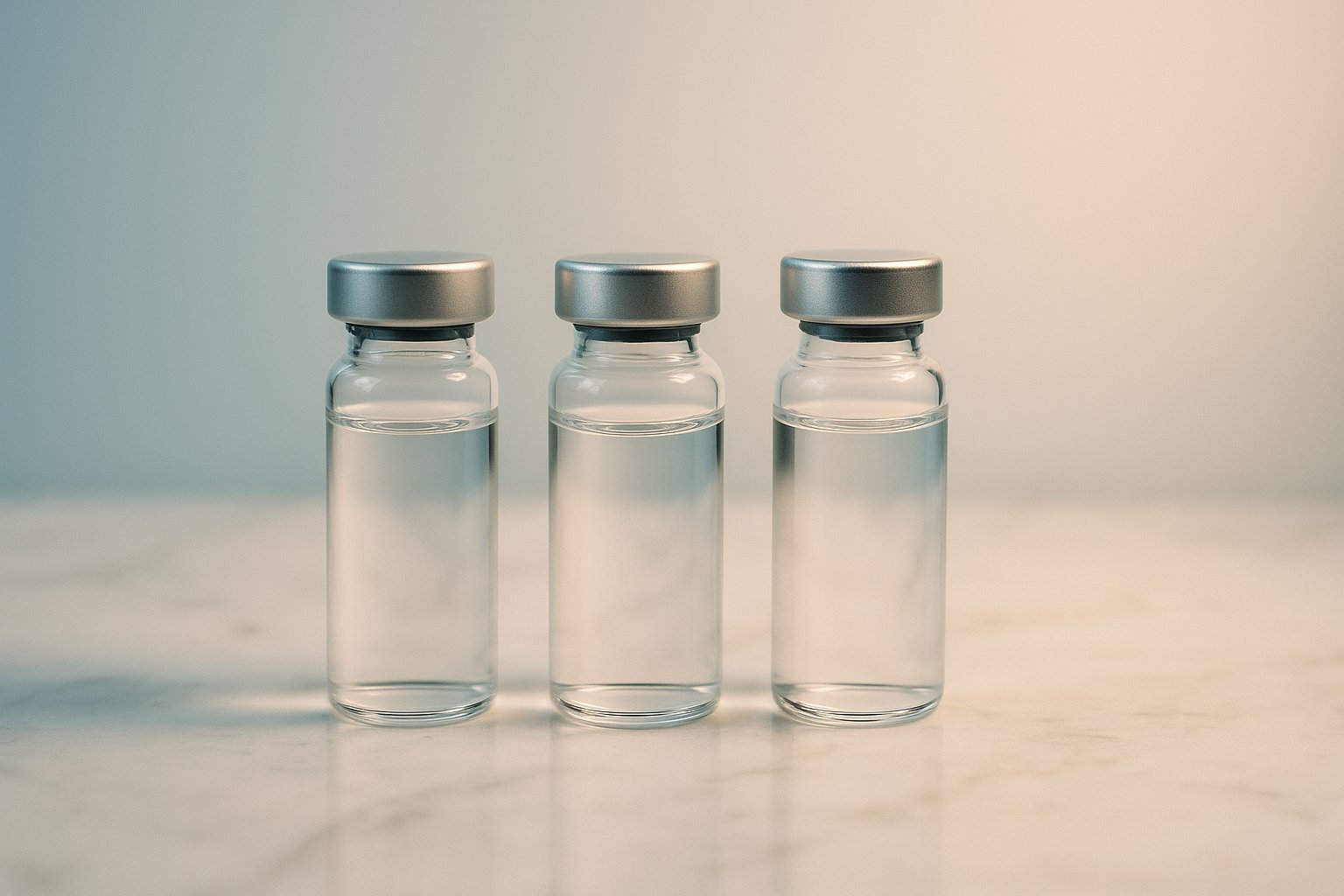
Introduction
Do peptides expire? Yes, and how fast depends almost entirely on the form. A peptide as freeze-dried powder is durable and can last a long time, often years, when stored properly. The same peptide once mixed into solution is fragile and lasts only weeks. And manufactured GLP-1 pens carry their own expiration dates and in-use windows. So “do peptides expire” has no single answer; it has a shelf life that varies by whether the peptide is dry powder, reconstituted solution, or a finished pen product. Knowing the shelf life by form is what keeps you from injecting weakened product or discarding something still good.
This guide breaks down expiration and shelf life for each peptide form, plus how to tell when a peptide has gone bad.
At TrimRx, we believe knowing your product shelf life is part of a manageable health journey. If you want pharmacy-handled product with clear dating and storage guidance, the free assessment quiz is the place to start.
At TrimRx, we believe that understanding your options is the first step toward a more manageable health journey. You can take the free assessment quiz if you’re ready to see whether a personalized program is a fit for you.
Do Peptides Actually Expire?
Yes, peptides expire, in the sense that they lose potency over time and eventually become too degraded to be effective. Peptides are delicate molecules, and they break down gradually through chemical processes, accelerated by heat, light, moisture, and time. This degradation means an old peptide may deliver less active compound than intended, which translates to a weaker effect or none.
Quick Answer: Yes, peptides expire, and shelf life depends heavily on the form: freeze-dried powder lasts the longest, while reconstituted solution is far shorter.
The key nuance is that expiration is not a single cliff but a gradual decline, and the rate depends heavily on the form and storage. A freeze-dried powder degrades slowly; a reconstituted solution degrades faster. So “expired” for peptides usually means “potency has declined below a useful level” rather than “turned dangerous overnight.” Manufactured pharmaceutical peptides also carry formal expiration dates set by the manufacturer, which reflect tested stability under proper storage. The practical reality is that peptides have real shelf lives that you need to respect to get the dose you are paying for, and those shelf lives differ dramatically by form.
How Long Does Freeze-dried Peptide Powder Last?
Lyophilized (freeze-dried) peptide powder is the most stable form and can last a long time, often years for unopened powder stored cool, dark, and dry. The freeze-drying process removes water, and without water the chemical reactions that degrade peptides slow dramatically. This is why peptides are shipped and stored as powder: it is the durable, long-shelf-life state.
Storage still matters even for powder. Kept refrigerated or frozen, away from light and moisture, lyophilized powder maintains potency for extended periods, commonly cited in years for long-term storage. Left at room temperature, it is still reasonably stable short-term but degrades faster than refrigerated. The enemies remain heat, light, and moisture. So a sealed vial of freeze-dried peptide is the form you can store the longest, and freezing is appropriate for long-term powder storage (unlike reconstituted solution, which should never be frozen). For anyone stocking peptides, keeping them as powder until needed is the way to preserve shelf life.
How Long Do Reconstituted Peptides Last?
Once reconstituted with bacteriostatic water, a peptide typically lasts only weeks, refrigerated, before potency meaningfully declines, a much shorter window than powder. Adding water restarts the degradation clock, because the peptide is now in solution and vulnerable to the chemical breakdown that the dry state prevented. Refrigeration slows this, but it does not stop it.
The exact window varies by compound and diluent, but a few weeks is a common guideline for a reconstituted vial kept cold. Bacteriostatic water (which contains benzyl alcohol as a preservative) extends usable life compared to plain sterile water by inhibiting bacterial growth in a multi-use vial, which is why it is the standard diluent. The practical rules: only reconstitute what you will use within the shelf life, label the vial with the mixing date so you know its age, keep it refrigerated, and never freeze it (freezing damages the peptide). Mixing an entire supply at once means watching much of it degrade, so reconstituting in batches that match your usage preserves potency.
When Do GLP-1 Pens Expire?
GLP-1 pens carry a manufacturer expiration date plus an in-use window once you start them. Unopened, the pen is good until its printed expiration date when stored refrigerated as directed. Once in use, the windows are defined: Ozempic® is good for about 28 days at room temperature or refrigerated after first use, Wegovy® pens have their own room-temperature allowance, and tirzepatide products have their specified in-use periods.
These are tested, label-backed dates, which is one advantage of a manufactured pharmaceutical product over a self-mixed research vial. You do not have to guess; the manufacturer has determined the stability. The rules to follow: do not use a pen past its printed expiration, respect the in-use window once started, store as directed (refrigerated unless the label allows room temperature), and never use a pen that has been frozen, since freezing degrades the product even after thawing. Compounded GLP-1 vials from pharmacies will have their own dating and storage guidance, which should be followed specifically since compounded products vary. The pen format takes much of the guesswork out of expiration.
Key Takeaway: Once reconstituted with bacteriostatic water, a peptide typically lasts only weeks, refrigerated, before potency declines.
How Can You Tell If a Peptide Has Gone Bad?
Often you cannot tell by looking, because most potency loss is invisible, but there are a few discard-on-sight signs of gross degradation or contamination. An expired or degraded peptide usually just loses potency, meaning a weaker effect, with no visible change. So an old vial that looks fine may still be underdosed, and there is no reliable home test for remaining potency.
The visible warning signs that mean discard immediately: a powder cake that has melted, clumped oddly, discolored, or turned oily (suggesting heat or moisture damage), and a reconstituted solution that is cloudy, has floating particles, or has changed color after being clear (which can indicate degradation or contamination). These are clear reasons to throw the vial out. But the absence of these signs does not guarantee full potency, since a heat-degraded vial can look normal. The honest rule is “when in doubt, throw it out,” because injecting weakened product wastes the dose, and a replacement costs less than weeks of ineffective injections. Respecting shelf life by form is what prevents this in the first place.
The Path Forward
Do peptides expire? Yes, with shelf life varying dramatically by form: freeze-dried powder lasts the longest (often years stored cool and dark), reconstituted solution lasts only weeks refrigerated, and GLP-1 pens carry manufacturer expiration dates plus in-use windows (about 28 days for Ozempic® once started). Expired peptides usually just lose potency, though discolored or cloudy product should be discarded outright. Knowing the shelf life by form keeps you from injecting weakened product.
One advantage of pharmacy-handled product is clear dating and storage guidance, taking the guesswork out of expiration. TrimRx delivers compounded semaglutide and tirzepatide through licensed pharmacies with proper labeling and storage instructions, all-inclusive plans at $199 and $349 per month. The free assessment quiz is the first step, and our guide on peptide storage mistakes covers how to preserve potency.
Bottom line: Expired or degraded peptides usually just lose potency (weaker effect), but a discolored or cloudy product should be discarded.
FAQ
Do Peptides Expire?
Yes. Peptides lose potency over time as they degrade, accelerated by heat, light, moisture, and time. How fast depends heavily on the form: freeze-dried powder lasts the longest, reconstituted solution much shorter. Expiration is a gradual decline in potency rather than a sudden cliff.
How Long Does Freeze-dried Peptide Powder Last?
Lyophilized powder is the most stable form and can last a long time, often years for unopened powder stored cool, dark, and dry. Removing water slows the degradation reactions dramatically. Refrigeration or freezing extends shelf life further. This is why peptides are stored and shipped as powder.
How Long Do Reconstituted Peptides Last?
Typically only weeks, refrigerated, before potency meaningfully declines, because adding water restarts the degradation clock. Bacteriostatic water extends usable life versus plain sterile water. Label the vial with the mixing date, keep it cold, never freeze it, and only reconstitute what you will use within the window.
When Does a GLP-1 Pen Expire?
Unopened, until its printed expiration date stored as directed. Once in use, there is a defined window: Ozempic® is good for about 28 days after first use, with tirzepatide and Wegovy® products having their own specified periods. Never use a pen past expiration or one that has been frozen.
How Do I Know If a Peptide Has Gone Bad?
Usually you cannot tell by looking, since potency loss is invisible and shows only as a weaker effect. Clear discard signs are a melted, discolored, or oily powder cake, or a cloudy reconstituted solution with particles or color change. A normal-looking vial can still be degraded, so when in doubt, throw it out.
Can I Use a Peptide Past Its Expiration Date?
It is not advisable. An expired peptide has likely lost potency, so you may be injecting a weaker dose than intended, wasting the product. Manufactured pens have tested expiration dates that should be respected. A replacement costs less than weeks of injecting underdosed or ineffective product.
Disclaimer: This content is for informational purposes only and does not constitute medical advice. It is not intended to diagnose, treat, cure, or prevent any disease or condition. Individual results may vary. Always consult a qualified healthcare professional before starting any weight loss program or medication.

Transforming Lives, One Step at a Time
Keep reading


Tesamorelin for Visceral Fat: What It Is and WHO It Is For
People often collapse two different goals into one: losing visceral fat and losing weight overall. They overlap. They are not the same job.