Do Probiotics Help With Weight Loss? Our Unfiltered Take
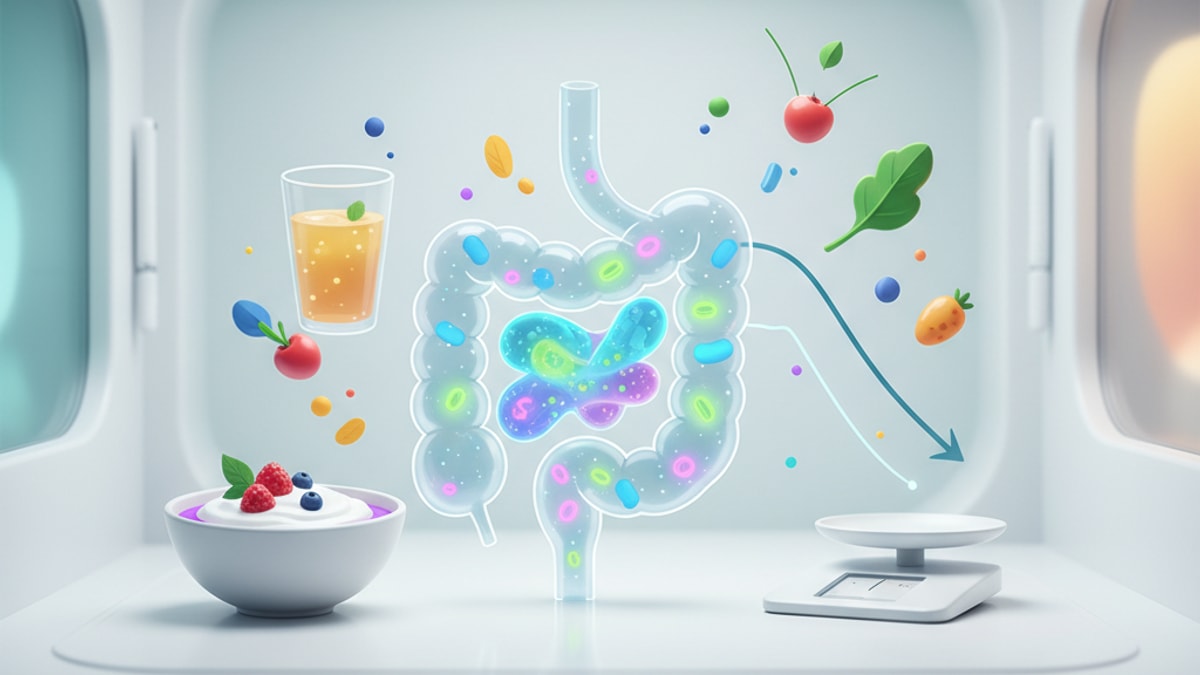
Do Probiotics Help With Weight Loss? Let's Talk Gut Feelings
It feels like you can't walk down a grocery store aisle or scroll through social media without seeing it. Probiotics. They're in yogurt, kombucha, and a sprawling universe of supplements, all promising to revolutionize your gut health. And lately, the whispers have gotten louder, linking these 'good bacteria' to one of the most sought-after health goals: weight loss. The question on everyone's mind is simple but profound: do probiotics help with weight loss? Or is it just another wellness trend destined to fade?
Here at TrimrX, our entire focus is on medically-supervised, evidence-based weight loss. We work with powerful, clinically-proven tools like GLP-1 medications every single day. So, when a topic like this gains so much traction, our team of experts takes a step back and looks at the science. We're not here to sell you supplements. We're here to provide an unflinching, honest look at what the research says, what our clinical experience shows, and where probiotics might—or might not—fit into a serious, effective weight loss journey. Let's get into it.
First, What Are We Even Talking About? The Microbiome Explained
Before we can tackle the weight loss question, we have to understand the battlefield: your gut microbiome. Think of it as a bustling, microscopic metropolis living inside your digestive system. It's home to trillions of microorganisms—bacteria, fungi, viruses, and more. This isn't a bad thing. In fact, it's a critical, non-negotiable element of your health.
For a long time, we thought of these microbes as simple digestive helpers, there to break down food. But we now know the truth is far more complex and fascinating. This internal ecosystem influences everything. Your immune system. Your mood (ever heard of the gut-brain axis?). Your inflammation levels. And yes, your metabolism and how your body manages weight.
An unhealthy, or 'dysbiotic,' gut is out of balance. The less helpful bacteria start to outnumber the beneficial ones. This can be caused by a poor diet high in processed foods and sugar, chronic stress, not enough sleep, or the use of certain medications like antibiotics. This imbalance can trigger low-grade, chronic inflammation, mess with your blood sugar regulation, and even impact the hormones that control your hunger and satiety. Sound familiar? These are all major players in the formidable challenge of weight management.
Probiotics are, in essence, reinforcements. They are live, beneficial bacteria that, when consumed in adequate amounts, can help restore balance to that bustling metropolis in your gut. The idea is that by introducing these helpful residents, you can nudge the entire ecosystem back toward a healthier state. Simple, right?
Well, not exactly.
The Real Science: Do Probiotics Move the Scale?
This is the core question. When you look at the research, the answer isn't a simple 'yes' or 'no.' It's a much more nuanced 'maybe, in some cases, to a modest degree.' Let's be honest, that's not the exciting headline most brands want you to see.
Our team has reviewed the body of scientific literature, and a few key themes emerge. Several studies, including large meta-analyses, have found that certain strains of probiotics can lead to small but statistically significant reductions in body weight, BMI, and fat mass compared to a placebo. The effects are not dramatic. We're talking about a few pounds over several months, not the transformative results most people are looking for.
So, how could they possibly work? The proposed mechanisms are genuinely intriguing:
- Energy Extraction: Some theories suggest that the gut bacteria in leaner individuals are different from those in individuals with obesity. Unhealthy gut flora might be too efficient at extracting calories from the food you eat, meaning you absorb more energy from the same meal. Probiotics could help shift the microbiome to a less 'efficient' state, reducing the number of calories your body harvests.
- Appetite Regulation: Your gut produces hormones that communicate with your brain to tell you when you're full, like GLP-1 (yes, the same hormone our medications target) and PYY. A healthy gut microbiome appears to support the proper production and release of these satiety hormones. By improving gut health, probiotics might help you feel fuller faster and for longer, naturally reducing calorie intake.
- Reducing Inflammation: As we mentioned, gut dysbiosis is linked to chronic, low-grade inflammation, which is a known driver of obesity and metabolic dysfunction. Certain probiotic strains have demonstrated anti-inflammatory properties, helping to calm this systemic irritation and improve metabolic health.
- Strengthening the Gut Barrier: The lining of your intestines is a critical barrier. When it's weakened (a condition often called 'leaky gut'), inflammatory molecules can escape into your bloodstream, causing problems throughout the body. Probiotics can help strengthen this barrier, preventing this inflammatory cascade.
Two families of bacteria, in particular, show up repeatedly in the research: Lactobacillus and Bifidobacterium. Specific strains like Lactobacillus gasseri, Lactobacillus rhamnosus, and Bifidobacterium lactis have been linked to modest fat loss in some clinical trials. But here’s the catch: not all probiotics are created equal. The effects are highly strain-specific. A probiotic that helps with digestion might do absolutely nothing for your weight.
This is where the hype train often goes off the rails. You can't just grab any bottle of probiotics and expect results. It doesn't work that way.
A Reality Check: Probiotics Are a Supporting Actor, Not the Star
We can't stress this enough: based on the current evidence, probiotics are not a primary weight loss tool. They are not a magic pill. The weight loss observed in studies is modest, and it's almost always seen in conjunction with diet and lifestyle changes.
Thinking a probiotic supplement will counteract a poor diet and sedentary lifestyle is wishful thinking. It's like trying to fix a car's engine by changing the air freshener. You’re addressing a peripheral issue while ignoring the core problem.
Our experience at TrimrX, working with thousands of patients, confirms this. We've seen that for significant, sustainable weight loss, you need to pull the big levers. This means addressing the biological factors that drive weight gain with powerful, clinically-proven tools. For our patients, this often involves GLP-1 medications like Semaglutide and Tirzepatide, which work directly on the body's metabolic and appetite-regulating systems to create profound, lasting change.
So, where do probiotics fit in? We see them as a valuable part of the supporting cast. They can help create a healthier internal environment that makes the primary interventions—like medical treatments, nutrition, and exercise—even more effective. Think of it as optimizing the foundation upon which the real work is built.
Making a Smart Choice: How to Pick a Probiotic
If you decide that adding a probiotic is a good supportive step for your health journey, navigating the options can be a grueling hustle. The supplement aisle is a confusing place. Here's what our team recommends looking for to cut through the noise:
- Strain Specificity: Look for products that list the specific strains, not just the family (e.g., Lactobacillus rhamnosus GG instead of just Lactobacillus).
- CFU Count: CFU stands for Colony-Forming Units, which is the number of live microbes. Look for products with at least 10-20 billion CFUs per dose to ensure a potent amount reaches your gut.
- Third-Party Testing: The supplement industry is notoriously under-regulated. Look for certifications from third parties like NSF International, USP, or ConsumerLab.com. This verifies that the product contains what it says it contains and isn't contaminated.
- Survivability: The microbes have to survive the harsh, acidic environment of your stomach to do any good. Look for delivery technologies like delayed-release capsules designed to protect the bacteria.
And don't forget food! Fermented foods like plain yogurt, kefir, sauerkraut, kimchi, and miso are fantastic natural sources of probiotics. They also come with a host of other nutrients. Integrating these into your diet is a fantastic, food-first approach.
Here’s a quick comparison to help you weigh your options:
| Feature | Probiotic Supplements | Fermented Foods (e.g., Yogurt, Kefir) | Prebiotic Foods (e.g., Onions, Asparagus) |
|---|---|---|---|
| Primary Role | Delivers specific, high-dose strains of live bacteria. | Provides a diverse range of live bacteria in a whole-food matrix. | Feeds the beneficial bacteria already living in your gut. |
| Potency | High (Billions of CFUs per dose). | Moderate (Varies greatly by product and serving size). | N/A (Doesn't contain live bacteria). |
| Diversity | Often limited to a few specific, targeted strains. | Tends to offer a wider, more diverse array of microbial species. | Supports the diversity of your existing native microbiome. |
| Cost | Can be expensive, requires ongoing purchase. | Generally affordable and part of a regular grocery budget. | Very affordable, found in common vegetables and whole grains. |
| Our Take | Useful for targeted support or rebalancing after antibiotics. A good tool. | A fantastic, non-negotiable part of a healthy diet. Start here. | Absolutely essential. You can't have a healthy garden without good soil. |
The TrimrX Synergy: Probiotics and Medical Weight Loss
Now, this is where it gets really interesting for our patients. How does this all connect to a medically-supervised program using GLP-1s like the ones we offer at TrimrX? This is the synergy we focus on.
GLP-1 medications are incredibly effective. They work by mimicking your natural satiety hormones, slowing digestion, and regulating blood sugar. They fundamentally change the conversation between your gut, your brain, and your metabolism. But some patients, especially at the beginning of treatment, can experience gastrointestinal side effects like nausea or changes in bowel habits as their body adjusts.
This is a perfect opportunity for probiotic support. A well-functioning gut, supported by probiotics and a healthy diet, can often mitigate these side effects. By improving digestion and reducing inflammation, probiotics can make the journey on Semaglutide or Tirzepatide smoother and more comfortable. It’s about creating an internal ecosystem that is resilient and ready for positive change.
We encourage our patients to adopt a food-first approach: lots of fiber-rich plants (prebiotics) and fermented foods (probiotics). For some, a targeted supplement can provide an extra layer of support. It’s all part of the holistic, comprehensive plan we build for each individual. The medication is the engine of change, but gut health is the high-quality fuel that makes it run smoothly.
This is the future of effective weight management—a sophisticated blend of powerful medical science and foundational health principles. It’s not about choosing one or the other; it’s about using them intelligently together. If you're tired of the guesswork and are ready to see what a comprehensive, medically-guided approach can do for you, we invite you to Take Quiz and see if you're a candidate. It's the first step toward a strategy that truly works.
Beyond the Bottle: Building a Truly Healthy Gut
Focusing only on a probiotic supplement is missing the forest for the trees. Building a robust, resilient microbiome is about the big picture. You can't supplement your way out of a lifestyle that harms your gut bacteria.
Here’s what truly moves the needle:
- Eat More Plants. A Lot More. The single most powerful thing you can do for your gut is to eat a wide variety of fiber-rich plants. Fiber is prebiotic—it's the food your good bacteria thrive on. Aim for 30+ different plant types per week (fruits, veggies, nuts, seeds, legumes, whole grains). Diversity is key.
- Limit Processed Foods and Sugar. These are the preferred fuel for the less-desirable bacteria in your gut. When they flourish, they can crowd out the good guys and create an inflammatory environment.
- Manage Your Stress. Chronic stress can wreak havoc on your microbiome. Your gut and brain are in constant communication. Practices like meditation, deep breathing, or even just taking a walk in nature can have a tangible, positive impact on your gut health.
- Prioritize Sleep. Your gut microbes have their own circadian rhythm. When your sleep is inconsistent or insufficient, it throws their cycles off, which can negatively impact the balance of your microbiome. Aim for 7-9 hours of quality sleep per night.
When you build this strong foundation, any probiotic you take is more likely to be effective. You're creating a welcoming environment for them to thrive. Without it, you're just pouring expensive supplements into a system that's working against you.
So, do probiotics help with weight loss? The evidence suggests they can be a minor, helpful influence—a nudge in the right direction. They can support a healthier metabolism, better appetite regulation, and reduced inflammation. But they are not, and will never be, the primary driver of significant weight loss.
That requires a more powerful, multifaceted approach that addresses the root biological drivers of weight gain. It's about combining intelligent lifestyle choices with the best that medical science has to offer. Probiotics can be a part of that journey, but they are just one small piece of a much larger, more effective puzzle. If you're ready to put all the right pieces together, it might be time to Start Your Treatment Now.
Frequently Asked Questions
Can I just eat yogurt for weight loss instead of taking a supplement?
▼
While yogurt and other fermented foods are excellent sources of probiotics, they may not provide a high enough dose of specific strains studied for weight management. We see them as a crucial part of a healthy diet, but a targeted supplement may offer more potent, specific support.
How long does it take for probiotics to have an effect on weight?
▼
The effects are not immediate. If probiotics are going to have a modest impact, clinical studies suggest it would take at least 8-12 weeks of consistent use, alongside a healthy diet and lifestyle, to see any measurable changes.
Do probiotics help with belly fat specifically?
▼
Some studies involving strains like *Lactobacillus gasseri* have shown small reductions in visceral (belly) fat. However, probiotics are not a spot-reduction tool; any effect would be part of a general, modest decrease in overall body fat.
Are there any side effects to taking probiotics?
▼
For most people, probiotics are very safe. Some may experience temporary gas or bloating when they first start taking them as their gut microbiome adjusts. These symptoms usually subside within a few days.
Can I take probiotics while on a GLP-1 medication like Semaglutide?
▼
Yes, absolutely. Our team often finds that supporting gut health with probiotics can help mitigate some of the initial gastrointestinal side effects of GLP-1s. It’s a supportive measure that can make your treatment journey smoother, but always consult your provider.
What’s the difference between a probiotic and a prebiotic?
▼
It’s simple: probiotics are the ‘good’ live bacteria themselves. Prebiotics are the food for those bacteria, primarily types of dietary fiber found in plants like onions, garlic, and bananas. You need both for a healthy gut.
Will probiotics make me gain weight?
▼
This is extremely unlikely. While the microbiome’s role in energy extraction is complex, there is no credible evidence to suggest that taking common probiotic supplements will lead to weight gain. Their net effect, if any, trends toward modest weight loss or neutrality.
Should I take probiotics with food or on an empty stomach?
▼
This can depend on the specific product and its delivery system (e.g., enteric-coated capsules). However, a general recommendation is to take them shortly before or with a meal, as the food can help buffer stomach acid and improve bacterial survival.
Are more CFUs always better in a probiotic supplement?
▼
Not necessarily. While you want a potent dose (we suggest 10-20 billion CFUs), an astronomically high number isn’t a guarantee of effectiveness. The specific strains included and the product’s quality are far more important than the CFU count alone.
Do I need to keep my probiotics in the refrigerator?
▼
It depends on the specific strains and how the product is manufactured. Many modern probiotics are shelf-stable, but some do require refrigeration to maintain potency. Always check the storage instructions on the product label.
Can probiotics replace a healthy diet for weight loss?
▼
Absolutely not. We can’t be clearer on this point. Probiotics are a minor supporting tool. The cornerstones of any successful weight loss plan are nutrition, physical activity, and for many, effective medical treatments. A supplement cannot overcome an unhealthy lifestyle.

Transforming Lives, One Step at a Time
Keep reading

Do You Need a Prescription for GLP-1s? The 2026 Answer
Wondering ‘do you need a prescription for glp 1’ in 2026? Yes. We explain why a doctor’s oversight is critical for safe, effective results.

How to Get GLP-1 Covered By Insurance: Our 2026 Playbook
Struggling with how to get glp-1 covered by insurance? Our 2026 guide breaks down prior authorizations, appeals, and documentation.

Traveling with GLP-1s in 2026: Your Essential Trip-Proof Plan
Don’t let travel disrupt your GLP-1 treatment. Learn how to travel with glp 1 medications safely and stress-free in our 2026 expert guide.


