Do Probiotics Help with Weight Loss? A Biotech Expert’s Take
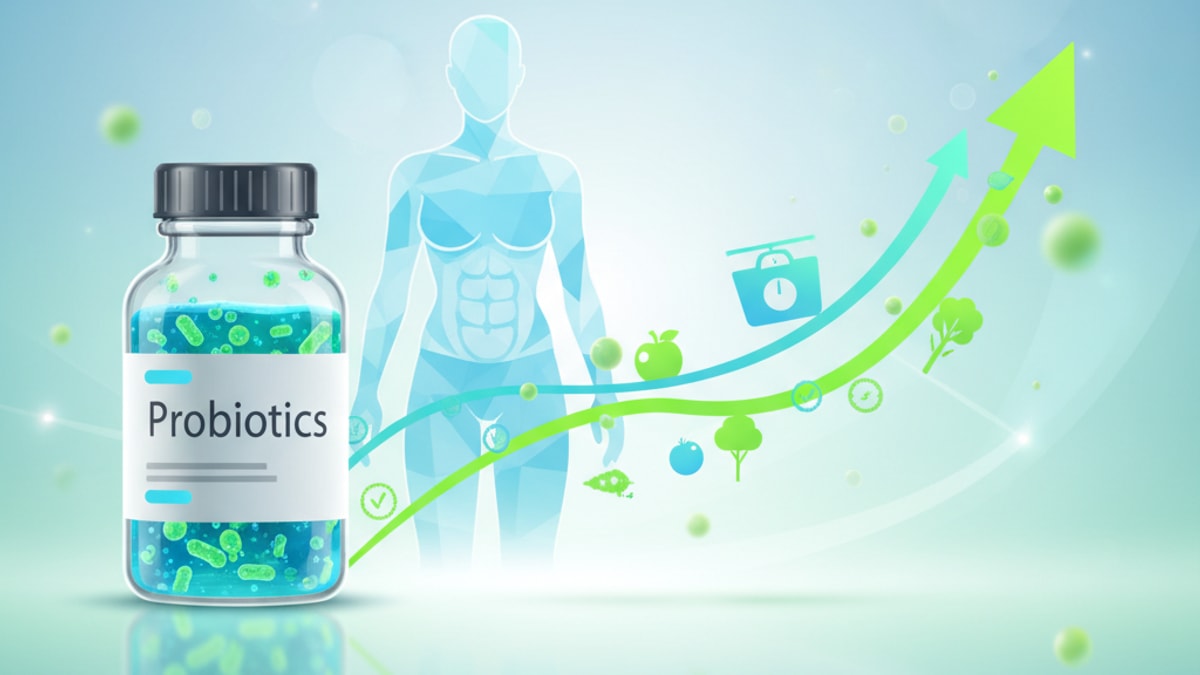
It’s a question we hear all the time, both in our clinics and from curious readers: do probiotics help with weight loss? You see them everywhere. In yogurts, in expensive little bottles at the health food store, in powders you can mix into a smoothie. The promise is alluring—a simple, daily supplement to help you finally move the needle on the scale.
But let’s be honest. The journey to sustainable weight loss is rarely that simple. It’s a complex interplay of biology, hormones, lifestyle, and genetics. As a team deeply invested in metabolic science, we believe in looking past the hype to see the real data. So, we're going to unpack the science behind probiotics and weight management, drawing from our team's extensive experience in biotechnology and medically-supervised weight loss. We’ll explore what they can do, what they can’t, and where they fit into a truly effective strategy.
What Exactly Are Probiotics? A Gut-Level Introduction
Before we can talk about weight loss, we need to get on the same page about what probiotics actually are. Forget the marketing jargon for a second. At their core, probiotics are live microorganisms—mostly bacteria and some yeasts—that, when administered in adequate amounts, confer a health benefit on the host. You. That's the official definition, anyway.
Think of your gut, specifically your large intestine, as a sprawling, bustling metropolis populated by trillions of microbes. This community is called your gut microbiome. It’s an incredibly complex ecosystem with its own delicate balance. You have beneficial residents (the good guys), neutral parties just passing through, and potentially harmful troublemakers (the bad guys). In a healthy gut, the beneficial bacteria keep the harmful ones in check, helping with everything from digestion and nutrient absorption to immune function and even mood regulation.
It’s a dynamic environment. Things like a poor diet, stress, antibiotics, and lack of sleep can disrupt this balance, a state known as dysbiosis. This is where probiotics come in. They are essentially reinforcements for the good guys, helping to restore order and support the overall health of your internal ecosystem. Simple, right? But the implications of this microbial balance are anything but simple, especially when it comes to your weight.
The Link Between Gut Health and Body Weight
Now, this is where it gets really interesting. For decades, the conversation around weight loss was almost exclusively about calories in, calories out. While energy balance is undeniably a piece of the puzzle, our understanding has evolved dramatically. We now know the gut microbiome is a critical, non-negotiable element in regulating your metabolism.
Our team has found that the composition of your gut bacteria can profoundly influence how your body harvests energy from food, stores fat, and signals hunger or fullness. It's not just what you eat, but how the trillions of microbes inside you process what you eat.
Here are a few of the key mechanisms at play:
- Energy Extraction: Certain types of gut bacteria are more efficient at extracting calories from complex carbohydrates that your body can't digest on its own. This means that two people could eat the exact same meal, but the person with a certain microbial profile might actually absorb more calories from it. It sounds unfair, and honestly, it kind of is.
- Inflammation: An imbalanced gut can lead to low-grade, chronic inflammation throughout the body. This systemic inflammation is a well-known driver of insulin resistance and obesity. By promoting a healthier gut lining and reducing the leakage of inflammatory substances into the bloodstream, a balanced microbiome can help cool this inflammation down.
- Hormone Regulation: Your gut bacteria play a starring role in producing and regulating hormones that control appetite. They help produce short-chain fatty acids (SCFAs) like butyrate, which stimulate the release of satiety hormones like peptide YY (PYY) and glucagon-like peptide-1 (GLP-1). Yes, that's the very same hormone that powerful weight loss medications like Semaglutide and Tirzepatide work on. A healthy gut naturally helps you feel fuller faster and for longer. It’s your body’s own built-in appetite control system.
So, the connection isn't just a vague wellness theory. It's rooted in tangible, measurable biological processes. An unhealthy gut can actively work against your weight loss efforts, while a healthy, balanced one can be a powerful ally.
So, Do Probiotics Actually Help with Weight Loss? The Evidence
This is the million-dollar question. Given everything we know about the gut-weight connection, it seems logical that adding beneficial bacteria would lead to weight loss. The scientific evidence, however, is more nuanced.
Some studies are incredibly promising. Research has shown that certain probiotic strains, particularly from the Lactobacillus and Bifidobacterium families, can have a modest but statistically significant effect on body weight, BMI, and fat mass. For example, a meta-analysis of multiple studies found that individuals taking probiotics lost slightly more weight and fat than those taking a placebo. The strain Lactobacillus gasseri has shown particular promise in some trials for reducing belly fat.
But here's the crucial part we can't stress enough: the effects are generally small. We're talking about a few pounds over several months, not a dramatic transformation. Furthermore, not all probiotics are created equal. The results are highly strain-specific. Taking a generic probiotic off the shelf might not contain the specific strains studied for weight management. It's like sending a plumber to do an electrician's job—they're both helpful, but you need the right specialist for the task at hand.
Our professional observation is this: thinking of probiotics as a magic weight loss pill is a recipe for disappointment. They don't melt fat away. Instead, they work indirectly by optimizing the underlying systems that regulate your weight. They help create a healthier internal environment where your other efforts—like improved nutrition and exercise—can be more effective. They are a supporting player, not the star of the show.
Probiotics vs. Prebiotics vs. Postbiotics: What's the Difference?
To really get a handle on gut health, it's helpful to understand the whole cast of characters. The terms can get confusing, so our team put together a simple breakdown to clarify their roles. Think of it like gardening: you need the seeds (probiotics), the fertilizer (prebiotics), and the beneficial outcome of their growth (postbiotics).
| Feature | Probiotics | Prebiotics | Postbiotics |
|---|---|---|---|
| Definition | Live beneficial microorganisms (the 'seeds'). | Specialized plant fibers that feed the good bacteria (the 'fertilizer'). | Bioactive compounds produced by probiotics when they consume prebiotics (the 'harvest'). |
| Function | Directly colonize the gut to improve microbial balance and confer health benefits. | Nourish and stimulate the growth and activity of your existing beneficial bacteria. | Provide direct health benefits, such as reducing inflammation, strengthening the gut barrier, and supporting the immune system. |
| Food Sources | Fermented foods like yogurt, kefir, kimchi, sauerkraut, kombucha, and miso. | High-fiber foods like garlic, onions, leeks, asparagus, bananas, oats, and artichokes. | Found in fermented foods as a byproduct of the fermentation process. Your body also produces them internally. |
A truly effective gut health strategy involves all three. You can take the best probiotic supplement in the world, but if you're not feeding those good bugs with plenty of prebiotic fiber, they won't thrive. It's a synergistic relationship.
Choosing the Right Probiotic: What Our Team Recommends
If you've decided to incorporate a probiotic supplement, walking into the refrigerated section of a health store can be overwhelming. Rows upon rows of bottles all making similar claims. How do you choose?
Our experience shows that a few key factors make a significant difference. Don't just grab the one with the prettiest label or the highest price tag.
Here’s what to look for:
- Strain Specificity: Look for products that list the specific strains, not just the genus and species (e.g., Lactobacillus rhamnosus GG instead of just Lactobacillus rhamnosus). As we mentioned, benefits are strain-specific, so you want to know exactly what you're getting.
- CFU Count: CFU stands for Colony-Forming Units, which is the measure of live microbes in a dose. Look for a product with at least 10 to 20 billion CFUs per serving. For some conditions, higher doses may be recommended, but this is a solid starting point for general gut health.
- Diversity: A healthy gut is a diverse gut. A supplement containing multiple, complementary strains is often more beneficial than one with a single high-dose strain. It’s like having a team of specialists rather than just one general worker.
- Survivability: The microbes have to survive the perilous journey through your stomach acid to reach your intestines where they do their work. Look for brands that use delivery technologies like enteric-coated capsules or bio-tract technology to protect the bacteria.
- Third-Party Testing: The supplement industry isn't as tightly regulated as pharmaceuticals. Reputable brands will voluntarily have their products tested by a third party (like NSF or USP) to verify that what's on the label is actually in the bottle. This is a non-negotiable mark of quality for us.
Remember, the goal is to find a high-quality product that aligns with your specific health goals. It might take some trial and error to find what works best for your unique body.
The Bigger Picture: Probiotics as Part of a Holistic Strategy
Here's the honest truth from our perspective in the field of metabolic health: probiotics are a piece of the puzzle, but they are not the whole picture. Not even close.
You can’t eat a poor diet, live a sedentary lifestyle, and expect a probiotic capsule to solve your weight challenges. It just doesn't work that way. Sustainable weight loss requires a comprehensive, multi-faceted approach that addresses the root causes of weight gain.
This is where the real work happens. It involves:
- Nourishing Your Body: A diet rich in whole foods, lean proteins, healthy fats, and—you guessed it—plenty of prebiotic fiber is foundational. This not only supports a healthy gut microbiome but also provides the nutrients your body needs to function optimally.
- Moving Your Body: Regular physical activity is crucial for boosting metabolism, building lean muscle mass, and improving insulin sensitivity.
- Managing Stress and Sleep: Chronic stress and poor sleep can wreak havoc on your hormones, including cortisol and ghrelin, driving up appetite and promoting fat storage.
For many people, even doing all of these things perfectly isn't enough to overcome powerful biological drivers of weight gain. Genetics, hormonal imbalances, and years of metabolic adaptation can make weight loss feel like an impossible, uphill battle. This is precisely where modern medicine can provide a powerful, science-backed solution.
At TrimrX, we specialize in medically-supervised weight loss programs that utilize advanced treatments like GLP-1 medications. These therapies work with your body's own hormonal systems to regulate appetite, improve insulin sensitivity, and promote significant, sustainable weight loss. They aren't a shortcut; they are a powerful tool that, when combined with lifestyle changes, can finally help you break through plateaus and achieve lasting results. If you're curious about whether a medical approach could be the missing piece for you, we invite you to Take Quiz on our website to see if you qualify. It’s a simple first step toward a more comprehensive strategy.
What About Probiotics While on GLP-1 Medications?
This is a fantastic and increasingly relevant question. As more people experience the life-changing benefits of medications like Semaglutide and Tirzepatide, they're looking for ways to optimize their results and manage potential side effects. Probiotics can be a very helpful adjunct therapy here.
One of the ways GLP-1 medications work is by slowing down gastric emptying—the rate at which food leaves your stomach. This is great for satiety, as it helps you feel full for much longer. However, for some people, this can lead to digestive side effects like bloating, nausea, or constipation.
A well-chosen probiotic can help support digestive regularity and ease some of this discomfort. By promoting a healthier balance of gut bacteria, probiotics can improve overall gut motility and function, making the adjustment to the medication smoother. Our team often recommends a multi-strain probiotic to patients as part of their holistic wellness plan. It’s about supporting the body from every angle to ensure the treatment is as effective and comfortable as possible.
Common Mistakes People Make with Probiotics for Weight Loss
We see a lot of well-intentioned people make a few common mistakes when trying to use probiotics for weight management. Avoiding these pitfalls can save you time, money, and frustration.
- Expecting a Miracle. As we've discussed, probiotics are not a weight loss drug. They are a gut health supplement. Setting realistic expectations is key. Think of them as helping to create the right conditions for weight loss, not causing it directly.
- Ignoring Prebiotics. Taking probiotics without consuming enough prebiotic fiber is like planting a garden and never watering it. You need to feed the good bacteria for them to flourish. Amp up your intake of fiber-rich fruits, vegetables, and whole grains.
- Being Inconsistent. You won't see any benefits from taking a probiotic sporadically. It takes time to influence the composition of your gut microbiome. Daily, consistent use is essential for results.
- Giving Up Too Soon. It can take several weeks, or even a couple of months, to notice a difference in your digestive health or overall well-being. Be patient and give the process time.
- Focusing Only on Supplements. Don't forget that you can get a fantastic dose of probiotics and prebiotics from whole foods. Incorporating things like kefir, kimchi, and artichokes into your diet is a delicious and effective way to support your gut.
By avoiding these common errors, you can integrate probiotics into your wellness routine in a much more effective and sustainable way. It's about working smarter, not just harder.
So, what's the final verdict? Probiotics can be a valuable tool for improving your gut health, which is a foundational component of metabolic wellness. They may offer modest support for your weight management efforts by reducing inflammation, regulating appetite hormones, and improving digestion. But they are not, and never will be, a standalone solution for significant weight loss.
True, lasting change comes from a comprehensive strategy that addresses your unique biology. It's about combining intelligent nutrition and consistent movement with powerful, evidence-based medical treatments when needed. It’s about creating a plan that works with your body, not against it. If you’re ready to move beyond the supplement aisle and explore a clinically-proven path to weight loss, it might be time to Start Your Treatment Now. Your health is worth a strategy that's as serious and sophisticated as you are.
Frequently Asked Questions
How long does it take for probiotics to help with weight loss?
▼
The effects of probiotics on weight are indirect and modest. You may notice improvements in digestion within a few weeks, but any impact on weight would likely take several months of consistent use combined with a healthy diet and exercise.
Can I get enough probiotics from food alone?
▼
Absolutely. Eating a variety of fermented foods like yogurt, kefir, sauerkraut, and kimchi is an excellent way to support your gut health. For some people seeking a more targeted approach, a high-quality supplement can provide specific strains in higher concentrations.
What’s the best time of day to take a probiotic?
▼
There’s no single ‘best’ time, but consistency is key. Many people prefer taking them in the morning, about 15-30 minutes before a meal, as this may help the bacteria survive stomach acid. Follow the specific instructions on your product’s label.
Are there any side effects to taking probiotics?
▼
For most people, probiotics are very safe. When you first start, you might experience some temporary gas, bloating, or digestive changes as your gut microbiome adjusts. These symptoms usually subside within a few days.
Which specific probiotic strain is best for weight loss?
▼
Research has pointed to several strains, with *Lactobacillus gasseri* showing particular promise for reducing abdominal fat in some studies. Strains like *Lactobacillus rhamnosus* and various *Bifidobacterium* species have also been linked to modest weight management benefits.
Do I need to refrigerate my probiotics?
▼
It depends on the product. Some strains are shelf-stable, while others require refrigeration to maintain their potency. Always check the storage instructions on the packaging to ensure you’re keeping the microbes alive and effective.
Can probiotics help with cravings for sugary or unhealthy foods?
▼
Potentially, yes. Your gut bacteria can influence your cravings by communicating with your brain via the gut-brain axis. A healthier gut balance may help reduce cravings for sugar and processed foods, but it’s not a guaranteed effect.
Will probiotics still work if I’m taking antibiotics?
▼
Antibiotics can disrupt your gut microbiome, so taking a probiotic can be beneficial. However, our team recommends taking them at least 2-3 hours apart from your antibiotic dose to ensure the probiotic bacteria aren’t immediately killed off.
Are more CFUs always better in a probiotic supplement?
▼
Not necessarily. While a higher CFU count can be beneficial, the diversity of strains and their ability to survive stomach acid are just as important. A well-formulated product with 20 billion CFUs might be more effective than a poorly designed one with 100 billion.
Do probiotics help with bloating caused by GLP-1 medications?
▼
Yes, they can be very helpful. GLP-1s slow digestion, which can cause bloating. Probiotics can help regulate your digestive system and promote a healthier microbial balance, which may alleviate some of this discomfort.
Can I take prebiotics and probiotics at the same time?
▼
Yes, taking them together is not only safe but often recommended. Products that combine both are called synbiotics. The prebiotics act as food for the probiotics, helping them thrive in your gut.
Is it possible to take too many probiotics?
▼
It’s difficult to ‘overdose’ on probiotics, but taking excessively high doses might lead to digestive discomfort. It’s best to stick to the recommended dosage on the product label unless advised otherwise by a healthcare professional.

Transforming Lives, One Step at a Time
Keep reading

Do You Need a Prescription for GLP-1s? The 2026 Answer
Wondering ‘do you need a prescription for glp 1’ in 2026? Yes. We explain why a doctor’s oversight is critical for safe, effective results.

How to Get GLP-1 Covered By Insurance: Our 2026 Playbook
Struggling with how to get glp-1 covered by insurance? Our 2026 guide breaks down prior authorizations, appeals, and documentation.

Traveling with GLP-1s in 2026: Your Essential Trip-Proof Plan
Don’t let travel disrupt your GLP-1 treatment. Learn how to travel with glp 1 medications safely and stress-free in our 2026 expert guide.


