Purple Stretch Marks & Weight Loss: What’s Really Happening?
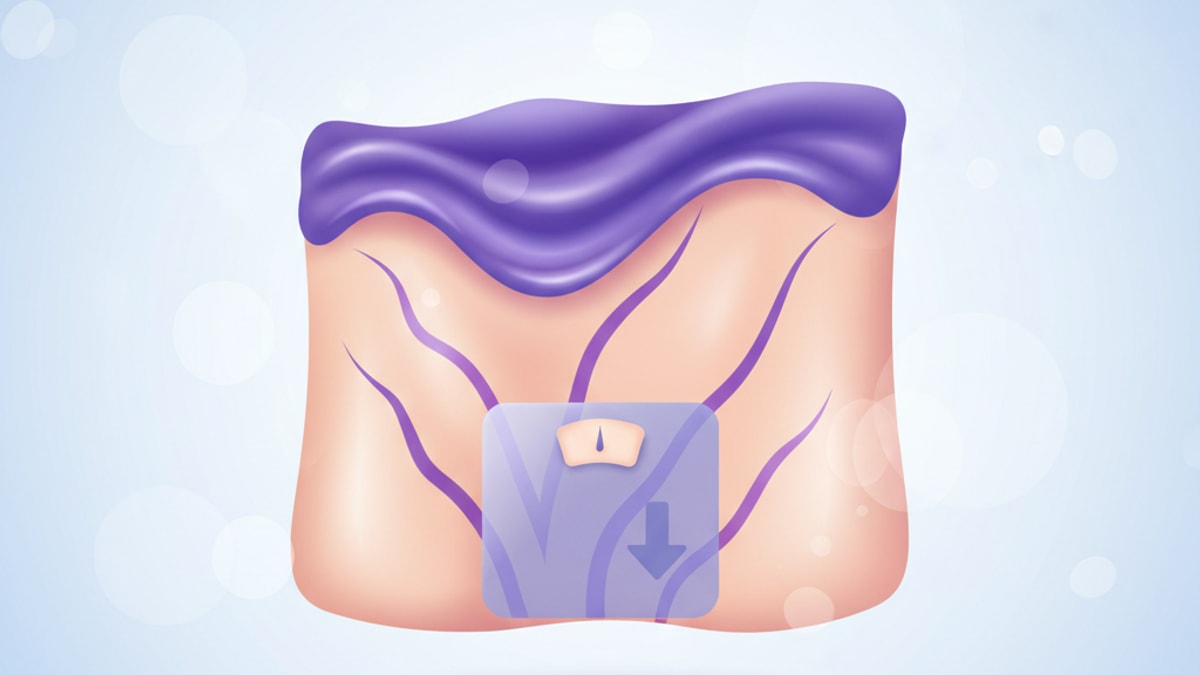
You see it one morning. A new, vivid line etched into your skin—a deep red or a startling shade of purple. If you're on a weight loss journey, your first thought might be a mix of confusion and maybe even hope. You've probably heard the whisper somewhere online or from a friend: purple stretch marks are a sign that you're losing weight. It feels like it should be true, a strange but welcome badge of honor for your hard work. But is it?
Here at TrimrX, we work with patients every single day who are navigating the incredible, and sometimes surprising, changes that come with transforming their bodies. We've found that questions about skin—what's happening to it, why it's changing, and what it all means—are incredibly common. So, let's clear the air on this one. The connection between the color of your stretch marks and your progress on the scale isn't as straightforward as you might think. We're here to walk you through the science, separate fact from fiction, and give you the real story.
First, Let's Understand What Stretch Marks Actually Are
Before we can talk about color, we have to get on the same page about what a stretch mark, or striae distensae as it's known in the medical world, really is. It’s not just a surface-level issue. It’s a literal scar that forms from the inside out.
Think of your skin's middle layer, the dermis. It's a tough, flexible matrix made primarily of collagen and elastin fibers. Collagen provides structure and strength, while elastin gives it that amazing ability to snap back into place. Now, imagine that layer being stretched faster than it can keep up. This can happen for a lot of reasons—a teenage growth spurt, pregnancy, rapid muscle gain from weightlifting, or, of course, significant weight fluctuations. When the tension becomes too much, those supportive collagen and elastin fibers can rupture. They snap.
This tearing in the dermis is what creates the stretch mark. The body immediately kicks into its natural healing and scarring process, and the visible result is the mark you see on the surface. It’s fundamentally a type of scar tissue, which is why its texture often feels different from the surrounding skin—it can be slightly indented or feel softer to the touch. The key takeaway here is the root cause: rapid stretching. It's not the weight itself, but the speed of the change that overwhelms the skin's elasticity. That’s the critical piece of the puzzle.
The Color Code: Why Are Some Stretch Marks Purple or Red?
Now we get to the heart of the matter. Why the dramatic colors? The color of a stretch mark tells you about its age and what's happening beneath the surface. It’s a timeline of the healing process.
When a stretch mark first forms, it's in its initial, active phase, medically known as striae rubrae (which literally means 'red streaks'). In this stage, the marks can appear anywhere from pink to bright red to a deep, dark purple or even brown, depending on your skin tone. This vibrant color is there for a simple reason: inflammation and blood flow. The tearing of the dermis triggers an inflammatory response from your body. It rushes blood to the area to begin the repair process. The blood vessels under this newly thinned, torn skin become much more visible, which is what gives these fresh marks their intense hue.
So, when you see a purple stretch mark, you're not seeing a sign of weight loss. You're seeing a sign of recent trauma to the skin. It’s a fresh wound, a new scar in the making. Your body is actively working to heal the area. This is also the stage where you might experience some mild itching or a slightly raised texture. It's an active process. We can't stress this enough: purple means new. And 'new' can be caused by a multitude of things.
So, Do Purple Stretch Marks Mean Weight Loss? The Direct Answer.
Let’s just say it plainly: No, purple stretch marks do not inherently mean you are losing weight. They mean your skin has been stretched rapidly and recently. This can, quite confusingly, happen during both weight gain and weight loss, which is why the myth is so persistent.
So why do so many people associate them with losing weight? Our team has seen this play out with hundreds of patients, and the confusion is understandable. There are a few key reasons why you might start noticing these vivid marks during your weight loss journey.
-
Hormonal Fluctuations: This is a big one. Weight loss, especially when it involves significant changes to diet and exercise, can be a stressor on the body. This can lead to an increase in cortisol, the body's primary stress hormone. High levels of cortisol can wreak havoc on your skin by weakening elastin fibers, making the skin less pliable and more susceptible to tearing. So, you could be successfully losing weight, but the associated hormonal shifts might be making you more prone to stretch marks at the same time.
-
Increased Visibility: Sometimes, the stretch marks were already there, lurking under a layer of subcutaneous fat. As you lose that fat, the skin's topography changes. The marks that were once 'filled out' can become more noticeable as the skin becomes laxer or settles differently. You're not developing new ones; you're just seeing existing ones more clearly for the first time.
-
Body Recomposition: Many effective weight loss plans, especially the kind we champion at TrimrX, involve more than just losing fat. They often include building lean muscle mass. If you're hitting the gym and building muscle in your glutes, thighs, or arms while simultaneously losing fat, you're still putting the skin in those areas under tension. This can absolutely cause new, purple stretch marks to form even as the number on the scale goes down.
It’s a nuanced situation. You’re doing something amazing for your health, but your skin is simply trying to keep up with the pace of change.
When Stretch Marks Turn White: The Final Stage
What happens after the purple phase? Over time—usually a period of several months to a year—the inflammation subsides. The blood vessels recede, and the production of collagen stabilizes. The scar tissue matures.
This is when the stretch mark enters its final phase, known as striae albae (white streaks). The mark loses its pigmentation and fades to a silvery, white, or light pinkish color, often several shades lighter than your natural skin tone. The texture also changes, becoming less raised and often forming a slight depression in the skin. At this point, the stretch mark is essentially a mature, fully formed scar. There's no longer an active healing process happening. This is why treatments are generally more effective on newer, purple marks (striae rubrae), as the skin is still in a dynamic state of repair.
The Cortisol Connection You Can't Ignore
We touched on cortisol earlier, but it's so important that it deserves its own section. Our bodies are incredibly interconnected, and hormones are the master regulators of just about everything, including skin health. Cortisol is released in response to stress—be it psychological stress from a demanding job or physiological stress from a new, intense workout regimen and calorie deficit.
When cortisol levels are chronically elevated, it signals the skin's fibroblasts (the cells that produce collagen and elastin) to slow down production. It essentially puts the brakes on the very things that keep your skin strong and elastic. This creates a perfect storm for stretch marks. Your skin's structural integrity is compromised, making it far more brittle and likely to tear under pressure. This is why individuals with certain medical conditions that cause extremely high cortisol levels, like Cushing's syndrome, often develop pronounced, widespread stretch marks.
For someone on a weight loss journey, managing stress is not just about mental well-being; it's a critical component of physical health, right down to your skin. This is a core part of the philosophy behind medically-supervised programs. It's about creating a sustainable, manageable path to weight loss that doesn't put the body into a constant state of panic and stress.
Managing Stretch Marks During Your Weight Loss Journey
Alright, so you understand the why. Now, let's talk about the what—what can you actually do? It's important to set realistic expectations. Erasing stretch marks completely is incredibly difficult, especially once they've faded to white. However, you can absolutely take steps to minimize their appearance and support your skin's health as it adapts to your new shape.
Our professional recommendation is to focus on two key areas: proactive support and targeted treatment.
Proactive Skin Support:
- Stay Hydrated: This is non-negotiable. Well-hydrated skin is more pliable and elastic. Drink plenty of water throughout the day.
- Moisturize Religiously: Keeping skin hydrated from the outside is just as important. Use rich creams or oils containing ingredients like hyaluronic acid, shea butter, or cocoa butter. Massaging them in can also help improve circulation to the area.
- Focus on Nutrition: Your skin is built from the nutrients you consume. Prioritize foods rich in Vitamin C (essential for collagen synthesis), Vitamin D, Vitamin E, zinc, and high-quality protein. These are the building blocks of healthy skin.
- Embrace Gradual, Sustainable Weight Loss: This is perhaps the most impactful strategy. Crash diets and extreme, rapid weight loss are a recipe for loose skin and stretch marks. A steady, controlled rate of weight loss—like that often achieved with GLP-1 medications under medical supervision—gives your skin a fighting chance to adapt gradually. This is precisely why a medically-guided approach, such as the programs we've developed at TrimrX, is so critical. By ensuring your weight loss is consistent and supported by a solid nutritional foundation, you protect your skin's integrity. If you're ready to explore a path that works with your body, not against it, you can Start Your Treatment.
A Comparison of Common Stretch Mark Treatments
If you're looking to actively treat existing stretch marks, especially the newer purple ones, there are several professional options available. It’s a sprawling market, and it's easy to get overwhelmed. We've put together a simple comparison to help you understand the landscape.
| Treatment | How It Works | Best For | Typical Cost | Our Professional Take |
|---|---|---|---|---|
| Topical Creams (Retinoids) | Prescription-strength retinoids (like tretinoin) work by increasing cell turnover and stimulating collagen production. | New, purple/red stretch marks (striae rubrae). Limited effect on mature white marks. | $ – $$ | A good first-line approach for new marks, but requires consistency and a prescription. Results are modest, not miraculous. |
| Microneedling | A device with fine needles creates tiny micro-injuries in the skin, which triggers the body's natural collagen and elastin production as it heals. | Both new and older stretch marks, as it stimulates fresh collagen. Good for improving texture. | $$ – $$$ | We've seen patients have significant success with this. It's effective for improving both color and texture over a series of treatments. |
| Laser Therapy (e.g., Pulsed-Dye, Fractional) | Different lasers target different things. Pulsed-dye lasers can reduce the redness in new marks by targeting blood vessels. Fractional lasers create micro-wounds to stimulate collagen remodeling. | Pulsed-dye is excellent for purple/red marks. Fractional lasers can improve the texture of white marks. | $$$ – $$$$ | This is often the most effective clinical option, but it's also the most expensive. It requires multiple sessions and should only be performed by a board-certified dermatologist. |
| Chemical Peels | An acidic solution (like glycolic acid) is applied to the skin to remove the outer layers, encouraging new, smoother skin to grow. | Primarily for improving the surface texture and appearance of marks. | $$ – $$$ | Can be effective, especially in a series, but may not penetrate deeply enough to significantly alter the underlying scar structure of a stretch mark. |
Why a Holistic Approach to Weight Loss Matters for Your Skin
Ultimately, the conversation about stretch marks loops back to a much bigger, more important topic: the way you approach weight loss. It's never just about a number. It’s about systemic health. It’s about hormones, nutrition, stress levels, and sustainability.
This is where modern medical advancements, like GLP-1 medications (Semaglutide and Tirzepatide), are changing the game. These treatments work by targeting the body's underlying metabolic and hormonal pathways. They help regulate appetite and improve insulin sensitivity, leading to a more natural and steady rate of weight loss. There’s no violent shock to the system. This controlled pace is inherently kinder to your skin, reducing the likelihood of the rapid stretching that causes those deep purple marks.
When this is combined with the guidance of a medical team, like we provide at TrimrX, the benefits are compounded. We help you manage the journey, ensuring your nutritional needs are met and your body is fully supported. This holistic view—seeing the body as an interconnected system—is what leads to lasting results, not just on the scale, but in your overall well-being and, yes, the health of your skin. Understanding your unique physiology is the first step. To see if a medically-supervised program is the right fit for your goals, you can Take Quiz on our site. It’s a simple way to get started.
So, the next time you see a purple stretch mark, don't jump to conclusions. Don't see it as a sign of success or failure. See it for what it is: a sign of change. A sign that your body is adapting. It's a part of your story, a map of your journey. And by approaching that journey with knowledge, patience, and the right medical support, you can ensure the story is one of health, strength, and sustainable transformation.
Frequently Asked Questions
Do purple stretch marks mean weight loss or gain?
▼
Neither, necessarily. Purple stretch marks simply indicate a new stretch mark has formed due to rapid skin stretching. This can happen during both significant weight gain and periods of rapid weight loss or body recomposition.
How long do stretch marks stay purple?
▼
The purple or red stage, known as striae rubrae, typically lasts from several months up to a year. Over time, as inflammation subsides, they will gradually fade to a white or silvery color.
Is it better to treat stretch marks when they are purple?
▼
Yes. Our experience and clinical data show that treatments are generally more effective on new, purple stretch marks. The skin is in an active healing phase with better blood supply, making it more responsive to treatments like retinoid creams, microneedling, and certain lasers.
Can losing weight make stretch marks look worse?
▼
Sometimes, yes. As you lose subcutaneous fat, pre-existing stretch marks can become more visible as the skin’s surface changes. However, a slow and steady weight loss approach helps the skin adapt more gradually, minimizing this effect.
Can stretch marks from weight loss go away completely?
▼
Stretch marks are a type of scar, so they typically do not disappear completely. However, their appearance can be significantly improved and faded with consistent treatment, especially when addressed early in the purple stage.
Does drinking water help with purple stretch marks?
▼
Absolutely. Staying well-hydrated keeps your skin pliable and more elastic, which can help minimize the formation of new stretch marks and support the overall healing process of existing ones.
What is the best cream for new purple stretch marks?
▼
For new marks, a prescription retinoid cream (like tretinoin) is often the most effective topical option as it helps build collagen. Over-the-counter products with hyaluronic acid and centella asiatica can also help with hydration and healing.
Are GLP-1 medications like Semaglutide known to cause stretch marks?
▼
No, GLP-1 medications themselves do not cause stretch marks. By promoting steady and sustainable weight loss, they may actually help reduce the risk of stretch marks compared to crash diets that cause very rapid changes in body size.
Why do my stretch marks itch when they are purple?
▼
Itching is common with new, purple stretch marks. It’s part of the body’s inflammatory and healing response as the skin fibers are repairing themselves. Keeping the area well-moisturized can help alleviate the itchiness.
Can building muscle cause purple stretch marks?
▼
Yes, definitely. Rapid muscle growth, common in bodybuilding or new fitness routines, is a frequent cause of purple stretch marks on areas like the biceps, shoulders, and thighs as the skin stretches to accommodate the new muscle mass.
Does cortisol really affect stretch marks?
▼
It plays a significant role. High levels of the stress hormone cortisol can weaken the skin’s elastin and collagen fibers, making it more fragile and prone to tearing. Managing stress is a key part of supporting skin health during weight changes.

Transforming Lives, One Step at a Time
Keep reading

Do You Need a Prescription for GLP-1s? The 2026 Answer
Wondering ‘do you need a prescription for glp 1’ in 2026? Yes. We explain why a doctor’s oversight is critical for safe, effective results.

How to Get GLP-1 Covered By Insurance: Our 2026 Playbook
Struggling with how to get glp-1 covered by insurance? Our 2026 guide breaks down prior authorizations, appeals, and documentation.

Traveling with GLP-1s in 2026: Your Essential Trip-Proof Plan
Don’t let travel disrupt your GLP-1 treatment. Learn how to travel with glp 1 medications safely and stress-free in our 2026 expert guide.


