Do You Ever Stop Taking Ozempic? What to Expect and How to Maintain Your Results
Introduction
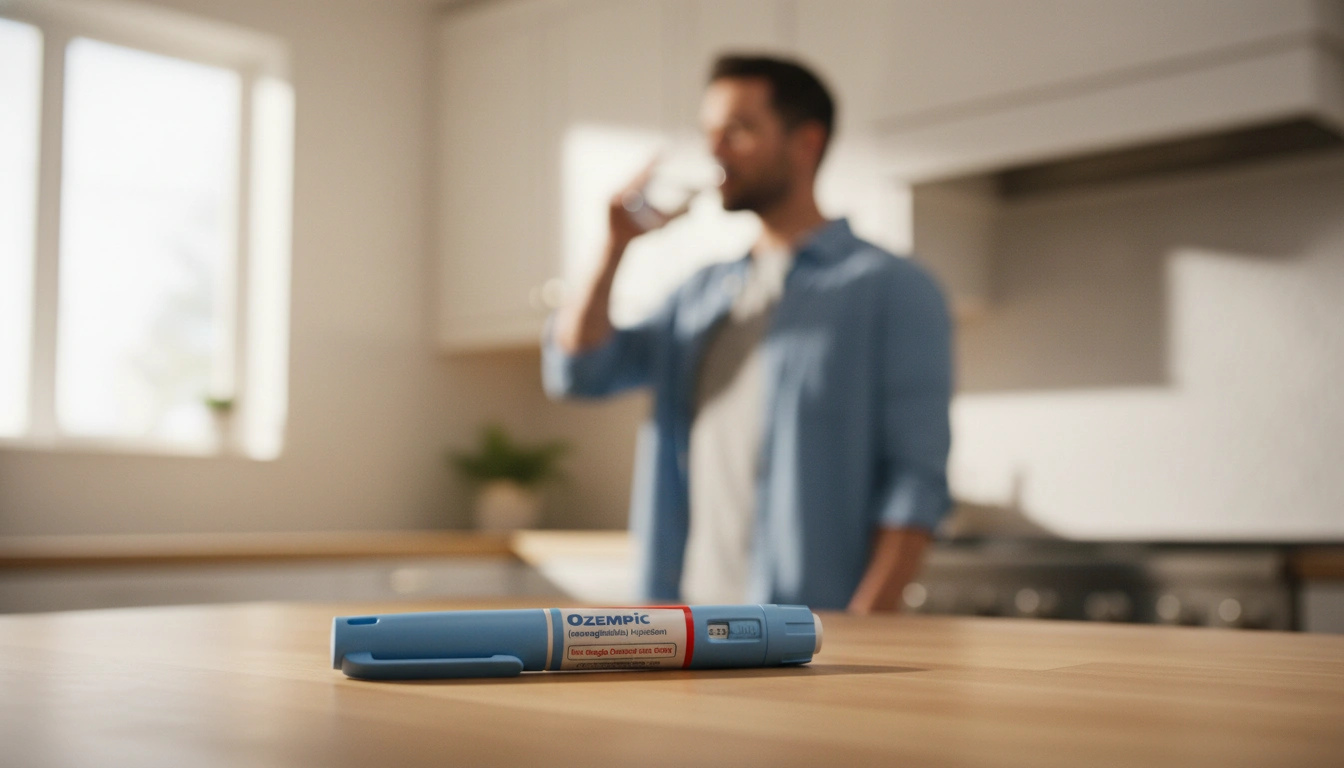
You have finally reached that number on the scale you once thought was impossible. The constant “food noise”—that persistent, nagging internal monologue about your next meal—has gone quiet. For the first time in years, you feel in control of your metabolic health. But as you look at your progress, a vital question naturally arises: Do you ever stop taking Ozempic, or is this a lifelong commitment to a weekly injection?
The rise of GLP-1 medications has revolutionized how we approach weight management, shifting the conversation from “willpower” to biology. However, the transition away from these medications is a topic filled with uncertainty. At TrimRx, our journey began with a shared vision to help individuals embrace healthier lifestyles by merging cutting-edge telehealth innovations with effective weight loss solutions. We understand that while the medication is a powerful catalyst, the ultimate goal for many is sustainable independence and long-term health.
The purpose of this blog is to provide a comprehensive exploration of what happens when you consider discontinuing Ozempic. We will delve into the physiological changes that occur when the medication leaves your system, the scientific reasons behind the “rebound effect,” and the strategic steps you can take to maintain your hard-earned results. Whether you are facing side effects, insurance changes, or have simply reached your target weight, understanding the “exit strategy” is just as important as the initial treatment.
Throughout this article, we will examine the latest research on weight maintenance, the role of personalized care, and how our supportive platform helps you navigate every phase of your journey. We believe that sustainable weight loss should be achieved through science, empathy, and a transparent approach. By the end of this guide, you will have a clearer picture of how to manage your metabolic health for the long term, ensuring that your transformation is not just a temporary phase but a permanent lifestyle shift.
The Science of GLP-1 and Your Body
To understand if or when you should stop treatment, it is essential to first understand how this medication interacts with your biology. Ozempic, which contains the active ingredient semaglutide, is a glucagon-like peptide-1 (GLP-1) receptor agonist. In simpler terms, it mimics a hormone your body naturally produces after you eat.
How the Medication Regulates Weight
This hormone performs three primary functions that facilitate weight loss:
- Slowing Gastric Emptying: It keeps food in your stomach longer, which helps you feel full for an extended period.
- Appetite Suppression: It signals the “satiety centers” in your brain, effectively turning down the volume on hunger cues.
- Insulin Regulation: It helps your pancreas release the right amount of insulin when blood sugar levels are high, which is why it was originally developed for type 2 diabetes.
At TrimRx, we believe that sustainable weight loss is achieved through science and empathy. This is why our platform is designed to be a user-friendly and supportive space where individuals receive personalized care. To see which path is right for you, we encourage you to take our free assessment quiz to determine your eligibility for a tailored treatment plan.
The Concept of the “Set Point”
A major reason why people ask “do you ever stop taking ozempic” is the fear of their body’s natural “set point.” This theory suggests that the human body has a specific weight range it “prefers” to maintain. When you lose weight rapidly, your body may perceive this as a threat and respond by increasing hunger hormones like ghrelin and decreasing your metabolic rate. The medication helps override these signals, but once the medication is removed, those biological defenses can come back into play.
What Happens When You Discontinue Treatment?
Stopping a GLP-1 medication is not like finishing a course of antibiotics; it is more akin to removing a biological “bridge” that has been helping your metabolism function more efficiently. Research suggests that for many, the effects of the medication begin to fade within a few weeks of the last dose.
The Return of “Food Noise”
One of the most immediate changes reported by individuals who stop taking semaglutide is the return of hunger cues. Without the GLP-1 agonist suppressing the brain’s reward centers, cravings for high-calorie, sugary, or fatty foods can return with surprising intensity. This is often referred to as “rebound hunger.” It is not a failure of willpower, but a physiological response as the body attempts to return to its previous equilibrium.
Metabolic Adjustments
Beyond just hunger, your digestion begins to speed back up to its pretreatment rate. This means you will likely feel less full after meals and may find yourself reaching for snacks more frequently. For those using the medication to manage blood sugar, stopping can lead to a rise in glucose levels, which may cause fatigue, increased thirst, or blurry vision. This is why it is critical to work with a provider who offers personalized, medically supervised care to ensure any transition is handled safely.
The Reality of Weight Regain
Clinical studies, including a notable 2022 trial published in Diabetes, Obesity and Metabolism, found that participants who stopped semaglutide after 68 weeks regained approximately two-thirds of their lost weight within the following year. While this statistic may seem daunting, it highlights that obesity is often a chronic condition that requires a long-term management strategy rather than a “quick fix.”
Why Individuals Consider Stopping
There are several valid reasons why someone might contemplate the question: do you ever stop taking ozempic? Our brand is empathetic and supportive, and we recognize that every individual’s journey is unique.
Achieving Your Goal Weight
For many, the most common reason to stop is success. Once you have reached your target weight and improved your health markers—such as blood pressure and cholesterol—you may feel that the medication has served its purpose. However, maintaining that weight requires a transition plan that focuses on lifestyle and possibly supportive supplementation.
Managing Side Effects
While many people tolerate GLP-1 medications well, roughly 15% of users experience persistent gastrointestinal side effects, such as nausea, constipation, or abdominal pain. If these symptoms diminish your quality of life, it may be time to discuss alternative options or supportive products. For those experiencing mild digestive discomfort, our GLP-1 Daily Support can be an excellent way to support overall wellness during the journey.
External Factors: Cost and Supply
Insurance coverage can be unpredictable, and the high out-of-pocket cost of branded medications like Ozempic® or Zepbound® is a significant barrier for many. Furthermore, global shortages have left many pharmacies unable to fill prescriptions. At TrimRx, we address these concerns by partnering exclusively with FDA-registered and inspected pharmacies. This ensures that our participants have consistent access to the medications they need, regardless of dosage changes or market fluctuations.
Strategies for a Successful Transition
If you and your healthcare provider decide that it is time to stop or pause your medication, the “cold turkey” approach is rarely the most effective. A structured, evidence-based plan is essential to protecting the progress you have made.
The Tapering Approach
Some clinicians suggest a “tapering” strategy, where the dosage is gradually reduced over several weeks or months. This allows the body’s hunger hormones and digestive system to adjust slowly, rather than all at once. While more large-scale research is needed on tapering, early observational data suggests it may help stabilize weight in the months following discontinuation.
Prioritizing Protein and Fiber
When you are no longer on a medication that slows your digestion, what you eat becomes even more critical. High-protein foods promote satiety and help preserve lean muscle mass—which is vital for maintaining a healthy metabolism. Fiber-rich vegetables also help fill the stomach and slow the absorption of sugar into the bloodstream, mimicking some of the effects of the medication naturally.
The Role of Strength Training
One of the risks of significant weight loss is the loss of muscle mass. Muscle is metabolically active tissue; the more you have, the more calories your body burns at rest. Incorporating consistent resistance training during and after your treatment can help ensure that the weight you keep off is primarily fat, not muscle.
Supportive Supplementation
Even if you are not on a prescription medication, you can still support your metabolism. Our Weight Loss Boost is designed to provide immediate support for those looking to enhance their wellness journey. These quick-access supplements do not require a quiz and are available for those who want to maintain an edge in their metabolic health.
Personalized Weight Loss: The TrimRx Difference
We believe that sustainable weight loss should be achieved through science, empathy, and a transparent approach. Our brand is innovative and results-oriented, focusing on making professional care accessible through modern technology.
A Journey Tailored to You
Every body reacts differently to GLP-1 medications. Some may find that a lower maintenance dose is the best long-term solution, while others may successfully transition to a lifestyle-only approach. By starting with our assessment quiz, you receive a personalized treatment plan that takes your unique history and goals into account.
Quality and Safety First
Safety is our cornerstone. We emphasize our commitment to transparent service and work exclusively with FDA-registered and inspected pharmacies for the shipping of weight loss medications. While we offer access to branded medications like Ozempic®, Mounjaro®, and Wegovy®, we also provide compounded options for those who require a more personalized or accessible solution. It is important to note that while the pharmacies are FDA-registered, compounded medications themselves are not “FDA-approved” in the same way as branded drugs, though they are prepared according to strict standards.
Comprehensive Support
Our service is more than just a prescription. We offer a holistic package that includes:
- Doctor consultations to monitor your progress.
- Access to high-quality medication and necessary lab work.
- Unlimited support to answer your questions—like “do you ever stop taking ozempic?”
- Direct shipping to your door with no hidden fees.
Longevity and Metabolic Health
Weight loss is not a destination; it is a continuous journey of health optimization. Even if you stop taking a specific medication, the habits you built—increased movement, better hydration, and mindful eating—remain the foundation of your success.
Monitoring Your Progress
After stopping Ozempic, it is helpful to keep a close eye on your “vital signs” of health. This doesn’t just mean the number on the scale. Are your energy levels consistent? Is your sleep quality maintaining? How is your “food noise” on a scale of 1 to 10? Regular check-ins with your healthcare team can help you catch small weight fluctuations before they become significant regains.
Incorporating Quick-Access Tools
For those times when you feel you need a little extra help staying on track, our quick-access supplements are always available. Whether you need the GLP-1 Daily Support to bridge the gap or the Weight Loss Boost to jumpstart your motivation, we provide the tools you need without the requirement of a new medical assessment.
Navigating the Path Ahead
The decision regarding whether you ever stop taking Ozempic is deeply personal and should be made in consultation with a medical professional. For some, the medication is a permanent tool to manage a chronic metabolic condition. For others, it is a temporary “reset” that allows them to establish the healthy habits necessary for long-term independence.
At TrimRx, our platform is a user-friendly and supportive space designed to make sustainable weight loss attainable. We combine advanced medical science with modern technology to offer compassionate care that respects every individual’s unique journey. We are here to support you whether you are taking your very first dose or are navigating the complexities of maintenance and discontinuation.
Are you ready to discover the most effective path for your unique biology? Take our free assessment quiz today and let us help you build a personalized, medically supervised plan that focuses on your long-term health and success.
Frequently Asked Questions
1. Is it safe to stop Ozempic “cold turkey”?
While stopping the medication suddenly is generally not considered dangerous in the way that stopping certain blood pressure or heart medications might be, it can lead to a rapid return of hunger and “food noise.” For those with type 2 diabetes, stopping abruptly can cause a significant and potentially harmful spike in blood sugar levels. We always recommend a supervised transition or tapering plan to minimize discomfort and protect your results.
2. How long does the medication stay in my system after the last dose?
The active ingredient, semaglutide, has a half-life of approximately seven days. This means it takes about a week for the concentration of the drug in your body to reduce by half. It typically takes five to six weeks for the medication to be entirely cleared from your system. You may notice your appetite beginning to return as early as the first or second week after a missed dose.
3. Can I restart Ozempic if I begin to regain weight?
Yes, many people restart their treatment after a hiatus due to insurance changes, shortages, or personal choice. However, you should never restart at your previous high dose if you have been off the medication for more than two weeks. To avoid severe gastrointestinal side effects, you must usually start back at the lowest introductory dose (typically 0.25 mg) and gradually work your way up again under medical supervision.
4. Will my “food noise” ever go away permanently without medication?
For some individuals, the habits formed while on the medication—such as eating smaller portions and choosing nutrient-dense foods—can lead to long-term changes in hunger perception. However, because obesity is often a biological and hormonal issue, many people find that “food noise” is a persistent trait. In these cases, long-term maintenance doses or supportive supplements like our GLP-1 Daily Support may be beneficial.
Conclusion
The question of whether you ever stop taking Ozempic is a central part of the modern weight loss conversation. As we have explored, the medication is an incredible tool for “silencing” the biological barriers to weight loss, but its discontinuation requires a thoughtful, personalized strategy. Sustainable weight loss is not just about the time spent on a medication; it is about the comprehensive lifestyle transformation and the support system you have in place for the years that follow.
At TrimRx, we are committed to being your partner in this journey. Our brand is empathetic, innovative, and results-oriented, ensuring you have access to both the medical treatments and the supplemental support needed to thrive. We believe that by combining science, empathy, and transparent care, we can help you achieve a healthier, more vibrant life.
Whether you are looking for a personalized treatment plan involving Compounded Semaglutide, Tirzepatide, or branded options like Ozempic® and Wegovy®, or you simply want to enhance your current regimen with our Weight Loss Boost, we are here for you. Together, we can navigate the complexities of metabolic health and ensure that your weight loss journey is a lasting success.

Transforming Lives, One Step at a Time
Keep reading

How to Get Ozempic or Semaglutide in Miami
Miami’s wellness culture runs deep, and GLP-1 medications have become a significant part of that conversation across the city. From Brickell to Coral Gables…

How to Get Ozempic or Semaglutide in Los Angeles
Los Angeles has no shortage of wellness clinics, concierge medicine practices, and weight loss programs promising access to the latest treatments. Semaglutide is at…

How to Get Ozempic or Semaglutide in Chicago
Chicago residents looking for semaglutide have more options than they might realize, and fewer of those options require setting foot in a clinic than…


