Do You Have to Eat on Ozempic: Essential Diet Strategies for GLP-1 Success
Introduction
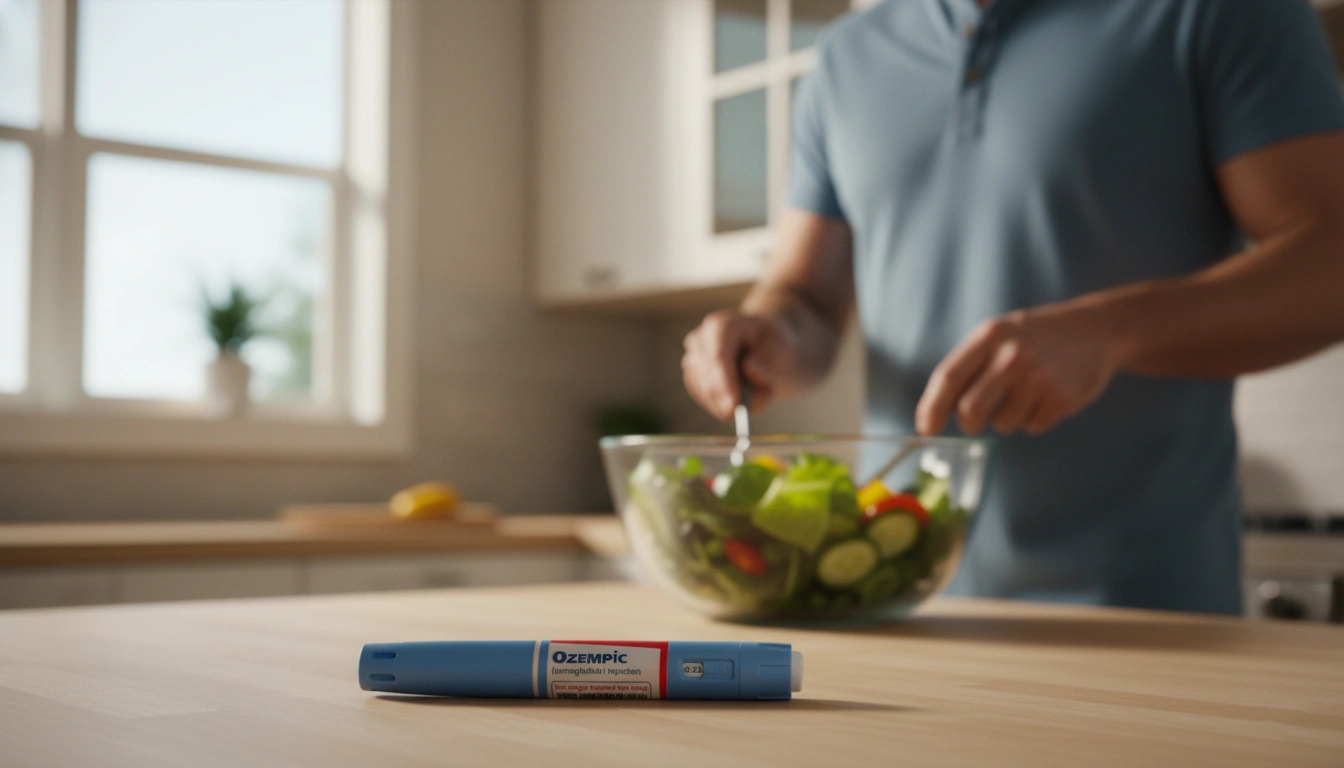
Many individuals embarking on a weight loss journey with advanced medications like Ozempic, Mounjaro, Zepbound, and Wegovy often find themselves asking a pivotal question: “Do you have to eat on Ozempic?” The potent effects of these GLP-1 receptor agonists in reducing appetite and increasing satiety can sometimes lead to the misconception that dietary choices become less critical. However, the truth is far more nuanced and empowering. While these medications are revolutionary tools, they are not magic bullets that negate the importance of a thoughtful, nutritious diet. In fact, optimizing your eating habits while on a GLP-1 medication is paramount for maximizing results, managing potential side effects, and establishing sustainable health practices that extend far beyond the duration of treatment.
At TrimRx, our journey began with a shared vision to help individuals embrace healthier lifestyles by merging cutting-edge telehealth innovations with effective weight loss solutions. We understand that sustainable weight loss should be achieved through science, empathy, and a transparent approach. Our platform is a user-friendly and supportive space where individuals receive personalized, medically supervised care—all designed to make sustainable weight loss attainable and tailored to the individual. We believe in providing compassionate care that respects every individual’s unique journey by combining advanced medical science with modern technology.
This post aims to demystify the relationship between GLP-1 medications and diet, guiding you through the essential strategies for nourishing your body effectively. We will explore how these medications truly work, why dietary adjustments are not just recommended but necessary, and what specific foods to prioritize and limit for optimal outcomes and improved well-being. By the end, you will understand that achieving lasting success with GLP-1 medications involves a powerful synergy between innovative medical treatment and intentional, personalized dietary choices, supported every step of the way by expert guidance. Together, we’ll delve into the science, ideal eating patterns, side effect management, and long-term strategies, demonstrating how TrimRx empowers individuals to achieve their health goals.
Understanding GLP-1 Medications: More Than Just Appetite Suppression
GLP-1 receptor agonists, such as Semaglutide (found in Ozempic and Wegovy) and Tirzepatide (found in Mounjaro and Zepbound), represent a significant advancement in the treatment of type 2 diabetes and chronic weight management. These medications work by mimicking the action of glucagon-like peptide-1 (GLP-1), a natural hormone produced in the gut that plays a crucial role in regulating appetite and blood sugar. Our commitment at TrimRx is to leverage such scientific innovations to provide effective solutions, always grounded in a transparent and empathetic approach.
The Multifaceted Mechanisms of GLP-1s
The impact of these medications extends beyond simply making you feel full. They operate on several physiological fronts:
- Slowing Gastric Emptying: GLP-1s slow down how quickly food leaves your stomach. This means you feel fuller for longer after meals, which naturally leads to reduced food intake. While beneficial for satiety, this mechanism also necessitates careful dietary choices to prevent digestive discomfort.
- Enhancing Insulin Release: When blood sugar levels are high, GLP-1s stimulate the pancreas to release more insulin. Insulin helps transport glucose from your bloodstream into your cells for energy, thereby lowering blood sugar levels. This is particularly beneficial for individuals with type 2 diabetes.
- Suppressing Glucagon Secretion: GLP-1s also inhibit the release of glucagon, another hormone that signals the liver to produce more glucose. By reducing glucagon, these medications help maintain more stable blood sugar levels.
- Modulating Appetite in the Brain: Beyond the gut, these medications act on appetite centers in the brain, helping to reduce “food noise”—the persistent, intrusive thoughts about food that can undermine weight loss efforts. This central effect profoundly influences hunger and cravings.
TrimRx offers access to these powerful tools, including Ozempic®, Wegovy®, Mounjaro®, and Zepbound®, as well as Compounded Semaglutide, Oral Semaglutide, Compounded Tirzepatide, and Oral Tirzepatide through FDA-registered and inspected pharmacies. To determine your eligibility and receive a personalized treatment plan, we encourage you to take our free assessment quiz.
The Synergy with Lifestyle Changes
It is crucial to understand that GLP-1 medications are designed to work in conjunction with, not as a replacement for, healthy dietary habits and regular physical activity. Clinical trials consistently show that the most significant weight loss and health improvements occur when medication is paired with a reduced-calorie diet and consistent exercise. Relying solely on the medication without adjusting your lifestyle can limit its effectiveness and hinder your journey toward sustainable weight management. Our results-oriented approach at TrimRx emphasizes this comprehensive strategy, providing the necessary support and guidance for both medication and lifestyle changes.
The Indispensable Role of Diet: Why You Still Need to Eat Strategically
The question “Do you have to eat on Ozempic?” often arises from the profound reduction in appetite that many individuals experience. While the medication significantly decreases hunger, it does not remove the body’s fundamental need for nutrients. Eating strategically is not just about calorie reduction; it’s about nourishing your body, preserving muscle mass, managing potential side effects, and building a foundation for long-term health.
Ensuring Essential Nutrient Intake
When appetite is suppressed, there’s a risk of not consuming enough calories or, more critically, not getting the essential vitamins, minerals, protein, and fiber your body needs. Inadequate nutrient intake can lead to fatigue, nutrient deficiencies, and even muscle loss. Muscle mass is vital for metabolism and overall strength, and its preservation is a cornerstone of healthy weight loss. A diet that is too restrictive or unbalanced, even with the assistance of medication, can be counterproductive and lead to unhealthy attitudes toward food. We believe in empowering you with choices that are both effective and nurturing for your body.
Achieving a Calorie Deficit for Effective Weight Loss
While GLP-1 medications reduce appetite, weight loss ultimately comes down to creating a caloric deficit—consuming fewer calories than your body expends. Studies have demonstrated effectiveness when individuals achieve a deficit of 500-600 calories per day, alongside consistent physical activity. The medication makes achieving this deficit feel more manageable, but it doesn’t eliminate the need for conscious food choices. Our approach at TrimRx focuses on helping you achieve these goals safely and effectively.
Building Sustainable Habits for the Future
GLP-1 medications are often prescribed for long-term use, sometimes for a lifetime, to maintain results. However, many individuals eventually transition off these medications. This underscores the importance of using the period on medication as an opportunity to cultivate lasting healthy eating habits. These habits become your toolkit for maintaining weight loss and overall well-being long after you stop the medication. Our personalized weight loss programs at TrimRx are designed to instill these sustainable practices from day one, offering comprehensive service that includes doctor consultations, medication, lab work, unlimited support, and shipping with no hidden fees. To explore how we can support your journey, take our free assessment quiz.
Building Your Plate: Foods to Prioritize on a GLP-1 Journey
To truly maximize the benefits of medications like Ozempic, it’s essential to be intentional about the foods you choose. Focusing on nutrient-dense options will help you feel satisfied, maintain energy levels, support muscle mass, and mitigate potential side effects.
Lean Proteins: The Foundation of Satiety and Muscle Preservation
Protein is arguably the most crucial macronutrient when taking a GLP-1 medication. It promotes satiety, helping you feel fuller for longer, and more importantly, it helps preserve lean muscle mass during weight loss. Losing weight often means losing some muscle, but prioritizing protein can significantly minimize this, ensuring you lose fat while maintaining a healthy metabolic rate.
Excellent Sources of Lean Protein:
- Poultry: Chicken breast, turkey.
- Fish and Seafood: Salmon, cod, shrimp, tuna, sardines. Fatty fish like salmon also provide beneficial omega-3s.
- Lean Meats: Lean cuts of beef or pork.
- Eggs: A versatile and complete protein source.
- Dairy: Greek yogurt, cottage cheese, kefir, which also offer probiotics for gut health.
- Plant-Based Proteins: Tofu, tempeh, lentils, beans, edamame.
Aim for protein at every meal. Many experts recommend 1.0 to 1.2 grams of protein per kilogram of body weight, or at least 60 grams daily, but individual needs vary. Our personalized approach ensures you receive tailored guidance, which begins with our free assessment quiz.
Fiber-Rich Foods: For Digestion and Sustained Energy
Fiber is essential for digestive health, a common concern with GLP-1 medications that slow gut motility. It also contributes to satiety, helps regulate blood sugar, and provides a host of other health benefits.
Key Fiber Sources:
- Fruits: Berries, apples, pears, oranges, bananas (consume in moderation for natural sugars). Fruits also contain vital vitamins and antioxidants.
- Vegetables: Load up your plate with non-starchy vegetables like leafy greens (spinach, kale), broccoli, cauliflower, bell peppers, carrots, cucumbers, zucchini, and asparagus. These are low in calories and high in nutrients.
- Whole Grains: Brown rice, quinoa, oats, whole wheat bread and pasta, farro, bulgur. These complex carbohydrates release energy slowly, preventing blood sugar spikes.
- Legumes: Lentils, chickpeas, black beans.
- Nuts and Seeds: Almonds, walnuts, chia seeds, flax seeds, hemp seeds.
Healthy Fats: Essential for Well-being and Satiety
Healthy fats are vital for hormone production, nutrient absorption, and heart health. They also contribute to satiety, helping you feel full and satisfied.
Beneficial Fat Sources:
- Avocados: Rich in monounsaturated fats and fiber.
- Nuts and Seeds: Almonds, walnuts, pistachios, chia seeds, flax seeds.
- Olive Oil: A staple of the Mediterranean diet, excellent for cooking and dressings.
- Fatty Fish: Salmon, mackerel, sardines (also provide omega-3s).
While healthy fats are important, remember that they are calorie-dense. Portion control is still key, especially if you find certain fats exacerbate digestive symptoms due to slowed gastric emptying.
Hydration: Your Constant Companion
Drinking sufficient fluids, primarily water, is always important, but it becomes even more critical when taking GLP-1 medications. Adequate hydration can help prevent constipation, a common side effect, and is essential if you experience other symptoms like nausea or vomiting that can lead to dehydration.
Hydration Tips:
- Water: Make plain water your primary beverage.
- Herbal Teas: Caffeine-free options can be soothing.
- Infused Water: Add slices of fruit or cucumber for flavor.
- Water-Rich Foods: Incorporate soups, broths, and foods like watermelon, cucumber, and lettuce.
By prioritizing these nutrient-dense foods, you’re not just eating on Ozempic; you’re actively supporting your body, optimizing the medication’s effects, and setting the stage for lasting health. To further support your overall wellness during your weight loss journey, consider our GLP-1 Daily Support supplement, designed for immediate purchase to complement your diet.
Navigating Potential Challenges: Foods to Limit and Side Effect Management
While GLP-1 medications are highly effective, they can come with side effects, particularly gastrointestinal ones. Strategic dietary choices play a critical role not only in supporting weight loss but also in minimizing discomfort. Understanding which foods to limit and how to adjust your eating habits can significantly improve your experience.
Foods to Limit or Avoid for Optimal Comfort and Results
The slowed gastric emptying caused by GLP-1 medications means certain foods, which are already harder to digest, can linger in your stomach even longer, potentially exacerbating symptoms like nausea, bloating, and indigestion.
High-Fat, Greasy Foods:
Foods rich in unhealthy fats, such as fried foods, fast food, fatty cuts of meat, and many processed snacks (like chips and pastries), can be particularly problematic. They are calorie-dense, low in nutritional value, and notoriously slow to digest. Consuming them while on Ozempic or similar medications can intensify nausea, bloating, and stomach discomfort, and hinder your weight loss progress.
High Glycemic Index (GI) Foods, Refined Carbohydrates, and Sugary Drinks:
These include white bread, sugary cereals, candy, cakes, and especially sodas and fruit juices. High GI foods cause rapid spikes in blood sugar. While GLP-1s help regulate insulin, excessive intake of simple sugars can still challenge your system, potentially leading to energy crashes and making weight loss more difficult. These foods often lack fiber and essential nutrients, offering “empty calories” that do little to nourish your body or promote satiety.
Ultra-Processed Foods:
Many pre-packaged snacks, ready meals, and highly processed items are laden with unhealthy fats, added sugars, and sodium, and are often low in fiber and micronutrients. They contribute to high calorie intake without providing sustained fullness or nutritional benefit, making them counterproductive to your weight loss efforts and overall health while on GLP-1 therapy.
Alcohol:
Alcohol adds empty calories to your diet and can lead to dehydration. For some individuals, it may also exacerbate gastrointestinal side effects. Interestingly, some research suggests GLP-1 medications may reduce alcohol cravings, potentially making it easier to limit consumption.
Large Portions:
Even healthy foods can cause discomfort if consumed in large quantities while on GLP-1 medication. Since these medications significantly slow digestion, overeating can lead to feelings of extreme fullness, nausea, and bloating. Adjusting to smaller portion sizes is a key strategy for comfort and effective weight management.
Dietary Strategies for Managing Side Effects
While side effects from GLP-1 medications are typically mild to moderate and often subside over time, specific dietary adjustments can offer relief.
- Nausea:
- Bland Foods: Opt for easily digestible, bland foods like toast, rice, plain crackers, and bananas.
- Ginger: Ginger-containing foods or ginger tea can help alleviate nausea.
- Small, Frequent Meals: Avoid overwhelming your stomach with large meals.
- Hydration: Sip on water or clear liquids throughout the day, especially if you feel queasy.
- Diarrhea:
- Lower Fiber Foods (Temporarily): In cases of severe diarrhea, temporarily reducing high-fiber foods might help solidify stools. However, fiber is crucial, so reintroduce it as symptoms improve.
- Hydration: Replenish lost fluids and electrolytes with water, broths, or rehydration solutions.
- Constipation:
- Increased Fiber (Gradually): Slowly increasing intake of fiber-rich fruits, vegetables, and whole grains can help. Ensure you’re also drinking plenty of water.
- Hydration: Maintain consistent fluid intake.
- Gentle Movement: Regular, light physical activity can also support bowel regularity.
Our commitment at TrimRx extends to ensuring your experience is as comfortable and effective as possible. We emphasize transparent service, consistent support regardless of dosage changes, and prioritize your safety by working exclusively with FDA-registered and inspected pharmacies for the shipping of weight loss medications. For immediate support in managing energy and metabolism during your journey, consider our Weight Loss Boost supplement.
Optimizing Your Eating Habits: Beyond “What” to “How”
Beyond the specific foods you choose, the way you approach eating plays a pivotal role in maximizing the benefits of GLP-1 medications and cultivating sustainable weight loss. Embracing mindful eating practices and seeking professional guidance can transform your journey.
Smaller, More Frequent Meals: A Gentle Approach to Digestion
Given that GLP-1 medications slow gastric emptying, consuming smaller meals more frequently throughout the day can significantly improve comfort and satiety. Instead of three large meals, consider 5-6 smaller, balanced meals and snacks. This approach helps:
- Reduce Stomach Pressure: Minimizes the feeling of being overly full or bloated, which can exacerbate nausea.
- Maintain Stable Blood Sugar: Prevents dramatic spikes and drops, contributing to more consistent energy levels.
- Consistent Nutrient Supply: Ensures a steady intake of essential nutrients without overwhelming your digestive system.
Mindful Eating: Listening to Your Body’s Cues
One of the profound benefits of GLP-1 medications is the reduction of “food noise,” which creates an opportunity to reconnect with your body’s natural hunger and fullness signals. Mindful eating involves:
- Eating Slowly: It takes time for your brain to register fullness. Eating at a relaxed pace allows your body to catch up.
- Savoring Each Bite: Pay attention to the flavors, textures, and aromas of your food.
- Listening to Hunger and Fullness: Eat when you are truly hungry, and stop when you feel comfortably satisfied, not stuffed. The medication will make this much easier to discern.
- Avoiding Distractions: Eat meals without the distraction of screens, helping you focus on your food and your body’s responses.
The Power of a Food Diary or Tracking
Keeping a simple food diary can be incredibly insightful. It helps you:
- Identify Triggers: Pinpoint foods that may exacerbate side effects or hinder progress.
- Ensure Nutrient Adequacy: Track protein, fiber, and overall calorie intake to ensure you’re meeting your nutritional needs.
- Recognize Patterns: Understand how different foods affect your energy levels and mood.
This self-awareness is a powerful tool for personalization, allowing you to fine-tune your diet for optimal results.
Professional Guidance: Your Partner in Personalization
While general guidelines are helpful, there is no one-size-fits-all approach to diet, especially when navigating medication. A healthcare professional or a registered dietitian can provide invaluable, tailored advice based on your unique health profile, preferences, and how your body responds to the medication. They can help you:
- Develop a Personalized Meal Plan: Craft an eating strategy that aligns with your specific needs, dietary preferences (e.g., plant-based, vegetarian), and cultural background.
- Optimize Nutrient Intake: Ensure you’re getting all essential nutrients, especially protein, to preserve muscle mass.
- Strategize Side Effect Management: Offer specific dietary interventions to alleviate discomfort.
- Build Sustainable Habits: Provide ongoing education and support to foster long-term healthy behaviors.
At TrimRx, our innovative and supportive approach connects you with the resources needed for this level of personalized care. Our comprehensive service includes doctor consultations and unlimited support, ensuring you’re never alone on your journey. We encourage you to take our free assessment quiz to see if you qualify for our personalized prescription weight loss medications and to begin developing a treatment plan tailored just for you.
The Long-Term Perspective: Sustaining Your Progress with TrimRx
Embarking on a weight loss journey with GLP-1 medications like Ozempic is often a commitment to a long-term strategy for better health. The goal isn’t just to achieve weight loss, but to sustain it and foster overall well-being. This requires building lasting habits around nutrition and activity, a core tenet of our philosophy at TrimRx.
Building Lasting Lifestyle Habits
GLP-1 medications provide a powerful window of opportunity to reset your relationship with food and establish habits that can last a lifetime. This includes:
- Consistent Healthy Eating: The dietary strategies discussed—prioritizing lean protein, fiber, and healthy fats while limiting processed foods—become second nature. These choices support sustained energy, gut health, and satiety.
- Regular Physical Activity: Alongside diet, exercise is crucial. It improves insulin sensitivity, supports cardiovascular health, and, importantly, helps preserve muscle mass during weight loss. Integrating strength training is particularly beneficial for muscle maintenance and boosting metabolism.
- Mindful Living: Learning to manage stress, prioritize sleep, and cultivate a positive mindset are integral components of a holistic approach to health.
We understand that obesity is a chronic condition, and achieving remission or sustained management requires ongoing commitment. Our empathetic and results-oriented programs at TrimRx are designed to support you through this continuous process, providing the tools and knowledge to integrate these habits seamlessly into your life.
The TrimRx Difference: Personalized, Supportive, and Safe
At TrimRx, our values of trustworthiness, empathy, and innovation guide everything we do. We recognize that every individual’s journey is unique, which is why we offer personalized care that addresses your specific needs.
- Medically Supervised Programs: Our programs provide access to cutting-edge weight loss medications such as Compounded Semaglutide, Oral Semaglutide, Ozempic®, Compounded Tirzepatide, Oral Tirzepatide, Mounjaro®, Zepbound®, and Wegovy®. These medications are provided through FDA-registered and inspected pharmacies, ensuring quality and safety. We clearly distinguish that while branded medications like Ozempic® and Zepbound® are FDA-approved, compounded medications are not FDA-approved but sourced from highly regulated facilities.
- Comprehensive Support: Our service includes doctor consultations, necessary lab work, unlimited support, and convenient shipping, all without hidden fees. We partner with these pharmacies for the shipping of weight loss medications and do not provide actual medical supervision ourselves, but ensure you have the medical supervision through your initial consultation and follow-ups.
- Accessibility: Our telehealth platform makes medically supervised weight loss attainable, fitting into your life with ease. Our personalized assessment helps determine your eligibility and guides you to the right solution.
- Immediate Support Options: For ongoing wellness support during your journey, we also offer quick-access supplements like GLP-1 Daily Support and Weight Loss Boost, available for immediate purchase without a quiz.
Our platform is more than just a place to access medication; it’s a supportive community dedicated to helping you achieve your health aspirations safely and effectively. We believe that by combining advanced medical science with modern technology and a human-centered approach, we can make sustainable weight loss a reality for more individuals.
If you’re ready to take the next step towards a healthier lifestyle, we invite you to discover how TrimRx can personalize your weight loss journey. Take our free assessment quiz today to see if you qualify for our prescription weight loss medications and receive a tailored plan designed to help you thrive. Your path to sustainable weight loss starts here, with science, empathy, and unwavering support.
Conclusion
The question “Do you have to eat on Ozempic?” holds a profound significance that extends beyond a simple yes or no. As we’ve explored, GLP-1 medications like Ozempic, Mounjaro, Zepbound, and Wegovy are transformative tools that dramatically impact appetite and metabolism. However, their true power is unlocked when combined with intentional, nutrient-rich dietary choices. Eating strategically ensures your body receives essential nutrients, preserves vital muscle mass, minimizes potential side effects, and lays the groundwork for sustainable health habits that will serve you long after your medication journey.
We’ve delved into the science of how these medications work, emphasizing their role as enhancers, not replacements, for a healthy lifestyle. We’ve outlined the critical role of lean proteins, fiber-rich foods, and healthy fats, while also providing guidance on limiting foods that can hinder progress or exacerbate discomfort. Beyond what you eat, the “how”—smaller, more frequent meals, mindful eating, and consistent hydration—proves equally vital. This comprehensive approach, guided by science and empathy, is at the heart of the TrimRx philosophy.
At TrimRx, our dedication to safe, effective, and personalized weight loss solutions is unwavering. We empower individuals by merging cutting-edge telehealth innovations with medically supervised care, ensuring your journey is supported every step of the way. From prescription weight loss medications provided through FDA-registered and inspected pharmacies to the availability of quick-access supplements like GLP-1 Daily Support and Weight Loss Boost, we are committed to providing you with the tools for success.
Your weight loss journey is unique, and it deserves a personalized strategy. If you’re ready to explore how a tailored plan, combining innovative medication with expert dietary guidance, can transform your health, we encourage you to take our free assessment quiz today. Let us partner with you to achieve your health goals, fostering a healthier, more vibrant you through science, empathy, and unwavering support.
Frequently Asked Questions
1. Do I still need to diet and exercise while taking Ozempic or other GLP-1 medications?
Yes, absolutely. While GLP-1 medications significantly reduce appetite and help regulate blood sugar, they are not a standalone solution for weight loss. Clinical research consistently demonstrates that the most effective and sustainable results are achieved when these medications are combined with a nutritious, reduced-calorie diet and regular physical activity. These lifestyle changes are crucial for building long-term habits, ensuring adequate nutrient intake, preserving muscle mass, and maximizing the medication’s benefits.
2. What foods are generally best to eat when on a GLP-1 medication like Ozempic?
When taking a GLP-1 medication, it’s advisable to prioritize nutrient-dense foods that support satiety and overall health. Focus on lean proteins (chicken, fish, eggs, tofu, lentils), fiber-rich fruits and vegetables, and whole grains (oats, quinoa, brown rice). Healthy fats from sources like avocados, nuts, and olive oil are also beneficial in moderation. Adequate hydration with water is also essential. This approach helps manage hunger, supports muscle maintenance, and provides sustained energy.
3. Are there foods I should limit or avoid to prevent side effects with Ozempic?
Certain foods can exacerbate potential gastrointestinal side effects like nausea, bloating, and discomfort due to the slowed gastric emptying caused by GLP-1 medications. It’s generally recommended to limit or avoid high-fat and greasy foods (fried foods, fast food), high glycemic index foods, refined carbohydrates, sugary drinks, and ultra-processed snacks. Large portions, even of healthy foods, should also be avoided to prevent overfilling your stomach. Alcohol should also be limited as it can add empty calories and potentially worsen symptoms.
4. How does TrimRx help me personalize my diet plan with GLP-1 medications?
At TrimRx, we understand that effective weight loss requires a personalized approach. Our platform offers a comprehensive service that starts with a free assessment quiz to determine your eligibility for prescription weight loss medications like Ozempic, Mounjaro, Zepbound, and our compounded options. This assessment helps us create a tailored treatment plan that includes personalized dietary guidance. Our comprehensive service encompasses doctor consultations, necessary lab work, unlimited support, and convenient shipping of medications from FDA-registered and inspected pharmacies, ensuring you have the expert guidance and resources needed to integrate effective dietary strategies into your personalized weight loss journey.

Transforming Lives, One Step at a Time
Keep reading

Magnesium and Ozempic: Can It Help With Side Effects
Walk through any online GLP-1 community and you’ll find magnesium recommended for everything from constipation to muscle cramps to poor sleep on Ozempic. Some…

Ozempic and Blood Pressure Medications: What to Know
High blood pressure and obesity frequently coexist, so it’s no surprise that many people starting Ozempic are already on an antihypertensive. The practical question…

Ozempic and Levothyroxine: What Thyroid Patients Should Know
Thyroid disease and weight struggles frequently go hand in hand, which means a lot of people starting Ozempic are already taking levothyroxine. If that’s…


