Do You Have to Let Mounjaro Warm Up Before Injecting?
Introduction
Standing in your kitchen with a cold injection pen in one hand and a sense of hesitation in the other is a common experience for many starting their weight loss journey. You know that your medication must stay refrigerated to remain effective, but the thought of injecting a chilled liquid can be intimidating. At TrimRx, we believe that the logistics of your treatment should never be a source of stress or discomfort. Whether you are using Mounjaro® or exploring other weight management options, understanding the small details of administration can make a significant difference in your daily routine.
The short answer is that you do not have to let your medication warm up for safety or efficacy reasons, but many people choose to do so for personal comfort. This article will explain why temperature matters, how to safely handle your medication, and what you can do to ensure every dose is as comfortable as possible. If you are considering whether a personalized prescription program may be right for you, you can complete a free eligibility assessment.
Quick Answer: You do not have to let Mounjaro® warm up before injecting; it is safe and effective to use directly from the refrigerator. However, many individuals prefer to let the pen sit at room temperature for about 30 minutes to reduce the “sting” or “pinch” associated with cold injections.
The Science of Temperature and Comfort
When you inject a medication into the subcutaneous tissue—the layer of fat just beneath the skin—your body reacts to several factors: the needle itself, the volume of the liquid, and the temperature of that liquid. For a broader overview of injection preparation and technique, review this step-by-step GLP-1 injection guide.
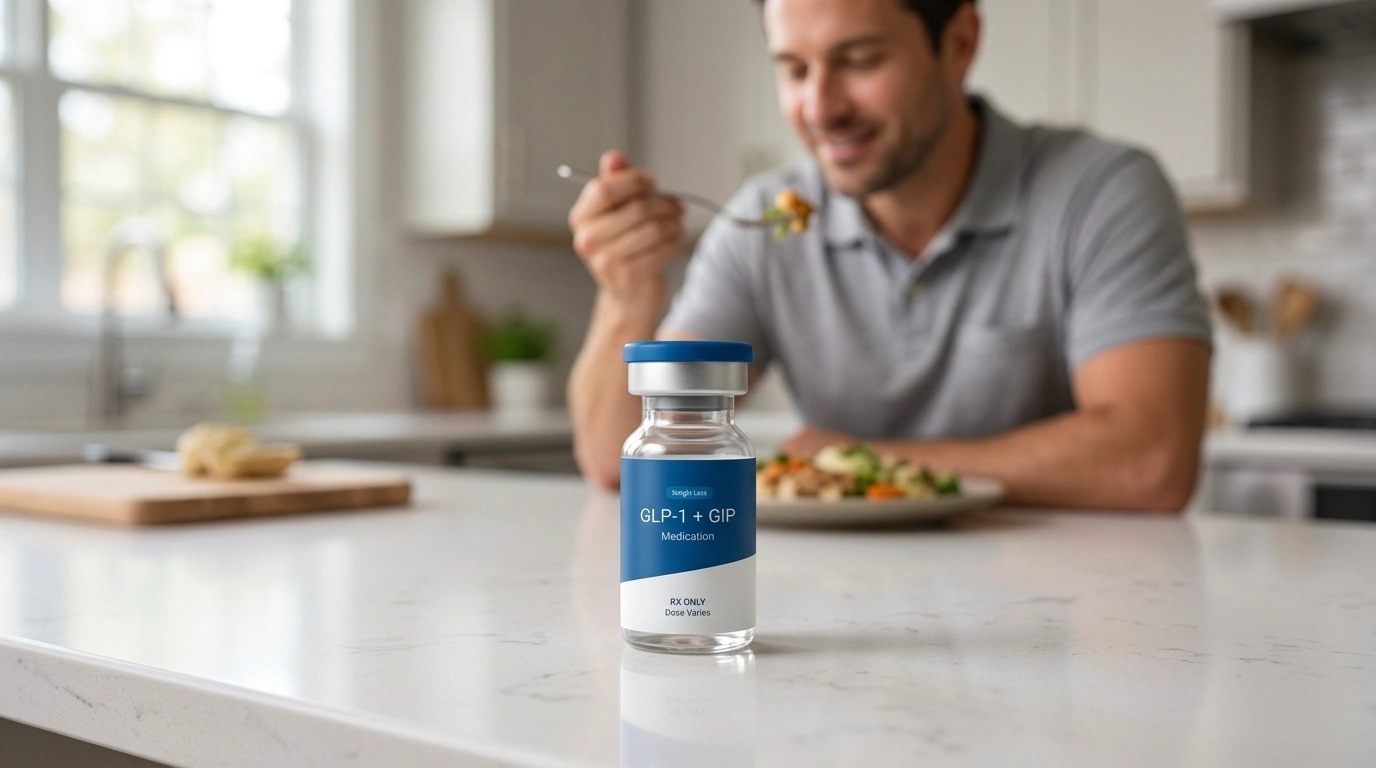
Mounjaro® is a refrigerated medication. The active ingredient, tirzepatide (a dual GIP and GLP-1 receptor agonist), is a protein-based molecule. Tirzepatide works by mimicking two hormones naturally produced in the body that help regulate blood sugar and appetite. Because it is a sensitive biological product, it must be kept cold to prevent the proteins from breaking down or “denaturing.”
Why Cold Injections Might Sting
The human body maintains a core temperature of approximately 98.6°F. When you introduce a liquid that is 36°F to 46°F (standard refrigerator temperature) into your tissues, the temperature variance can trigger local nerve endings. This often results in a brief stinging or burning sensation.
This sensation is not a sign of harm. It is simply a physical response to the cold. By allowing the medication to reach room temperature—usually between 68°F and 77°F—you significantly narrow the gap between the medication temperature and your body temperature, which often leads to a much smoother injection experience. You can also review these tips for making GLP-1 injections more comfortable.
How to Safely Warm Your Medication
If you decide that room-temperature injections are right for you, the method you use to warm the pen is critical. Because tirzepatide is sensitive to heat, you must never use artificial heat sources.
The Correct Way to Warm the Pen
To safely bring your medication to room temperature, follow these steps:
- Remove one pen from the refrigerator. Keep the rest of your supply in the fridge.
- Check the label. Ensure it is the correct dose and that the medication has not expired.
- Place the pen on a clean, flat surface. Keep it away from direct sunlight, which can also degrade the medication.
- Wait 30 minutes. This is generally enough time for the small amount of liquid inside the pen to reach room temperature.
- Inspect the liquid. It should be clear and colorless or slightly yellowish. If it is cloudy or contains particles, do not use it.
What to Avoid
Important: Never attempt to speed up the warming process using a microwave, hot water, a hairdryer, or by placing it near a heater. Excessive heat can permanently damage the tirzepatide molecule, rendering the medication ineffective.
Proper Storage Requirements for Tirzepatide
Understanding the “why” behind refrigeration helps you manage your supply more effectively. Tirzepatide is stable in the refrigerator until the expiration date printed on the carton. However, the manufacturer recognizes that life happens—you might travel, or you might prefer to keep your current pen in a cabinet rather than the kitchen fridge.
The 21-Day Rule
Once a Mounjaro® pen is removed from the refrigerator, it can be stored at room temperature (up to 86°F or 30°C) for up to 21 days.
- If the pen stays out for more than 21 days, it must be discarded.
- Do not put a pen back in the refrigerator after it has reached room temperature for an extended period.
- Always keep the pen in its original carton to protect it from light.
Key Takeaway: While refrigeration is the gold standard for long-term storage, tirzepatide remains stable and safe for up to 21 days at room temperature, provided it is kept away from extreme heat and light.
If you are unsure whether a prescription treatment plan fits your needs, you can take the free assessment quiz to review your potential eligibility with a provider.
Minimizing Injection Discomfort
Warming the medication is just one way to make your weekly dose more pleasant. If you find that the “pinch” of the injection is a barrier to your consistency, consider these additional strategies. This guide to giving a GLP-1 injection safely covers preparation, technique, and site reactions in greater detail.
Selecting and Rotating Sites
The most common sites for subcutaneous injections are the abdomen (at least two inches away from the belly button), the front of the thighs, or the back of the upper arms.
Rotation is essential. If you inject in the exact same spot every week, you may develop lipohypertrophy, which is a buildup of fatty tissue under the skin. This can make the skin feel “lumpy” and may actually interfere with how well the medication is absorbed. For more guidance, see this tirzepatide injection-site rotation guide.
- Step 1: Choose a different quadrant of your abdomen or switch legs each week.
- Step 2: Ensure the skin is clean and dry.
- Step 3: Do not inject into skin that is bruised, tender, red, or hard.
Technique and Timing
The Mounjaro® pen is designed to be user-friendly. You do not need to “pinch an inch” of fat as you might with other types of injections. Simply place the base of the pen flat against your skin, unlock it, and press the button.
Wait for the clicks. You will hear a loud click when the injection starts and a second click when it is finished. Most providers recommend waiting a few extra seconds after the second click before pulling the pen away to ensure the full dose has been delivered.
For more information about choosing between the abdomen, thigh, and upper arm, read this complete guide to GLP-1 injection sites.
Comparing Branded and Compounded Options
While Mounjaro® is a well-known branded medication, many people look for alternative ways to access tirzepatide. Through the TrimRx platform, individuals can be connected with licensed healthcare providers who may prescribe compounded versions of these medications.
Understanding Compounded Tirzepatide
Compounded medications are prepared by specialized pharmacies to meet specific patient needs or to address shortages of branded drugs. It is important to note:
- Compounded tirzepatide is not FDA-approved.
- The pharmacies we work with are FDA-registered and inspected.
- Compounded versions often come in a vial rather than a pre-filled pen.
The temperature rules for compounded tirzepatide are very similar to the branded versions. You should still store your vials in the refrigerator and follow the specific “use-by” dates provided by the compounding pharmacy. If you are using a vial and syringe, you can still draw your dose and let the filled syringe sit for a few minutes to take the chill off before injecting. If you are exploring prescription options, see if you qualify for a personalized program.
When to Consult a Healthcare Professional
Most side effects related to the injection site are mild and temporary. However, you should always stay in communication with your medical team.
Contact a provider if you experience:
- Severe pain at the injection site that does not go away.
- Signs of a systemic allergic reaction (hives, swelling of the face or throat, difficulty breathing).
- Significant redness or swelling that spreads or feels hot to the touch.
At TrimRx, our clinical partners emphasize that weight loss is a marathon, not a sprint. Managing the minor side effects and discomforts of the medication is a key part of staying on track for the long term.
Myths vs. Facts About Injection Temperature
Myth: Warming the pen makes the medication work faster.
Fact: The rate of absorption for tirzepatide is determined by the subcutaneous tissue, not the starting temperature of the liquid. Warming is purely for your comfort.
Myth: If I forget and leave my pen out overnight, I have to throw it away.
Fact: As long as the room temperature did not exceed 86°F, the pen is safe to use for up to 21 days from the moment it left the fridge.
Myth: I should shake the pen after it warms up to mix the ingredients.
Fact: Never shake a GLP-1 or GIP medication. Shaking can damage the delicate protein structures. If you need to check the liquid, gently turn the pen over in your hand.
The TrimRx Approach to Sustainable Success
The journey to metabolic health is about more than just a weekly injection. It is about feeling empowered and supported at every step. We focus on providing a telehealth-first experience that removes the traditional barriers to weight loss care. From the initial free assessment quiz to the moment your package arrives from a licensed pharmacy, we aim to make the process transparent and straightforward.
Our mission is to help you navigate these small but important questions—like whether to warm up your pen—so you can focus on the bigger picture of your health and well-being. If you are ready to explore your next step, complete the free assessment quiz.
Summary Checklist for Your Next Dose
To ensure a comfortable and effective experience, keep this checklist in mind for your next injection:
- Confirm the Medication: Check the name and dose on the pen.
- Temperature Check: Decide if you want to inject cold or wait 30 minutes for room temperature.
- Visual Inspection: Ensure the liquid is clear and the pen is not expired or frozen.
- Site Selection: Pick a spot you didn’t use last week.
- Cleanliness: Clean the skin with an alcohol swab and let it dry completely (wet alcohol can cause a sting).
- Completion: Listen for both clicks and hold for several seconds.
By taking these small steps, you turn a clinical requirement into a manageable part of your self-care routine.
FAQ
Can I leave my Mounjaro pen out of the fridge permanently?
No, you should only keep the pen you are currently using or about to use at room temperature. Your backup supply should always remain in the refrigerator to ensure it lasts until the expiration date. Once a pen has been out of the fridge for 21 days, it must be discarded, even if there is still medication inside.
What happens if the medication gets too hot?
If the medication is exposed to temperatures above 86°F (30°C), the tirzepatide can break down. This doesn’t necessarily make it “poisonous,” but it makes it much less effective or completely inactive. If your pen was left in a hot car or in direct sunlight, it is safest to contact a healthcare provider and replace the pen.
Why does the liquid in my pen look slightly yellow?
The manufacturer states that the medication should be clear and colorless or “slightly yellowish.” This is a normal variation for tirzepatide. However, if the liquid is cloudy, dark brown, or has visible white flakes or particles floating in it, you should not use it and should contact the pharmacy for a replacement.
Can I travel with my medication if I can’t keep it cold?
Yes, because of the 21-day room temperature rule, you can travel without a cooling case as long as the medication stays below 86°F. For long flights or trips to very hot climates, using an insulated travel bag (without letting the pen touch a frozen gel pack directly) is a good precaution to keep the temperature stable. If you are considering a prescription weight management program, you can find out if GLP-1 medications may be right for you.
Disclaimer: This content is for informational purposes only and does not constitute medical advice. It is not intended to diagnose, treat, cure, or prevent any disease or condition. Individual results may vary. Always consult a qualified healthcare professional before starting any weight loss program or medication.

Transforming Lives, One Step at a Time
Keep reading

Mounjaro Alternatives: What Else to Consider
If Mounjaro isn’t the right fit, the closest alternatives are other GLP-1 medications, chiefly semaglutide (Ozempic for diabetes, Wegovy for weight), along with a…

Mounjaro vs Zepbound: Same Drug, Two Brands
Like their semaglutide counterparts, Mounjaro and Zepbound are the same medication (tirzepatide) sold under two names for two purposes: Mounjaro is approved for type…

Retatrutide vs Mounjaro: Triple Agonist vs Dual Agonist
The core difference between retatrutide and Mounjaro comes down to how many hormone targets each hits: retatrutide activates three receptors, while Mounjaro (tirzepatide) activates…


