Best Practices: Should You Inject Tirzepatide Cold?
Introduction
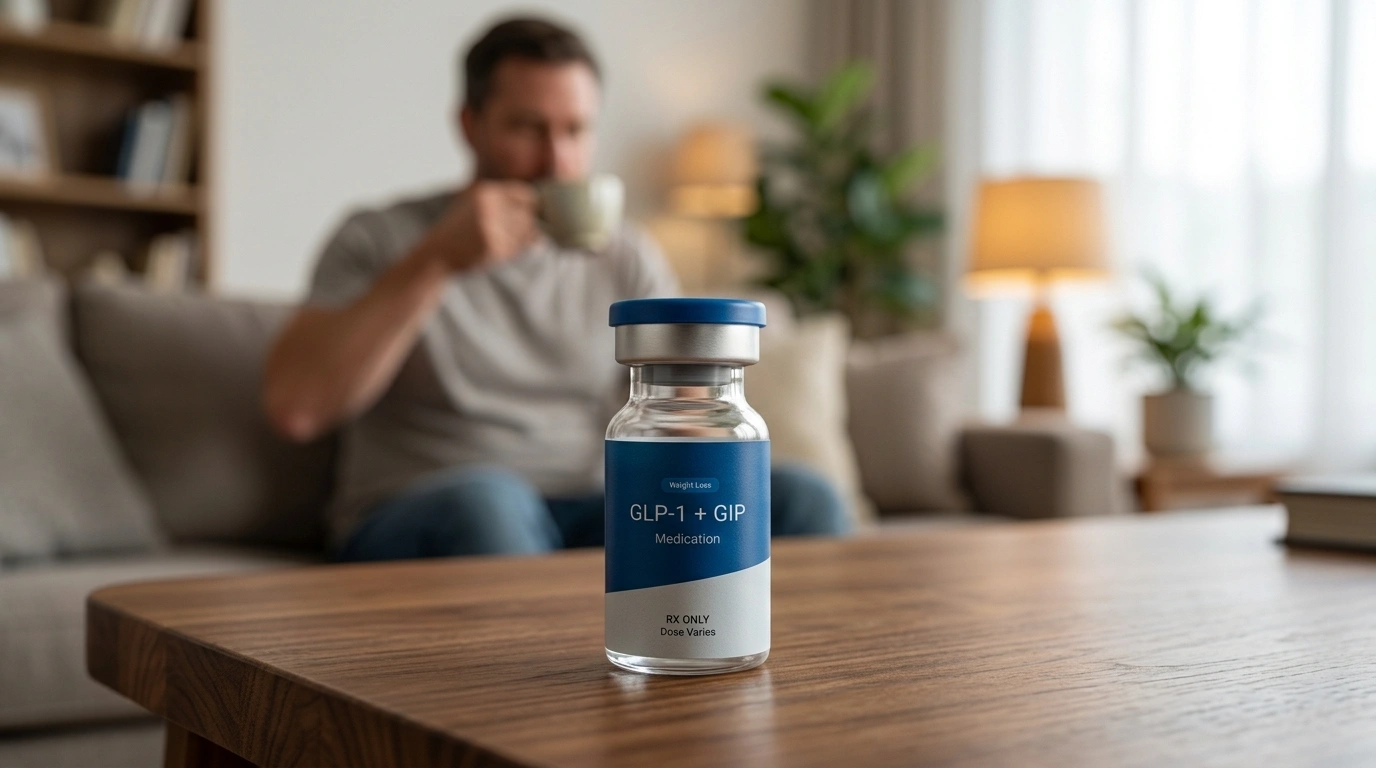
Standing in your kitchen with a medication pen or a vial in hand, you might hesitate before your weekly dose. You know the medication needs to stay in the refrigerator to remain effective, but the thought of a chilly injection can be off-putting. Many individuals starting their journey with tirzepatide— a dual-acting medication that mimics the GIP (glucose-dependent insulinotropic polypeptide) and GLP-1 (glucagon-like peptide-1) hormones—wonder if they can use it straight from the fridge or if they need to wait.
At TrimRx, we believe that the logistics of your treatment should never be a source of stress. This article explains the best practices for handling your medication temperature, how to ensure a comfortable injection experience, and why proper storage is vital for your progress. Our goal is to help you navigate these clinical details so you can focus on your long-term health goals. If you are considering treatment, you can take the free assessment quiz to explore whether a personalized program may be appropriate for you.
Quick Answer: You can safely inject tirzepatide while it is cold, but it may cause more discomfort or a “stinging” sensation. Most healthcare providers recommend letting the medication sit at room temperature for 15 to 30 minutes before use to ensure a more comfortable experience.
The Science of Temperature and Injection Comfort
Tirzepatide is a sophisticated molecule designed to regulate blood sugar and support weight management by signaling your brain that you are full and slowing down how quickly your stomach empties. Because it is a protein-based medication, it is sensitive to extreme temperatures. It must be kept cold to prevent the proteins from breaking down, which would make the medication less effective.
However, the temperature of the liquid when it enters your body does not change how the medication works. Whether you inject it at 40°F or 70°F, your body will process the tirzepatide the same way. The primary reason to consider warming the medication is purely for your own physical comfort. Cold liquids are more viscous—meaning they are slightly thicker—and can cause more “bite” as they enter the subcutaneous tissue (the fatty layer just under the skin). For additional guidance, review this tirzepatide storage, travel, and handling guide.
Why Cold Injections Stinge
When you inject a cold substance, the temperature difference between the liquid and your internal body temperature can trigger local nerve endings. This often results in a sharp, temporary stinging sensation. For some, this is a minor annoyance. For others, particularly those who may already feel anxious about needles, it can make the weekly routine feel like a chore.
By allowing the medication to reach room temperature, the liquid becomes slightly less viscous, and the temperature shock to your nerves is eliminated. This small change can transform the injection from a painful event into a quick, nearly unnoticeable part of your day. You can also review these tips for injecting tirzepatide cold or at room temperature.
How to Safely Warm Your Medication
If you decide to let your tirzepatide warm up before use, it is critical to do so safely. You must never use external heat sources to speed up the process. Excessive heat can “denature” or damage the medication, rendering it useless.
Step 1: Remove from the refrigerator. Take your single-dose pen or your vial out of the fridge approximately 15 to 30 minutes before you plan to inject.
Step 2: Keep it away from light. Place the medication on a clean counter, ideally inside its box or in a shaded area. Tirzepatide is sensitive to light.
Step 3: Check the environment. Ensure the room is not excessively hot. Standard room temperature (below 86°F) is perfectly safe for a short period.
Step 4: Inspect the liquid. Before injecting, look at the medication. It should be clear and colorless to slightly yellow. If it is cloudy or contains particles, do not use it and contact your provider.
Key Takeaway: Comfort is the only reason to warm tirzepatide. If you are in a hurry, a cold injection is medically safe, but a 20-minute wait at room temperature usually leads to a much more pleasant experience.
What to Avoid
In an effort to save time, some people make mistakes that could compromise their treatment. Here are the “never” rules for warming your medication:
- Never put the pen or vial in the microwave.
- Never run it under hot water.
- Never leave it in direct sunlight on a windowsill.
- Never shake the medication vigorously to warm it up; a gentle roll between your palms is okay, but shaking can damage the proteins.
For another practical explanation of warming a dose safely, see this guide on letting Zepbound warm up before injecting.
Proper Storage Requirements for Tirzepatide
Understanding how to store your medication is just as important as knowing how to inject it. Whether you are using branded options like Mounjaro® or Zepbound®, or you are using Compounded Tirzepatide through a program like ours, the rules for stability are generally similar.
The Refrigerator Rule
Tirzepatide should be stored in the refrigerator between 36°F and 46°F (2°C to 8°C). The best place to keep it is in the middle of the fridge. Avoid the door, as the temperature fluctuates every time you open it, and avoid the very back, where items can sometimes accidentally freeze.
Note: If your medication freezes, it is no longer safe to use. Freezing destroys the molecular structure of the peptide. If you find your vial or pen has frozen, it must be discarded.
For more detailed guidance about compounded medication, read how to store compounded semaglutide or tirzepatide at home.
Room Temperature Limits
Life happens—you might travel, or you might accidentally leave your medication on the counter overnight. Most tirzepatide formulations can remain at room temperature (up to 86°F) for a limited time. For many branded versions, this limit is 21 days. For compounded versions, you should always follow the specific instructions provided by the compounding pharmacy, as the “beyond-use date” may differ.
| Storage Condition | Recommended Action |
|---|---|
| Refrigerated (36°F–46°F) | Keep here until the expiration date. |
| Room Temperature (Up to 86°F) | Safe for up to 21 days (check your specific label). |
| Above 86°F / Direct Sunlight | Do not use; medication may be compromised. |
| Frozen | Do not use; discard immediately. |
Maximizing Your Injection Experience
A successful weight loss journey is built on consistency. If the injection process is uncomfortable, you are more likely to delay or skip doses. Beyond managing the temperature of the medication, there are several steps you can take to make the process easier.
Choosing the Right Site
Tirzepatide is a subcutaneous injection, meaning it goes into the fat layer, not the muscle. The three recommended areas are the abdomen (at least two inches away from the belly button), the front of the thighs, or the back of the upper arm.
Many people find the abdomen to be the least painful site because it typically has more fatty tissue and fewer nerve endings than the thighs. It is important to rotate your injection site each week. If you injected on the left side of your stomach last week, move to the right side this week. This prevents the skin from becoming tough or developing small lumps, a condition known as lipohypertrophy. For step-by-step guidance, see how to inject tirzepatide in the stomach.
The Prep and Technique
- Clean the skin: Use an alcohol swab to clean the area and let it air dry completely. If the skin is still wet with alcohol when you inject, it will cause an unnecessary sting.
- Pinch or No Pinch: Depending on your body composition, you may want to gently pinch a fold of skin to ensure the needle enters the fat layer and stays away from the muscle.
- The Angle: If using a syringe with Compounded Tirzepatide, a 90-degree angle is standard for most people. If you are very lean, a 45-degree angle may be recommended by your provider.
- The Wait: After pushing the plunger or triggering the pen, wait about 5 to 10 seconds before pulling the needle out. This ensures the full dose is absorbed and doesn’t leak back out of the tiny injection hole.
Compounded Tirzepatide vs. Branded Medications
When discussing tirzepatide, it is important to distinguish between the various forms available. Branded medications like Mounjaro® and Zepbound® are FDA-approved for specific uses like Type 2 diabetes and chronic weight management. These typically come in pre-filled, single-use “auto-injector” pens.
Compounded Tirzepatide is a different option. Compounding is the process of creating a custom medication by a licensed pharmacist to meet the specific needs of a patient. While Compounded Tirzepatide is not FDA-approved, it is prepared in FDA-registered and inspected compounding pharmacies. These versions often come in a multi-dose vial, and you use a small syringe to draw up your dose.
Regardless of which version you use, the “cold vs. room temperature” debate remains the same. Both are proteins that require refrigeration but are more comfortable to inject when slightly warmed. At TrimRx, we connect you with licensed providers who can determine if a personalized program involving compounded medications is appropriate for your health history and goals. If you want to discuss your eligibility, complete a free eligibility assessment.
Bottom line: Whether using a branded pen or a compounded vial, the medication’s efficacy depends on cold storage, but your comfort depends on a brief warming period before use.
Managing Potential Injection Site Reactions
Even if you follow every step perfectly and let your medication reach room temperature, you might still experience a mild reaction at the site of the injection. This is common and usually not a cause for alarm.
Common Local Reactions
It is normal to see a small amount of redness, slight swelling, or minor itching at the site. This is often just your body’s natural response to a needle and a foreign substance. These symptoms usually resolve within 24 to 48 hours.
When to Consult Your Provider
While minor irritation is common, you should keep an eye out for more significant issues. If you notice a rash that spreads, intense pain, or signs of an allergic reaction like hives or difficulty breathing, seek medical attention immediately. For broader information about common treatment reactions, read this overview of GLP-1 side effects.
Myth: A red bump means the medication isn’t working.
Fact: Local skin irritation is a common side effect and does not indicate how well the tirzepatide is working to manage your weight or blood sugar.
Supporting Your Journey Beyond the Needle
The injection is only one small part of a larger metabolic health picture. While tirzepatide is a powerful tool for weight loss, it works best when supported by a holistic approach.
Many patients find that as they lose weight, their nutritional needs change. Because tirzepatide slows digestion, you might find it harder to get all your essential vitamins and minerals through food alone. We offer quick-access supplements like our GLP-1 Daily Support supplement, which is designed to help bridge these nutritional gaps and support gut health during treatment.
Additionally, managing side effects like nausea or fatigue is a key part of staying on track. Staying hydrated and eating small, protein-rich meals can help mitigate some of the digestive changes that come with GLP-1 and GIP receptor agonists. If fatigue is affecting your routine, you can explore energy support while on GLP-1 medication. If you are struggling with side effects, your TrimRx-affiliated provider can offer guidance on dose adjustments or lifestyle changes to make the transition smoother.
Troubleshooting Common Medication Issues
When you are handling your own injections at home, questions are bound to arise. Here are some of the most common scenarios people encounter regarding the storage and temperature of tirzepatide.
What if I forgot to put it back in the fridge?
If you left your medication out overnight, don’t panic. As long as your house stayed at a normal temperature (below 86°F), the medication is likely still safe to use. You should put it back in the refrigerator immediately and use it as planned. However, if it was left in a hot car or near a heater, it is best to consult your provider or the pharmacy before using it.
Can I travel with tirzepatide?
Yes, you can travel with your medication. For short trips, you can keep it at room temperature (if you will use it within 21 days). For longer trips or travel to hot climates, using a small insulated travel bag with a gel cooling pack is a good idea. Just make sure the medication does not touch the ice pack directly to prevent freezing. This tirzepatide storage and travel guide provides additional handling information.
The liquid looks different—is it safe?
Always inspect the liquid before every dose. If you see “floaties,” cloudiness, or a significant change in color (like turning dark brown), do not inject it. This could be a sign that the medication has broken down due to heat or light exposure.
Starting Your Path with TrimRx
Navigating the world of GLP-1 and GIP medications can feel complex, but you don’t have to do it alone. Our mission at TrimRx is to simplify this process, providing a telehealth-first experience that combines medical expertise with the convenience of modern technology. We offer personalized programs that are tailored to your unique health profile, ensuring you have the support you need from the first consultation to your final goal.
We provide access to a dedicated team of specialists and medications shipped from reputable, inspected pharmacies. Whether you are curious about Compounded Tirzepatide or want to explore other weight loss options, our platform is designed to be your partner in sustainable health.
Our approach is built on transparency and empathy. We understand that weight loss is not just about a number on a scale; it’s about how you feel, your energy levels, and your long-term vitality. By providing clear guidance on everything from injection techniques to nutritional support, we help you build a foundation for lasting change.
If you are ready to see if a medically supervised weight loss program is right for you, the first step is simple. You can take our free online assessment quiz to share your health history and goals with a licensed professional.
FAQ
Does tirzepatide lose its effectiveness if it gets warm?
Tirzepatide is stable at room temperature (up to 86°F) for up to 21 days, so a short period of warmth will not reduce its effectiveness. However, exposure to high heat (above 86°F) or direct sunlight can cause the proteins to break down, which may make the medication less potent. Always store your medication in the refrigerator for long-term use to ensure it remains as effective as possible.
Can I put my tirzepatide pen back in the fridge after it reaches room temperature?
Yes, you can return the medication to the refrigerator if you decide not to use it after letting it warm up. As long as it was not exposed to extreme heat or left out for more than the recommended room-temperature limit (usually 21 days), it is safe to put back. Frequent temperature swings aren’t ideal, so try to only take out the dose you plan to use.
Is it better to inject in the stomach or the thigh to avoid stinging?
Injection comfort varies from person to person, but many find that the abdomen is less sensitive than the thigh. The abdomen usually has a thicker layer of subcutaneous fat, which can make the injection feel less sharp. Letting the medication reach room temperature before injecting into the abdomen is often the most comfortable combination for many patients. This guide to stomach injections offers additional technique tips.
What should I do if my medication was delivered and the ice packs were melted?
If your medication arrives and the cooling packs are no longer frozen but the vial or pen still feels cool to the touch, it is generally safe to use and should be refrigerated immediately. If the medication feels warm or has been at high temperatures for an extended period during shipping, contact the pharmacy or our support team. We ensure our partner pharmacies use appropriate shipping methods to maintain the necessary temperature during transit.
Disclaimer: This content is for informational purposes only and does not constitute medical advice. It is not intended to diagnose, treat, cure, or prevent any disease or condition. Individual results may vary. Always consult a qualified healthcare professional before starting any weight loss program or medication.

Transforming Lives, One Step at a Time
Keep reading

Starting Tirzepatide While on the Pill: The First Four Weeks
You have your first box and you take an oral contraceptive. There is a labeled instruction that applies to you, and the mistake almost…
Marathon Training on Tirzepatide When You Can’t Fuel
You have a plan on the fridge and a medication that has made eating feel optional. Those two things are in genuine conflict, and…

Paying Cash for Tirzepatide? Don’t Stretch Your Supply
When every vial comes out of your own pocket, the arithmetic is hard to ignore. If a month’s supply costs what it costs, and…


