Do You Need to Eat Before Taking Ozempic? Your Guide to Diet and Success
Introduction
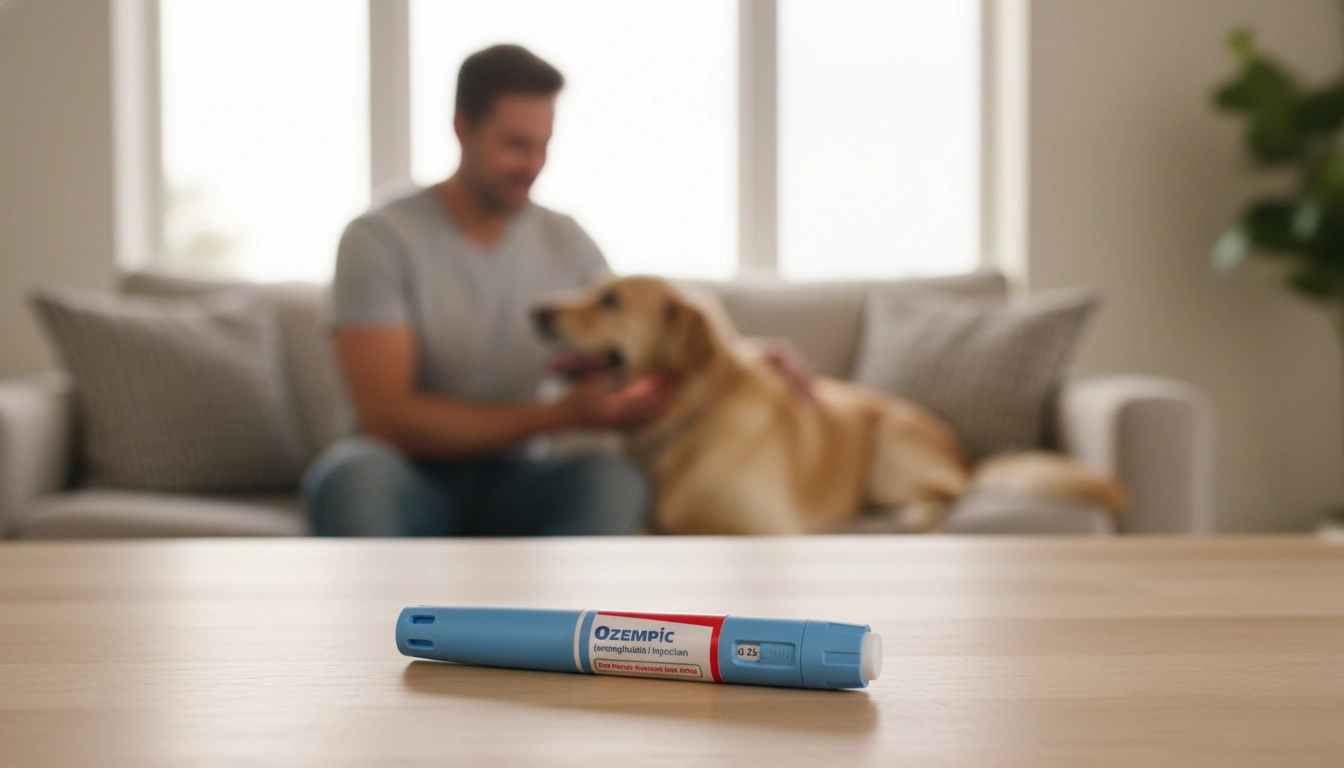
One of the most frequently asked questions for individuals starting a weight loss journey with medications like Ozempic® often revolves around meal timing: “Do you need to eat before taking Ozempic?” This seemingly simple question opens the door to a much broader, more vital conversation about how diet integrates with GLP-1 receptor agonist medications to foster lasting health and significant weight loss. For many, the idea of medication alone can feel like a complete solution, yet true, sustainable progress is a symphony of science, personalized care, and informed lifestyle choices.
At TrimRx, our journey began with a shared vision to help individuals embrace healthier lifestyles. We merge cutting-edge telehealth innovations with effective weight loss solutions, creating a user-friendly and supportive space where personalized, medically supervised care is accessible to all. We understand that navigating the complexities of weight loss can be overwhelming, and clarifying misconceptions about medication use is crucial for empowering you with knowledge.
This blog post will serve as your comprehensive guide to understanding the intricate relationship between Ozempic® (semaglutide) and your diet. We will address the direct question of meal timing for injection, but more importantly, we will delve into how your dietary choices profoundly influence the medication’s effectiveness, minimize potential side effects, and contribute to the sustainable weight loss you seek. We believe that sustainable weight loss should be achieved through science, empathy, and a transparent approach, and that means equipping you with all the information you need. By the end of this article, you will not only have a clear answer to the question of eating before Ozempic®, but also a deeper understanding of how to optimize your nutrition, manage common challenges, and leverage our personalized programs to achieve your health goals. Together, we’ll explore how thoughtful dietary planning can transform your weight loss journey from a series of fleeting attempts into a path of enduring success.
Demystifying Ozempic®: The “With or Without Food” Answer
Let’s address the central question directly: No, you do not need to eat before taking Ozempic®. This prescription medication, which contains semaglutide, can be administered with or without food. Its efficacy is not dependent on your stomach being full or empty at the time of injection. This flexibility is a key advantage for many individuals, simplifying adherence to their treatment schedule.
Why Meal Timing Doesn’t Affect Ozempic®’s Absorption
The reason for this flexibility lies in how Ozempic® is delivered and absorbed by your body. Ozempic® is an injectable medication, meaning it is administered subcutaneously (under the skin) – typically into the abdomen, thigh, or upper arm – once a week. Unlike oral medications that must pass through your digestive system, where they can interact with food, stomach acids, or other substances, injectable medications bypass this entire process.
Once injected, the semaglutide in Ozempic® is gradually absorbed into your bloodstream from the subcutaneous tissue. This means that whether you’ve just eaten a full meal, had a light snack, or haven’t eaten anything at all, the medication’s absorption and subsequent action in your body remain consistent. This mechanism of delivery ensures a steady release of the active ingredient, providing its therapeutic effects over the course of the week, independent of your immediate dietary intake.
This understanding is crucial for reducing any anxiety or confusion around your injection routine. While the timing of your meal relative to your injection isn’t a factor, the composition and overall quality of your diet throughout the week play an absolutely pivotal role in maximizing the benefits of Ozempic® and fostering sustainable weight loss.
The Science Behind Semaglutide: How Ozempic® Works
To truly understand why diet matters so much even when meal timing for your injection doesn’t, we need to explore the sophisticated mechanisms of semaglutide, the active ingredient in Ozempic®. Ozempic® is an FDA-approved medication that belongs to a class of drugs known as GLP-1 receptor agonists. GLP-1 stands for Glucagon-Like Peptide-1, a natural hormone produced in your gut that plays a critical role in regulating appetite and blood sugar.
Mimicking a Natural Hormone
When you take Ozempic®, it essentially mimics the action of your body’s natural GLP-1. This artificial GLP-1 analog binds to GLP-1 receptors in various parts of your body, including your pancreas, stomach, and brain, initiating a cascade of beneficial effects.
Impact on Blood Sugar Regulation
One of the primary roles of GLP-1 is to help manage blood sugar levels. When semaglutide activates GLP-1 receptors, it signals the pancreas to:
- Increase insulin secretion in a glucose-dependent manner. This means insulin is released more effectively when blood sugar levels are high, helping to transport glucose from the bloodstream into cells for energy or storage. This avoids excessive insulin release when blood sugar is low, reducing the risk of hypoglycemia.
- Decrease glucagon secretion. Glucagon is a hormone that raises blood sugar. By reducing its release, semaglutide further contributes to lower blood glucose levels.
- Slow down glucose production by the liver. The liver naturally produces glucose, especially between meals. Semaglutide helps to regulate this process, preventing an oversupply of glucose in the bloodstream.
These actions collectively contribute to improved glycemic control, which is particularly beneficial for individuals managing type 2 diabetes.
Influencing Appetite and Satiety
Beyond blood sugar, semaglutide has a profound impact on appetite and satiety, which is central to its role in weight management. It achieves this by:
- Slowing Gastric Emptying: Ozempic® prolongs the time it takes for food to leave your stomach. This means you feel fuller for longer after meals, reducing the urge to eat frequently. This slowed digestion is a key factor in managing portion sizes and overall calorie intake.
- Acting on the Brain’s Appetite Centers: Semaglutide also affects areas in the brain that regulate appetite and hunger. It helps reduce “food noise”—those persistent thoughts and cravings about food that can make weight loss incredibly challenging. By quieting these signals, Ozempic® makes it easier to make healthier food choices and adhere to a reduced-calorie diet.
- Increasing Feelings of Fullness and Satiation: By enhancing satiety signals, semaglutide helps you feel satisfied with smaller amounts of food. This natural reduction in appetite often leads to a decreased caloric intake without feeling deprived.
Medication as a Tool, Not a Standalone Solution
It’s clear that medications like Ozempic® offer powerful support for weight loss and blood sugar management. However, it’s vital to recognize that they are tools designed to work in conjunction with lifestyle modifications, not in isolation. Semaglutide creates a physiological environment that makes healthy eating and portion control easier, but it doesn’t choose your food for you. The significant and lasting results we witness at TrimRx come from combining advanced medical science with modern technology and a holistic approach that empowers individuals to build sustainable habits. Our personalized programs, which may include options like Compounded Semaglutide, Oral Semaglutide, Ozempic®, Compounded Tirzepatide, Oral Tirzepatide, Mounjaro®, Zepbound®, or Wegovy®, are designed to maximize success when paired with a thoughtful and nourishing diet. To discover if one of these tailored plans is right for you, we invite you to take our free assessment quiz to see if you qualify for our prescription weight loss medications.
The Synergy of Medication and Mindful Eating
While the timing of your Ozempic® injection relative to meals is not a concern, the quality and composition of your diet are paramount. Medications like Ozempic® create an incredible opportunity to reset your relationship with food by reducing appetite and cravings. This makes it easier to adopt the mindful eating habits and nourishing dietary choices that are essential for long-term success.
At TrimRx, we believe that sustainable weight loss is a partnership between effective medical solutions and informed lifestyle changes. Our approach is deeply empathetic and supportive, guiding you towards dietary patterns that not only complement your medication but also nourish your body, manage side effects, and promote overall well-being.
Crafting Your Personalized Plate: What to Embrace
When utilizing a GLP-1 receptor agonist like Ozempic®, your goal should be to maximize nutrient intake while operating within a reduced-calorie framework. The feeling of increased satiety means you’ll likely be eating less overall, making every bite count for nutrition.
Prioritizing Lean Protein
Protein is a cornerstone of any weight loss diet, and it becomes even more critical when taking medications that reduce appetite.
- Muscle Preservation: When you lose weight, a portion of that loss can come from muscle mass. Adequate protein intake helps preserve lean muscle, which is vital for maintaining a healthy metabolism and preventing weight regain.
- Enhanced Satiety: Protein is known for its ability to promote fullness. Incorporating lean protein into every meal can help you feel satisfied and prevent unnecessary snacking between meals.
- Examples: Focus on sources like chicken breast, turkey, fish (salmon, tuna, cod), lean beef, eggs, Greek yogurt, cottage cheese, tofu, tempeh, lentils, and beans.
Embracing Fiber-Rich Foods
Fiber plays a crucial role in digestive health and satiety, which is especially important given Ozempic®’s effect on gastric emptying.
- Sustained Fullness: Fiber-rich foods add bulk to your diet and are digested slowly, contributing to prolonged feelings of fullness.
- Digestive Health: Many individuals experience changes in bowel habits, such as constipation, while on GLP-1 agonists. Adequate fiber intake, combined with sufficient hydration, can help maintain regularity and support a healthy gut microbiome.
- Blood Sugar Stability: Fiber helps slow the absorption of sugar into the bloodstream, preventing sharp spikes and crashes.
- Examples: Load up on non-starchy vegetables (broccoli, spinach, bell peppers, asparagus), fruits (berries, apples, pears), whole grains (oats, quinoa, brown rice, whole-wheat bread), and legumes (chickpeas, black beans).
Incorporating Healthy Fats
Fats are essential for hormone production, nutrient absorption, and long-term satiety, but the key is choosing the right kinds in moderation.
- Satiety and Flavor: Healthy fats contribute to the flavor and texture of your meals, making them more satisfying. They also slow digestion, further enhancing fullness.
- Nutrient Absorption: Many vitamins (A, D, E, K) are fat-soluble, meaning they require fat for proper absorption.
- Examples: Avocados, nuts (almonds, walnuts), seeds (chia, flax, hemp), olive oil, and fatty fish.
The Mediterranean Diet: A Model for Success
For those seeking a structured approach, the Mediterranean diet stands out as a gold standard for overall health and weight management, aligning beautifully with the principles of eating on Ozempic®. This eating plan emphasizes:
- Abundant fruits, vegetables, whole grains, nuts, and legumes.
- Healthy fats like olive oil.
- Moderate amounts of fish and poultry.
- Limited red meat, processed foods, and added sugars.
This balanced approach provides a wealth of nutrients, fiber, and healthy fats, supporting your body while working with the medication to achieve your goals. Our personalized weight loss programs at TrimRx focus on helping you discover what a balanced and nourishing diet looks like for you, providing the guidance and support needed to build lasting habits. This often includes access to resources and expert insights that complement your treatment plan, ensuring you’re never alone on your journey.
Navigating Dietary Challenges: Foods to Approach with Caution
While Ozempic® offers significant benefits, its mechanism of slowing gastric emptying can sometimes make certain foods less tolerable or even exacerbate common side effects. This isn’t about outright “forbidden” foods, but rather about mindful consumption and understanding how particular food groups might interact with your body while on the medication. Our supportive and personalized approach at TrimRx emphasizes learning what works best for your unique system.
High-Fat and Greasy Foods
These are often the primary culprits for discomfort when taking GLP-1 agonists.
- Why they’re challenging: Foods high in fat, such as fried dishes, fast food, and very rich meals, take a significantly longer time to digest. When gastric emptying is already slowed by Ozempic®, these foods can sit in the stomach for even longer, leading to feelings of extreme fullness, bloating, nausea, heartburn, or even vomiting.
- Impact on Weight Loss: Beyond discomfort, these foods are typically calorie-dense and nutrient-poor, making it harder to maintain the necessary calorie deficit for weight loss.
- Examples: French fries, greasy burgers, pizza with extra cheese, creamy sauces, rich desserts. It’s often best to limit or significantly reduce these to prevent discomfort and support your weight loss efforts.
Sugary, Processed, and High-Glycemic Index (GI) Foods
These foods can create a double challenge when on Ozempic®.
- Why they’re challenging: Foods high in refined sugars and carbohydrates (like white bread, pastries, sugary drinks, candies) are quickly broken down into glucose. While Ozempic® helps regulate blood sugar, a sudden influx of glucose from high-GI foods can still lead to rapid blood sugar spikes, followed by crashes. This can trigger increased insulin release, and if excess glucose is not used for energy, the body may store it as fat, counteracting weight loss goals.
- Impact on Side Effects: Some individuals find that the rapid absorption and subsequent sugar crash from these foods can worsen feelings of nausea or fatigue.
- Examples: Sodas, fruit juices with added sugar, white pasta, white rice, breakfast cereals with high sugar content, most baked goods. Opting for whole-grain alternatives and naturally sweet fruits can mitigate these effects.
Large Portions
Ozempic®’s primary effect is to increase satiety and slow digestion, meaning your body needs, and can handle, less food to feel full.
- Why they’re challenging: Even if you’re eating “healthy” foods, consuming large portions can lead to significant discomfort. The slowed gastric emptying means your stomach can become uncomfortably full, leading to nausea, bloating, and indigestion.
- Impact on Weight Loss: Overeating, even with healthy foods, can still lead to excess calorie intake, hindering weight loss progress.
- Strategy: Listen to your body’s new hunger and fullness cues. Aim for smaller, more frequent meals if that feels better, and stop eating when you feel comfortably satisfied, not stuffed. Our personalized weight loss program helps individuals learn these new signals and adapt their eating habits accordingly.
Alcohol
Alcohol can pose several challenges when combined with GLP-1 agonists.
- Why it’s challenging: Alcohol can impact blood sugar levels, potentially leading to hypoglycemia (low blood sugar) or hyperglycemia (high blood sugar), especially for those managing type 2 diabetes. It also adds empty calories that can impede weight loss. Furthermore, alcohol can irritate the digestive system and worsen gastrointestinal side effects like nausea or heartburn that are already common with Ozempic®.
- Impact on Side Effects: Many people find that alcohol tolerance decreases significantly while on semaglutide, with even small amounts causing exaggerated side effects.
- Strategy: It’s generally advisable to limit or avoid alcohol completely while on Ozempic®. If you choose to drink, do so sparingly and with caution, understanding how it might affect you.
By being mindful of these food categories, you can significantly enhance your comfort, optimize your weight loss results, and make your journey with Ozempic® a much smoother experience. Our commitment to transparent service means we help you understand these nuances, providing compassionate care and support regardless of dosage changes or specific dietary needs.
Optimizing Your Experience: Dietary Strategies for Managing Side Effects
While Ozempic® is a powerful tool for weight management, some individuals may experience gastrointestinal side effects, particularly during the initial weeks of treatment or with dose escalation. These can include nausea, constipation, diarrhea, and indigestion. The good news is that many of these symptoms can be effectively managed through strategic dietary choices and adjustments. Our supportive approach at TrimRx aims to equip you with practical solutions to make your journey as comfortable as possible.
Alleviating Nausea
Nausea is one of the most commonly reported side effects.
- Eat Smaller, More Frequent Meals: Instead of three large meals, try five or six smaller meals throughout the day. This keeps your stomach from becoming overly full and reduces pressure.
- Choose Bland Foods: Opt for foods that are easy to digest and less likely to upset your stomach. Think plain toast, crackers, rice, clear broths, applesauce, bananas, and boiled potatoes.
- Avoid Strong Smells and Flavors: Highly spiced, fatty, or very sweet foods can sometimes trigger nausea. Stick to milder options.
- Stay Hydrated: Sip on clear fluids frequently throughout the day, such as water, ginger tea, or clear broths. Dehydration can worsen nausea.
- Ginger: Ginger is a natural anti-emetic. Try ginger ale (flat, unsweetened if possible), ginger candies, or adding fresh ginger to your tea or cooking.
Combatting Constipation
Slowing gastric emptying can sometimes lead to constipation for some individuals.
- Increase Fiber Gradually: While fiber is important, increasing it too quickly can sometimes worsen constipation or cause bloating. Introduce fiber-rich foods like whole grains, fruits, vegetables, and legumes slowly.
- Hydration is Key: Water helps fiber do its job. Drink plenty of water throughout the day to keep stools soft and moving.
- Physical Activity: Even light exercise, like a 10-minute walk after meals, can stimulate bowel movements.
- Probiotic-Rich Foods: Incorporate fermented foods like yogurt, kefir, kimchi, and sauerkraut, which can support gut health and regularity. Our GLP-1 Daily Support supplement is designed to offer additional support for digestive health during your weight loss journey.
Managing Diarrhea
While less common than constipation, some individuals may experience diarrhea.
- Low-Fiber, Bland Foods: In cases of diarrhea, temporarily switching to lower-fiber, bland foods can help firm up stools. Examples include white rice, plain pasta, bananas, and toast.
- Hydrate with Electrolytes: Diarrhea can lead to dehydration and electrolyte imbalance. Sip on water, broths, and electrolyte-rich drinks (avoiding sugary options).
- Avoid Irritants: Steer clear of very spicy foods, caffeine, alcohol, and high-fat foods, which can irritate the digestive tract.
Addressing Indigestion and Heartburn
- Eat Slowly: Give your body time to process food. Eating too quickly can overwhelm your digestive system.
- Avoid Lying Down After Eating: Try to remain upright for at least an hour or two after a meal to prevent acid reflux.
- Limit Trigger Foods: Identify and reduce consumption of foods that commonly trigger heartburn for you, such as acidic foods (citrus, tomatoes), spicy foods, or very fatty meals.
General Tips for Digestive Comfort
- Cook Vegetables: While raw vegetables are healthy, they can sometimes be harder to digest for some individuals on Ozempic®. Lightly steaming, roasting, or boiling vegetables can make them gentler on your system.
- Listen to Your Body: Pay close attention to how different foods make you feel. Your body will provide the best clues as to what works and what doesn’t. Keeping a simple food diary can help you identify patterns.
Remember, side effects from Ozempic® are generally mild to moderate and often subside as your body adjusts to the medication. However, if symptoms are severe or persistent, it’s important to consult with your healthcare provider. At TrimRx, our comprehensive service includes unlimited support, ensuring you have the guidance you need to navigate any challenges and make informed decisions about your health. We partner with FDA-registered and inspected pharmacies for the shipping of weight loss medications, ensuring your safety and peace of mind.
Beyond the Plate: Holistic Habits for Lasting Success
While focusing on do you need to eat before taking Ozempic and subsequent dietary adjustments is crucial, true and lasting weight loss success with medications like Ozempic® extends beyond just food. It encompasses a holistic approach to well-being, integrating mindful habits that support your body and mind throughout your journey. At TrimRx, we understand that a comprehensive strategy, blending advanced medical science with modern technology and personalized support, is key to transforming lives.
The Power of Hydration
Often underestimated, proper hydration is fundamental to overall health and particularly important when on a GLP-1 receptor agonist.
- Aids Digestion: Water helps to break down food, absorb nutrients, and soften stool, making it essential for preventing constipation, a common side effect of Ozempic®.
- Supports Metabolism: Adequate water intake helps keep your metabolism functioning efficiently.
- Reduces False Hunger: Sometimes, what feels like hunger is actually thirst. Staying well-hydrated can help differentiate between true hunger and dehydration, supporting your reduced calorie intake.
- Recommendation: Aim for at least 8-10 glasses of water per day, and consider infused water with cucumber or berries for added flavor without sugar.
Integrating Regular Physical Activity
Movement is a non-negotiable component of a sustainable weight loss journey, working synergistically with your medication and diet.
- Boosts Metabolism: Regular exercise helps increase your metabolic rate, aiding in fat burning and calorie expenditure.
- Preserves Muscle Mass: As discussed, protein helps preserve muscle, and exercise, especially strength training, actively builds and maintains it, which is crucial for long-term weight management.
- Improves Mood and Energy: Physical activity releases endorphins, acting as natural mood lifters and energy boosters, combating potential fatigue.
- Enhances Blood Sugar Control: Exercise helps improve insulin sensitivity, making your body more efficient at using glucose for energy.
- Recommendation: Aim for at least 150 minutes of moderate-intensity aerobic activity per week, along with two days of strength training. Even short walks after meals can significantly aid digestion and blood sugar regulation.
Mindful Eating Practices
Ozempic® makes it easier to eat less, but mindful eating teaches how to eat for true satisfaction and awareness.
- Listen to Your Body’s Cues: Pay attention to your hunger and fullness signals. Ozempic® often makes these clearer. Eat when you’re truly hungry, and stop when you’re comfortably full, not overly stuffed.
- Eat Slowly: Savor your food. Chewing thoroughly and taking breaks between bites allows your brain time to register satiety, which typically takes about 20 minutes. This is especially important with slowed gastric emptying.
- Minimize Distractions: Avoid eating in front of screens. Focus on the taste, texture, and aroma of your food to enhance enjoyment and awareness of your meal.
Prioritizing Quality Sleep and Stress Management
These often-overlooked factors play a significant role in weight management and overall health.
- Sleep’s Role: Poor sleep can disrupt hormones that regulate hunger (ghrelin) and satiety (leptin), leading to increased cravings and appetite. Aim for 7-9 hours of quality sleep per night.
- Stress Impact: Chronic stress can elevate cortisol levels, which can promote fat storage, especially around the abdomen. Incorporate stress-reducing activities like meditation, yoga, deep breathing exercises, or hobbies you enjoy.
Our brand is empathetic, innovative, trustworthy, and supportive. We believe in providing compassionate care that respects every individual’s unique journey. Our comprehensive service, which includes doctor consultations, medication (provided through FDA-registered and inspected pharmacies), lab work, unlimited support, and shipping with no hidden fees, is designed to empower you with all the tools for sustained weight loss. We also offer quick-access supplements like GLP-1 Daily Support and Weight Loss Boost to further support your overall wellness during this transformative process.
The TrimRx Difference: Your Partner in Personalized Weight Loss
At TrimRx, our journey began with a shared vision to revolutionize how individuals achieve healthier lifestyles. We envisioned a world where combining cutting-edge telehealth innovations with effective, medically supervised weight loss solutions was not just a possibility, but an accessible reality for everyone. Our platform is meticulously crafted to be a user-friendly and supportive space where you receive personalized, medically supervised care—all designed to make sustainable weight loss attainable and uniquely tailored to you. We firmly believe that sustainable weight loss should be achieved through science, empathy, and a transparent approach.
Personalized Care, Clinically Proven Solutions
Our brand ethos is rooted in being empathetic, innovative, trustworthy, supportive, results-oriented, and profoundly personalized. We offer compassionate care that respects every individual’s unique journey, seamlessly combining advanced medical science with modern technology to deliver exceptional outcomes. When it comes to your health, precision and individualized attention are paramount.
We understand that every body is different, and what works for one person may not work for another. That’s why our approach begins with a thorough assessment to determine the best path forward for you. Our comprehensive weight loss programs may include FDA-approved prescription medications such as Ozempic®, Mounjaro®, Zepbound®, or Wegovy®. For those who may benefit from other options, we also offer compounded medications like Compounded Semaglutide, Oral Semaglutide, Compounded Tirzepatide, and Oral Tirzepatide. It’s important to clarify that while branded medications like Ozempic® and Zepbound® are FDA-approved, our compounded medications are prepared by FDA-registered and inspected pharmacies. We partner exclusively with these pharmacies to ensure the highest standards of safety and quality for all medications shipped directly to you.
Our Commitment to Your Success
With TrimRx, you’re not just getting medication; you’re gaining a dedicated partner in your health journey. Our comprehensive service ensures a seamless and supportive experience:
- Doctor Consultations: Receive personalized medical guidance from licensed professionals who understand your needs.
- Medication: Access to clinically proven weight loss medications, provided through FDA-registered and inspected pharmacies.
- Lab Work: Essential lab testing to monitor your health and ensure the safety and effectiveness of your treatment plan.
- Unlimited Support: Ongoing guidance and answers to your questions, ensuring you feel supported every step of the way. Our commitment to transparent service means our approach remains consistent, fostering trust and clarity.
- Shipping: Convenient and discreet delivery of your medication directly to your door, with no hidden fees.
Take the First Step Towards a Healthier You
Are you ready to discover a personalized weight loss solution designed just for you? The first step is simple and illuminating. We invite you to take our free assessment quiz to see if you qualify for our prescription weight loss medications. This quick and confidential quiz will help us understand your health profile and determine the most suitable treatment plan to help you achieve your goals safely and effectively.
Enhance Your Journey with Quick-Access Supplements
Beyond our personalized prescription programs, we also offer immediate support supplements designed to complement your overall wellness journey. These quick-access supplements are available for direct purchase, offering additional benefits as you work towards a healthier you:
- GLP-1 Daily Support: Formulated to support digestive health and overall well-being, this supplement is a great addition to any weight loss regimen.
- Weight Loss Boost: Designed to provide an extra edge in your weight loss efforts, helping to optimize your body’s natural processes.
At TrimRx, we are dedicated to safe, effective weight loss and individualized care. We are committed to empowering you with the tools, knowledge, and support needed to not only reach your weight loss goals but to sustain a healthier, more vibrant life. Your journey to wellness is our shared mission, and we are here to support you every step of the way.
Conclusion
The question “Do you need to eat before taking Ozempic?” often marks the beginning of a deeper exploration into how medication and mindful living intertwine for effective weight loss. We’ve clarified that Ozempic® can be taken independently of food, thanks to its injectable nature and subcutaneous absorption. However, this flexibility in timing simply underscores the profound importance of what you eat, how you eat, and the holistic lifestyle choices you embrace during your weight loss journey.
Ozempic®, like other GLP-1 receptor agonists, is a powerful tool. It works by mimicking a natural hormone, slowing digestion, regulating blood sugar, and significantly reducing appetite and “food noise.” This creates an unparalleled opportunity to transform your relationship with food, making it easier to choose nutrient-dense options, manage portion sizes, and adopt sustainable eating habits. We’ve emphasized the critical role of lean protein, fiber-rich foods, and healthy fats in supporting your body, preserving muscle mass, and maintaining satiety. Conversely, we’ve explored why high-fat, sugary, processed foods, large portions, and alcohol should be approached with caution, as they can exacerbate side effects and hinder progress.
Beyond the plate, habits such as consistent hydration, regular physical activity, quality sleep, and stress management form the bedrock of lasting success. These elements work in concert with your medication to optimize your well-being and solidify the healthy changes you’re making.
At TrimRx, we stand as your unwavering partner in this transformative journey. Our brand is built on empathy, innovation, and trust, delivering personalized, medically supervised weight loss solutions through our user-friendly telehealth platform. We are committed to transparency, offering comprehensive service that includes doctor consultations, medication (provided by FDA-registered and inspected pharmacies), lab work, unlimited support, and convenient shipping—all without hidden fees. Whether you’re exploring our personalized programs, which may feature FDA-approved medications like Ozempic® or our carefully compounded options, or seeking immediate wellness support with our GLP-1 Daily Support or Weight Loss Boost, we are here to empower you.
Your path to sustainable weight loss is a unique one, and with TrimRx, you gain a dedicated team leveraging science, empathy, and innovation to guide you every step of the way. Take the crucial first step toward a healthier, more vibrant future. Discover your personalized plan by completing our free assessment quiz to see if you qualify for our prescription weight loss medications today.
FAQ
Q1: Can I take Ozempic® at any time of day, regardless of when I eat?
Yes, Ozempic® (semaglutide) is an injectable medication that can be administered at any time of day, with or without food. Its absorption and effectiveness are not influenced by your meal timing, providing significant flexibility in your weekly routine. However, it’s recommended to choose a consistent day and time each week for your injection to help with adherence.
Q2: What are the most important dietary changes to make when starting Ozempic®?
When starting Ozempic®, the most important dietary changes involve focusing on nutrient-dense foods: prioritize lean proteins, fiber-rich fruits, vegetables, and whole grains, and incorporate healthy fats in moderation. These foods support satiety, provide essential nutrients, help manage blood sugar, and can aid in minimizing potential gastrointestinal side effects. Limiting high-fat, sugary, processed foods, and large portions is also crucial.
Q3: How can I manage common side effects like nausea and constipation through my diet while on Ozempic®?
For nausea, try eating smaller, more frequent meals, choosing bland foods like crackers or toast, sipping on clear fluids, and incorporating ginger. To combat constipation, gradually increase your fiber intake, ensure you’re drinking plenty of water, and consider probiotic-rich foods. If side effects persist or are severe, always consult with your healthcare provider. TrimRx provides unlimited support to help guide you through these challenges.
Q4: Does TrimRx offer support for dietary planning alongside Ozempic® medication?
Absolutely. At TrimRx, our comprehensive service includes personalized guidance and support to help you optimize your diet while on weight loss medication. We believe in a holistic approach that combines advanced medical solutions with informed lifestyle changes. Our programs include doctor consultations, medication, lab work, and unlimited support, all designed to help you make sustainable dietary choices and achieve your health goals. We also offer quick-access supplements like GLP-1 Daily Support and Weight Loss Boost for additional wellness support.

Transforming Lives, One Step at a Time
Keep reading

Magnesium and Ozempic: Can It Help With Side Effects
Walk through any online GLP-1 community and you’ll find magnesium recommended for everything from constipation to muscle cramps to poor sleep on Ozempic. Some…

Ozempic and Blood Pressure Medications: What to Know
High blood pressure and obesity frequently coexist, so it’s no surprise that many people starting Ozempic are already on an antihypertensive. The practical question…

Ozempic and Levothyroxine: What Thyroid Patients Should Know
Thyroid disease and weight struggles frequently go hand in hand, which means a lot of people starting Ozempic are already taking levothyroxine. If that’s…


