Do You Need to Stop Ozempic Before Surgery?
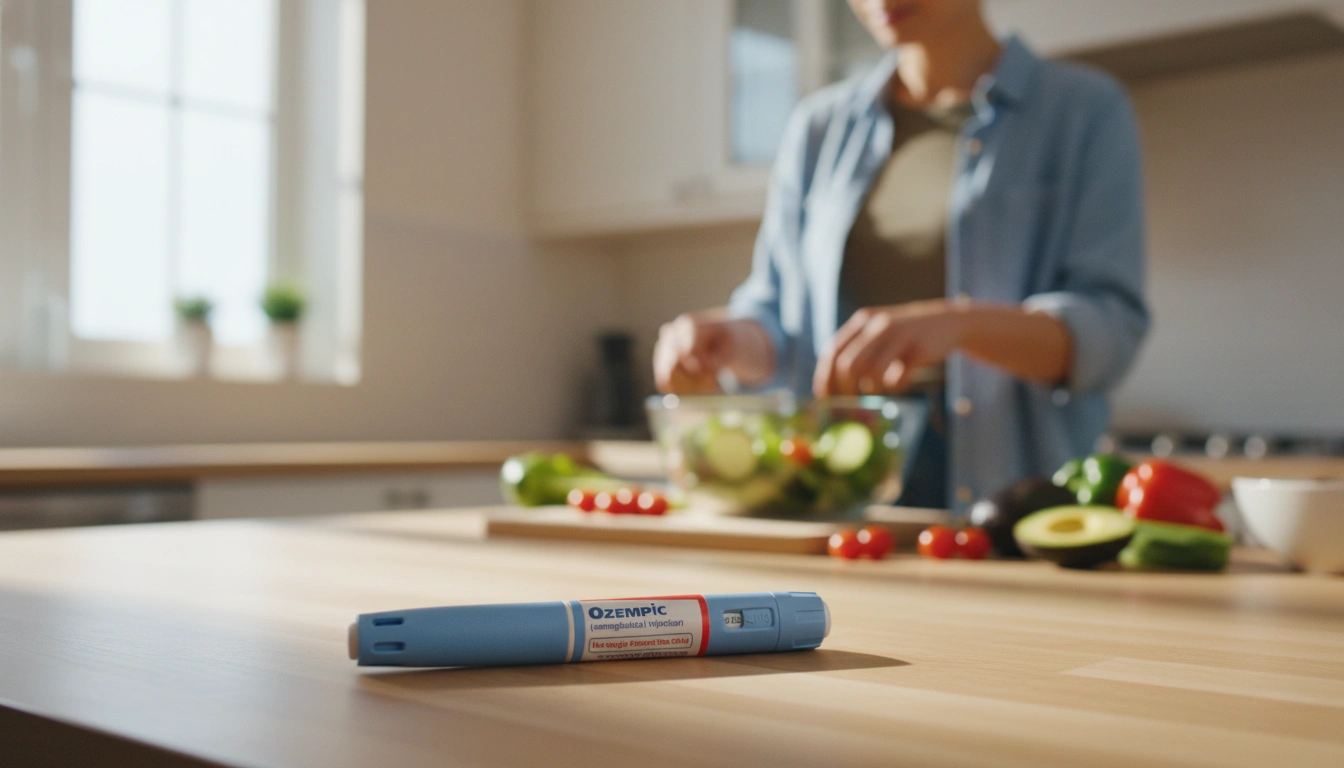
Often yes, at least a pause, and the decision belongs to your care team, not to you alone. Because Ozempic and semaglutide slow how fast your stomach empties, anesthesiologists increasingly ask patients to hold GLP-1 medications before a procedure to lower the chance that food remains in the stomach and is aspirated under anesthesia. The right timing depends on your surgery, your dose, and the professionals managing your case. Never stop, delay, or change your medication on your own without talking to your surgeon, anesthesiologist, and prescriber first.
Why this question comes up at all
The concern isn’t the medication interacting with anesthesia drugs. It’s what’s sitting in your stomach when you go under. General anesthesia and deep sedation relax the reflexes that normally keep stomach contents out of your airway. If the stomach still holds food or liquid, there’s a risk of pulmonary aspiration, meaning contents can enter the lungs. That’s an uncommon but serious complication, which is why fasting before surgery has always been standard.
Semaglutide changes the math because slowing gastric emptying is part of how it works. Food can linger longer than the usual fasting window assumes. Our explainer on how GLP-1 medications slow digestion covers the mechanism, and it’s exactly that mechanism that anesthesia teams are accounting for.
What the research shows
A retrospective study in the Journal of Clinical Anesthesia examined patients undergoing upper endoscopy after standard fasting and found that those using semaglutide had roughly five times the likelihood of having retained stomach contents compared with patients not on the medication. It was a smaller study and not the final word, but it helped push professional bodies to take the timing question seriously and to build guidance around it.
What current guidance generally says
Professional anesthesia guidance has shifted over the past couple of years, and it continues to evolve. Early recommendations leaned toward holding GLP-1 medications ahead of surgery, with a longer window for weekly injectables like semaglutide than for daily ones, simply because weekly drugs stay active longer. More recent guidance has moved toward individualized assessment, where your team weighs your dose, how recently you injected, whether you’re having ongoing nausea or fullness, and the type of procedure. In some settings, clinicians use point-of-care ultrasound to check whether the stomach is empty before proceeding.
The practical takeaway is that there isn’t one universal number that applies to everyone. What matters is that your surgical and prescribing teams know you’re on semaglutide and make the call together.
How dosing timing factors in
Semaglutide has a long half-life, around a week, which is why it’s injected only once weekly. That also means it clears slowly, and traces remain active for weeks after your last dose. Our guide on how long semaglutide stays in your system explains that timeline in detail. This is the reason a hold for a weekly medication is a different conversation than skipping a daily pill the morning of surgery.
Consider a scenario: a patient on weekly semaglutide has an elective procedure scheduled. Their anesthesiologist may ask about the date of the last injection, any recent nausea, and whether the procedure can be timed later in the weekly cycle. Those questions aren’t red tape. They’re how the team gauges risk.
Telling your care team (the part that matters most)
The single most useful thing you can do is disclose the medication early and clearly. When you schedule surgery, tell the surgeon and the pre-op nurse that you take semaglutide or Ozempic, name the dose, and give the date of your most recent injection. Ask directly: do you want me to hold it, and if so, when should my last dose be? Mention any ongoing digestive symptoms honestly, because feeling full or nauseated near your procedure date is relevant information.
If you have a weight-loss procedure itself on the horizon, that’s a separate situation with its own considerations, which we cover in taking Ozempic after weight-loss surgery.
Restarting after your procedure
When and how you resume depends on the surgery and your recovery, and again it’s a team decision. After a pause, some people are advised to restart at their previous dose, while others may need to step back down if enough time has passed, since tolerance to the appetite and stomach effects can fade during a break. Our guide on taking a break from Ozempic and restarting walks through what to expect when you pick treatment back up, including why easing in can reduce nausea.
The bottom line
If you’re on Ozempic or semaglutide and surgery is coming, plan on a conversation, and quite possibly a hold, but let your professionals set the specifics. The goal is simple: an empty stomach when you go under, and a safe return to treatment afterward. If you’re exploring GLP-1 treatment and want a provider who takes your full medical picture into account, you can check your eligibility with a short assessment.
This information is for educational purposes and is not medical advice. Always consult your surgeon, anesthesiologist, and prescribing provider before stopping, pausing, or restarting any medication around a procedure. If you experience severe symptoms before or after surgery, seek immediate medical attention. Individual circumstances vary.

Transforming Lives, One Step at a Time
Keep reading

Why Does My Tongue Feel Coated on Ozempic?
Usually because there is less saliva washing your tongue clean, and less food passing over it to do the same job mechanically. Your tongue…

Starting a New Job With No Insurance While on Ozempic
The problem is usually a waiting period rather than a permanent loss, and waiting periods are plannable in a way that job loss is…

Does Collagen Help With Loose Skin on Ozempic?
Probably not for the thing you are hoping it will fix, and it is unlikely to do harm. Collagen supplements have been studied mainly…


