Do You Pinch Skin for Wegovy Injection?
Introduction
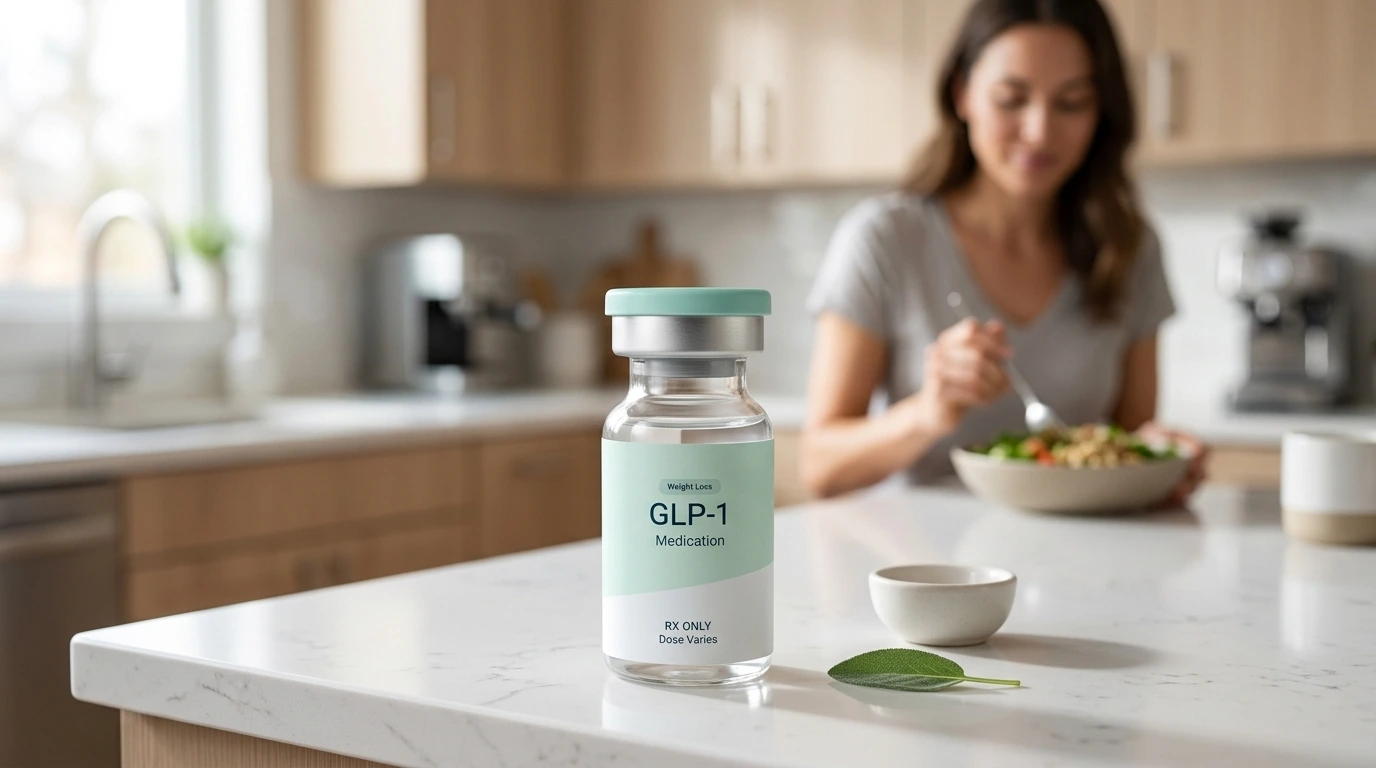
Standing in your kitchen with a medication pen in hand can feel like a significant, and sometimes slightly nerve-wracking, milestone in your health journey. Whether you are just beginning or have been on this path for a while, the mechanics of how you deliver your medication matter for both comfort and effectiveness. A common question for many is whether you need to pinch your skin when using a Wegovy® (semaglutide) autoinjector. At TrimRx, we believe that understanding the “how” behind your treatment is just as important as the medication itself. This post will clarify the proper injection technique for Wegovy, explain the science of subcutaneous delivery, and offer practical tips to ensure your experience is as smooth as possible. By following the right steps, you can feel confident that you are getting the most out of your personalized weight management program.
If you are exploring whether a prescription GLP-1 program may be appropriate for you, you can complete a free eligibility assessment.
Understanding the Wegovy Autoinjector
The Wegovy® pen is a single-dose autoinjector designed for ease of use. Unlike traditional syringes that require you to draw up medication from a vial, this pen comes pre-filled and ready to go. The needle is hidden within the device, which often helps reduce the anxiety associated with seeing a needle.
Because the device is designed to be pressed directly against the skin to trigger the release of the medication, the mechanics are different from what you might expect if you have used other types of injectable medications. The device is engineered to deliver the dose into the subcutaneous layer—the layer of fat just beneath the skin—without requiring complex manual maneuvers.
For a closer look at how these devices differ from vial-and-syringe injections, review this guide to safe semaglutide injection methods.
To Pinch or Not to Pinch?
The short answer to whether you should pinch your skin for a Wegovy® injection is generally no. According to the manufacturer’s instructions, the pen is designed to be pressed firmly against the skin until the yellow bar in the pen window stops moving.
Quick Answer: For most people, pinching the skin is not necessary and is not recommended by the manufacturer when using the Wegovy® autoinjector. The pen should be pressed firmly against a clean, flat area of skin on the stomach, thigh, or upper arm.
Pinching the skin is a technique often used with manual syringes to ensure the needle reaches the fatty tissue and avoids the muscle. However, the Wegovy pen needle is very short and specifically sized to reach the subcutaneous layer when the pen is pressed against a flat surface. In fact, pinching the skin might actually make it harder to maintain the firm, steady pressure required to activate the autoinjector.
For more detail about the flat-skin technique, read whether you should pinch your skin when injecting Wegovy.
Exceptions to the Rule
While the standard guidance is to avoid pinching, there may be specific circumstances where a healthcare provider suggests a different approach. For example, if an individual has very little subcutaneous fat at the injection site, a provider might offer modified instructions. However, you should always follow the specific guidance provided by your prescribing clinician or the instructions included with your specific medication.
What is a Subcutaneous Injection?
To understand why the “pinch” is often unnecessary, it helps to understand what a subcutaneous injection is. Subcutaneous means “under the skin.” This type of injection delivers medication into the fatty tissue located between the skin and the muscle.
GLP-1 (glucagon-like peptide-1) medications like semaglutide and tirzepatide are designed to be absorbed slowly through this fatty layer. This slow absorption allows the medication to maintain a steady level in your bloodstream over the course of a week.
For a broader explanation of the target tissue and injection depth, see this overview of what happens if semaglutide reaches muscle tissue.
The three layers of your exterior include:
- Epidermis: The outermost, visible layer of skin.
- Dermis: The thick layer of living tissue below the epidermis.
- Subcutaneous Layer: The layer of fat and connective tissue that contains larger blood vessels and nerves. This is the target for your medication.
- Muscle: The layer beneath the fat. Subcutaneous needles are too short to reach this layer if used correctly.
Step-by-Step Injection Guide
Performing your injection correctly ensures you receive the full dose and minimizes discomfort. If you are using a personalized program through a platform like TrimRx, you likely have access to resources that walk you through this, but here is a general step-by-step process.
Step 1: Prepare your supplies.
Wash your hands thoroughly with soap and water. Take your pen out of the refrigerator. While you can inject it cold, many people find it more comfortable to let it sit at room temperature for about 30 to 60 minutes before use.
Step 2: Check the medication.
Look through the pen window. The liquid should be clear and colorless. If it is cloudy, contains particles, or looks different than usual, do not use it. Check the expiration date on the side of the pen as well.
Step 3: Choose and clean your site.
Select an injection site—the front of your thighs, your abdomen (at least two inches away from your belly button), or your upper arms. Wipe the area with an alcohol swab and let it air dry completely.
This semaglutide injection site guide offers additional guidance on selecting and rotating sites.
Step 4: Position and press.
Pull the pen cap straight off. Place the pen against your skin at a 90-degree angle. You do not need to pinch the skin. Press the pen down firmly against the skin and hold it there. You will hear a “click” indicating the injection has started.
Step 5: Hold and watch.
Continue holding the pen firmly against your skin. You will see a yellow bar moving in the window. A second click may occur. Keep holding until the yellow bar has stopped moving. This usually takes about 5 to 10 seconds.
Step 6: Dispose of the pen.
Once the yellow bar is stationary, lift the pen straight up. You may see a small drop of blood or a tiny bit of liquid at the site; this is normal. Dispose of the used pen in an FDA-cleared sharps container.
Choosing the Best Injection Site
You have several options for where to deliver your dose. Rotating these sites is one of the best ways to keep the skin healthy and reduce the risk of irritation.
- Abdomen: This is often the most popular site because it has a consistent layer of subcutaneous fat. Avoid the area immediately around the navel.
- Thighs: The front and outer aspects of the thighs are excellent choices, especially for those who find the abdomen more sensitive.
- Upper Arms: The back of the upper arm can be used, though this often requires a second person to help ensure the pen is pressed at the correct angle.
For a visual breakdown of the main options, explore this complete guide to GLP-1 injection sites.
Key Takeaway: Rotate your injection site every week. If you injected into your right thigh last week, try the left thigh or the abdomen this week. This prevents the formation of hard lumps or thickened skin (lipohypertrophy) that can interfere with medication absorption.
Comparing Branded and Compounded Injection Techniques
While Wegovy® is delivered via an autoinjector, some patients may be prescribed compounded semaglutide or compounded tirzepatide through a telehealth platform. It is important to note that compounded medications are prepared by licensed, FDA-registered compounding pharmacies to meet specific needs, but the medications themselves are not FDA-approved.
If you are using a compounded medication, you will often use a traditional syringe and vial rather than an autoinjector pen.
When to Pinch with a Syringe
If you are using a manual syringe for compounded semaglutide, your technique will differ:
- Gently pinch: Use your thumb and forefinger to create a “tent” of fatty tissue.
- Insert the needle: Insert the needle at a 45-to-90-degree angle into the pinched skin.
- Inject: Depress the plunger to deliver the medication.
- Release: Release the skin after the needle is withdrawn.
Because manual syringes often use slightly longer needles than autoinjectors, the pinch technique is more common here to ensure the medication stays in the fat layer and doesn’t reach the muscle. Always follow the specific instructions provided by the pharmacy and your healthcare provider when using syringes.
If you want to understand the practical differences between delivery methods, review this comparison of semaglutide injection techniques.
Tips for a Painless Experience
For many, the fear of the needle is worse than the needle itself. Most GLP-1 needles are extremely thin—roughly the width of two human hairs—and are barely felt by most patients. However, if you are concerned about pain, consider these tips:
- Temperature Matters: Injecting cold medication can sometimes cause a stinging sensation. Letting the pen reach room temperature for half an hour can make a significant difference.
- Let Alcohol Dry: If you inject while the alcohol from the prep pad is still wet, it can cause a sharp sting as the needle enters the skin. Wait 30 seconds for it to evaporate.
- Vary Your Spots: Don’t just rotate between the thigh and stomach; move the spot within those areas. Think of your abdomen as a clock and move the injection site an “hour” each week.
- Numb the Area: If you are particularly sensitive, you can hold an ice cube against the skin for a minute before cleaning with alcohol to dull the sensation.
- Relax the Muscle: If you are injecting into your thigh, make sure your leg is relaxed and not tensed. Tense muscles can make the injection feel more uncomfortable.
For more information about needle comfort and equipment, read this guide to semaglutide needle size.
Managing Common Injection Site Reactions
It is normal to experience some minor reactions at the site of the injection. These are usually temporary and do not mean the medication isn’t working.
- Redness or Itching: A small red spot or mild itchiness is common. This usually fades within a day or two.
- Bruising: If the needle hits a tiny blood vessel near the surface, you might see a small bruise. This is harmless.
- A “Knot” or Lump: If you feel a small firm spot under the skin, it may be because the medication was deposited a bit more shallowly. This will dissipate as the medication is absorbed.
If you notice signs of an allergic reaction—such as a spreading rash, severe swelling, or difficulty breathing—seek medical attention immediately.
Supporting Your Body During Treatment
The injection is only one part of the journey. To maximize the benefits of your GLP-1 medication, focus on overall metabolic health. This includes staying hydrated, as many patients report increased thirst or a need for better electrolyte balance while on these medications.
We often suggest looking into supplemental support to help manage the transition your body is undergoing. Products like GLP-1 Daily Support are designed to help fill nutritional gaps and support digestive comfort, which can be particularly helpful if you experience mild side effects like nausea or changes in appetite. Additionally, a Weight Loss Boost supplement can complement the metabolic changes initiated by your prescription program.
Bottom line: While the Wegovy® pen is designed for simplicity without pinching, your overall success depends on a holistic approach that includes proper technique, site rotation, and supporting your body’s changing nutritional needs.
Why Personalization Matters
No two bodies respond to medication in exactly the same way. This is why a “one size fits all” approach to weight loss often fails. The strength of a platform like TrimRx lies in the ability to tailor the program to your specific health profile.
When you work with a dedicated team of specialists, you aren’t just getting a prescription; you are getting a partner. Whether you have questions about whether to pinch the skin, how to manage a specific side effect, or how to adjust your dosage, having 24/7 access to support ensures you never feel alone in the process. Personalized programs take into account your BMI, medical history, and personal goals to find the right medication and dosage for you—whether that is a branded option like Wegovy® or Ozempic®, or a compounded alternative.
If you are ready to discuss whether a personalized prescription program may suit your needs, take the free assessment quiz.
Conclusion
Mastering the injection process is an essential skill for anyone using GLP-1 medications for weight management. For the Wegovy® autoinjector, the design is specifically optimized for a flat-skin application, meaning you typically do not need to pinch. By focusing on firm pressure, steady timing, and consistent site rotation, you can make your weekly dose a quick and painless part of your routine.
Our mission at TrimRx is to help you navigate these clinical details with empathy and scientific clarity. We are here to simplify the complex world of metabolic health, providing a telehealth-first experience that removes the barriers of waiting rooms and hidden fees. Sustainable weight loss is about more than just a number on a scale; it is about reclaiming your health with confidence and professional support every step of the way.
If you are ready to take the next step in your journey, the best place to start is with our free assessment quiz. This helps our partner providers understand your unique needs and determine the most appropriate treatment path for you.
FAQ
Does it hurt if I accidentally pinch the skin while using the Wegovy pen?
It usually does not hurt more, but pinching can make it difficult to keep the pen steady and at the correct angle. If you pinch too hard, you might also prevent the needle from reaching the intended depth in the subcutaneous fat. If you have already injected while pinching and received the full dose (the yellow bar moved and stopped), the medication should still be effective. For additional technique guidance, review this Wegovy injection pinch guide.
What should I do if a drop of liquid is left on my skin after the injection?
A small drop of liquid on the skin or the tip of the needle is perfectly normal and does not mean you missed your dose. The autoinjector is designed to deliver the precise amount required, and a tiny bit of residual fluid will not impact the effectiveness of the treatment. Simply wipe it away and do not attempt to inject more medication.
Can I inject Wegovy through my clothes?
No, you should always inject directly into clean, bare skin. Injecting through clothing can introduce bacteria into the injection site or interfere with the pen’s ability to trigger correctly. Always clean the area with an alcohol swab and wait for it to dry before placing the pen against your skin.
Why does the Wegovy pen have two clicks?
The first click usually signals that the injection has started and the needle has been inserted. The second click (which may not always be audible depending on the environment) typically indicates the injection is nearing completion. However, the most reliable way to know the dose is finished is to watch the yellow bar in the window; once it stops moving, the injection is complete.
Disclaimer: This content is for informational purposes only and does not constitute medical advice. It is not intended to diagnose, treat, cure, or prevent any disease or condition. Individual results may vary. Always consult a qualified healthcare professional before starting any weight loss program or medication.

Transforming Lives, One Step at a Time
Keep reading
Can the Wegovy Pill Hold the Weight You Lost on Semaglutide Injections?
Most likely yes, once you reach the maintenance dose. The risk is not the destination but the trip: switching means restarting titration on the…

Wegovy Alternatives: What Else Works for Weight Loss
If Wegovy isn’t working out, the strongest alternative is tirzepatide (Zepbound), which tends to produce more weight loss, followed by other GLP-1 options and…

VK2735 vs Wegovy: Investigational Contender vs Proven Semaglutide
VK2735 and Wegovy sit at different stages of development. VK2735, an investigational drug from Viking Therapeutics, comes in both injectable and oral forms and…


