Does Changing Injection Sites Affect Semaglutide?
Introduction
Taking the first step toward a healthier weight often begins with a single, nerve-wracking moment: the first injection. For many people starting their journey with semaglutide, a common question quickly follows the initial hurdle of the needle. Does it matter where the medication goes? You might wonder if moving from the stomach to the thigh will make the medication less effective or if it might finally help quiet the nausea that sometimes follows your weekly dose.
At TrimRx, we believe that understanding the “why” behind your treatment is just as important as the medication itself. This article explores how injection site selection influences your experience, the clinical reality of absorption rates, and how simple rotations can protect your skin and improve your comfort. For a deeper look at how rotating injection sites works for semaglutide and tirzepatide, this guide is a helpful place to start.
How Semaglutide Is Absorbed by the Body
To understand if changing sites matters, we first need to look at how the body processes the medication. Semaglutide is a GLP-1 (glucagon-like peptide-1) receptor agonist. This means it mimics a natural hormone in your body that signals the brain to feel full and tells the stomach to empty more slowly.
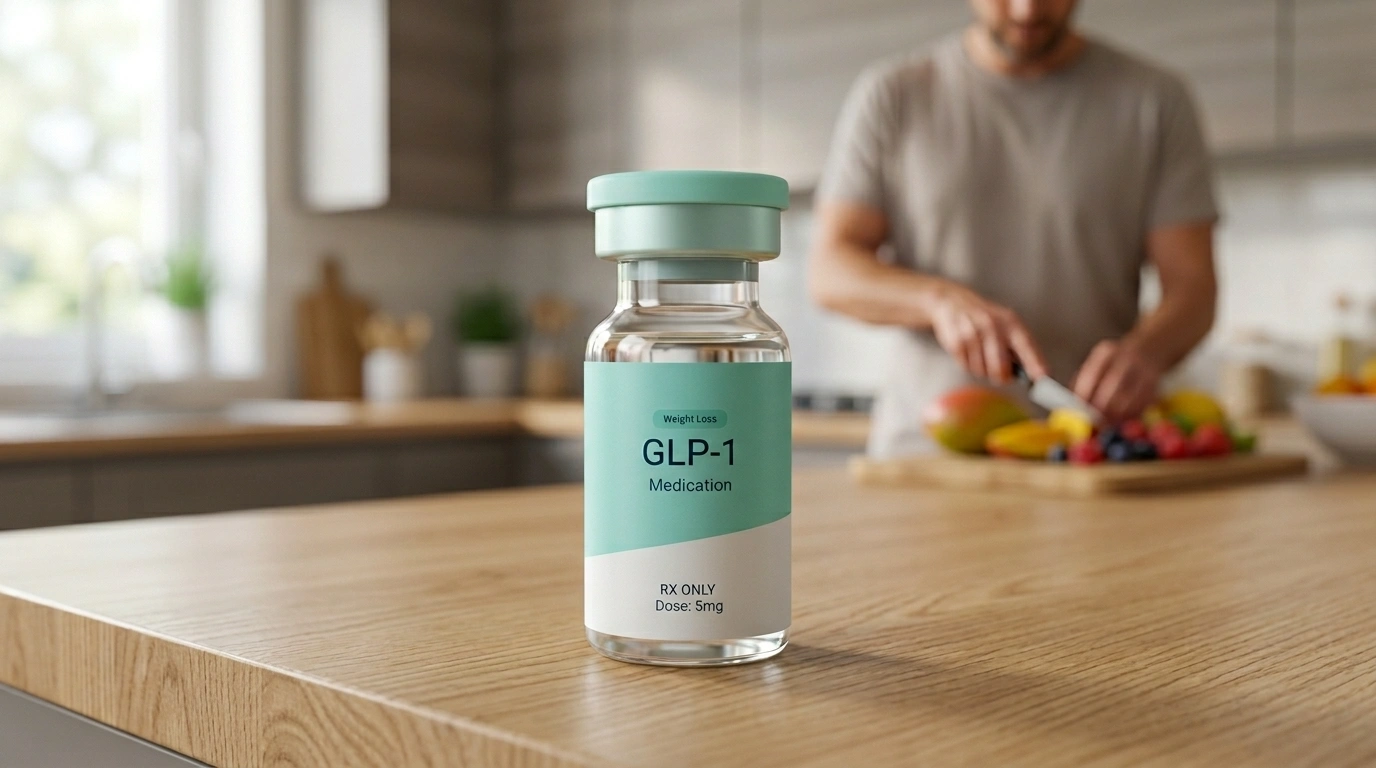
Semaglutide is designed as a subcutaneous injection. This means the needle reaches the fatty layer just beneath the skin but stays above the muscle. If you want a broader overview of the approved locations and technique, our GLP-1 injection sites guide explains the basics in more detail.
The fat layer acts as a sort of “storage tank.” Because fat has fewer blood vessels than muscle, the medication is released into your bloodstream very slowly. This slow release is what allows the medication to work for an entire week.
Key Takeaway: Semaglutide relies on the fatty tissue under your skin for a slow, steady release into your system, which is why proper injection technique is essential for consistent results.
Does the Injection Site Affect Weight Loss?
The short answer is that the clinical effectiveness of the medication—how well it helps you lose weight—does not significantly change based on where you inject it. Whether you choose the abdomen, the thigh, or the back of the upper arm, the medication will eventually reach your systemic circulation and perform its job.
Clinical trials for branded medications like Ozempic® and Wegovy® have shown that the body absorbs semaglutide similarly across the three primary recommended sites. While there may be very slight differences in the speed of absorption (the “peak” concentration), these differences are usually not enough to change your weight loss outcomes over time.
However, “effectiveness” is not just about the number on the scale. If an injection site causes significant discomfort or skin issues, it may become harder to stay consistent with your program. Consistency is the most important factor in long-term success.
Managing Side Effects Through Site Rotation
While weight loss results stay steady, many patients report that changing the injection site can help manage gastrointestinal side effects. Nausea, vomiting, and diarrhea are the most common complaints for those starting a GLP-1 regimen.
If nausea is the main issue you are trying to manage, our semaglutide nausea management guide covers practical ways to feel better while staying on track.
Many people naturally choose the abdomen for their first injection because it is easy to reach and has plenty of subcutaneous fat. However, some evidence suggests that injecting into the abdomen may lead to a slightly faster initial absorption of the drug. For some, this “spike” can trigger more intense nausea.
The “Stomach vs. Thigh” Experience
A frequent observation among the weight loss community is that switching to the thigh can reduce nausea. By injecting into the thigh, the medication may enter the system a bit more gradually than it does through the abdominal wall. This slight delay can sometimes make the transition into the week smoother for those with sensitive stomachs.
Quick Answer: Changing injection sites does not significantly impact how much weight you lose, but moving from the abdomen to the thigh may help reduce common side effects like nausea for some individuals.
Protecting Your Skin and Tissue
One of the most important reasons to change your injection site is to protect the health of your skin and the fatty tissue underneath. If you inject into the exact same spot week after week, you risk developing a condition called lipohypertrophy.
If you want a practical breakdown of why repeated use of the same spot can become a problem, the article on how to rotate injection sites for semaglutide and tirzepatide goes deeper into the rotation pattern.
Lipohypertrophy is a localized accumulation of fat or scar tissue that forms in response to repeated trauma and the presence of the medication. It often feels like a firm lump or a rubbery patch under the skin. Not only can these lumps be uncomfortable or unsightly, but they can also interfere with how the medication is absorbed. Scarred tissue does not have the same blood flow as healthy fat, which means your dose might not work as intended if it is trapped in a lump of tissue.
The Importance of Rotation
Rotation means two things: changing the general area (e.g., stomach to thigh) and changing the specific spot within that area (e.g., moving two inches to the right). You should never use the exact same square inch of skin two weeks in a row.
Note: If you notice redness, warmth, or a hard lump that does not go away at your injection site, consult a healthcare provider to ensure there is no infection or significant tissue damage.
Recommended Injection Sites for Semaglutide
There are three primary areas approved for subcutaneous injections of GLP-1 medications. Each has its own pros and cons depending on your body type and comfort level.
The Abdomen
The stomach is the most common site. It typically has the most accessible fat and is easy to see while you are self-administering the dose.
- Where to inject: Choose a spot at least two inches away from your belly button.
- Best for: People who want an easy, visible site and do not experience significant nausea.
The Thigh
The front or outer side of the thigh is another excellent option. This area is often less sensitive than the abdomen.
- Where to inject: The “meatier” part of the upper, outer thigh. Avoid the inner thigh where the skin is thinner and there are more nerves.
- Best for: Individuals trying to minimize gastrointestinal side effects.
The Upper Arm
The back of the upper arm (the triceps area) can be used if there is enough fatty tissue.
- Where to inject: The fleshy part of the back of the arm.
- Best for: People who have a partner to help them, as it can be difficult to reach and stabilize the arm on your own.
The Best Way to Rotate Your Sites
Creating a system for rotation ensures you don’t have to remember exactly where you poked yourself seven days ago. We recommend a “structured rotation” approach.
The Clock Method
Imagine a clock face drawn on your stomach.
- Week 1: Inject at the 12 o’clock position (above the belly button).
- Week 2: Inject at the 3 o’clock position (to the right).
- Week 3: Inject at the 6 o’clock position (below).
- Week 4: Inject at the 9 o’clock position (to the left).
The Side-to-Side Switch
This is a simple way to give each side of your body a full two weeks of rest.
- Week 1: Right Thigh.
- Week 2: Left Thigh.
- Week 3: Right Abdomen.
- Week 4: Left Abdomen.
Myth: You must inject semaglutide in the same place every week for it to work. Fact: Rotating sites is actually recommended by medical professionals to prevent skin damage and maintain consistent absorption.
What to Avoid During Injection
To ensure the medication works effectively regardless of the site, you must follow proper technique. Small mistakes can lead to bruising or poor absorption.
- Do not inject into muscle: If you feel a sharp, deep pain, you may have gone too deep. Ensure you are pinching the skin slightly if you have lower body fat levels.
- Avoid damaged skin: Never inject into areas with bruises, scars, stretch marks, or redness.
- Do not rub the site: After injecting, you might feel the urge to rub the spot. Resist this. Rubbing can cause the medication to disperse too quickly or cause irritation.
- Stay away from the belly button: The tissue around the umbilicus is tough and does not absorb medication as well as the surrounding fat.
How TrimRx Supports Your Journey
Navigating the nuances of GLP-1 therapy can feel overwhelming, especially when you are managing a weekly routine on your own. At TrimRx, we bridge the gap between clinical expertise and your daily life. We provide a platform where you can access personalized treatment programs and medical guidance without the need for a traditional waiting room.
If you are ready to take the next step and see whether a prescription program is right for you, you can take the free assessment quiz to get started.
Our approach is built on the understanding that weight loss is not a one-size-fits-all experience. When you participate in our program, you are connected with licensed providers who evaluate your health profile to determine if treatments like compounded semaglutide or tirzepatide are appropriate for you. We also offer resources to help you manage the very side effects that often lead people to question their injection sites.
Troubleshooting Injection Site Pain
It is normal to feel a tiny pinch or a slight stinging sensation during or immediately after your injection. However, if you find the process increasingly painful, consider these tips:
- Room Temperature: If your medication is kept in the refrigerator, let the syringe sit out for 15 to 30 minutes before injecting. Cold liquid can sting more than room-temperature liquid.
- Dry the Skin: If you use an alcohol swab to clean the site, wait for the alcohol to dry completely. If the needle carries wet alcohol into the skin, it will cause a sharp sting.
- Check Your Angle: Ensure you are going straight into the skin at a 90-degree angle. Going in at a slant can pull on the skin and increase discomfort.
Nutritional Support for Better Tolerance
If you are changing your injection site because of nausea, you might also benefit from targeted nutritional support. While site rotation helps with the “peak” of the medication, what you eat influences your baseline comfort.
Focusing on small, frequent meals rather than three large ones can keep your blood sugar stable and prevent the feeling of “overfullness” that leads to nausea. We also recommend our GLP-1 Daily Support supplement, which is designed to help your body maintain balance while on a weight loss program. Keeping your hydration levels high is also critical, as dehydration can mimic or worsen the side effects of semaglutide.
Bottom line: While you can choose any of the three major sites, rotating them weekly is the best way to prevent skin issues and potentially reduce side effects without sacrificing your weight loss progress.
Conclusion
Changing your injection site is more than just a matter of preference; it is a clinical best practice. While your weight loss results will likely remain consistent whether you choose your stomach or your thigh, your comfort and skin health depend on regular rotation. By moving the site every week, you avoid the buildup of scar tissue and give your body the best chance to absorb the medication smoothly.
At TrimRx, our mission is to empower you with the tools and knowledge needed for sustainable, science-backed weight loss. We are here to provide an empathetic, transparent, and clinically supervised environment for your transformation. Whether you are just starting or looking to optimize your current routine, we are committed to your success every step of the way.
Next Step: Ready to see if a personalized weight loss program is right for you? Take our free assessment quiz today to explore your options and start your journey toward a healthier you.
FAQ
Does semaglutide work faster if injected in the stomach?
The abdomen typically has high blood flow and ample subcutaneous fat, which may lead to a slightly more efficient initial absorption compared to the thigh. However, this does not mean it leads to more total weight loss over time. Most patients find that the difference in speed is minimal and does not change the overall success of the treatment. For more background on common side effects and what influences them, see our semaglutide side effects guide.
Can I inject semaglutide in my arm?
Yes, the back of the upper arm is one of the three medically recommended sites for GLP-1 injections. Because it can be difficult to reach the fatty tissue on the back of your own arm, many people find they need a partner or friend to assist them with this site. It is important to ensure the needle enters the fat and not the muscle.
Why do people say the thigh is better for nausea?
Some clinical observations and patient reports suggest that injecting into the thigh results in a slightly slower “peak” concentration of the medication in the bloodstream. For individuals who are highly sensitive to semaglutide, this slower onset may help the body adjust to the weekly dose without triggering the intense nausea sometimes felt with abdominal injections. If nausea has been the biggest obstacle, our relieving semaglutide nausea guide offers a deeper look at practical ways to cope.
How far apart should my injection sites be?
When rotating within the same area, such as the stomach, you should try to keep each new injection at least one to two inches away from the previous week’s spot. This gives the local tissue enough time to fully recover and prevents the formation of hard lumps or scar tissue known as lipohypertrophy.
Disclaimer: This content is for informational purposes only and does not constitute medical advice. It is not intended to diagnose, treat, cure, or prevent any disease or condition. Individual results may vary. Always consult a qualified healthcare professional before starting any weight loss program or medication.

Transforming Lives, One Step at a Time
Keep reading

Taste Changes on Semaglutide: Why Food Tastes Different
Yes, semaglutide can change how food tastes. Some people notice a metallic or off taste, foods they used to love losing their appeal, or…
Bruising and Injection Site Reactions on Semaglutide
Bruising and mild injection site reactions, meaning redness, a small lump, itching, or tenderness, are common with subcutaneous semaglutide and are usually harmless. Bruising…
Dry Mouth on Semaglutide: Why It Happens and How to Manage It
Dry mouth is a common and usually mild side effect of semaglutide. It happens mainly because the medication reduces appetite and thirst signals and…


