Do Chia Seeds Actually Help With Weight Loss? Our Team’s Take
What's the Big Deal with Chia Seeds Anyway?
It seems like every few months, a new 'superfood' explodes onto the health scene, promising to be the one simple trick you've been missing. We've all seen them. Acai bowls, kale smoothies, celery juice… the list is sprawling. And right near the top of that list for the last several years have been chia seeds. These tiny black and white specks are suddenly everywhere—in puddings, sprinkled on salads, and blended into drinks. But the question that our clients ask us all the time is a simple one: does chia seeds help with weight loss? For real?
As a team dedicated to the science of metabolic health, we're naturally skeptical of anything that sounds too good to be true. Our work is rooted in understanding the complex biological and hormonal systems that govern weight. So when a food trend gains this much traction, we don't just accept the headlines. We dig into the mechanics. And with chia seeds, there's actually something quite interesting going on beneath the surface. They’re not magic, but they aren't just hype, either. They’re a tool. And like any tool, you have to know how to use it correctly for it to be effective.
The Core Mechanisms: How Chia Seeds Could Support Weight Loss
To understand the potential of chia seeds, you have to look past the seed itself and focus on its remarkable properties when introduced to liquid. This is where the story gets compelling. It’s not just about what’s in the seed, but what the seed does.
First and foremost, let's talk about fiber. It's not the sexiest topic, but from a metabolic standpoint, it's a non-negotiable hero. Chia seeds are absolutely packed with soluble fiber. When you drop them in water, yogurt, or even your own digestive fluids, they don't just get wet. They absorb the liquid—up to 12 times their weight—and form a thick, gelatinous substance. This gel is the key.
Think of it this way: that gel takes up physical space in your stomach. It’s a natural volume-adder. This process significantly slows down digestion. It prevents that rapid emptying of your stomach that leaves you feeling hungry again just an hour after eating. By promoting a sustained feeling of fullness, or satiety, you're naturally inclined to consume fewer calories throughout the day. It's a simple, physical mechanism for appetite regulation. No weird chemicals, no stimulants. Just physics.
And another consideration: blood sugar stability. This is a huge one our team focuses on. The rollercoaster of blood sugar spikes and crashes is a major driver of cravings, energy slumps, and fat storage. Because that chia gel slows the conversion of carbohydrates into sugar, it helps blunt the glucose spike you’d normally get from a meal. A more stable blood sugar curve means fewer frantic signals from your brain screaming for a quick energy fix (hello, 3 PM candy bar). It creates a more stable hormonal environment, which is foundational for sustainable weight management.
Finally, there's the nutritional profile itself. For something so tiny, a chia seed is a nutritional powerhouse. It contains a decent amount of plant-based protein, which is crucial for maintaining lean muscle mass during weight loss, and muscle is your metabolic engine. They are also one of the richest plant sources of omega-3 fatty acids (specifically ALA), which play a role in reducing inflammation—a chronic state often linked with obesity and metabolic dysfunction. It's a comprehensive nutritional package.
Let's Be Realistic: What the Science Actually Says
Okay, the theory sounds great. It's plausible, logical, and makes perfect sense. But what happens when you put it to the test in clinical settings? Here's where we need to inject a dose of reality.
Our team has reviewed the body of research, and the results are, honestly, mixed. Some studies have shown a modest benefit. For instance, a study might find that a group consuming chia seeds daily lost a couple more pounds over 12 weeks compared to a placebo group. They often report increased satiety and reduced appetite. These findings are positive, but they're not dramatic. We're talking about small, incremental changes.
On the other hand, several well-conducted studies have found no statistically significant difference in weight loss between groups taking chia seeds and those who weren't. What does this tell us? It tells us that chia seeds are not a magic pill.
We can't stress this enough: you cannot simply sprinkle chia seeds onto an otherwise poor diet and expect the pounds to melt away. That’s not how biology works. If you're still consuming an excess of processed foods, sugary drinks, and unhealthy fats, the fiber from a tablespoon of chia seeds is going to be fighting a formidable, losing battle. The benefits are just too subtle to override a tidal wave of poor choices.
So, here’s our professional take: chia seeds are an excellent supporting actor, but they are not the star of the show. Their value is unlocked when they are integrated into an already healthy, whole-foods-based diet. They enhance the effects of good habits. They can make a healthy diet more filling, more nutritionally dense, and more effective. But they cannot create a healthy diet on their own.
Integrating Chia Seeds Into Your Routine: Our Practical Recommendations
Knowing that chia seeds are a supportive tool, the next step is using them effectively. Just eating them dry by the spoonful is a bad idea (and a potential choking hazard). You need to give them a chance to absorb liquid and work their magic. Here are some of the most effective methods our team recommends:
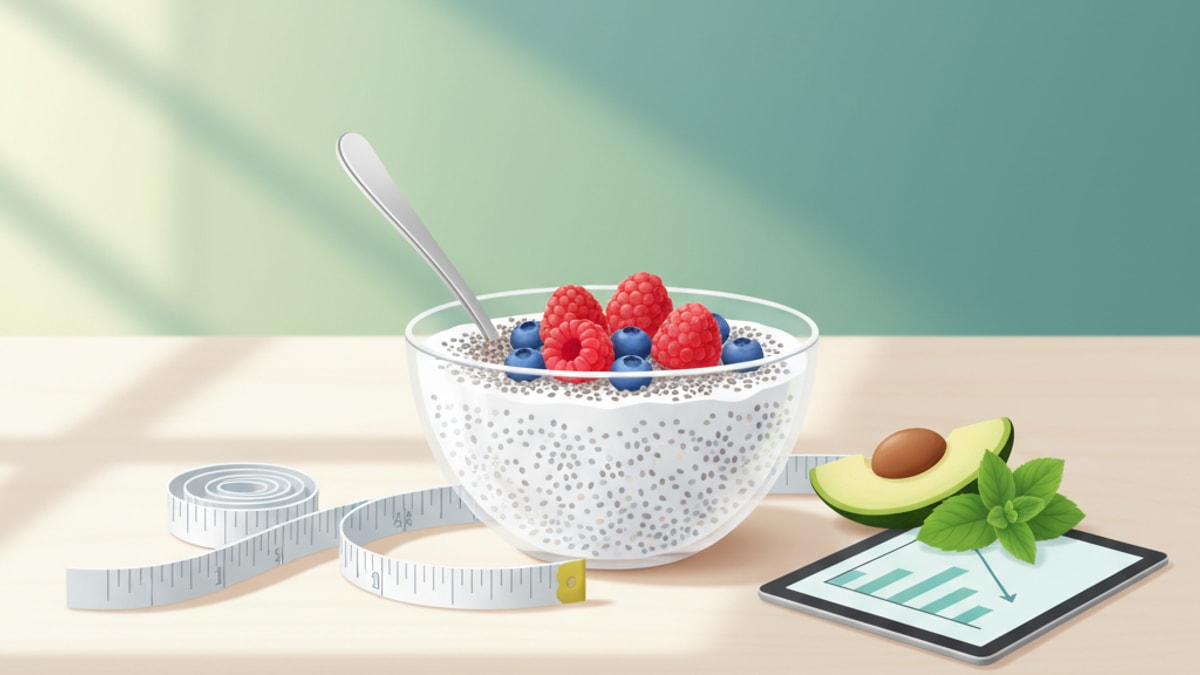
1. Master the Chia Pudding: This is the classic for a reason. It's incredibly simple and versatile. The base recipe is just a ratio of about 1/4 cup of chia seeds to 1 cup of liquid (like unsweetened almond milk, coconut milk, or regular milk). Add a splash of vanilla extract and a touch of natural sweetener like monk fruit or a few drops of stevia if you need it. Whisk it all together, let it sit in the fridge for at least 4 hours or overnight, and you've got a thick, creamy pudding. Top it with berries and nuts for a fantastic, high-fiber breakfast that will keep you full for hours.
2. Boost Your Smoothies: This is perhaps the easiest method. Just add a tablespoon of chia seeds directly into your blender with your other smoothie ingredients. They'll absorb the liquid from the smoothie, adding thickness and a powerful dose of fiber and omega-3s without really changing the flavor.
3. Create a 'Chia Gel': You can pre-hydrate the seeds to have on hand. Mix about 1/3 cup of chia seeds with 2 cups of water and store it in a sealed container in the fridge for up to a week. This gel can then be easily stirred into oatmeal, yogurt, cottage cheese, or even sauces to add thickness and nutrients.
4. Use as an Egg Replacer: For those who are baking, a 'chia egg' is a fantastic plant-based substitute. Just mix one tablespoon of ground chia seeds with three tablespoons of water and let it sit for about 10-15 minutes until it becomes gelatinous. This can replace one egg in recipes for muffins, breads, and pancakes.
A quick word of caution: start slow. If your body isn't used to a high-fiber diet, suddenly adding a lot of chia can lead to some digestive discomfort like bloating or gas. We recommend starting with one tablespoon a day and making sure you're drinking plenty of water to help the fiber do its job properly.
Chia Seeds vs. Other 'Superfoods': A Quick Comparison
It's easy to get lost in the sea of healthy seeds. Chia, flax, hemp—what's the difference, and which one is best? The truth is, they all have unique strengths. It's not about finding the 'best' one, but understanding which one fits your needs.
| Feature | Chia Seeds | Ground Flax Seeds | Hemp Hearts |
|---|---|---|---|
| Key Nutrient | Soluble Fiber (Highest) | Lignans & Omega-3 (ALA) | Protein (Highest) |
| Main Benefit for Weight Management | Incredible satiety and fullness due to gelling action. Helps with hydration and digestion speed. | Excellent for hormonal balance due to lignans. Also high in fiber for fullness. | Higher protein content helps build and preserve muscle, boosting metabolism. |
| Best Use Case | Puddings, thickening smoothies, making hydrating drinks, or as an egg replacer. | Blended into smoothies, stirred into oatmeal. Must be ground to be absorbed. | Sprinkled on salads, yogurt, or blended into anything for a creamy protein boost. |
| Our Team's Take | The undisputed champion for creating fullness and volume. The gelling property is unique and powerful for appetite control. | A fantastic choice for its hormonal benefits in addition to fiber. A great all-rounder. | The go-to for maximizing plant-based protein intake in a small, easy-to-use form. |
As you can see, they each have a role. You don't have to choose just one; in fact, a mix of all three can provide a wonderfully diverse range of nutrients.
The Bigger Picture: Where Chia Seeds Fit in a Modern Weight Loss Strategy
This brings us to the most important point. A truly successful and sustainable weight loss journey is rarely about one single food or habit. It's about building a comprehensive system. It's about stacking effective strategies on top of one another.
For many people, starting with nutrition is the right first step. Cleaning up your diet, focusing on whole foods, and incorporating supportive elements like chia seeds can create a significant, sometimes dramatic shift. It builds a strong foundation for metabolic health. But what happens when that's not enough? What happens when you're doing everything 'right'—eating clean, exercising, managing stress—and the scale simply refuses to budge? This is a reality for millions of people, and it’s not a personal failure. It's biology.
Our bodies are hardwired for survival. When we lose weight, a cascade of hormonal changes occurs to fight back. Your metabolism can slow down, and hunger hormones like ghrelin can surge. It’s an uphill battle against your own physiology. This is where a purely lifestyle-based approach can fall short, and where modern medicine can provide a powerful, science-backed solution.
At TrimrX, our expertise lies in addressing these deep biological drivers of weight gain. We utilize advanced, FDA-registered GLP-1 medications like Semaglutide and Tirzepatide. These aren't just appetite suppressants; they are metabolic therapies. They work on the same hormonal pathways that your body uses to regulate hunger, satiety, and blood sugar. They fundamentally change the conversation between your gut and your brain, helping to quiet the constant 'food noise' and reset your body's natural set point.
Think of it like this: a healthy diet and habits like eating chia seeds are like putting high-quality fuel in your car and keeping the tires properly inflated. A medically-supervised program with GLP-1s is like upgrading the engine. The two work together synergistically. The fiber in chia seeds can help promote digestive health, which is important while on these medications, and their satiety-boosting effects can enhance the powerful appetite regulation you experience from the treatment.
While incorporating foods like chia seeds is a fantastic step, if you feel like you're fighting that impossible battle against your own biology, it might be time to explore a more comprehensive approach. Our medically-supervised programs are designed to address these root causes. You can see if you're a candidate and learn more when you Start Your Treatment.
Common Mistakes We See People Make with Chia Seeds
Before you run out and buy a giant bag, we want to highlight a few common pitfalls we've seen. Avoiding these will help you get the most out of them.
- Forgetting to Hydrate Them: Eating a spoonful of dry chia seeds and chasing it with water isn't ideal. They can absorb water in your esophagus and create a dangerous blockage. Always let them soak and gel up first.
- Ignoring the Water You Drink: Because they absorb so much liquid, you need to ensure you're drinking plenty of water throughout the day. If you don't, they can contribute to constipation by absorbing water from your digestive tract.
- The 'Health Halo' Effect: This is a big one. People add chia seeds to a sugary, 500-calorie smoothie or a bowl of sweetened yogurt and think it's a 'health food.' The chia seeds don't negate the excess sugar and calories. You have to add them to an already healthy base.
- Expecting Overnight Miracles: As we've discussed, the effects are subtle and cumulative. This is part of a long-term strategy, not a quick fix for a weekend of indulgence. Be patient and consistent.
So, do chia seeds help with weight loss? Yes, they can. They are a nutritionally dense, high-fiber tool that can genuinely help with satiety, blood sugar regulation, and overall health. They are a valuable component of a holistic nutritional strategy. But they are just one piece of a much larger, more complex puzzle. For lasting, significant change, especially when you're facing biological resistance, a broader strategy that combines smart nutrition with proven medical science is often the most effective path forward. It's about using every effective tool at your disposal.
Frequently Asked Questions
How much chia seed should I eat per day for weight loss?
▼
Our team generally recommends starting with one to two tablespoons (about 15-30 grams) per day. This provides a significant dose of fiber to promote satiety without overwhelming your digestive system, especially if you’re not used to high-fiber foods.
Can I eat chia seeds every day?
▼
Yes, for most people, eating chia seeds daily is perfectly safe and can be beneficial. Consistency is key to reaping the benefits of increased fiber and stable blood sugar, so incorporating them into your daily routine is a great strategy.
Do I absolutely need to soak chia seeds before eating them?
▼
We strongly recommend it. Soaking allows them to form their beneficial gel, which aids in satiety and digestion. Eating large quantities of dry seeds can be a choking hazard and may lead to digestive discomfort, so it’s always safer to hydrate them.
Will chia seeds make me bloated?
▼
They can, especially if you introduce them too quickly or don’t drink enough water. The high fiber content can cause gas and bloating initially. We advise starting with a smaller amount and gradually increasing it as your body adapts.
What’s better for weight loss, chia seeds or flax seeds?
▼
Neither is definitively ‘better’; they just have different strengths. Chia seeds excel at creating fullness due to their gelling ability, while flax seeds are prized for their lignans which can help with hormone balance. We often suggest using both for a wider range of benefits.
Can chia seeds replace a meal?
▼
While a large chia pudding with protein powder, nuts, and fruit can be a nutritionally balanced meal replacement, chia seeds by themselves are not. They lack the full spectrum of macronutrients and calories needed to constitute a complete meal.
How long does it take to see results from adding chia seeds to my diet?
▼
You may feel the short-term effects, like increased fullness, immediately after a meal. However, any impact on weight loss would be gradual and would only become apparent over several weeks or months as part of a consistent, healthy diet.
Are there any side effects of eating too many chia seeds?
▼
Yes, the most common side effects are digestive issues like bloating, gas, and constipation, particularly if consumed without enough water. They can also lower blood pressure, so those on medication should consult their doctor.
Do chia seeds interact with any medications?
▼
Because they can affect blood sugar and blood pressure, they might interact with medications for diabetes or hypertension. If you are on any such medications, we recommend discussing the addition of chia seeds to your diet with your healthcare provider.
Is chia pudding a healthy breakfast for weight loss?
▼
It absolutely can be, provided you prepare it correctly. A pudding made with unsweetened milk, chia seeds, and topped with berries and nuts is a fantastic high-fiber, high-protein option. Avoid versions loaded with sugar, honey, or maple syrup.
Can I just add chia seeds to my water and drink it?
▼
Yes, this is a popular way to consume them, often called a ‘chia fresca.’ Just be sure to let the seeds soak in the water for at least 15-20 minutes to allow them to gel up before you drink it.
Do chia seeds ‘cleanse’ or ‘detox’ the digestive system?
▼
While we don’t use terms like ‘cleanse’ or ‘detox,’ the high soluble fiber content in chia seeds does support digestive health. It promotes regularity and helps feed beneficial gut bacteria, which is fundamental to a healthy digestive system.

Transforming Lives, One Step at a Time
Keep reading

Do You Need a Prescription for GLP-1s? The 2026 Answer
Wondering ‘do you need a prescription for glp 1’ in 2026? Yes. We explain why a doctor’s oversight is critical for safe, effective results.

How to Get GLP-1 Covered By Insurance: Our 2026 Playbook
Struggling with how to get glp-1 covered by insurance? Our 2026 guide breaks down prior authorizations, appeals, and documentation.

Traveling with GLP-1s in 2026: Your Essential Trip-Proof Plan
Don’t let travel disrupt your GLP-1 treatment. Learn how to travel with glp 1 medications safely and stress-free in our 2026 expert guide.


