Does Compound Semaglutide Expire? Everything You Need to Know
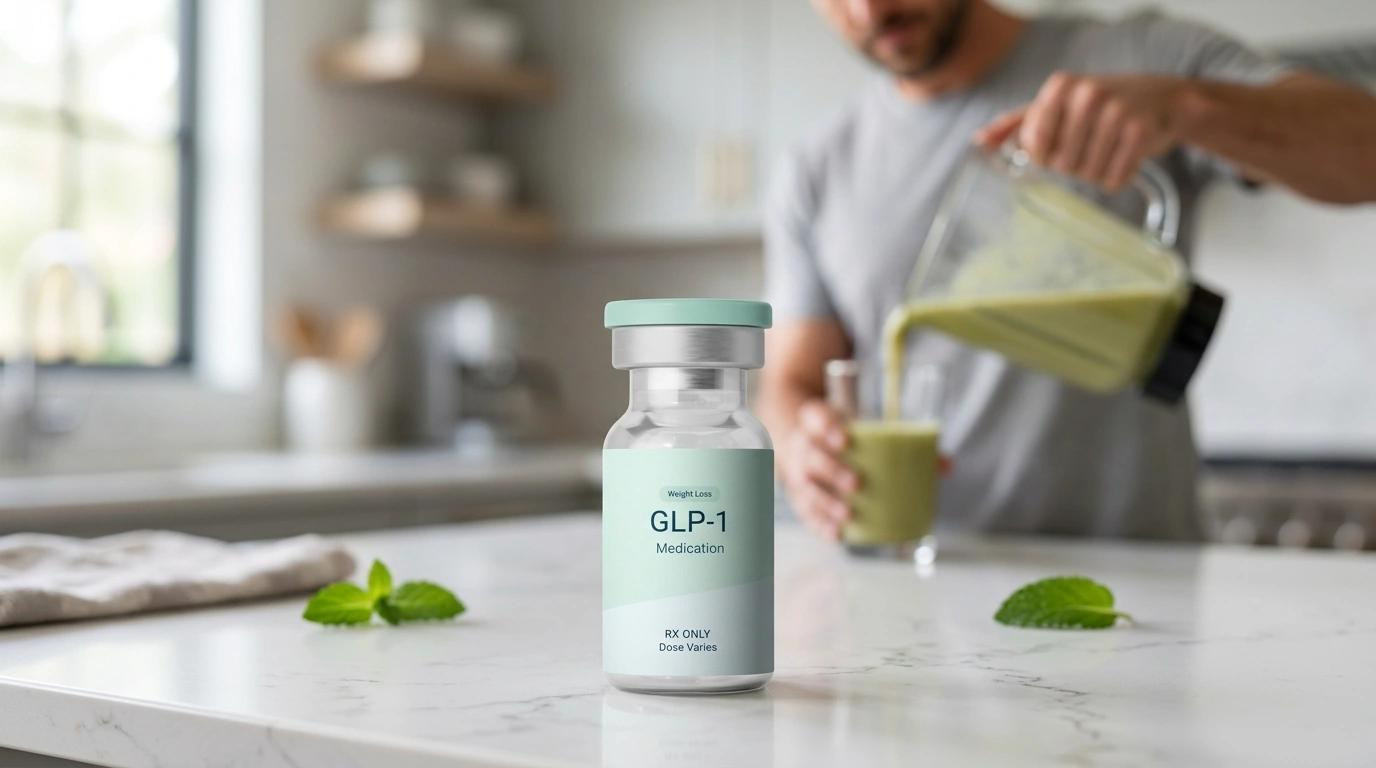
Table of Contents
- Introduction
- The Difference Between Expiration and Beyond-Use Dates
- Why Compounded Semaglutide Has a Shorter Shelf Life
- The Risks of Using Expired Compound Semaglutide
- Visual Signs Your Medication Has Gone Bad
- Storage Best Practices to Protect Potency
- What to Do if You Accidentally Use Expired Medication
- How to Properly Dispose of Outdated Vials
- Starting Fresh with a Personalised Program
- Conclusion
- FAQ
Introduction
Finding an extra vial of medication in the back of the refrigerator can feel like a small victory, especially when you are committed to a consistent health journey. However, if you are using compounded semaglutide—a glucagon-like peptide-1 (GLP-1) receptor agonist—the question of whether that medication is still safe to use is critical. Because these medications are proteins, they are more sensitive to time and temperature than standard pills. At TrimRx, we believe that understanding the shelf life of your treatment is just as important as the treatment itself. This article covers the essential differences between expiration and beyond-use dates, the risks of using outdated medication, and how to store your supply to ensure maximum potency. Knowing when to use or discard your medication ensures your weight loss progress remains safe and effective.
The Difference Between Expiration and Beyond-Use Dates
When you look at a medication label, you might see two different types of dates. It is important to distinguish between an “expiration date” and a “beyond-use date” (BUD), as they serve different purposes in clinical safety.
Expiration dates are typically found on commercially manufactured branded medications like Ozempic®, Wegovy®, or Mounjaro®. These dates are determined by the manufacturer after extensive stability testing. They represent the final date the manufacturer guarantees the full potency and safety of the medication when stored under ideal conditions.
Beyond-use dates (BUD) are used for medications prepared by a compounding pharmacy. Since compounded semaglutide is customized for an individual and may contain different preservatives or concentrations, it does not have a standardized, multi-year expiration date. Instead, the pharmacist assigns a BUD based on the specific formulation, the environment in which it was created, and the stability of the ingredients.
Quick Answer: Yes, compound semaglutide does expire. It typically carries a Beyond-Use Date (BUD) ranging from 30 to 90 days depending on the pharmacy’s formulation. Using it past this date can lead to reduced effectiveness and potential safety risks.
Why Compounded Semaglutide Has a Shorter Shelf Life
Compounded medications are often prepared in smaller batches without the heavy industrial preservatives found in mass-produced branded drugs. Semaglutide is a peptide, which is essentially a short chain of amino acids. These chains are delicate. Over time, the chemical bonds that hold the peptide together can begin to weaken or break.
Several factors influence why the BUD of compounded semaglutide is shorter:
- Sterility Standards: Once a vial is punctured with a needle, the sterile environment inside is compromised. Even with the best hygiene, microscopic contaminants can enter the vial.
- Preservative Effectiveness: Compounded versions often use specific preservatives like phenol or benzyl alcohol to keep the solution safe. These preservatives eventually lose their ability to inhibit bacterial growth.
- Chemical Stability: Peptides are sensitive to “denaturation,” which is a process where the protein loses its shape. A peptide that has lost its shape cannot effectively bind to the GLP-1 receptors in your body.
The Risks of Using Expired Compound Semaglutide
It may be tempting to use a vial that is only a few weeks past its BUD, especially considering the investment in your health. However, using expired injectable medication is not recommended by healthcare professionals for three primary reasons.
1. Reduced Potency and Stalled Progress
The most common issue with expired semaglutide is that it simply stops working as well as it should. Because the peptide structure breaks down, the “signal” it sends to your brain to feel full becomes weaker. For an individual who has been successfully losing weight, using an expired vial might lead to a sudden return of “food noise” or a plateau in weight loss. Since weight management requires consistent hormonal signaling, a weak dose can disrupt your body’s rhythm.
2. Risk of Bacterial Contamination
Injectable medications bypass the body’s primary defense system: the digestive tract. When you inject a medication, it goes directly into the subcutaneous tissue. If a vial is past its BUD, the preservatives may no longer be strong enough to prevent the growth of bacteria or fungi. Injecting contaminated solution can lead to:
- Redness and swelling at the injection site
- Localized infections or abscesses
- Systemic illness in rare, severe cases
3. Potential for Immune Reactions
When proteins like semaglutide break down, they can sometimes clump together in a process called aggregation. Your immune system may not recognize these clumps as the original medication. In some cases, this can trigger an immune response, leading to increased side effects, skin rashes, or the development of antibodies that make future doses of the medication less effective.
Key Takeaway: Expired semaglutide is a “denatured” protein. Using it is unlikely to provide the appetite suppression you need and significantly increases the risk of site infections.
Visual Signs Your Medication Has Gone Bad
You should always perform a visual inspection of your medication before every dose. Even if the vial is well within its beyond-use date, improper storage (like being left on a hot counter) can cause it to spoil early. TrimRx partners with pharmacies that emphasize clear, high-quality formulations, so any change in appearance is a red flag. For a closer look at storage and handling basics, see TrimRx’s guide on semaglutide storage, travel, and handling.
- Cloudiness: Semaglutide should be a clear, colorless liquid. If the solution looks milky, hazy, or cloudy, do not use it.
- Particulates: If you see tiny “floaties,” crystals, or clumps inside the liquid, the proteins have likely aggregated.
- Color Changes: Any tint of yellow, brown, or pink indicates chemical degradation.
- Frozen Solution: If your refrigerator was too cold and the vial froze, it must be discarded. Freezing permanently destroys the delicate peptide structure of semaglutide.
Storage Best Practices to Protect Potency
Proper storage is the best way to ensure your medication remains effective until its beyond-use date. Most compounded GLP-1 medications are “cold-chain” products, meaning they must stay refrigerated. If you want a broader refresher on safe storage timelines, TrimRx also covers how semaglutide lasts and why refrigeration matters.
The Refrigerator Rule
Your compounded semaglutide should be stored in the refrigerator between 36°F and 46°F (2°C to 8°C). Do not store the vial in the refrigerator door. The temperature in the door fluctuates every time you open the fridge, which can stress the medication. Instead, place it on a middle shelf toward the back.
Light and Temperature Sensitivity
Light can accelerate the breakdown of peptides. Most vials come in amber-colored glass or are wrapped in protective labels for this reason. Always keep your medication in its original box or a dark container inside the fridge. If you are traveling, use a dedicated insulated travel case with a small gel ice pack, ensuring the pack does not directly touch the vial to prevent accidental freezing.
Handling with Care
Avoid shaking the vial vigorously. While you may need to gently swirl it to ensure the solution is mixed (if instructed by your provider), aggressive shaking can lead to “shear stress,” which can physically damage the protein molecules. For more storage-specific guidance, read TrimRx’s post on how long compounded semaglutide lasts in the fridge.
| Storage Condition | Status | Action Required |
|---|---|---|
| Unopened & Refrigerated | Stable | Use by labeled BUD |
| Opened & Refrigerated | Stable | Use within 28-56 days (check label) |
| Left at Room Temp (>86°F) | Compromised | Consult provider or discard |
| Frozen & Thawed | Destroyed | Do Not Use – Discard immediately |
What to Do if You Accidentally Use Expired Medication
If you realize after the fact that you injected a dose from an expired vial, do not panic. In most cases, the medication is simply less effective. However, you should take the following steps to ensure your safety:
- Monitor the Injection Site: Look for unusual redness, warmth, or pain that persists longer than a typical injection.
- Track Your Symptoms: Note if your appetite returns or if you experience any new side effects like nausea or skin irritation.
- Contact Your Provider: Inform your medical team about the date of the medication used. They can advise you on when to take your next “fresh” dose to keep your treatment on track.
- Check Your Blood Sugar: If you are managing blood sugar levels, monitor them closely for the next 24-48 hours, as the expired dose may not provide the expected glycemic control.
How to Properly Dispose of Outdated Vials
Never throw expired vials or used needles in the regular household trash. This poses a safety risk to sanitation workers and your community. If you want more context on safety and disposal, TrimRx’s article on what happens if you take expired semaglutide walks through the broader risks.
- Sharps Containers: Used needles and empty or expired vials should be placed in an FDA-cleared sharps container. If you do not have one, a heavy-duty plastic container with a screw-top lid (like a laundry detergent bottle) can serve as a temporary alternative.
- Take-Back Programs: Many local pharmacies and fire stations offer “drug take-back” kiosks where you can safely dispose of expired medications.
- No Flushing: Never flush injectable medications down the toilet or pour them down the drain, as this can contaminate the local water supply.
Starting Fresh with a Personalised Program
Consistency is the cornerstone of metabolic health. If you have discovered that your current supply of medication is expired, it is the perfect time to evaluate your long-term plan. Rather than searching for “leftover” vials, a structured telehealth program ensures you always have access to fresh, high-quality medication shipped directly to your door.
Our platform connects you with licensed healthcare providers who can evaluate your health history and provide a prescription tailored to your needs. When you join the TrimRx community, you receive more than just a prescription; you receive a comprehensive support system designed to help you navigate every stage of your weight loss journey. We work with FDA-registered, inspected compounding pharmacies to ensure that every vial you receive is prepared with the highest standards of safety and clinical integrity. If you are ready to move from outdated medication to a supervised plan, you can take the free assessment quiz to see whether you qualify.
Bottom line: Using fresh medication is non-negotiable for safety. If your vial has passed its BUD, the safest and most effective choice is to replace it through a medically supervised program.
Conclusion
The journey toward a healthier weight is a marathon, not a sprint, and having the right tools is essential for crossing the finish line. While it might be frustrating to discard a vial of compounded semaglutide, adhering to the beyond-use date is a vital step in protecting your health and ensuring your results are sustainable. Expired medication lacks the potency to quiet “food noise” and introduces unnecessary risks of infection. By prioritizing proper storage and staying mindful of dates, you can move forward with confidence.
At TrimRx, our mission is to empower you with science-backed solutions and empathetic care. We are here to help you move past the frustrations of the past and toward a future where your health goals are within reach through personalized, medically supervised support. If you want to see what a fresh start could look like, complete the free assessment quiz and take the next step.
Next Step: Ready to start a program with fresh, medically supervised treatment? Take our free assessment quiz today to see which personalized program is right for you.
FAQ
Can I use compound semaglutide if it was left out overnight?
Most formulations can handle being at room temperature for a short period, but “room temperature” generally means below 86°F. If the environment was hot or the vial was in direct sunlight, the medication may have degraded. You should contact your healthcare provider or the compounding pharmacy to confirm if that specific batch is still safe to use.
Is it safe to use semaglutide one week past the beyond-use date?
Even a few days past the BUD, the pharmacy can no longer guarantee the medication’s sterility or its full clinical potency. While it might not be toxic, the risk of the medication failing to control your appetite or causing a site infection increases the further you get from the assigned date. It is always best to prioritize safety and discard expired vials.
Why does my compounded semaglutide have a different date than Ozempic®?
Branded medications like Ozempic® are mass-produced with specific industrial stabilizers and undergo long-term stability testing to earn a multi-year expiration date. Compounded semaglutide is prepared in a pharmacy setting for specific patients; because it lacks those same mass-production stabilizers and is handled differently, it is assigned a shorter Beyond-Use Date (BUD) to ensure your safety.
How do I know if my fridge is the right temperature for my medication?
The best way to be certain is to use a simple refrigerator thermometer placed near your medication. Standard refrigerators should stay between 36°F and 46°F. If you notice ice crystals in your water or milk, your fridge might be too cold, which could accidentally freeze and ruin your semaglutide. If you are unsure whether your storage is still appropriate, the safest next move is to take the free assessment quiz and discuss next steps with a licensed provider.
Disclaimer: This content is for informational purposes only and does not constitute medical advice. It is not intended to diagnose, treat, cure, or prevent any disease or condition. Individual results may vary. Always consult a qualified healthcare professional before starting any weight loss program or medication.

Transforming Lives, One Step at a Time
Keep reading
Semaglutide vs Tirzepatide: Comparing Weight Loss, Blood Sugar, and Side Effects
Semaglutide and Tirzepatide are one of the most common comparisons in medical weight loss. The two medications share a clear family resemblance. Both are…

How Much Weight Can You Lose on Semaglutide?
How much weight can you lose on semaglutide? The answer varies depending on your starting weight, dosage, treatment duration, and individual response to the…

Hair Shedding Months Into Semaglutide
It shows up in the shower drain first, then on the pillow, then in the brush. By the time most people search this, they…


