Does Compounded Semaglutide Lose Potency Over Time?
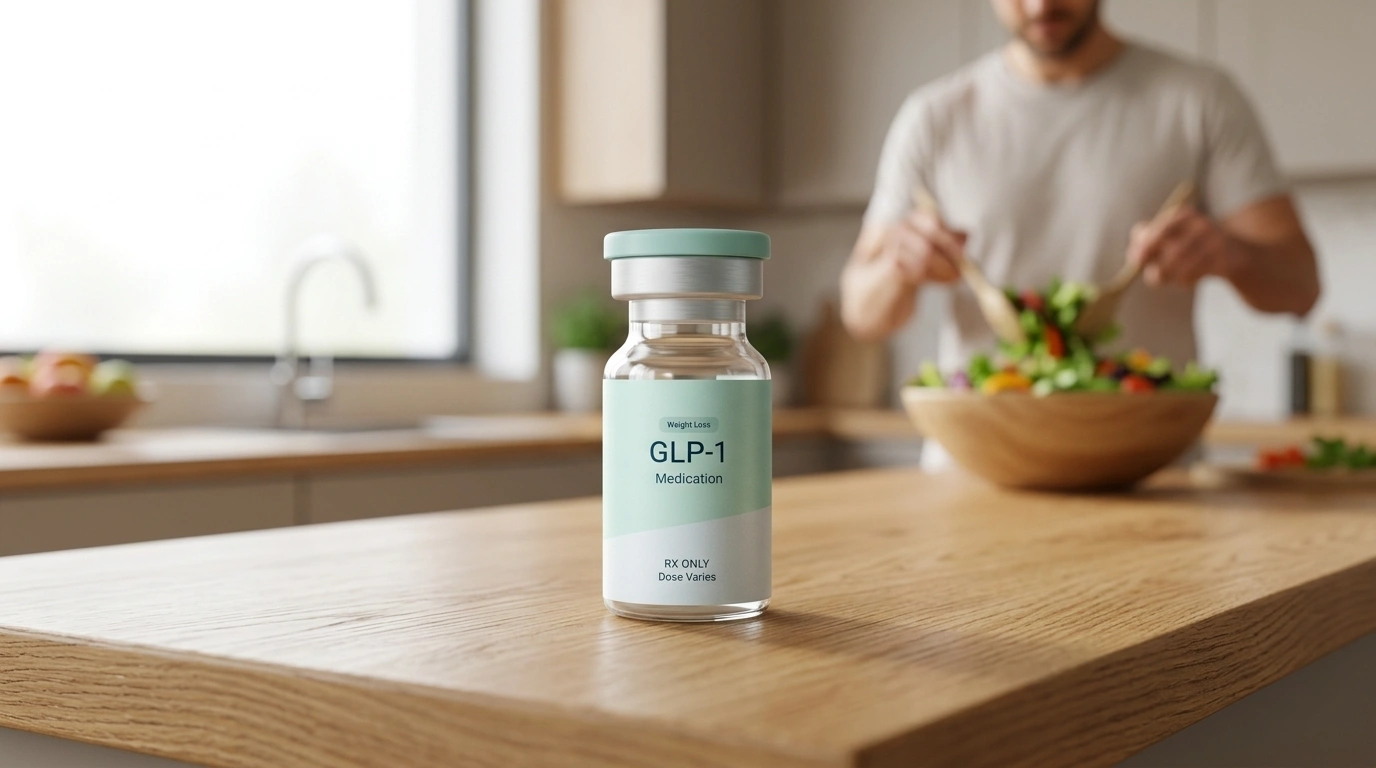
Introduction
You reach into the refrigerator for your weekly dose and pause, wondering if the liquid in the vial is still as effective as the day it arrived. This is a common concern for many individuals navigating their weight loss journey with medical support. At TrimRx, we believe that understanding how your medication behaves is essential for achieving the best possible results. Whether you are currently using a personalized program or are just beginning to research your options, knowing the shelf life and stability of your treatment is vital.
This article explores the science behind peptide stability, the factors that cause degradation, and how to tell if your medication is no longer at peak strength. We will cover the critical differences between expiration dates and beyond-use dates, as well as the best practices for storage. By the end of this post, you will have a clear understanding of how to maintain the integrity of your treatment and when it is time to request a fresh supply.
The Science of Semaglutide Stability
To understand if compounded semaglutide loses potency, we must first look at what the medication is. Semaglutide is a glucagon-like peptide-1 (GLP-1) receptor agonist. In simpler terms, it is a synthetic version of a hormone your body naturally produces to regulate appetite and blood sugar. Because semaglutide is a peptide—a short chain of amino acids—it is structurally delicate.
Peptides are held together by chemical bonds that can be broken by environmental stressors. When these bonds break, the molecule “unfolds” or breaks apart, a process known as denaturation. Once the structure of the semaglutide molecule changes, it can no longer fit into the GLP-1 receptors in your body. This is exactly how potency is lost. The medication is still there, but it is no longer biologically active in the way you need it to be.
For additional context on how storage conditions affect semaglutide, review this guide to semaglutide storage, travel, and handling.
Quick Answer: Yes, compounded semaglutide can lose potency over time if it is exposed to heat, light, or oxygen, or if it is kept past its beyond-use date. Proper refrigeration is the most significant factor in maintaining its effectiveness.
If you are researching whether a supervised prescription program may be appropriate for you, you can complete a free eligibility assessment.
Understanding Beyond Use Dates (BUD)
When you receive a branded medication like Wegovy® or Ozempic®, it comes with an expiration date determined by the manufacturer after years of stability testing. Compounded medications work differently. Because compounded semaglutide is prepared by a pharmacist for a specific patient, it is assigned a Beyond Use Date (BUD) instead of a standard expiration date.
The BUD is the date after which the medication should not be used. This date is determined by the United States Pharmacopeia (USP) standards and the specific formulation used by the pharmacy. It accounts for both the chemical stability of the semaglutide and the risk of microbial growth.
For a deeper explanation of compounded medication timelines, read about the shelf life of compounded semaglutide.
Stability vs. Sterility
It is important to distinguish between the medication losing its strength and the medication becoming unsafe.
- Chemical Stability: This refers to how long the semaglutide molecule remains intact and effective.
- Sterility: This refers to the absence of bacteria or fungi. Once a vial is punctured with a needle, the risk of contamination increases.
Most compounded semaglutide formulations are designed to be stable for a specific window, often 28 to 30 days once the vial has been entered, though the unopened shelf life may be longer if refrigerated.
For more detail about the post-puncture timeline, see how long compounded semaglutide lasts once opened.
Factors That Cause Potency Loss
Several environmental factors can accelerate the breakdown of semaglutide. If your medication is exposed to these elements, it may lose potency long before the date printed on the label.
Temperature Extremes
Temperature is the most critical factor for peptide preservation. Semaglutide is designed to be kept at refrigerated temperatures, typically between 36°F and 46°F (2°C to 8°C).
Heat Exposure: If the medication reaches room temperature for extended periods or is exposed to high heat (such as being left in a hot car), the peptide bonds begin to break down rapidly. Even a few hours of high heat can significantly diminish the effectiveness of the dose.
Freezing: Freezing is just as damaging as heat. If the liquid freezes, the structural integrity of the peptide is often destroyed. Never use semaglutide that has been frozen and thawed.
Light Exposure
Semaglutide is photosensitive, meaning it is sensitive to light. Exposure to ultraviolet (UV) light can lead to photodegradation. This is why most compounded medications are shipped in amber-colored vials or are meant to be kept inside their original box. Leaving a vial on a sunny countertop can cause a noticeable drop in potency within a short timeframe.
Oxidation
Every time you draw a dose from a vial, a small amount of air enters the container. Oxygen can react with the peptide over time. While modern compounding practices and preservatives help minimize this, the cumulative effect of oxygen exposure is one reason why vials have a limited lifespan once opened.
Key Takeaway: Potency loss is usually a gradual process caused by environmental “insults” like heat and light. Protecting your vial from these elements is the best way to ensure the medication works as intended throughout your treatment cycle.
How to Identify Decreased Potency
How do you know if your medication has lost its strength? There are both physical signs to look for in the vial and physiological signs to monitor in your body.
Visual Changes in the Medication
Before every injection, you should inspect your vial. Compounded semaglutide should be a clear, colorless liquid. If you notice any of the following, the medication may have lost potency or become contaminated:
- Cloudiness: The liquid should not look “milky” or hazy.
- Particulates: You should not see any tiny flakes, crystals, or “strings” floating in the liquid.
- Color Change: Any tint of yellow, brown, or pink is a sign of chemical degradation.
If the appearance has changed, do not use the medication. Contact your provider or the pharmacy for guidance.
You can also review these signs of degraded or compromised semaglutide.
Changes in Appetite Suppression
The most common sign that semaglutide is losing potency is a return of “food noise” or physical hunger before your next dose is due. While it is normal for the effects to taper slightly toward the end of the week, a sudden and total loss of appetite suppression early in the week—especially if the medication worked well for you previously—could suggest the batch has degraded.
Note: If you experience a sudden increase in hunger, consult with a healthcare professional. It may be a sign of decreased potency, but it could also indicate that your body requires a dosage adjustment as part of your personalized program.
Best Practices for Maintaining Potency
To ensure your treatment remains effective from the first dose to the last, follow these storage and handling guidelines.
Maintain the Cold Chain Your medication is typically shipped with cold packs. You should unpack it and place it in the refrigerator immediately upon arrival. Do not store it in the door of the refrigerator, as the temperature fluctuates there every time the door opens. Instead, place it in the center or back of a shelf.
Keep it in the Dark Store the vial inside its original box or a small opaque container. This provides an extra layer of protection against light every time the refrigerator light turns on.
Handle with Care While you need to gently swirl the vial if instructed, avoid vigorous shaking. Rough handling can sometimes contribute to the mechanical breakdown of delicate proteins and peptides.
Monitor the Calendar Mark the date you first punctured the vial on the box. Even if there is liquid left, most healthcare providers recommend discarding the vial after the time frame specified by the pharmacy (often 28 days for multi-dose vials) to ensure both potency and sterility.
For a practical home routine, follow these compounded semaglutide storage guidelines.
Step-by-Step: Proper Storage Routine
Step 1: Inspect the package. Confirm the cooling packs are still cold and the vial is intact upon delivery.
Step 2: Refrigerate immediately. Place the vial in the main body of the refrigerator, away from the freezer cooling vent.
Step 3: Protect from light. Keep the vial inside the provided box or a light-blocking bag.
Step 4: Check before use. Hold the vial up to the light before each dose to ensure the liquid is clear and free of particles.
The Role of the Compounding Pharmacy
Not all compounded medications are created equal. The quality and initial potency of your medication depend heavily on the pharmacy that prepares it. We at TrimRx connect our members with providers who utilize FDA-registered, inspected compounding pharmacies.
These pharmacies must adhere to strict quality control standards, including testing for potency, sterility, and purity. When a pharmacy follows these rigorous protocols, you can be more confident that the medication starts at the correct strength. The stability of the medication is also influenced by the “base” or the other ingredients (like B12 or saline) mixed with the semaglutide. A professional compounding pharmacy ensures these ingredients are compatible and do not accelerate the breakdown of the peptide.
If you are ready to explore whether a personalized prescription program may fit your needs, take the free assessment quiz.
Travel and Potency Concerns
One of the most frequent times patients worry about potency is during travel. If you are away from home, maintaining the “cold chain” becomes more difficult.
If you must travel with your medication, use a small insulated travel cooler designed for insulin or similar peptides. These cases often include small gel packs that keep the vial at the correct temperature for several hours. If your travel involves flying, keep your medication in your carry-on luggage. The cargo hold of a plane can experience extreme temperature shifts that could ruin the medication.
For additional planning advice, read this guide to traveling with GLP-1 medications.
If you arrive at your destination and find that your medication has reached room temperature, it is generally still safe to use for a short period (many formulations are stable at room temperature for up to 14–21 days), but it should be returned to a refrigerator as soon as possible. However, always defer to the specific instructions provided by your pharmacist, as different compounded formulations have different stability profiles.
Why Freshness Matters for Weight Loss Results
The goal of using a GLP-1 medication like semaglutide is to support sustainable weight management. This process relies on a consistent level of the medication in your bloodstream. When potency fluctuates because of old or improperly stored medication, your results may stall.
Consistency is the foundation of metabolic health. When the medication is at its full strength, it helps regulate insulin response and slows gastric emptying effectively. If the medication has lost 20% or 30% of its potency, you may find yourself struggling with cravings that the medication is supposed to help manage. This can lead to frustration and the feeling that the treatment “stopped working,” when in reality, the medication itself has simply degraded.
For readers exploring additional metabolic support during weight loss, consider the Weight Loss Boost supplement.
Bottom line: While semaglutide is a powerful tool for weight management, its effectiveness is highly dependent on how it is stored and handled. Following Beyond Use Dates and refrigeration guidelines is the best way to protect your investment in your health.
The TrimRx Approach to Quality
At TrimRx, our mission is to help individuals embrace healthier lifestyles through science and a transparent, personalized approach. We understand that the logistics of weight loss medication—like storage and shelf life—can be confusing. That is why we focus on providing a comprehensive service model that includes clear guidance from licensed providers.
Our programs are designed to take the guesswork out of the process. By connecting you with professional pharmacies and offering 24/7 access to specialized support, we ensure you have the resources needed to maintain the integrity of your treatment. We believe that when you feel supported and informed, you are better equipped to achieve sustainable, long-term success.
Conclusion
Compounded semaglutide is a sophisticated biological medication that requires specific care to remain effective. While it does lose potency over time—particularly when exposed to heat, light, or air—proper storage can maximize its lifespan. By keeping your medication refrigerated, protecting it from light, and respecting the Beyond Use Date provided by the pharmacy, you ensure that every dose supports your health goals.
If you are ready to start a weight loss journey backed by clinical expertise and personalized care, the first step is simple. We invite you to take our free assessment quiz to see which program fits your needs. Whether you are interested in compounded options or exploring our quick-access supplements like GLP-1 Daily Support, we are here to guide you toward a healthier future.
FAQ
Can I use compounded semaglutide if it has been out of the fridge for a day?
In most cases, if the medication reached room temperature for a single day, it is still safe to use, though you should return it to the refrigerator immediately. However, if it was exposed to high heat (above 86°F), the potency may be compromised. Always check for cloudiness or discoloration before administering a dose that was left out.
How long does an unopened vial of compounded semaglutide last?
An unopened vial typically lasts until the Beyond Use Date (BUD) printed on the label, provided it has been continuously refrigerated. This date is usually set by the compounding pharmacy based on stability data for their specific formulation. Once the vial is punctured, the window of use often shortens to 28 days to ensure sterility.
For more information about unopened and opened medication timelines, review this guide to compounded semaglutide shelf life.
Is it okay to use semaglutide past its Beyond Use Date if it looks clear?
No, you should not use the medication past its BUD even if it appears clear. The liquid may look fine, but the peptide molecules could have degraded enough to lose their clinical effectiveness. Additionally, the preservatives in the solution may no longer be effective at preventing bacterial growth after that date.
Does freezing semaglutide make it last longer?
No, you should never freeze semaglutide. Freezing and thawing can break the delicate chemical bonds of the peptide, rendered the medication ineffective. If your vial accidentally freezes, it should be discarded, and you should contact your provider for a replacement.
Disclaimer: This content is for informational purposes only and does not constitute medical advice. It is not intended to diagnose, treat, cure, or prevent any disease or condition. Individual results may vary. Always consult a qualified healthcare professional before starting any weight loss program or medication.

Transforming Lives, One Step at a Time
Keep reading

Staying on Semaglutide Long Term: Keeping Side Effects From Returning
The good news is that this is usually easier than you are imagining. Gastrointestinal effects in this class concentrate in the first weeks and…
First Month After Stopping Semaglutide at Goal Weight
Appetite comes back before the weight does, and the gap between those two things is the whole story of the first month. Most people…

Losing Slower Than the Trials? Are You a Semaglutide Non-Responder?
Almost certainly not. Losing less than a published average is the experience of roughly half the people in any trial, because that is what…


