Does Diarrhea Cause Weight Loss? The Unhealthy Truth
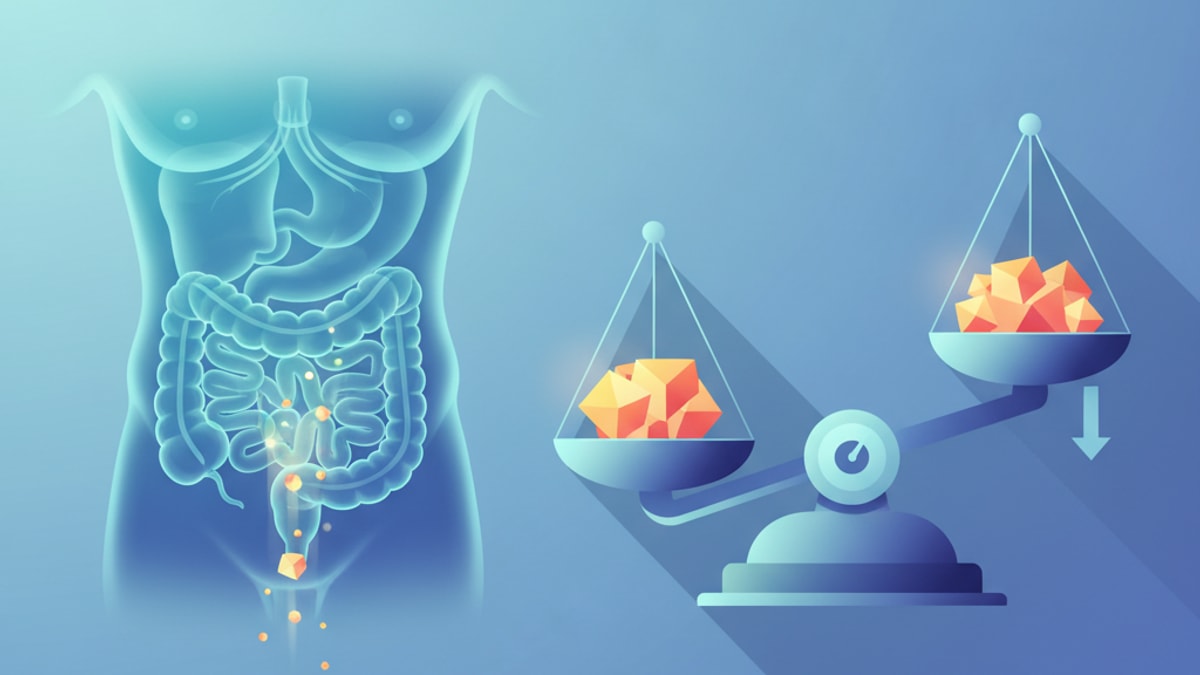
It’s a question we hear more often than you might think, sometimes whispered with a hint of curiosity. You’ve had a rough couple of days with a stomach bug, and when you finally step on the scale, the number is lower. A lot lower. The immediate thought can be, “Well, at least there’s one silver lining.” So, does diarrhea cause weight loss? The short answer is yes. But we can't stress this enough: it’s a dangerous, misleading, and entirely unsustainable path that has absolutely nothing to do with healthy, long-term fat loss.
Our team at TrimrX specializes in the science of metabolic health and sustainable weight management. We've dedicated our work to understanding how the body truly loses fat and builds health, not just sheds pounds through sickness. The weight you see disappear after a bout of diarrhea isn’t progress; it’s a distress signal. It’s your body losing critical fluids, electrolytes, and nutrients, not burning stored fat. Let’s break down what’s really happening inside your body and why confusing this with genuine weight loss is a critical mistake.
The Immediate Answer: Yes, But It’s Not What You Think
Let’s get straight to the point. When the scale plummets after a day or two of diarrhea, what you’re witnessing is almost exclusively the loss of water. Your body is made up of about 60% water, and that fluid is essential for literally every single biological process, from brain function to muscle contraction. Diarrhea forces a massive and rapid expulsion of this water from your system.
Think of it this way: your body isn't burning its fuel reserves (fat); it's just draining the coolant from the engine. The engine itself—your body composition, your fat stores—remains unchanged. You might feel lighter, and your clothes might even feel a little looser, but this is a temporary illusion. As soon as you rehydrate properly, which is critically important for your recovery, that weight will come right back. It was never gone in the first place. It was just water.
Dehydration: The Grand Illusion of Progress
Dehydration is the primary culprit behind the number on the scale dropping. When your digestive system goes into overdrive, it pulls water from your tissues into the intestines to flush out whatever irritant or pathogen is causing the problem. This leads to a significant net loss of body fluid.
But this isn't just about weight. Even mild dehydration can have a cascade of negative effects that you'll feel throughout your body. We're talking about more than just thirst. It’s the pounding headache, the dizziness when you stand up too fast, the overwhelming fatigue that makes lifting your head feel like a chore, and the brain fog that makes simple thoughts feel complicated. These are signs that your body is struggling to function without adequate fluid. Our experience shows that many people underestimate how profoundly dehydration impacts their energy and cognitive performance. It’s a state of physiological stress, not a state of healthy fat metabolism.
This is a non-negotiable biological fact: the weight lost is fluid, and it must be replaced for you to get healthy again. Trying to prolong this state is not only pointless for fat loss but also incredibly dangerous.
Beyond Water: The Deeper Problem of Malabsorption
While water loss is the most immediate effect, something more concerning happens when diarrhea becomes persistent or chronic. This is the issue of malabsorption. Healthy digestion is a slow, deliberate process where your small intestine has ample time to extract vitamins, minerals, proteins, fats, and carbohydrates from the food you eat.
Diarrhea throws a wrench in that entire system. Food and liquid are rushed through your digestive tract at high speed. There just isn't enough time for proper absorption. Your body is essentially discarding fuel and building blocks before it can even use them. This is where you can start to see a more significant, and far more alarming, type of weight loss.
When malabsorption becomes a long-term issue, you’re not just losing water anymore. You’re at risk for:
- Nutrient Deficiencies: Lacking essential vitamins and minerals can lead to a sprawling list of health problems, from anemia (iron deficiency) to weakened bones (calcium and Vitamin D deficiency).
- Muscle Wasting: Without adequate protein absorption, your body may begin to break down its own muscle tissue for energy. This is catastrophic for your metabolism, as muscle is a key driver of your resting metabolic rate. You lose strength, and your body becomes less efficient at burning calories.
- Weakened Immunity: A well-nourished body is essential for a strong immune system. Malabsorption can leave you vulnerable to other infections and illnesses.
This is the “weight loss” that comes from starvation at a cellular level, even if you're eating. It’s your body breaking itself down. It’s the absolute opposite of the health-building fat loss we work to achieve with our patients.
Acute vs. Chronic Diarrhea: A Critical Distinction
It’s vital to understand the difference between a short-term inconvenience and a serious medical warning sign.
Acute diarrhea is what most people experience. It lasts for a day or two, maybe up to a week. It’s typically caused by a viral or bacterial infection (the dreaded “stomach flu” or food poisoning). The weight loss here is almost entirely water and is quickly regained upon recovery. It's unpleasant, but it resolves.
Chronic diarrhea, on the other hand, is a different beast entirely. We define this as diarrhea that lasts for four weeks or longer. This is not normal. It’s a persistent signal from your body that something is fundamentally wrong with your digestive system. The weight loss associated with chronic diarrhea is far more likely to involve malnutrition and muscle loss, and it demands medical attention.
Our team has seen this firsthand. Chronic diarrhea is often a symptom of a significant underlying condition, such as:
- Irritable Bowel Syndrome (IBS): A common disorder affecting the large intestine, causing cramping, gas, and alternating bouts of diarrhea and constipation.
- Inflammatory Bowel Disease (IBD): This includes Crohn’s disease and ulcerative colitis, which involve chronic inflammation of the digestive tract.
- Celiac Disease: An autoimmune disorder where the ingestion of gluten leads to damage in the small intestine.
- Food Intolerances or Allergies: Conditions like lactose intolerance can cause chronic digestive distress.
- Chronic Infections: Certain parasitic or bacterial infections can linger for months if not properly treated.
If you're experiencing persistent diarrhea and unintentional weight loss, the goal isn't to wonder about the number on the scale. The goal is to see a doctor. Period.
The Unhealthy Weight Loss vs. Healthy Fat Loss Comparison
To make this crystal clear, we've put together a simple comparison. It highlights the stark difference between the weight loss that comes from being sick and the fat loss that comes from a structured, healthy approach.
| Factor | Weight Loss from Diarrhea | Medically-Supervised Fat Loss (e.g., GLP-1s) |
|---|---|---|
| Primary Loss | Water, electrolytes, and eventually muscle mass. | Primarily stored body fat (adipose tissue). |
| Body's State | Distress. The body is in a state of emergency/illness. | Regulated. The body is in a controlled state of fat burn. |
| Nutrient Status | Malabsorption and severe nutrient depletion. | Nutrient intake is optimized and properly absorbed. |
| Muscle Mass | Often decreased due to protein malabsorption. | Preserved or even increased with proper guidance. |
| Metabolism | Slows down due to muscle loss and dehydration. | Becomes more efficient as body composition improves. |
| Sustainability | Not sustainable. Weight returns with rehydration. | Sustainable with continued lifestyle adjustments. |
| Overall Health Outcome | Negative. Leads to weakness, fatigue, and illness. | Positive. Leads to improved energy and reduced disease risk. |
This table really brings it home. There is simply no comparison. One path tears the body down, while the other builds it up.
The TrimrX Approach: Building Health, Not Chasing Sickness
This is where our philosophy at TrimrX becomes so important. We're not interested in quick, illusory fixes. We’re a biotechnology company focused on real, physiological change. Our programs, which often utilize advanced GLP-1 medications like Semaglutide and Tirzepatide, are designed to work with your body’s natural systems, not against them.
And here’s a fascinating point of contrast. Diarrhea is characterized by rapid gastric transit—food flying through you too quickly. What do GLP-1 medications do? The exact opposite. One of their primary mechanisms is to slow down gastric emptying. This means food stays in your stomach longer, which has two incredible benefits:
- Increased Satiety: You feel fuller for longer, which naturally reduces your calorie intake without the gnawing hunger of a typical diet.
- Improved Glycemic Control: It helps regulate blood sugar response after meals, which is crucial for metabolic health.
So while diarrhea creates a chaotic, nutrient-wasting environment in your gut, our medically-supervised treatments help create a calm, regulated environment that promotes nutrient absorption and hormonal balance. It’s a nuanced, scientific approach that targets the root drivers of weight gain. We focus on helping you lose actual fat mass while doing everything we can to preserve your precious, metabolically active muscle mass.
This is what real progress looks like. It’s not about a dramatic drop on the scale overnight from being sick. It's about a steady, sustainable change in your body composition that leads to more energy, better health markers, and a genuine sense of well-being. If you're tired of the rollercoaster and want to understand how a medical approach can fundamentally change your health journey, you can Take Quiz on our site to see if you're a candidate.
When It's Time to See a Doctor
We are advocates for proactive health management, not reactive crisis control. Please seek professional medical help immediately if you experience diarrhea along with any of the following red flags:
- It lasts for more than two or three days.
- You have severe abdominal or rectal pain.
- You see blood in your stool or your stool is black and tarry.
- You have a fever of 102°F (39°C) or higher.
- You're showing clear signs of significant dehydration (e.g., little to no urination, extreme thirst, dizziness, confusion).
- You are losing weight rapidly without trying.
This isn't something to wait out or self-diagnose with a search engine. Your health is too important. An accurate diagnosis is the first and most critical step toward recovery.
Rebuilding Your Gut After an Episode
Once you're on the mend (and under a doctor's care if necessary), the focus should shift to recovery and rebuilding your gut health. This isn't just about stopping the symptoms; it's about restoring the healthy balance of your digestive ecosystem.
Here’s what our team generally recommends for recovery:
- Aggressive Rehydration: This is priority number one. Sip water constantly throughout the day. Electrolyte drinks or broths are also excellent for replenishing lost sodium and potassium.
- Gentle Foods: Your digestive system is sensitive. Stick to simple, easy-to-digest foods. The classic BRAT diet (bananas, rice, applesauce, toast) is recommended for a reason—it works. Boiled potatoes, crackers, and plain chicken are also good options.
- Avoid Irritants: For a little while, steer clear of dairy, fatty foods, high-fiber foods, and spicy foods, as these can aggravate your system.
- Consider Probiotics: Once you're feeling better, introducing probiotics (found in yogurt, kefir, or supplements) can help replenish the beneficial bacteria in your gut that may have been wiped out.
Taking these steps helps your body heal properly and get back to a state of equilibrium.
Ultimately, the number on your scale is just one data point among many. And when that number changes because you’re sick, it’s not a data point worth celebrating. True, lasting health transformation comes from a place of strength, not sickness. It’s about nourishing your body, balancing your hormones, and building a foundation of wellness that lasts a lifetime. It's about choosing a path that makes you feel powerful and energized, not weak and depleted. If you’re ready to stop guessing and start a clinically-proven path toward sustainable health, it's time to Start Your Treatment Now. Let's focus on a number that truly matters: the number of healthy, vibrant years ahead of you. You can learn more and Start Your Treatment with our medical team when you're ready to take that step.
Frequently Asked Questions
How much weight can you actually lose from a bout of diarrhea?
▼
The weight lost is almost entirely water weight. It’s not uncommon to see a drop of 3-5 pounds or even more after a severe 24-hour episode, but this is fluid that will be regained as soon as you rehydrate properly.
Is it possible to lose actual fat from diarrhea?
▼
No, not from a short-term, acute case. Your body doesn’t burn significant fat stores in a day or two of illness. Only in cases of chronic, long-term diarrhea does malabsorption lead to the unhealthy loss of fat and muscle, which is a serious medical issue.
Can stress-induced diarrhea cause weight loss?
▼
Yes, chronic stress can trigger digestive issues like IBS, which can cause diarrhea. If this becomes a long-term pattern, it can lead to some weight loss through malabsorption, but it’s a symptom of an underlying problem that needs to be addressed.
Why do I feel so weak after losing weight from diarrhea?
▼
You feel weak because of dehydration and electrolyte imbalance. Your body has lost critical fluids, sodium, and potassium, which are essential for muscle function and energy. It’s a sign of physiological distress, not successful weight loss.
How is weight loss from a GLP-1 medication different from weight loss from being sick?
▼
It’s completely different. GLP-1s promote fat loss by regulating appetite and blood sugar in a controlled way. Sickness causes weight loss through the uncontrolled, dangerous expulsion of water and nutrients. One builds health, the other signals its decline.
If I have diarrhea, should I stop eating to lose more weight?
▼
Absolutely not. This is incredibly dangerous. Your body needs nutrients and fluids to fight off the illness and recover. Starving yourself will only worsen dehydration, prolong your sickness, and potentially lead to more serious complications.
How long does it take to regain weight lost from diarrhea?
▼
The water weight is typically regained very quickly, within 1-3 days of proper rehydration and returning to a normal diet. If weight loss persists, it’s a sign you need to see a doctor.
Can frequent diarrhea stall my healthy weight loss efforts?
▼
Yes, it can. Chronic digestive issues can interfere with nutrient absorption, disrupt your workout routine due to fatigue, and signal an underlying health problem that needs to be prioritized over any weight loss goal.
What’s the first thing I should do to recover from diarrhea?
▼
The absolute first priority is rehydration. Sip small amounts of water, broth, or an electrolyte solution consistently throughout the day. Food can wait, but fluids cannot.
Is weight loss always a symptom of chronic diarrhea?
▼
It’s a very common symptom, but not always present. However, if you are experiencing both chronic diarrhea and unintentional weight loss, it’s a significant red flag that requires immediate medical evaluation.
Does diarrhea ‘clean out your system’ in a healthy way?
▼
No, that’s a common misconception. While it does expel contents from your gut, it does so in a violent way that strips your body of essential fluids, electrolytes, and beneficial gut bacteria. It’s a sign of dysfunction, not a healthy ‘cleanse’.
Can food poisoning lead to permanent weight loss?
▼
No. The weight you lose from a bout of food poisoning is temporary water loss. There is no mechanism by which a short-term infection would cause permanent, sustainable fat loss.

Transforming Lives, One Step at a Time
Keep reading

Do You Need a Prescription for GLP-1s? The 2026 Answer
Wondering ‘do you need a prescription for glp 1’ in 2026? Yes. We explain why a doctor’s oversight is critical for safe, effective results.

How to Get GLP-1 Covered By Insurance: Our 2026 Playbook
Struggling with how to get glp-1 covered by insurance? Our 2026 guide breaks down prior authorizations, appeals, and documentation.

Traveling with GLP-1s in 2026: Your Essential Trip-Proof Plan
Don’t let travel disrupt your GLP-1 treatment. Learn how to travel with glp 1 medications safely and stress-free in our 2026 expert guide.


