Diarrhea and Weight Loss: What Your Body Is Really Telling You
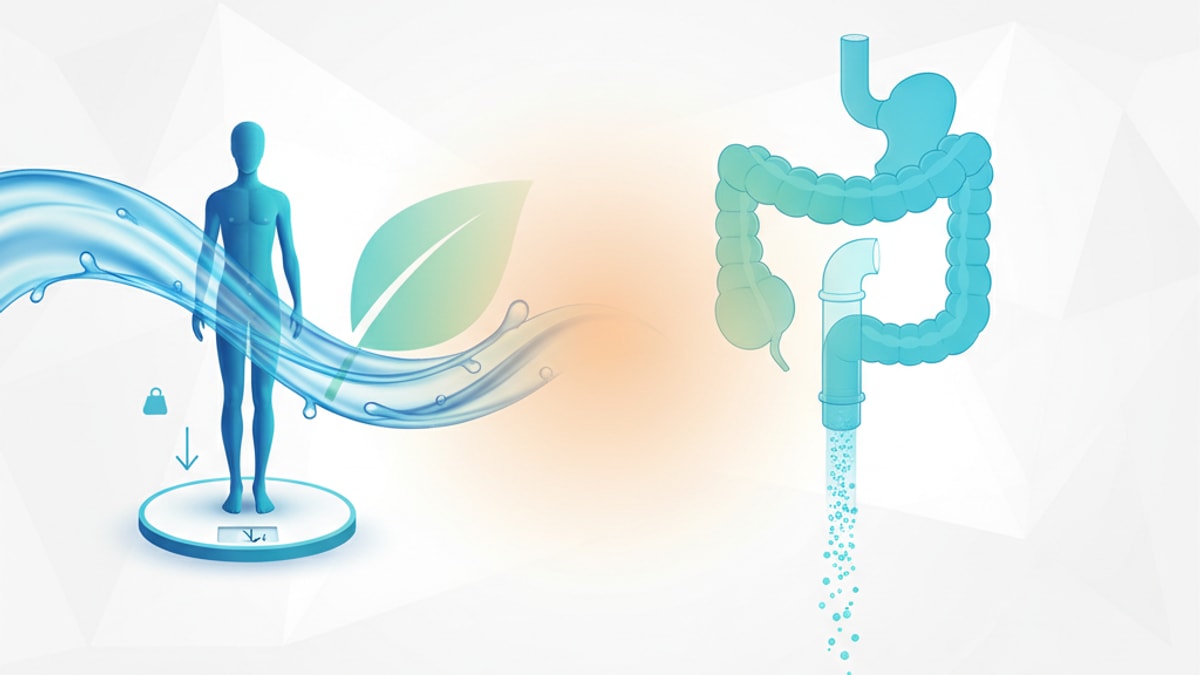
It’s a question that crosses many minds but is rarely spoken aloud. You have a nasty bout of stomach flu or food poisoning, and after a few miserable days, you step on the scale and notice the number is lower. It’s tempting to see a silver lining, but our team is here to tell you something critical: the connection between diarrhea and weight loss is deeply misunderstood and often signals a significant problem, not a wellness victory.
As a biotechnology company dedicated to medically-supervised, sustainable weight management, we feel it’s our responsibility to clear the air. We’ve guided countless patients toward genuine, lasting health transformations, and that journey never involves leveraging sickness for a temporary drop on the scale. So, does diarrhea cause weight loss? Let's get into the unflinching truth of what's happening inside your body, why it’s dangerous, and how to pursue weight management in a way that truly supports your long-term health.
The Short Answer: Yes, But It's Not Real Weight Loss
Let's be direct. Yes, a severe episode of diarrhea will almost certainly cause a temporary drop in your weight. But we can't stress this enough: you haven't lost fat.
What you've lost is water. A lot of it.
Think of it this way: losing weight from diarrhea is like punching a hole in a full water jug. The weight of the jug decreases dramatically as the water pours out, but the plastic structure of the jug itself hasn't changed at all. Once you refill it, the weight returns instantly. Your body works in a similar way. During a bout of diarrhea, your intestines are in overdrive, pushing contents through so rapidly that your body doesn't have time to absorb water properly. This leads to rapid fluid loss, which shows up as a lower number on the scale. It's deceptive. It's also dangerous, leading to dehydration and a serious imbalance of electrolytes—the essential minerals that keep your heart, nerves, and muscles functioning correctly.
True weight loss, the kind that improves your health and changes your body composition, is the reduction of adipose tissue, or body fat. This is a slow, metabolic process achieved by creating a sustainable calorie deficit over time. It's a marathon, not a sprint. The weight lost from being sick is a frantic, unhealthy stumble that sets you back further from the actual finish line.
What's Actually Happening in Your Body?
To understand why this type of weight loss is so problematic, we need to look at the physiological chaos that diarrhea creates. Your gastrointestinal (GI) tract is an incredibly sophisticated system designed for meticulous nutrient extraction. When it's working correctly, it breaks down food, absorbs vitamins, minerals, and calories, and pulls in water to keep you hydrated. Diarrhea throws a wrench into this entire impeccable process.
First, there's the issue of malabsorption. When intestinal transit time is drastically accelerated, your body simply can't keep up. Carbohydrates, proteins, and fats—the macronutrients that provide energy—are expelled before they can be absorbed and utilized. While this sounds like a weight-loss 'hack,' it's actually a pathway to malnutrition. Your body is being starved of the very building blocks it needs to function, repair tissue, and maintain a healthy metabolism. Our experience shows that repeated cycles of this can do lasting damage.
Second, the gut microbiome takes a catastrophic hit. Your gut is home to trillions of beneficial bacteria that play a critical, non-negotiable role in everything from digestion and immunity to mood regulation. Acute diarrhea can flush out a significant portion of this healthy bacteria, leaving your system vulnerable and imbalanced. This can lead to further digestive issues down the road, making it even harder for your body to process food efficiently and maintain a healthy weight.
Finally, and perhaps most immediately dangerous, is the loss of electrolytes. We're talking about sodium, potassium, chloride, and bicarbonate. These aren't just buzzwords; they are minerals that carry an electric charge and are vital for nerve signals, muscle contractions, and maintaining your body's pH balance. Losing them rapidly can cause severe fatigue, muscle cramps, dizziness, confusion, and in extreme cases, life-threatening cardiac arrhythmias. This is why doctors always prioritize rehydration and electrolyte replacement when treating someone with severe diarrhea.
Acute vs. Chronic Diarrhea: A Critical Distinction
It's incredibly important to differentiate between a short-term illness and a persistent, ongoing problem. Our team categorizes these situations very differently because their implications for your health are worlds apart. One is a temporary inconvenience; the other is a massive red flag that requires immediate medical attention.
Acute diarrhea is the kind most of us have experienced. It comes on suddenly, is often caused by a viral or bacterial infection (think traveler's diarrhea or the stomach flu), and typically resolves on its own within a few days to a week. The weight loss associated with it is almost entirely water weight and will be regained as soon as you rehydrate properly.
Chronic diarrhea is a completely different beast. This is defined as loose, watery stools that persist for four weeks or longer. If you are experiencing chronic diarrhea and noticing a steady, unintentional drop in weight, your body is screaming for help. This is no longer about temporary fluid loss. It's a sign that a significant underlying medical condition is preventing your body from absorbing nutrients, leading to the loss of not just water, but also muscle and fat. This is a state of catabolism, where your body is breaking itself down.
Here’s a breakdown of the key differences we want you to understand:
| Feature | Acute Diarrhea | Chronic Diarrhea |
|---|---|---|
| Duration | Typically less than 2 weeks | Lasts 4 weeks or longer |
| Common Causes | Viral/bacterial infections, food poisoning, medications | IBD (Crohn's, Ulcerative Colitis), IBS, Celiac disease, food intolerances |
| Weight Loss Type | Primarily water weight, temporary | Can involve significant fat and muscle loss due to malabsorption |
| Health Risk | Dehydration, electrolyte imbalance | Malnutrition, vitamin deficiencies, severe health complications |
| Our Recommendation | Hydrate and monitor. See a doctor if it's severe or persists. | Requires immediate medical evaluation to diagnose the root cause. |
The Dangers of Unexplained Weight Loss from Diarrhea
When a patient comes to us with a history of chronic diarrhea and unexplained weight loss, our clinical antennae go up immediately. This combination is one of the classic signs of a serious underlying health issue. The weight loss isn't the goal; it's a symptom of a formidable disease process that needs to be diagnosed and managed by a healthcare professional.
What could be causing it? The list is long and serious, which is why self-diagnosing is never the answer. Some of the potential culprits include:
- Inflammatory Bowel Disease (IBD): Conditions like Crohn's disease and ulcerative colitis cause chronic inflammation of the GI tract, leading to severe diarrhea, abdominal pain, and profound malabsorption.
- Celiac Disease: An autoimmune disorder where consuming gluten triggers an immune response that damages the small intestine, impairing nutrient absorption.
- Irritable Bowel Syndrome (IBS): A common disorder affecting the large intestine. While it doesn't cause the intestinal damage seen in IBD, severe forms (like IBS-D) can cause chronic diarrhea and associated weight fluctuations.
- Hyperthyroidism: An overactive thyroid gland can speed up your metabolism to an unhealthy degree, causing rapid heartbeat, anxiety, and chronic diarrhea, leading to weight loss.
- Pancreatic Insufficiency: When the pancreas doesn't produce enough digestive enzymes, the body can't properly break down and absorb fats, resulting in fatty stools (steatorrhea) and weight loss.
- Certain Cancers: Though less common, some cancers, particularly those affecting the GI tract, can present with chronic diarrhea and unexplained weight loss as early symptoms.
Seeing this list makes it clear: using diarrhea as a weight loss method is not only ineffective, it's playing with fire. The number on the scale is the least important piece of data in this scenario. What's crucial is uncovering the root cause and treating it appropriately.
When Weight Loss Medications and Digestion Intersect
Now, this is where the conversation gets more nuanced, and it’s an area we at TrimrX navigate with our patients every single day. Let's be direct: some of the most effective, science-backed weight loss treatments available today, including the GLP-1 medications like Semaglutide and Tirzepatide that we specialize in, can have gastrointestinal side effects. This can include nausea, constipation, and yes, sometimes diarrhea, especially when you first begin treatment.
So why is this different? It's all about context, mechanism, and medical supervision.
The diarrhea sometimes associated with GLP-1s is typically a result of the medication's primary function: slowing down gastric emptying. This process helps you feel fuller for longer, which is a key part of how it aids in weight loss. For some individuals, this change in digestive speed can temporarily lead to looser stools as their body adjusts. This is a known, well-documented side effect—not a symptom of a mysterious underlying disease.
This is precisely why a medically-supervised program is non-negotiable for anyone considering these powerful treatments. Our clinical team anticipates these potential side effects. We start patients on a low 'titration' dose and gradually increase it, which gives the body time to adapt and significantly minimizes side effects. We monitor our patients closely, providing clear guidance on diet (like avoiding greasy or spicy foods initially) and hydration to manage any digestive changes. We don't just hand you a prescription and wish you luck; we partner with you through the entire process, making adjustments to ensure the treatment is both effective and tolerable.
If you're exploring modern medical weight loss options, having that expert support system is the difference between success and failure. You can see if you're a candidate and learn more about our supervised approach by taking our initial Take Quiz.
Rebuilding Your Gut and Focusing on Healthy Weight Management
Whether you're recovering from an acute stomach bug or navigating the side effects of a new medication, the goal should always be to support your digestive health, not exploit its dysfunction. The first step is always hydration. Plain water is good, but if you've had significant diarrhea, an oral rehydration solution containing a balanced mix of electrolytes and a small amount of sugar is far better for restoring what you've lost.
Next, focus on gentle, easily digestible foods. The classic BRAT diet (bananas, rice, applesauce, toast) is recommended for a reason—it's bland and low in fiber, giving your inflamed intestines a chance to rest and recover. As you feel better, you can gradually reintroduce other foods, paying attention to how your body responds. Probiotic-rich foods like yogurt or kefir can also be helpful in restoring the healthy bacteria in your gut microbiome, but for chronic issues, this should be discussed with your doctor.
This brings us to the core of our philosophy at TrimrX: sustainable, healthy fat loss. It's a world away from the chaotic, depleting weight loss caused by illness. True weight management is an intentional, structured process. It involves a combination of nutritional strategies that create a modest calorie deficit, physical activity that builds and preserves lean muscle mass, and, when appropriate, powerful medical tools like GLP-1s to regulate appetite and metabolism. It’s about building health, not just reducing weight. Our approach isn't a quick fix; it's a holistic reset designed to create a framework for a healthier life.
Why Chasing 'Quick Fixes' Will Always Backfire
There's a dangerous mindset that can emerge from the desire for rapid weight loss, one that views sickness or digestive distress as an opportunity. This can lead people down the perilous path of laxative abuse or other harmful behaviors, mistaking the symptoms of bodily harm for progress. Our team has seen the devastating aftermath of these quick-fix mentalities. It doesn't lead to the health and confidence people are searching for. It leads to metabolic damage, severe nutritional deficiencies, electrolyte imbalances, and a profoundly broken relationship with one's own body.
That is the exact opposite of what we work to achieve. The goal is to feel strong, energized, and in control of your health. The goal is to fuel your body with what it needs to thrive, not to deplete it. True, lasting transformation is built on a foundation of respect for your body's intricate systems.
It requires patience, consistency, and expert guidance. There are no shortcuts. If you're tired of the rollercoaster and ready to pursue weight management the right way, with a medical team that prioritizes your overall health above all else, we're here to help. You can Start Your Treatment Now and begin a partnership with a team that's as invested in your well-being as you are.
Ultimately, your body sends signals for a reason. Unexplained weight loss paired with diarrhea isn't a shortcut; it's a warning light. It's a critical message that something is wrong. Listening to that message and seeking proper medical guidance isn't a setback—it's the very first step toward building a foundation of health that will support your wellness goals for years to come. That's the real win.
Frequently Asked Questions
How much weight can you actually lose from a bout of diarrhea?
▼
The weight lost is almost entirely water, so it can vary from a few pounds to over ten in severe cases. However, this is not fat loss and the weight will return quickly once you rehydrate. It’s a poor and dangerous indicator of progress.
Is it normal to have some diarrhea when starting a GLP-1 medication like Semaglutide?
▼
Yes, it can be a common side effect as your body adjusts to the medication, which slows digestion. At TrimrX, our medical team manages this by starting patients on a low dose and titrating up slowly, which helps minimize side effects.
How can I tell if my weight loss is from fat or just water?
▼
Water weight loss is rapid, often happening overnight or over a couple of days, and is usually linked to sickness, dehydration, or changes in carb intake. True fat loss is a much slower, more gradual process, typically around 1-2 pounds per week, achieved through a consistent, sustainable health plan.
What should I eat to recover after a bad bout of diarrhea?
▼
Focus on rehydration with water and electrolyte drinks first. Then, introduce simple, bland foods from the BRAT diet (bananas, rice, applesauce, toast) to give your digestive system a rest before gradually returning to your normal diet.
When should I see a doctor for diarrhea and weight loss?
▼
You should see a doctor immediately if you have diarrhea that lasts for more than a few days, or if it’s accompanied by severe pain, fever, blood in your stool, or signs of dehydration. Any unintentional weight loss paired with chronic diarrhea (lasting 4+ weeks) requires urgent medical evaluation.
Does diarrhea speed up your metabolism?
▼
No, it doesn’t. Diarrhea is a sign of digestive dysfunction, not increased metabolic rate. It causes weight loss through fluid loss and malabsorption of calories, which is a state of sickness, not a sign of an efficient metabolism.
Can stress and anxiety cause diarrhea and weight loss?
▼
Absolutely. The gut-brain axis is a powerful connection. High levels of stress can trigger digestive upset, including diarrhea, in many people. If this is chronic, the combination of poor nutrient absorption and a potentially suppressed appetite from stress can lead to weight loss.
What’s the main difference between IBS and IBD?
▼
Irritable Bowel Syndrome (IBS) is a functional disorder, meaning it affects how the bowels work without causing visible damage or inflammation. Inflammatory Bowel Disease (IBD), like Crohn’s or ulcerative colitis, is a disease characterized by chronic inflammation that physically damages the digestive tract.
Are probiotics helpful for preventing or treating diarrhea?
▼
They can be. Probiotics help restore the balance of good bacteria in your gut. They may help shorten the duration of infectious diarrhea and can be beneficial for managing symptoms in conditions like IBS, but you should always consult a doctor before starting new supplements.
Can dehydration from diarrhea actually stall true fat loss?
▼
Yes, it can. Your body’s metabolic processes, including burning fat for energy, require proper hydration to function optimally. Being dehydrated puts stress on your system, which can hinder your body’s ability to effectively lose fat.
Why is muscle loss a concern with chronic diarrhea?
▼
When your body is in a state of malabsorption from chronic diarrhea, it’s not getting the protein and calories it needs. To compensate, it can begin breaking down muscle tissue for energy, leading to weakness and a slower metabolism.

Transforming Lives, One Step at a Time
Keep reading

Do You Need a Prescription for GLP-1s? The 2026 Answer
Wondering ‘do you need a prescription for glp 1’ in 2026? Yes. We explain why a doctor’s oversight is critical for safe, effective results.

How to Get GLP-1 Covered By Insurance: Our 2026 Playbook
Struggling with how to get glp-1 covered by insurance? Our 2026 guide breaks down prior authorizations, appeals, and documentation.

Traveling with GLP-1s in 2026: Your Essential Trip-Proof Plan
Don’t let travel disrupt your GLP-1 treatment. Learn how to travel with glp 1 medications safely and stress-free in our 2026 expert guide.


