Does Diarrhea Cause Weight Loss? The Uncomfortable Truth
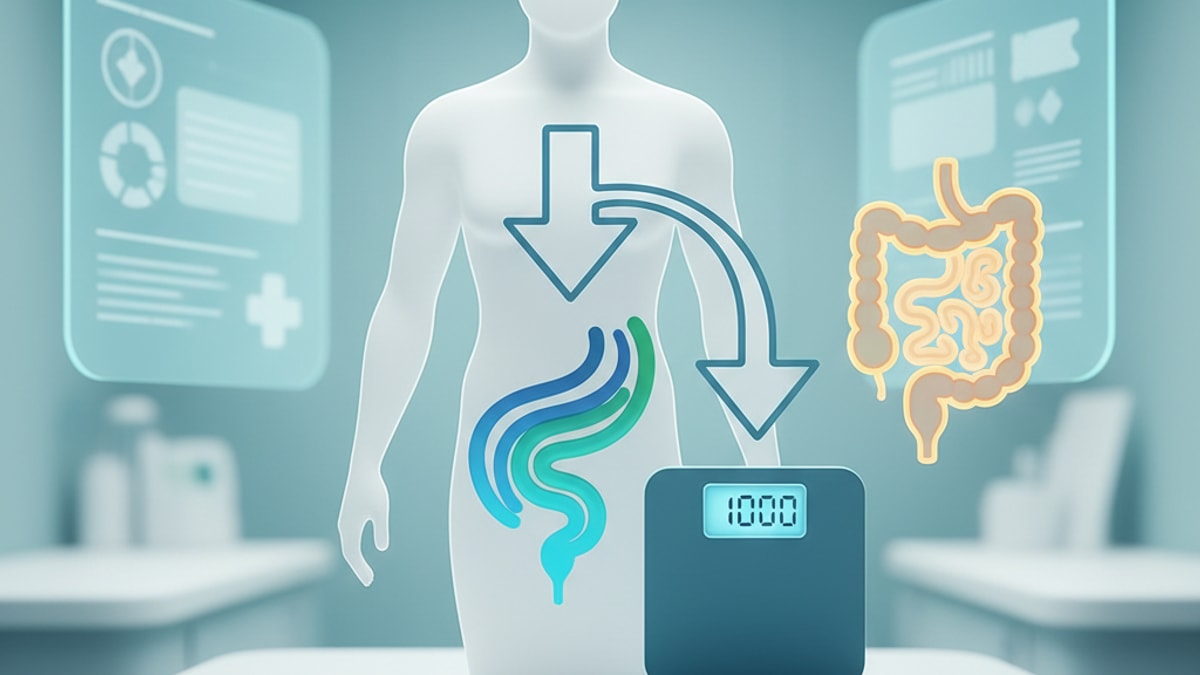
Let's be direct. It’s a question our team hears in different forms, often whispered. People notice a drop on the scale after a bout of stomach trouble and the thought crosses their mind: does diarrhea cause weight loss? It’s a logical connection to make, but the reality is far more complex—and frankly, far more important for your long-term health.
We're not here to talk about quick fixes or unhealthy shortcuts. At TrimrX, our entire focus is on sustainable, medically-supervised health transformations. So, when we tackle a question like this, we do it with an unflinching commitment to the science. The number on the scale can be misleading. It doesn't always tell the story of what’s actually happening inside your body. It's time to separate fact from fiction and understand what that weight change really means.
The Short Answer: Yes, But Not in the Way You Think
So, does diarrhea cause weight loss? Yes, it can make the number on the scale go down. But—and this is the critical part—it’s almost never the kind of weight loss you want. It’s not fat loss. It’s not a sustainable change. It’s a temporary, and potentially dangerous, illusion.
What you're losing is primarily water. A significant amount of it. Diarrhea is your body’s rapid-transit system for expelling something it deems harmful or can't process properly. In its rush to get things out, it flushes large volumes of fluid from your system along with essential electrolytes like sodium, potassium, and chloride. This sudden dehydration leads to a swift drop in body weight. We've seen clients experience fluctuations of five pounds or more in a single day from this kind of fluid shift. But once you rehydrate, that weight comes right back. It was never gone. It was just water.
Dehydration vs. Fat Loss: A Critical Distinction
This is the absolute core of the issue, and we can't stress it enough: losing water weight is not the same as losing body fat. They are two fundamentally different physiological processes.
Think of your body like a sponge. If you soak a sponge in water, it becomes heavy. If you squeeze all the water out, it becomes incredibly light. But the sponge itself—its actual mass and structure—hasn't changed at all. That's what happens with diarrhea-induced weight loss. You're just squeezing the water out of the sponge. Rehydrate, and the weight returns instantly because the underlying structure (your body tissues, including fat) was never altered.
True fat loss, the kind that improves your metabolic health and changes your body composition, is a much slower, more deliberate process. It involves your body tapping into its adipose tissue (fat stores) for energy. This happens when you’re in a consistent, modest caloric deficit over time. Your body breaks down triglycerides stored in fat cells and uses them for fuel, causing those cells to shrink. This is a metabolic achievement. It’s a sign of a healthy, functioning system. Dehydration, on the other hand, is a sign of distress.
Why Chronic Diarrhea is a Red Flag for Your Health
Moving past the scale, let's talk about what chronic or severe diarrhea actually does to you. Using it as a weight loss method isn't just ineffective; it's actively harmful. Our team views persistent digestive issues as a significant medical red flag that demands attention, not celebration.
The most immediate risk is catastrophic dehydration. Severe fluid loss can lead to dizziness, fainting, kidney strain, and in extreme cases, shock. But it goes deeper. You’re also creating a massive electrolyte imbalance. These minerals are crucial for everything from nerve function and muscle contractions to maintaining your heartbeat. When they're depleted, you open the door to muscle cramps, weakness, and serious cardiac arrhythmias.
Then there’s the issue of malabsorption. If your digestive tract is moving too quickly, your body doesn't have time to absorb vital nutrients from your food—vitamins, minerals, proteins, and healthy fats. Over time, this can lead to severe nutritional deficiencies, a weakened immune system, and a host of other health problems. It's the polar opposite of building a healthier body. It's actively dismantling it.
Unpacking the Root Causes of Persistent Diarrhea
If you're experiencing diarrhea frequently, the goal shouldn't be to track the weight loss it causes. The goal must be to understand why it's happening. It's a symptom, not a solution. In our clinical experience, the causes can be sprawling and are often interconnected.
Some of the most common culprits we see include:
- Irritable Bowel Syndrome (IBS): A functional disorder of the gut that can cause cramping, gas, and alternating bouts of diarrhea (IBS-D) and constipation.
- Inflammatory Bowel Disease (IBD): This is a more serious category that includes Crohn's disease and ulcerative colitis, characterized by chronic inflammation of the digestive tract.
- Food Intolerances or Allergies: Conditions like lactose intolerance or celiac disease trigger a digestive response when a specific food (dairy, gluten) is consumed.
- Infections: Bacterial or viral gastroenteritis (the 'stomach flu') is a common cause of acute diarrhea.
- Medications: Many medications, including some antibiotics and, as we'll discuss, even some weight loss treatments, can have gastrointestinal side effects.
- Stress and Anxiety: The gut-brain axis is incredibly powerful. For many people, periods of high stress manifest as digestive upset, including diarrhea.
Ignoring the root cause in favor of the fleeting number on the scale is a dangerous bargain. It’s like ignoring a fire alarm because you like the flashing lights. You have to address the fire.
The Caloric Deficit Myth in Diarrhea
Here’s a common misconception we need to dismantle. Some people believe that diarrhea causes weight loss by flushing out calories before they can be absorbed. This is, for the most part, a myth.
The vast majority of nutrient and calorie absorption—we're talking carbohydrates, proteins, and fats—happens in the small intestine. Most common forms of diarrhea are a problem of the large intestine (the colon), which is primarily responsible for absorbing water and electrolytes. By the time food waste reaches your colon, the caloric heavy lifting is already done. While some calories from undigested food might be lost, the amount is almost always negligible. It is not enough to create the kind of meaningful, sustained caloric deficit required for true fat loss.
You cannot create a healthy energy deficit through illness. Period.
| Feature | Temporary Fluctuation (e.g., from Diarrhea) | Sustainable Fat Loss (Healthy Approach) |
|---|---|---|
| Source of Loss | Primarily water, electrolytes, some undigested food | Primarily adipose tissue (fat) |
| Speed of Loss | Rapid (hours to days) | Gradual and steady (0.5-2 lbs/week) |
| Reversibility | Quickly regained upon rehydration | More permanent with consistent lifestyle |
| Health Impact | Negative (dehydration, nutrient loss, fatigue) | Positive (improved metabolic health, energy) |
| Appearance | May look deflated or 'sucked in,' but not leaner | Visible reduction in body fat, improved muscle tone |
| Energy Levels | Decreased, fatigue, weakness, lethargy | Increased, improved vitality and stamina |
| Underlying Process | A symptom of illness or distress | A sign of a healthy, well-managed metabolism |
What About Medications and Side Effects? A Note on GLP-1s
Now, this is where the conversation gets more nuanced, and it’s important we address it head-on. At TrimrX, we specialize in medically-supervised weight loss programs using advanced treatments like GLP-1 agonists (Semaglutide and Tirzepatide). And yes, one of the most common side effects when starting these medications can be gastrointestinal upset, including diarrhea.
So what’s the difference? It's all about context, mechanism, and medical supervision.
When GLP-1s cause these side effects, it's typically because they work by slowing down gastric emptying. This is part of how they help you feel fuller for longer. For some people, especially in the initial phase as their body adapts, this change in digestive speed can cause temporary side effects. Our team manages this proactively. We start patients on a low dose and titrate up slowly, allowing their bodies to adjust. We provide clear nutritional guidance to minimize these effects. Most importantly, we monitor our patients closely.
The crucial point is this: the weight loss from a GLP-1 program is not caused by the diarrhea. The weight loss is caused by the medication’s primary effects on appetite regulation, blood sugar control, and satiety. The diarrhea is a potential, usually temporary, side effect that we manage. If it were to become chronic or severe, it would be a clinical issue for us to solve, not a sign of the treatment's success. This is why a medically-supervised program is a non-negotiable element for anyone considering these powerful treatments.
A Medically-Supervised Approach: The Only Path Forward
If your goal is to lose weight and improve your health, inducing diarrhea is not just the wrong path—it’s a road leading in the opposite direction. True, lasting change comes from addressing the root causes of weight gain, not from chasing the side effects of illness.
This is where a comprehensive, medical approach becomes indispensable. It’s about understanding your unique biology, your metabolism, and the factors that have held you back. At TrimrX, we use advanced tools like GLP-1 medications because they work on a fundamental metabolic level. They help regulate the very systems that control hunger and blood sugar. It's a profound biological reset, not a crude and temporary flushing of your system.
Our process begins with a careful evaluation to see if you're a candidate. It's not for everyone, and safety is our first priority. If you're ready to move beyond the myths and find out what a science-backed approach feels like, the first step is simple. You can Take Quiz to see if our program is the right fit for your health journey. This isn't about a number on a scale tomorrow; it's about your health for every day after.
When you work with a medical team, you're not alone. You have experts to guide you through side effects, adjust your treatment, and provide the nutritional and lifestyle support that turns a powerful medication into a life-changing transformation. If you're ready to do this the right way, you can Start Your Treatment with a team that puts your health first.
Our Philosophy: Health-First, Sustainable Results
We've built our entire practice around a single, core belief: lasting weight loss is a byproduct of improved health, not the other way around. Chasing a number on the scale by any means necessary—whether it's through extreme diets, laxative abuse, or welcoming bouts of diarrhea—is a recipe for failure and poor health. It creates a destructive cycle of weight loss and regain, all while wreaking havoc on your body and your relationship with food.
Our experience shows that when you focus on healing your metabolism, regulating your hormones, and building healthy habits, sustainable weight loss follows. It's a calmer, more predictable, and frankly, more respectful way to treat your body. The goal isn't just to be lighter; it's to be stronger, more energetic, and metabolically healthy for the long haul.
That fleeting drop on the scale from a bad stomach bug is fool's gold. It looks shiny for a moment, but it has no real value. Don't trade your long-term health for a temporary illusion. Focus on the real prize: a body that is genuinely, sustainably, and vibrantly healthy from the inside out. That's the only kind of weight loss worth pursuing.
The scale can be a liar. True progress is measured in health, energy, and a sustainable future. Don't let the noise of temporary fluctuations distract you from the real, foundational goal of genuine well-being. It's the only metric that truly matters.
Frequently Asked Questions
How much weight can you actually lose from a bout of diarrhea?
▼
The weight loss from diarrhea is almost entirely water weight. Depending on the severity and duration, you might see a temporary drop of 2 to 10 pounds, but this weight is quickly regained as soon as you rehydrate properly. It is not fat loss.
Is it normal to have diarrhea when starting a new, healthier diet?
▼
Sometimes, a significant change in diet, like a sudden increase in fiber or different types of fats, can cause temporary digestive upset, including diarrhea. However, this should resolve within a few days. If it persists, it’s best to consult with a healthcare professional.
Can diarrhea from medications like Semaglutide cause long-term weight loss?
▼
No. The sustainable weight loss from GLP-1 medications like Semaglutide comes from their primary effects on appetite and metabolism. Diarrhea is a potential side effect that we manage carefully and it does not contribute to the therapy’s long-term success.
How can I tell if my weight loss is from fat or just water?
▼
Water weight loss is rapid, often happening overnight or within a day, and is quickly regained. True fat loss is a much slower, more gradual process, typically around 0.5 to 2 pounds per week, and is accompanied by changes in body measurements and how your clothes fit.
When should I see a doctor for diarrhea?
▼
You should see a doctor if your diarrhea lasts for more than two days, is accompanied by a high fever, severe abdominal pain, or if you see signs of significant dehydration like dizziness, dark urine, and extreme thirst. Chronic, recurring diarrhea always warrants a medical evaluation.
Does diarrhea ‘flush out’ fat from your body?
▼
This is a common myth. Diarrhea does not flush out fat. Fat is stored in cells throughout your body and is burned for energy through a complex metabolic process. It cannot be physically expelled through your digestive tract.
Can stress-induced diarrhea lead to weight loss?
▼
While stress can cause diarrhea, any resulting weight loss is still just temporary water loss. Chronic stress can sometimes lead to actual weight changes (either gain or loss) due to its effect on hormones and appetite, but the diarrhea itself isn’t the mechanism for fat loss.
What’s the best way to rehydrate after a bout of diarrhea?
▼
Focus on replacing both fluids and electrolytes. Water is essential, but also consider broths, diluted fruit juices, or oral rehydration solutions that contain sodium and potassium. Avoid sugary drinks and caffeine, which can worsen dehydration.
Is losing weight from being sick a bad thing?
▼
Yes, it generally is. Weight lost during illness is often a combination of water, muscle mass, and a small amount of fat. It’s a sign that your body is in a stressed, catabolic state. The goal should be to recover and regain strength, not to maintain that unhealthy weight loss.
How do GLP-1s from TrimrX help with weight loss beyond initial side effects?
▼
GLP-1s work by targeting key hormone receptors that regulate appetite and blood sugar. They slow stomach emptying to make you feel full longer and reduce ‘food noise,’ leading to a natural reduction in calorie intake. This creates the conditions for sustainable, long-term fat loss.
Why is relying on diarrhea for weight loss dangerous?
▼
It’s dangerous because it leads to severe dehydration and electrolyte imbalances, which can affect heart and kidney function. It also prevents your body from absorbing essential nutrients, leading to malnutrition and a weakened immune system over time.
Can I use laxatives for weight loss?
▼
Absolutely not. This is a dangerous practice known as laxative abuse. Like diarrhea, laxatives primarily cause water loss, not fat loss, and can lead to severe health complications, including dependency and permanent damage to your digestive system.

Transforming Lives, One Step at a Time
Keep reading

Do You Need a Prescription for GLP-1s? The 2026 Answer
Wondering ‘do you need a prescription for glp 1’ in 2026? Yes. We explain why a doctor’s oversight is critical for safe, effective results.

How to Get GLP-1 Covered By Insurance: Our 2026 Playbook
Struggling with how to get glp-1 covered by insurance? Our 2026 guide breaks down prior authorizations, appeals, and documentation.

Traveling with GLP-1s in 2026: Your Essential Trip-Proof Plan
Don’t let travel disrupt your GLP-1 treatment. Learn how to travel with glp 1 medications safely and stress-free in our 2026 expert guide.


