Does Eating Less Cause Weight Loss? The Unflinching Truth
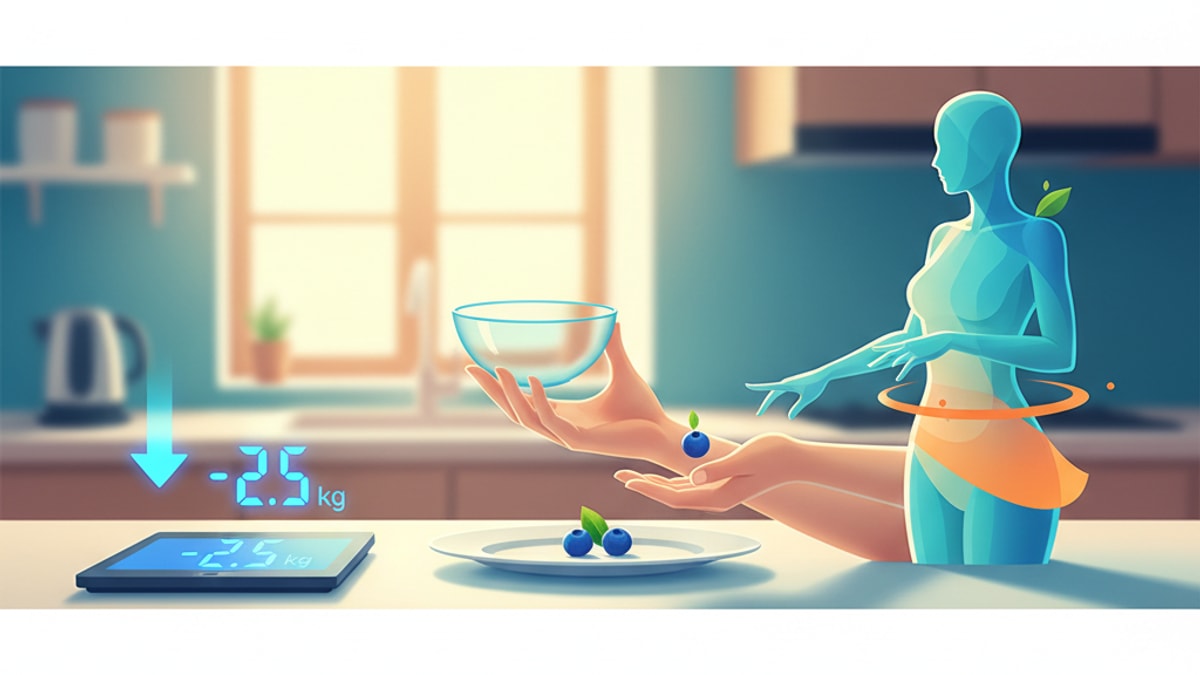
It’s the advice we’ve all heard a thousand times, from well-meaning relatives to glossy magazine covers: “Just eat less.” On the surface, the logic seems impeccable. It’s simple physics, a basic equation of energy in versus energy out. And for a while, it might even work. But if you’re here, you probably already know the truth. It's rarely that simple.
Our team has worked with countless individuals who are frustrated, exhausted, and feel like they’ve failed because this simple rule didn’t deliver lasting results. They did everything they were told. They counted every calorie, turned down dessert, and endured the gnawing hunger, only to see the scale stall and the weight creep back on. The reality is, the human body is not a simple calculator. It’s a complex, adaptive survival machine, and when it senses deprivation, it fights back. And it fights hard. This post is about understanding that fight and learning how to work with your biology, not against it.
The Simple Math That Isn't So Simple
The foundation of all weight loss is the calorie deficit. You must expend more energy than you consume. There’s no getting around that fundamental principle. This is often called CICO, or “Calories In, Calories Out.” When you consistently maintain a calorie deficit, your body turns to its stored energy reserves—primarily fat—to make up the difference. That’s the theory.
Simple, right?
But the body is a dynamic system. The “Calories Out” side of the equation isn’t a fixed number. It’s influenced by your basal metabolic rate (BMR), the energy you burn at rest; the thermic effect of food (TEF), the energy used to digest what you eat; and your physical activity. When you dramatically cut the “Calories In,” your body makes some clever, and often frustrating, adjustments to the “Calories Out” side to conserve energy. This is a phenomenon known as metabolic adaptation or adaptive thermogenesis. Your body, sensing a famine, slows everything down. Your BMR drops, meaning you burn fewer calories just by existing. You might feel colder, more sluggish, and less motivated to move. Your body is trying to protect you. It's a survival mechanism honed over millennia. It doesn't know you're trying to fit into a certain pair of jeans; it thinks you're starving.
Why "Just Eating Less" Can Backfire Horribly
When you focus solely on severe restriction, you trigger a cascade of physiological and psychological responses that can make sustained weight loss a formidable, moving-target objective. We've seen this pattern play out time and time again. It’s a predictable, and preventable, cycle.
First, the hormonal onslaught begins. Ghrelin, often called the ‘hunger hormone,’ skyrockets, sending relentless signals to your brain to eat. Simultaneously, leptin, the hormone that tells you you’re full and satisfied, plummets. You’re left fighting a two-front war against your own biology: you’re ravenously hungry and never truly feel full. It’s a grueling battle of willpower, and willpower is a finite resource. Sooner or later, for most people, the dam breaks.
Then there's the issue of muscle loss. When you’re in a significant calorie deficit without paying close attention to your protein intake and resistance training, your body doesn't just burn fat. It also breaks down metabolically active muscle tissue for energy. This is catastrophic for long-term weight management. Why? Because muscle burns more calories at rest than fat does. Every pound of muscle you lose further lowers your metabolic rate, making it even harder to maintain a calorie deficit. It’s an insidious cycle: you eat less, lose muscle, your metabolism slows, so you have to eat even less to see results, which leads to more muscle loss. It’s a path that leads directly to a plateau.
And let’s be honest about the psychological toll. Constantly denying yourself, feeling deprived, and obsessing over every morsel of food is mentally exhausting. It can strain relationships, kill spontaneity, and lead to a state of burnout where the only escape seems to be a full-blown binge. This isn't a personal failing; it's a predictable outcome of an unsustainable strategy.
Quality Over Quantity: The Missing Piece of the Puzzle
Here’s what we’ve learned after years of focusing on the science of weight management: focusing exclusively on how much you eat is a flawed approach. The quality of your calories is a critical, non-negotiable element of success.
Think about it. 200 calories from a sugary soda and 200 calories from grilled chicken breast have wildly different effects on your body. The soda provides a quick spike in blood sugar, followed by a crash, leaving you hungry again in no time. It offers zero nutritional value. The chicken breast, on the other hand, is packed with protein. Protein is highly satiating, meaning it keeps you feeling fuller for longer. It also has a higher thermic effect of food, so your body burns more calories just digesting it. Most importantly, adequate protein intake is essential for preserving that precious, metabolism-boosting muscle mass during weight loss.
Our experience shows that shifting the focus from pure calorie counting to prioritizing nutrient density is a game-changer. This means building your meals around lean proteins, healthy fats, and fiber-rich vegetables. These foods help manage hunger naturally, stabilize blood sugar, and provide the vitamins and minerals your body needs to function optimally. You end up creating a calorie deficit without the constant feeling of deprivation because you’re genuinely nourishing your body. It's a more intelligent, more sustainable way to approach the question of “eating less.” You are, in fact, eating less energy, but you’re not starving your body of what it actually needs.
A Tale of Two Approaches
To truly understand the difference, let's compare two hypothetical weight loss strategies. One is based on pure calorie restriction, and the other is based on hormonal and metabolic science. We see clients come to us from the first camp all the time, and our goal is to move them into the second.
| Feature | Approach 1: Severe Calorie Restriction | Approach 2: Nutrient-Dense & Hormonally Aware |
|---|---|---|
| Primary Focus | Cutting total calories (e.g., 1200/day) | Optimizing macronutrients (protein, fat, fiber) |
| Typical Foods | "Diet" foods, low-fat snacks, rice cakes, large salads with little protein | Lean meats, fish, eggs, avocados, nuts, fibrous vegetables |
| Hunger Levels | High and constant due to ghrelin spikes | Managed and stable due to high satiety from protein and fat |
| Energy Levels | Often low, sluggish, and prone to crashes | Stable and consistent throughout the day |
| Muscle Mass | High risk of significant muscle loss | Muscle preservation is a primary goal via high protein intake |
| Metabolic Impact | Significant metabolic slowdown (adaptation) | Minimal metabolic slowdown; BMR is protected |
| Sustainability | Very low; high rates of burnout and rebound weight gain | High; creates a lifestyle that feels satisfying and manageable |
| Psychological State | Feelings of deprivation, obsession, and failure | Feelings of empowerment, nourishment, and control |
Looking at this, the choice seems obvious. Yet, the vast majority of the diet industry pushes people toward the first column because it’s simple to market. It's a numbers game. But your health isn't just a numbers game. It's biology.
The Biology of Hunger: Your Body's Built-In Resistance
Now, this is where it gets interesting. For many people struggling with significant weight loss, there’s an even deeper biological factor at play. The system of hormones that regulates hunger and fullness—the one we’ve been talking about with ghrelin and leptin—can become dysregulated. Years of dieting, metabolic shifts, or genetic predispositions can make this internal communication system less effective.
One of the key players in this system is a group of hormones called incretins, most notably Glucagon-Like Peptide-1 (GLP-1). When you eat, your gut releases GLP-1. This powerful hormone does a few amazing things: it tells your pancreas to release the right amount of insulin, it slows down how quickly your stomach empties (keeping you feeling full), and it sends a powerful signal to your brain’s appetite center that you are satisfied. It’s a core part of your body’s natural appetite control system.
Here's the problem: in many individuals with obesity, this GLP-1 signaling can be impaired. The signal is weaker, or the brain is more resistant to it. The result? You need to eat more food to feel the same level of satisfaction, and the feeling of fullness doesn't last as long. This makes “just eating less” an almost impossible, uphill battle against your own physiology. It’s like trying to drive with the emergency brake on. You can press the accelerator as hard as you want, but you’re fighting an immense amount of internal resistance.
When Biology Needs a Co-Pilot: The Role of GLP-1 Medications
This is where modern medicine and biotechnology have created a monumental shift. We now have tools that can work with your body’s biology to fix this broken signaling system. At TrimrX, this is our area of expertise. We utilize medically-supervised treatments with FDA-registered GLP-1 medications like Semaglutide and Tirzepatide.
We need to be crystal clear about this: these medications are not magic “fat melters” or simplistic appetite suppressants. They are sophisticated biological tools. They work by mimicking your body’s natural GLP-1 hormone, effectively amplifying that “I’m full and satisfied” signal in your brain. They help restore the communication that was broken. By doing this, they fundamentally change the experience of creating a calorie deficit.
The constant, gnawing hunger subsides. The mental food chatter quiets down. You can eat a smaller, appropriate portion of food and feel genuinely satisfied. Suddenly, making healthier food choices isn't an act of supreme willpower; it becomes the natural, easier choice. This approach allows you to achieve a calorie deficit without the brutal physical and psychological side effects of old-school restrictive dieting. You're no longer fighting your body. You're finally working in harmony with it. If this biological battle sounds painfully familiar, it might be time to see if you're a candidate. It's easy to find out if this approach could be right for you when you Take Quiz on our site.
Building a Sustainable Strategy (That Actually Works)
So, does eating less cause weight loss? The definitive answer is yes, but only when it’s part of a larger, smarter strategy. A calorie deficit is the prerequisite, but how you achieve and maintain that deficit is what separates fleeting results from lasting transformation.
Our team recommends a comprehensive approach. We've found that using a tool like a GLP-1 medication to regulate your biology is the first critical step for those who need it. It levels the playing field. But it's what you build on that foundation that ensures your success.
Here’s what that looks like:
- Prioritize Protein: We can't stress this enough. Aim for a significant portion of your daily calories to come from lean protein sources. This will protect your muscle mass, keep you full, and support a healthy metabolism.
- Incorporate Strength Training: Don't be afraid to lift weights. Building or at least maintaining muscle is your number one defense against metabolic slowdown. Two to three sessions a week can make a dramatic difference.
- Focus on Whole Foods: Fill your plate with foods that are as close to their natural state as possible. Vegetables, fruits, lean meats, and healthy fats provide the micronutrients and fiber that support overall health.
- Manage Your Sleep and Stress: Lack of sleep and chronic stress wreak havoc on your hormones, particularly cortisol, which can drive hunger and fat storage. These are not luxury items; they are essential components of weight management.
This integrated approach—addressing the biology with medical support while building sustainable, healthy habits—is what truly works. It’s about creating an environment where your body no longer feels like it's under attack. If you're ready to stop the cycle of restriction and rebound, we're here to help you get started. You can Start Your Treatment and begin building a new, more effective path forward.
So let's revisit the original question. The simple act of eating less, in isolation, is a recipe for failure for most people. It ignores the complex, adaptive nature of human biology. But eating less as a natural result of a well-regulated appetite, supported by nutrient-dense food and healthy lifestyle habits? That’s not just a strategy for weight loss. That’s the key to long-term health and freedom from the diet cycle.
Frequently Asked Questions
Is it true that eating too little can stop weight loss?
▼
Yes, this can happen due to metabolic adaptation. When you severely restrict calories for a long time, your body slows down its metabolism to conserve energy, which can cause your weight loss to plateau or stall completely.
How do GLP-1 medications help you eat less?
▼
GLP-1 medications like Semaglutide work by mimicking a natural hormone that signals fullness to your brain. This quiets food-related thoughts and helps you feel satisfied with smaller portions, making it easier to maintain a calorie deficit without constant hunger.
Will I just regain the weight if I stop eating less?
▼
If ‘eating less’ is achieved only through extreme willpower and restriction, rebound weight gain is very common. The goal of a sustainable plan, like one supported by our programs at TrimrX, is to change your body’s baseline hunger cues and build habits that last.
What’s more important for weight loss: cutting calories or cutting carbs?
▼
A calorie deficit is essential for any weight loss. However, focusing on the *quality* of those calories by reducing refined carbs and prioritizing protein often makes achieving that deficit much easier and more sustainable by managing hunger and preserving muscle.
How much protein should I eat when trying to lose weight?
▼
While individual needs vary, a general guideline our team often suggests is aiming for 1.2 to 1.6 grams of protein per kilogram of your target body weight. This helps maximize satiety and protect against muscle loss during a calorie deficit.
Can I lose weight by eating less without exercising?
▼
Yes, you can lose weight through diet alone since weight loss is primarily driven by a calorie deficit. However, we strongly recommend incorporating exercise, especially strength training, to preserve muscle mass, boost your metabolism, and improve overall health.
Why do I feel so hungry all the time when I diet?
▼
When you cut calories, your body increases the production of the hunger hormone ghrelin and decreases the fullness hormone leptin. This is a natural survival response, but it can make dieting feel like a constant battle against your own biology.
Does eating less automatically mean my metabolism will slow down?
▼
Some degree of metabolic adaptation is normal during weight loss. However, you can minimize this effect by avoiding crash diets, eating plenty of protein, and incorporating regular strength training to maintain your muscle mass.
Is it safe to use medications like Tirzepatide to help me eat less?
▼
When prescribed and monitored by qualified medical professionals, FDA-registered medications like Tirzepatide are a safe and effective tool for weight management. At TrimrX, all our treatments are medically supervised to ensure patient safety and efficacy.
How long does it take to see results from eating less?
▼
You may see initial results within the first week or two, often due to water loss. However, a safe and sustainable rate of fat loss is typically 1-2 pounds per week. Consistency is far more important than speed.
What is the biggest mistake people make when trying to eat less?
▼
In our experience, the biggest mistake is focusing only on quantity while ignoring quality. Eating 1,500 calories of nutrient-poor, processed foods will leave you hungry and malnourished compared to 1,500 calories of protein, healthy fats, and fiber.

Transforming Lives, One Step at a Time
Keep reading

Do You Need a Prescription for GLP-1s? The 2026 Answer
Wondering ‘do you need a prescription for glp 1’ in 2026? Yes. We explain why a doctor’s oversight is critical for safe, effective results.

How to Get GLP-1 Covered By Insurance: Our 2026 Playbook
Struggling with how to get glp-1 covered by insurance? Our 2026 guide breaks down prior authorizations, appeals, and documentation.

Traveling with GLP-1s in 2026: Your Essential Trip-Proof Plan
Don’t let travel disrupt your GLP-1 treatment. Learn how to travel with glp 1 medications safely and stress-free in our 2026 expert guide.


