Escitalopram and Weight: Does It Really Cause Weight Loss?
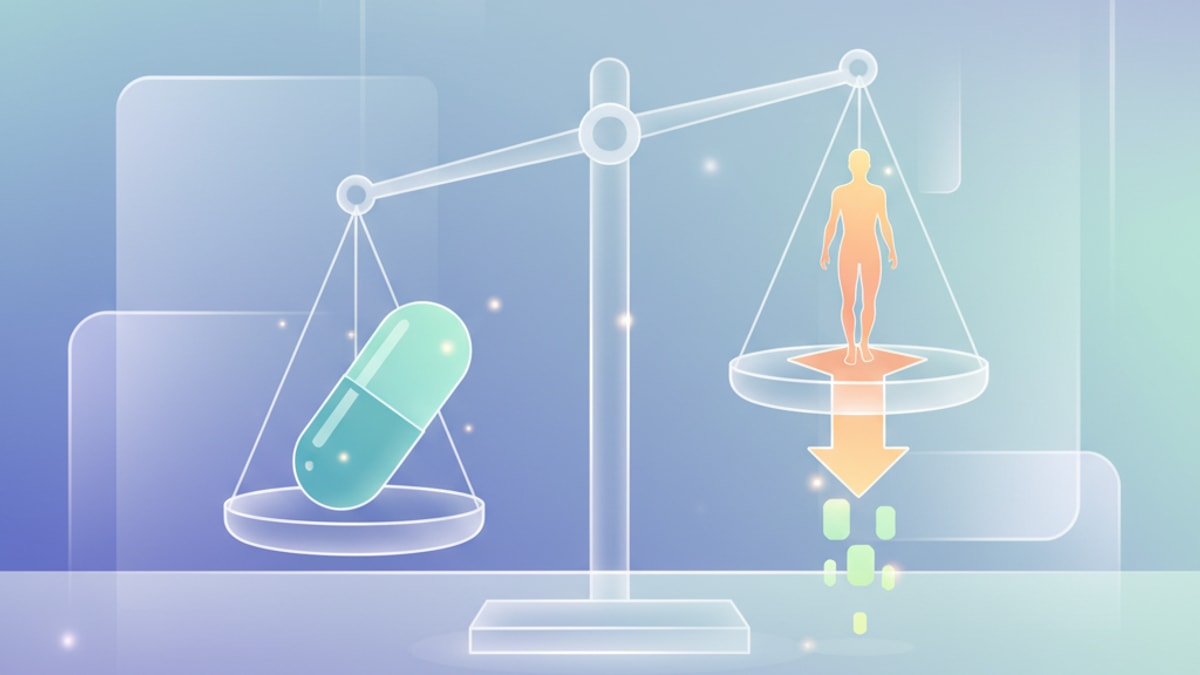
It’s one of the most common questions we hear from people navigating their mental and physical health journeys. You start a medication like escitalopram to feel better, to manage anxiety or depression, and then a new worry creeps in: what will this do to my body? Specifically, your weight. The internet is a sprawling maze of conflicting anecdotes—some people claim they shed pounds, while others report significant weight gain. So, what's the real story?
Our team at TrimrX works at the intersection of metabolic science and patient care every single day. We've seen firsthand how interconnected mental wellness and metabolic health are. The question, "does escitaloprám cause weight loss?" isn't a simple yes or no. The answer is far more nuanced, rooted in biochemistry, treatment duration, and individual responses. We're here to cut through the noise and give you an unflinching, expert look at what’s really going on.
First Things First: What is Escitalopram?
Before we dive into its effects on weight, let's get a clear picture of the medication itself. Escitalopram, often known by its brand name Lexapro, is a selective serotonin reuptake inhibitor, or SSRI. It's one of the most widely prescribed antidepressants in the world, primarily used to treat major depressive disorder and generalized anxiety disorder.
Its job is to increase the levels of serotonin in the brain. Serotonin is a neurotransmitter—a chemical messenger that nerves use to communicate with one another. It plays a massive role in regulating mood, sleep, and, crucially for this discussion, appetite. By blocking the reabsorption (or 'reuptake') of serotonin into neurons, escitalopram leaves more of this mood-boosting chemical available in the synaptic space between neurons. The result? For many, it's a significant improvement in mood and a reduction in anxiety. It’s a powerful tool. But its influence doesn't stop in the brain.
The Short-Term Story: Can Escitalopram Cause Weight Loss?
Here’s where some of the confusion starts. When people first begin taking escitalopram, a small percentage do experience weight loss. This is almost always a temporary, short-term side effect.
Why does this happen? The initial introduction of an SSRI can sometimes throw your gastrointestinal system for a loop. Common side effects during the first few weeks can include:
- Nausea: Feeling queasy is a surefire way to lose your appetite.
- Decreased Appetite: The initial shift in serotonin levels can directly suppress hunger signals for some individuals.
- Dry Mouth: This can make eating less appealing.
- Diarrhea: This can lead to temporary fluid and weight loss.
So, yes, it’s technically possible to lose a few pounds when you first start. But we can't stress this enough: this is not a sustainable or healthy weight loss mechanism. It's your body adjusting to a new medication, and these side effects typically fade within a few weeks as your system acclimates. Using escitalopram with the goal of losing weight would be both ineffective and medically unsound. The primary objective is always mental wellness.
The More Common Long-Term Reality: Weight Gain
Now, let's talk about the much more common scenario our team observes with long-term SSRI use. Over months and years, a significant number of people taking escitalopram find themselves gaining weight. It's often a slow, creeping change that can be incredibly frustrating, especially when you're finally feeling better mentally.
This isn't just a coincidence. There are several powerful biological and behavioral mechanisms at play.
First, there's the direct impact on appetite regulation. Remember how depression and anxiety can often crush your appetite? When escitalopram effectively treats these conditions, it can lead to a 'return' of your normal appetite. You simply start enjoying food again. This isn't a side effect so much as a sign the medication is working as intended to restore your overall well-being. But it can feel like a sudden urge to eat more.
Beyond that, long-term serotonin modulation can directly increase cravings, particularly for carbohydrates. Think sweets and starches. Serotonin is synthesized from the amino acid tryptophan, and carbohydrate consumption can increase the transport of tryptophan to the brain. Your brain might start subconsciously pushing you toward carb-rich foods to support this process. It’s a complex feedback loop.
Second, there's a potential for subtle metabolic shifts. While the research is still evolving, some studies suggest that long-term SSRI use might slightly alter the body's metabolic rate or how it processes fats and sugars. This doesn't mean your metabolism grinds to a halt. It’s a much more subtle effect—a slight downward shift that, when combined with an increased appetite over a long period, makes weight gain more likely and weight loss a truly formidable challenge.
Finally, we have to consider behavioral factors. When you’re no longer crippled by depression or anxiety, your life changes. You might go out to dinner with friends more often. You might have the energy to cook enjoyable meals instead of just grabbing whatever is easiest. These positive life changes can also contribute to an increase in calorie consumption.
It's a perfect storm: a restored appetite, potential carb cravings, a slightly altered metabolic landscape, and a more active social life. None of these things are bad—in fact, most are signs of recovery! But together, they create an environment where weight gain can happen easily.
How Escitalopram Compares to Other Antidepressants
Not all antidepressants are created equal when it comes to weight. Some have a much higher propensity for causing weight gain, while others are considered relatively weight-neutral or may even be associated with weight loss. Our experience shows that understanding these differences is key for patients and their doctors when making treatment decisions.
Here’s a breakdown of how escitalopram stacks up against other common medications. This is crucial information.
| Medication | Class | Common Impact on Weight | Our Team's Observation |
|---|---|---|---|
| Escitalopram | SSRI | Low to moderate risk of weight gain with long-term use. Initial, temporary weight loss is possible but rare. | A very common pattern. Patients often report a slow, steady gain of 5-15 pounds over the first year, which can be difficult to reverse with diet and exercise alone. |
| Paroxetine | SSRI | High risk of weight gain. Often considered one of the most likely SSRIs to cause this side effect. | In our professional experience, this medication has the strongest association with significant weight gain within the SSRI class. It's a frequent concern for patients. |
| Fluoxetine | SSRI | Often associated with initial weight loss, but can lead to weight regain or slight gain with long-term use. | It's often seen as more 'weight-neutral' than others, but 'neutral' doesn't mean 'no effect.' The long-term picture can still involve a slight upward trend. |
| Sertraline | SSRI | Moderate risk of weight gain, generally considered to be similar to or slightly less than escitalopram. | The effect is highly variable among individuals. Some people experience no weight changes, while others have a similar experience to those on escitalopram. |
| Bupropion | NDRI | Often associated with weight loss. It works on dopamine and norepinephrine, not serotonin. | This is often a go-to for clinicians when weight gain from an SSRI becomes a significant issue for a patient. Its stimulating properties can suppress appetite. |
| Mirtazapine | TeCA | Very high risk of significant weight gain. It's known for strongly increasing appetite and cravings for carbs. | This medication is sometimes prescribed off-label specifically to stimulate appetite in underweight individuals. The weight effect is pronounced and predictable. |
This isn't about labeling medications as 'good' or 'bad.' It's about being informed. The right medication for you is the one that best manages your mental health symptoms with the most tolerable side effect profile. Full stop.
Managing Your Health Holistically: What Can You Do?
So you're on escitalopram, you're feeling better mentally, but you're watching the number on the scale tick upward. It can feel disheartening, like you're trading one problem for another. But you are not powerless here.
Let’s be honest, this is crucial. You have options and strategies to take back control. The first and most important rule is this: never, ever stop taking your prescribed medication or change your dose without speaking to your doctor. Abruptly stopping an SSRI can lead to discontinuation syndrome and a potential relapse of depression or anxiety. Your mental health is the priority.
With that non-negotiable rule in place, here are the proactive steps our team recommends for managing your weight while on escitalopram:
-
Open Communication is Key: Talk to your prescribing doctor. Be honest about your concerns. They need to know about all side effects, including weight gain. They can help you determine if the gain is within an expected range, discuss strategies, or, if necessary, explore alternative medications like those in the table above.
-
Focus on Nutrient-Dense Foods: Combat carb cravings by prioritizing protein, fiber, and healthy fats. These nutrients promote satiety—the feeling of fullness—which can help you manage an increased appetite. A handful of almonds is going to serve you much better than a handful of crackers when a craving strikes.
-
Incorporate Consistent Movement: You don't need to start training for a marathon. The goal is consistency. Find an activity you enjoy, whether it's walking, swimming, dancing, or lifting weights. Regular physical activity helps offset potential metabolic slowing, improves insulin sensitivity, and is also a fantastic mood booster in its own right.
-
Monitor and Track: Knowledge is power. Keep a simple journal of your weight, mood, energy levels, and food intake. This can help you and your doctor identify patterns and see the bigger picture. Are you eating more on days your mood is lower? Is the weight gain steady or sporadic? Data helps drive better decisions.
When Diet and Exercise Aren't Enough
For some people, the strategies above are enough to maintain a healthy weight. But for many others, it’s not that simple. The metabolic and hormonal shifts caused by medication—or other underlying conditions—can create a biological headwind that makes weight loss feel nearly impossible, no matter how clean you eat or how much you exercise.
This is a reality we see every day at TrimrX. It’s not a failure of willpower. It's a physiological challenge that often requires a medical solution.
This is where modern medical advancements have become a game-changer. For individuals struggling with persistent weight gain that resists traditional methods, medically-supervised treatments using GLP-1 medications like Semaglutide and Tirzepatide can offer a powerful path forward. These treatments don't just tell you to 'eat less.' They work on a biological level to address the root causes of weight gain.
GLP-1s work by mimicking a natural gut hormone that regulates appetite and blood sugar. They send signals to your brain that you're full, which helps to naturally reduce calorie intake without the constant, draining battle against hunger. They also slow down digestion and improve how your body uses insulin. It's a comprehensive approach that targets the very metabolic pathways that can be disrupted by factors like SSRI use.
Let’s be perfectly clear: this isn't about replacing your mental health treatment. It's about adding a tool to your toolkit. It's about recognizing that your physical health is inextricably linked to your mental health. Feeling good in your body—having energy, reducing the health risks associated with excess weight—is a massive component of overall well-being. If you've been doing everything right and still feel stuck, it may not be your strategy that’s wrong; it may be that you need a more powerful, medically-guided approach. If this resonates with you, we encourage you to explore your options. You can see if you're a candidate by taking our quick quiz.
The journey to holistic health means addressing all the pieces of the puzzle. You deserve to feel good, both mentally and physically. If medication-induced weight gain is standing in your way, know that there are sophisticated, effective solutions available. It might be time to Start Your Treatment and get the comprehensive support you need.
Ultimately, the conversation around escitalopram and weight isn't really about weight loss. While a tiny fraction of users might see a temporary dip on the scale, the far more significant and lasting conversation is about managing potential weight gain. It's about being proactive, staying informed, and building a healthcare team that listens to all of your concerns. Your mental health is paramount, and finding a way to support it without sacrificing your physical health is the ultimate goal. And today, with the right strategies and medical support, that goal is more achievable than ever.
Frequently Asked Questions
How soon can weight changes happen after starting escitalopram?
▼
Initial side effects like nausea and decreased appetite can cause minor weight loss within the first few weeks. However, the more common effect of weight gain is typically a gradual process that becomes noticeable after several months of consistent use.
Is the weight gain from escitalopram permanent?
▼
The weight gain is not necessarily permanent, but it can be very difficult to reverse while still on the medication due to its effects on appetite and metabolism. After discontinuing the medication under a doctor’s supervision, many people find it easier to return to their baseline weight with lifestyle changes.
Does the dosage of escitalopram affect the likelihood of weight gain?
▼
While there is some correlation, the effect is highly individual. Some people may experience weight gain on a low dose, while others on a high dose may not. The primary factor is your unique biological response to the medication’s long-term effects on serotonin.
Can I switch to a different antidepressant to avoid weight gain?
▼
Yes, this is a common strategy discussed with a healthcare provider. Medications like Bupropion are often associated with weight loss or are weight-neutral, and may be an option if weight gain from an SSRI is a significant concern. Never make this change on your own.
Will exercise prevent weight gain on escitalopram?
▼
Regular exercise is incredibly beneficial for both mental and physical health and can help mitigate weight gain. However, for some individuals, the medication’s impact on appetite and metabolism may still lead to weight gain even with a consistent exercise routine.
Why does escitalopram make me crave carbohydrates?
▼
Serotonin, the neurotransmitter targeted by escitalopram, is synthesized from an amino acid found in food. Your brain may drive cravings for carbohydrates as they can help increase the availability of this amino acid, essentially trying to support the serotonin-boosting process.
Is it more likely for men or women to gain weight on escitalopram?
▼
Our team has observed that weight changes can affect anyone, regardless of gender. Individual metabolism, genetics, lifestyle, and the underlying reasons for taking the medication play a much larger role than gender alone.
If I lost weight at first, will I eventually gain it back?
▼
It’s quite possible. The initial weight loss is typically due to temporary side effects like nausea. Once your body adjusts and those effects subside, the long-term mechanisms that can lead to weight gain—like increased appetite—may take over.
Can medical weight loss treatments like GLP-1s be used with escitalopram?
▼
Yes, many people safely use GLP-1 medications alongside their antidepressant treatment. It’s a way to manage metabolic health and weight while ensuring mental health remains the priority. This must always be done under the supervision of a qualified medical team.
Does escitalopram slow down your metabolism?
▼
The research suggests it may cause a subtle slowing of the metabolic rate in some individuals over the long term. It’s not a drastic change, but combined with an increased appetite, this small shift can contribute to gradual weight gain over time.
What’s the average amount of weight gain seen with escitalopram?
▼
There is no official ‘average’ as it varies wildly. However, clinical observations suggest that a gain of 5 to 15 pounds over the first year of treatment is a common experience for those who are affected.
Will my appetite ever go back to normal while on the medication?
▼
For many, the increased appetite becomes their ‘new normal’ while on the medication. Managing this often requires conscious lifestyle strategies, such as focusing on high-protein and high-fiber foods to promote feelings of fullness and satiety.

Transforming Lives, One Step at a Time
Keep reading

Is Bupropion an SSRI or a Different Antidepressant?
A lot of people ask the same question at some point: is bupropion an SSRI? It usually comes up after hearing about medications like…

Do You Need a Prescription for GLP-1s? The 2026 Answer
Wondering ‘do you need a prescription for glp 1’ in 2026? Yes. We explain why a doctor’s oversight is critical for safe, effective results.

How to Get GLP-1 Covered By Insurance: Our 2026 Playbook
Struggling with how to get glp-1 covered by insurance? Our 2026 guide breaks down prior authorizations, appeals, and documentation.


