The Real Role of Fiber in Weight Loss: Our Expert Take
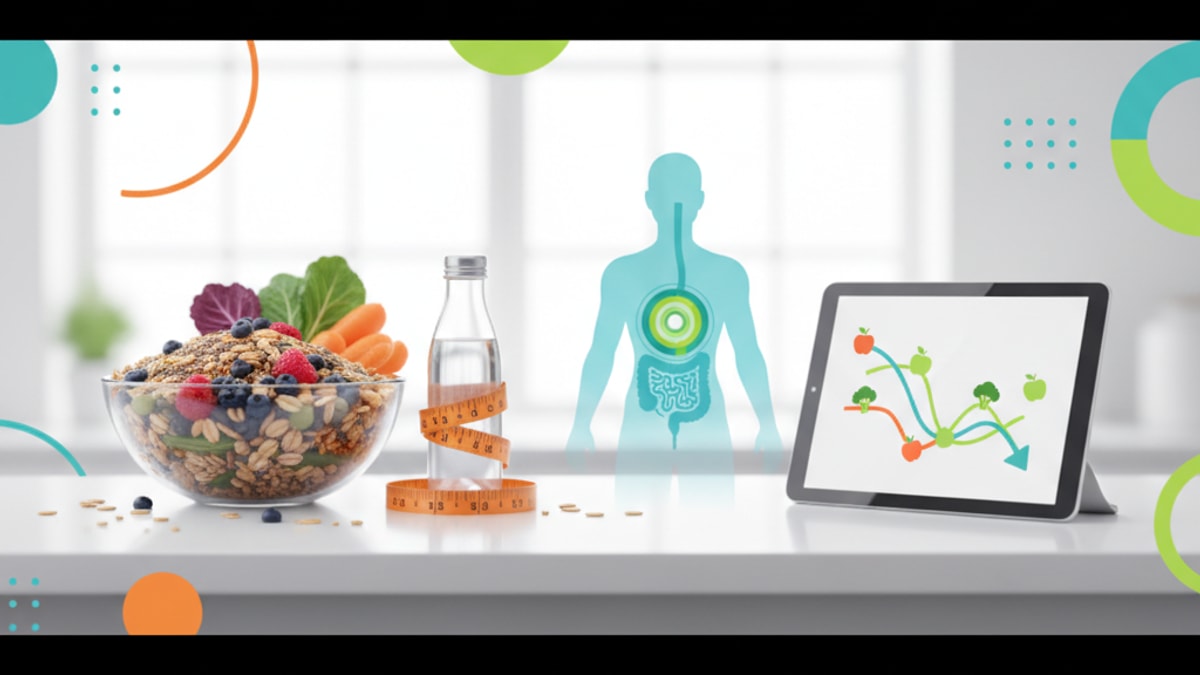
Let's be honest. The world of weight loss advice is a sprawling, often contradictory landscape. One day, carbohydrates are the enemy; the next, it's all about healthy fats. It’s exhausting. But through all the noise, one piece of advice remains remarkably consistent from nutritionists, doctors, and researchers alike: eat more fiber. It's the steadfast recommendation that never seems to go out of style. So, the question we hear all the time is a simple one: does fiber help with weight loss? For real?
The answer is a resounding yes, but probably not for the simple, one-dimensional reason you think. It's not just about 'feeling full.' The role of fiber in weight management is a complex, multi-faceted process that impacts your hormones, your gut health, and even your long-term metabolic function. Our team at TrimRx has spent years guiding patients through medically-supervised weight loss, and we've seen firsthand how a strategic approach to fiber can dramatically accelerate and sustain results. It's a critical, non-negotiable element of a successful journey.
Let's Get Clear: What Exactly Is Fiber?
Before we dive into the 'how,' we need to get on the same page about the 'what.' When we talk about fiber, we're not talking about one single thing. Fiber is a type of carbohydrate that your body can't digest. Instead of being broken down into sugar molecules, it passes through your digestive system largely intact. But its journey is far from passive. Think of it as an active participant in your digestive process. It's doing important work the whole way down.
Fiber is generally categorized into two main types, and knowing the difference is crucial:
-
Soluble Fiber: This type dissolves in water to form a thick, gel-like substance in your digestive tract. Imagine it like a sponge, soaking up water and expanding. This gel is a powerhouse for weight management. It slows down how quickly your stomach empties, which is a game-changer for feeling full and satisfied for hours after a meal. This is the type of fiber found in foods like oats, barley, nuts, seeds, beans, lentils, and some fruits and vegetables like apples and carrots.
-
Insoluble Fiber: This type does not dissolve in water. Think of it as a 'bulking agent' or a 'digestive broom.' Its main job is to add bulk to your stool and help move things along your digestive tract, promoting regularity. While it doesn't have the same direct 'gelling' effect on satiety as soluble fiber, it's absolutely vital for gut health and preventing constipation—an issue we sometimes see patients navigate, especially when starting new dietary protocols or medications. You'll find it in whole grains, nuts, and vegetables like cauliflower, green beans, and potatoes.
Most plant-based foods contain a mix of both soluble and insoluble fiber, so you don't need to get bogged down in a microscopic analysis of every meal. The key takeaway is that a diet rich in a variety of plant foods ensures you're getting the benefits of both. This distinction becomes incredibly important when we look at the specific mechanisms that drive weight loss.
The Science of Fullness: How Fiber Cues Your Brain to Stop Eating
This is the benefit most people know about. Eating fiber helps you feel full, so you eat less. Simple, right? But the science behind why it makes you feel full is far more interesting and powerful than that simple statement suggests.
First, there's the physical aspect. As soluble fiber forms that gel in your stomach, it literally takes up space and slows down gastric emptying. Your food sits in your stomach for longer. This sends signals to your brain via stretch receptors in your stomach wall, telling it, 'Hey, we're full down here. No need for more food right now.' It’s a direct, physical cue that powerfully curbs appetite. This isn't just a feeling; it's a physiological fact.
But it gets even more nuanced. That slower digestion also means a more gradual release of nutrients, including glucose, into your bloodstream. This prevents the sharp blood sugar spikes and subsequent crashes that often lead to intense cravings, energy slumps, and a frantic search for another snack just an hour or two after eating. By stabilizing your blood sugar, fiber provides steady, sustained energy, which makes sticking to a calorie deficit infinitely more manageable. It moves weight loss from a battle of willpower to a matter of biochemistry.
And here’s where it gets really interesting for us at TrimRx. The presence of food in the gut, especially slowly-digesting food bulked up by fiber, triggers the release of satiety hormones. One of the most important of these is GLP-1 (glucagon-like peptide-1). This hormone acts on the brain to reduce appetite and signals the pancreas to release insulin. Sound familiar? It should. Our medically-supervised treatments using medications like Semaglutide and Tirzepatide are built around mimicking and amplifying the effects of this very hormone. Fiber is nature's way of stimulating GLP-1 release. So, when you combine a high-fiber diet with a GLP-1 medication, you're creating a powerful, synergistic effect on appetite control. You're attacking the problem from two different, complementary angles.
Beyond Satiety: The Hidden World of Your Gut Microbiome
If slowing digestion is the short-term win, what happens in your gut is the long-term victory. This is an area of science that has exploded in recent years, and our understanding of its impact on weight is constantly evolving. Your large intestine is home to trillions of bacteria, collectively known as your gut microbiome. Think of it as a complex, bustling ecosystem that influences everything from your immune system to your mood and, critically, your metabolism.
Here’s the thing: you can't feed this ecosystem with steak or cheese. These bacteria thrive on what you can't digest—fiber. Specifically, soluble fibers and other fermentable carbohydrates are their primary food source. They're prebiotics.
When these beneficial gut bacteria ferment fiber, they produce a range of beneficial compounds, most notably short-chain fatty acids (SCFAs) like butyrate, acetate, and propionate. These aren't just waste products; they are potent metabolic molecules. Our team can't stress this enough: the health of your gut is directly tied to your ability to manage your weight effectively. SCFAs play a formidable role in this process.
They help strengthen the lining of your gut, reducing inflammation throughout your body. Chronic, low-grade inflammation is a known driver of insulin resistance and obesity. By taming that inflammation, you're creating a more favorable metabolic environment for weight loss. Furthermore, these SCFAs can enter your bloodstream and travel to various parts of your body, influencing appetite and energy expenditure. They can even cross the blood-brain barrier to signal satiety directly to your brain. It's a secondary, more sustained level of appetite control that complements the immediate feeling of fullness from the stomach.
A healthy, fiber-fed microbiome also appears to influence how your body harvests energy from food. Research suggests that the composition of your gut bacteria can impact how many calories you absorb from a given meal. A gut dominated by the 'right' kinds of bacteria may be more efficient at partitioning nutrients toward use and less toward storage as fat. While more research is needed, the evidence is compelling. By neglecting fiber, you are effectively starving the very allies that can make your weight loss journey easier and more sustainable.
Fiber & Modern Treatments: A Powerful Partnership
This brings us to a crucial point, one we discuss with our patients every single day. How does all this fit in with a modern, medically-supervised weight loss program like the ones we offer at TrimRx? Is fiber still important when you're using powerful tools like Semaglutide or Tirzepatide?
It’s not just important; it’s essential.
As we mentioned, GLP-1 medications work by slowing down gastric emptying to promote fullness. This is one of their primary mechanisms of action. A diet rich in fiber complements this perfectly. The gelling action of soluble fiber enhances this effect, leading to profound and lasting satiety. Our experience shows that patients who prioritize fiber intake report feeling more comfortable, satisfied, and in control of their hunger on lower doses of medication.
Moreover, one of the most common side effects of GLP-1 medications can be changes in bowel habits, including constipation, due to that very slowing of the digestive system. This is where insoluble fiber becomes your best friend. It provides the necessary bulk to keep things moving regularly and comfortably. A proactive approach to fiber and hydration can often mitigate these side effects entirely, leading to a much better treatment experience. It's a simple, foundational strategy that makes a world of difference.
We see it as creating the ideal internal environment for the medication to do its best work. The treatment helps regulate the hormonal signals of hunger and satiety, while a high-fiber diet provides the physical bulk and gut-health benefits to support that process from the ground up. They are two parts of a holistic system. Trying to achieve lasting weight loss without addressing fiber intake is like building a house without a solid foundation. It might stand for a while, but it’s vulnerable. If you're curious about how a comprehensive, medically-guided approach could work for you, we invite you to Take Quiz to see if you're a candidate for our program.
Making It Happen: Simple Strategies to Increase Your Fiber Intake
Knowing fiber is important is one thing. Actually incorporating it into a busy life is another. It doesn't have to be complicated. The goal is progress, not perfection. Our team recommends aiming for 25 grams per day for women and 38 grams for men, but any increase from the typical diet is a win. The key is to do it gradually to allow your digestive system to adapt.
Here are some practical, real-world tips:
- Start Your Day Strong: Swap your usual cereal for oatmeal or add a tablespoon of chia seeds or ground flaxseed to a smoothie or yogurt.
- Go for Whole Grains: Choose 100% whole-wheat bread, brown rice, quinoa, and whole-grain pasta over their refined white counterparts.
- Lean into Legumes: Beans, lentils, and chickpeas are fiber superstars. Add them to soups, salads, or substitute them for meat in a dish once or twice a week.
- Snack Smart: Instead of reaching for chips or crackers, grab a handful of almonds, an apple (with the skin!), or some baby carrots with hummus.
- Don't Peel Your Produce: The skins of many fruits and vegetables, like potatoes, apples, and cucumbers, are packed with fiber.
To make it even clearer, here’s a quick comparison of some excellent fiber sources we often recommend:
| Fiber Source | Predominant Type | Grams per Serving (Approx.) | Pro Tip from Our Team |
|---|---|---|---|
| Chia Seeds | Soluble | 10g per 2 tbsp | Mix with water or milk to form a pudding. It's an incredibly easy and versatile option. |
| Lentils | Both | 8g per 1/2 cup, cooked | A fantastic base for soups and salads. They cook quickly and absorb flavors well. |
| Raspberries | Both | 8g per 1 cup | One of the highest-fiber fruits. Great on their own, in yogurt, or in smoothies. |
| Avocado | Both | 7g per 1/2 avocado | Adds healthy fats and a creamy texture along with a significant fiber boost. |
| Broccoli | Insoluble | 5g per 1 cup, chopped | Lightly steam or roast it to make it easier to digest than eating it raw. |
| Whole Almonds | Both | 4g per 1/4 cup | A perfect, portable snack that provides fiber, protein, and healthy fats for satiety. |
The Common Fiber Pitfalls We See Every Day
As with any dietary change, there are a few common stumbling blocks. We've seen them all, and they're easily avoidable with a little foresight.
First is the 'too much, too soon' problem. If you go from eating 10 grams of fiber a day to 40 grams overnight, your digestive system is going to protest. You'll likely experience gas, bloating, and discomfort. The solution is simple: increase your intake gradually over several weeks. Add one high-fiber food at a time and let your body adjust.
Second, and this is a big one, is forgetting about water. We can't stress this enough: fiber needs water to do its job. Soluble fiber needs it to form that beneficial gel, and insoluble fiber needs it to help move things through your system. If you dramatically increase your fiber intake without increasing your water intake, you can actually make constipation worse. So, as you add more fiber, make sure you're drinking plenty of fluids throughout the day.
Finally, beware of the 'health halo' on processed foods. You'll see cereal bars, crackers, and yogurts fortified with isolated fibers like inulin or polydextrose, screaming 'High Fiber!' on the label. While these can contribute to your daily total, they're not a substitute for the real deal. Whole foods provide a matrix of fiber, vitamins, minerals, and phytonutrients that work together synergistically. A fiber-fortified cookie is still a cookie. Prioritize fiber from whole, unprocessed plant foods first.
So, does fiber help with weight loss? Absolutely. It’s not a magic pill, but it is a profoundly effective tool that works on multiple physiological levels—from physically filling your stomach to fundamentally shifting your gut health for the better. It is one of the most reliable, evidence-backed strategies for creating a sustainable calorie deficit without feeling constantly deprived.
For those on a dedicated weight loss path, especially one supported by advanced medical treatments, fiber isn't just an optional add-on; it's a foundational pillar that enhances results and improves the overall experience. It’s about building a body that is not just lighter, but healthier and more resilient from the inside out. If you're ready to combine powerful nutritional strategies with a medically-supervised plan, it might be time to Start Your Treatment Now.
Frequently Asked Questions
How much fiber do I really need per day for weight loss?
▼
We recommend aiming for the general guidelines of 25 grams for women and 38 grams for men. For weight loss, consistency is more important than hitting a perfect number, so focus on gradually increasing your intake from your current level.
Can I just take a fiber supplement instead of eating high-fiber foods?
▼
While supplements can help bridge a gap, they shouldn’t be your primary source. Whole foods provide a mix of fiber types plus essential vitamins, minerals, and phytonutrients that you won’t get from a powder. We always recommend a food-first approach.
Will eating a lot of fiber cause bloating and gas?
▼
It can, especially if you increase your intake too quickly. To avoid this, add high-fiber foods into your diet gradually over a few weeks and be sure to drink plenty of water. This gives your digestive system time to adapt.
What’s the difference between soluble and insoluble fiber for weight loss?
▼
Soluble fiber forms a gel that slows digestion and promotes fullness, which is a direct aid for appetite control. Insoluble fiber adds bulk and promotes regularity, which is crucial for gut health and managing side effects of some weight loss medications.
Does fiber ‘cancel out’ calories or carbs?
▼
Not directly. Since your body can’t digest it, you don’t absorb calories from fiber itself. However, its main benefit comes from making you feel full on fewer calories and stabilizing blood sugar, which indirectly helps you consume less overall.
Can increasing my fiber intake help with belly fat specifically?
▼
While you can’t spot-reduce fat, studies have shown a strong correlation between higher soluble fiber intake and reduced visceral fat (the dangerous fat around your organs). This is likely due to fiber’s role in improving insulin sensitivity and reducing overall inflammation.
How does fiber interact with GLP-1 medications like Semaglutide?
▼
Fiber is a powerful partner to GLP-1 medications. It enhances the medication’s effect on satiety by adding physical bulk and slowing digestion further. It also helps manage potential side effects like constipation by promoting regularity.
Is it better to get my fiber in the morning or throughout the day?
▼
It’s best to spread your fiber intake throughout the day. This helps maintain stable blood sugar and satiety levels from morning till night. Starting your day with a high-fiber breakfast, however, is a great strategy to set yourself up for success.
Are ‘high-fiber’ protein bars and snacks a good choice?
▼
They can be, but you have to read the labels carefully. Many are high in sugar, artificial sweeteners, or processed ingredients. We advise prioritizing fiber from whole foods and using these bars only as an occasional, convenient option.
How quickly will I notice a difference after increasing my fiber intake?
▼
You may notice improved satiety and better digestion within a few days. The longer-term benefits for weight loss and metabolic health build over weeks and months of consistent intake. It’s a marathon, not a sprint.
Which type of bean has the most fiber?
▼
Navy beans, black beans, and kidney beans are all excellent choices and very close in fiber content. A one-cup serving of cooked black beans has about 15 grams of fiber, which is a fantastic contribution to your daily goal.
Does cooking vegetables reduce their fiber content?
▼
No, cooking does not destroy fiber. In some cases, cooking can even make the fiber more accessible to your gut bacteria. The most important thing is simply to eat more vegetables, whether they’re raw, steamed, or roasted.

Transforming Lives, One Step at a Time
Keep reading

Do You Need a Prescription for GLP-1s? The 2026 Answer
Wondering ‘do you need a prescription for glp 1’ in 2026? Yes. We explain why a doctor’s oversight is critical for safe, effective results.

How to Get GLP-1 Covered By Insurance: Our 2026 Playbook
Struggling with how to get glp-1 covered by insurance? Our 2026 guide breaks down prior authorizations, appeals, and documentation.

Traveling with GLP-1s in 2026: Your Essential Trip-Proof Plan
Don’t let travel disrupt your GLP-1 treatment. Learn how to travel with glp 1 medications safely and stress-free in our 2026 expert guide.


