Does FSA Cover Semaglutide for Weight Loss?
Introduction
Managing the costs of modern weight loss treatments can feel like navigating a maze, especially when you are balancing a personal health budget with the rising prices of prescription care. If you have been setting aside pre-tax dollars in a Flexible Spending Account (FSA) or a Health Savings Account (HSA), you likely want to know if those funds can help you access semaglutide. At TrimRx, we understand that financial clarity is just as important as clinical support on your wellness journey. If you are just getting started, you can take the free assessment quiz to see whether a personalized program may be a fit. This post covers the specific rules regarding GLP-1 medications, the documentation you might need to secure coverage, and how our telehealth platform helps you navigate the process. For a related breakdown of reimbursement questions, our guide on FSA for compounded semaglutide is a helpful companion.
Understanding FSA and HSA Eligibility for Semaglutide
Quick Answer: Yes, semaglutide is generally eligible for FSA and HSA reimbursement when prescribed by a licensed healthcare provider to treat a diagnosed medical condition like obesity or type 2 diabetes. You will typically need a Letter of Medical Necessity (LMN) if the medication is specifically for weight loss.
The rules for using pre-tax health funds can feel complicated, which is why many readers start by checking eligibility with the assessment quiz before they move forward.
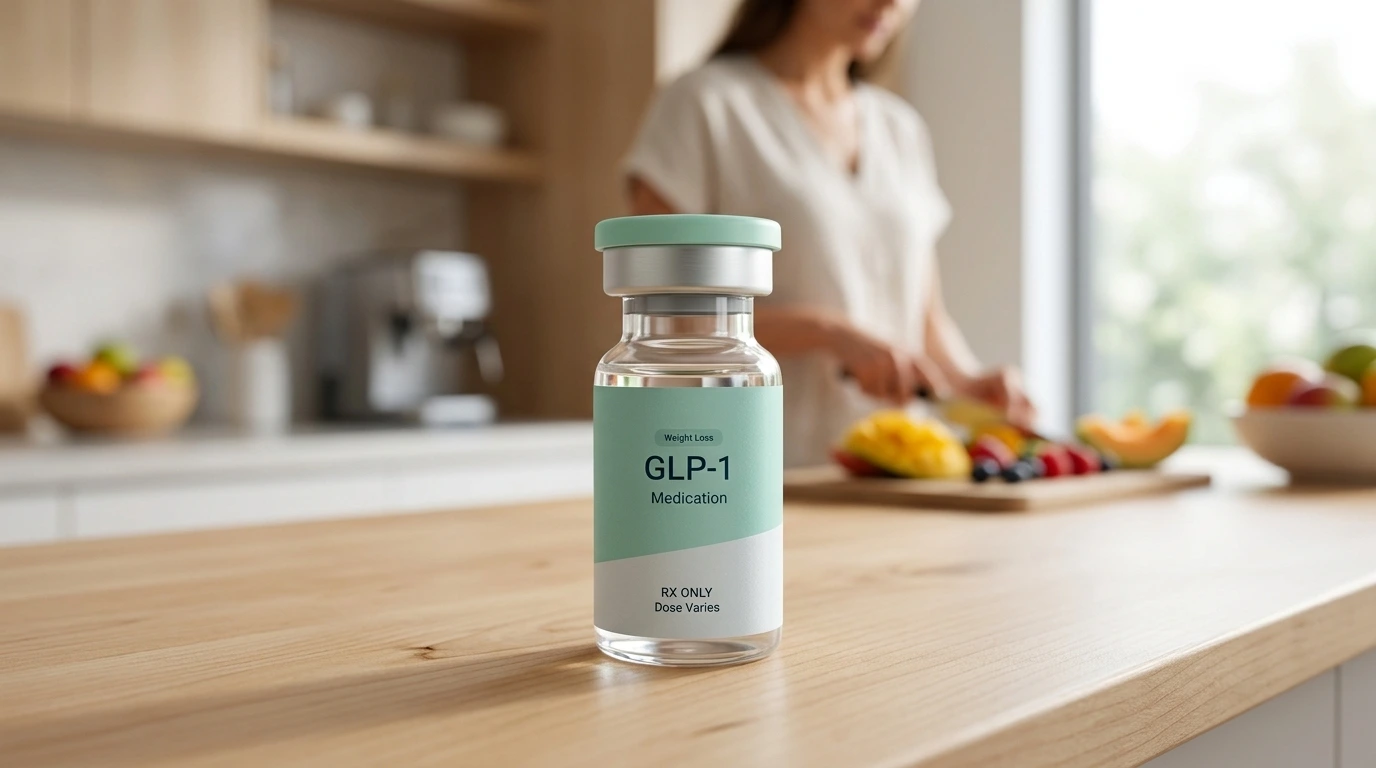
Semaglutide is a GLP-1 receptor agonist. This means it mimics a naturally occurring hormone called glucagon-like peptide-1. This hormone targets areas of the brain that regulate appetite and food intake. By mimicking this hormone, the medication can help you feel full sooner and reduce the “food noise” that often makes weight management difficult.
When a healthcare provider determines that this medication is necessary for your health, the cost of the prescription, as well as the associated clinical consultation fees, are usually considered eligible expenses. This applies to both the funds in an FSA, which are typically “use-it-or-lose-it” by the end of the year, and an HSA, which rolls over annually.
The Importance of the Letter of Medical Necessity
A Letter of Medical Necessity (LMN) is a formal document from your provider. It explains why a specific treatment is required to treat or prevent a medical condition. While a standard pharmacy receipt is often enough for medications used to treat type 2 diabetes, weight loss is sometimes viewed differently by plan administrators.
Some administrators may initially classify weight loss as “cosmetic” or “general wellness.” To ensure your claim is approved, an LMN bridges the gap between general wellness and medical treatment. It should include your diagnosis, such as a Body Mass Index (BMI) over a certain threshold, and any related health risks like high blood pressure or heart disease.
If you want a closer look at how this documentation process is discussed in practice, the post on how GLP-1 benefits and payment options work is worth reading.
Key Takeaway: An LMN acts as a vital insurance policy for your reimbursement. It proves to your plan administrator that your semaglutide treatment is a medical requirement rather than a lifestyle choice.
Qualifying Conditions for Coverage
IRS guidelines distinguish between “general health” and “medical care.” To use your FSA or HSA funds for semaglutide, the medication must be used to treat a specific ailment. Simply wanting to lose ten pounds for a summer vacation would not meet the threshold for medical necessity.
Common qualifying conditions for semaglutide include:
- Obesity: Typically defined as a BMI of 30 or higher.
- Overweight with Comorbidities: A BMI of 27 or higher along with at least one weight-related condition such as hypertension, high cholesterol, or sleep apnea.
- Type 2 Diabetes: Managing blood sugar levels is a primary use for certain versions of semaglutide.
- Insulin Resistance: Metabolic conditions that increase the risk of developing diabetes.
Always consult with a licensed healthcare provider to determine your eligibility. If you are unsure whether your profile fits, you can complete the free assessment quiz and review your options with a provider.
How the TrimRx Program Works with Your Benefits
Our platform is designed to make the clinical process straightforward. Because we operate via telehealth, you do not have to worry about waiting rooms or in-person visits. Our personalized programs include the medical consultation, the medication (if prescribed), and ongoing support.
Step 1: Complete the free assessment quiz.
This helps our partner providers understand your health history and weight loss goals.
Step 2: Connect with a licensed provider.
A medical professional reviews your profile to determine if you are a candidate for semaglutide or tirzepatide.
Step 3: Receive your personalized treatment plan.
If eligible, your prescription is sent through a regulated pharmacy process.
Step 4: Use your benefits for reimbursement.
After your purchase, you can download your itemized receipt and, if necessary, request the documentation needed to submit a claim to your FSA or HSA administrator.
For readers who want to understand the broader telehealth process first, our article on getting GLP-1 medication for weight loss explains the path from assessment to prescription.
Compounded vs. Branded Medications
It is essential to understand the difference between medication types. Branded medications like Ozempic® and Wegovy® are approved for specific uses. Ozempic® is used for type 2 diabetes, while Wegovy® is used for chronic weight management.
Due to high demand and shortages, many patients turn to compounded semaglutide. Compounded medications are prepared by licensed pharmacists at regulated compounding pharmacies.
Note: Compounded semaglutide and compounded tirzepatide are not approved in the same way branded medications are. However, they are prepared in pharmacies that follow strict federal and state guidelines to ensure quality and safety.
For a deeper look at access and telehealth delivery, the guide on getting GLP-1 online is a useful next step.
From a reimbursement standpoint, both branded and compounded versions of these medications are typically eligible for FSA or HSA spending, provided they are prescribed for a medical condition. The IRS does not distinguish between branded and compounded drugs for reimbursement, as long as the drug requires a prescription and is legally obtained.
Managing Your FSA Deadlines
FSA funds are subject to a strict timeline. Most Flexible Spending Accounts require you to spend your balance by December 31st of each year. Some plans offer a “grace period” or a small “rollover” amount, but the majority of your contributions must be used within the plan year.
If you are approaching the end of the year and have a significant balance, starting a medical weight loss program is a proactive way to invest in your long-term health. Because obesity is a chronic condition that requires sustained management, using these funds for a multi-month program can help you maximize your benefits before they expire.
HSA funds offer more flexibility. These accounts are not “use-it-or-lose-it.” The money stays in your account indefinitely and can even be invested. If you have an HSA, you can choose to pay for your program out-of-pocket and reimburse yourself from the account years later, provided you keep your receipts.
Common Myths About FSA and Weight Loss
Myth: “FSA only covers over-the-counter bandages and sunscreens.”
Fact: FSA funds cover a wide range of clinical services, including telehealth consultations and prescription medications like semaglutide.
Myth: “You can’t use FSA for compounded medications.”
Fact: As long as the medication is prescribed by a licensed provider for a medical reason, it is an eligible expense under IRS rules.
Myth: “I need to get approval from my insurance before using my HSA.”
Fact: HSA and FSA funds are your money. While the IRS sets the rules for what is eligible, you do not need prior authorization from a health insurance company to spend your own pre-tax dollars on a qualified medical expense.
If you want a broader overview of weight-loss prescribing options and eligibility, the article on GLP-1 for weight loss without diabetes is another helpful read.
Documentation Requirements for Claims
Keep every receipt and email confirmation. When you submit a claim to your FSA provider, they will look for specific pieces of information. If any of these are missing, your claim might be delayed or denied.
An eligible receipt must include:
- The name of the patient (you).
- The date of the service or the date the medication was dispensed.
- The name of the provider or pharmacy.
- A description of the service (e.g., “Medical Consultation” or “Prescription Medication”).
- The total amount paid.
If your plan administrator asks for more detail, provide the LMN. This document should explicitly state that the semaglutide is being used to treat a specific medical diagnosis. At TrimRx, we aim to provide the necessary transparency so you can manage your documentation with ease.
Why Choose a Telehealth Approach?
Telehealth removes the traditional barriers to care. In the past, seeking medical weight loss treatment meant taking time off work and navigating insurance hurdles at a doctor’s office. Our platform brings the clinic to you.
Personalized programs are essential because weight loss is not a one-size-fits-all journey. Your metabolic rate, hormonal balance, and medical history are unique. By using a telehealth platform, you get access to specialists who understand the nuances of GLP-1 medications and can provide ongoing support.
Key Takeaway: Utilizing your FSA or HSA for a telehealth-based program allows you to use pre-tax dollars for a comprehensive service that includes both the medication and the clinical oversight needed for safety.
Maximizing Your Metabolic Health
Weight loss is about more than the number on the scale. It is about reducing the risk of chronic diseases and improving your daily quality of life. GLP-1 medications like semaglutide are powerful tools, but they work best when integrated into a supportive program.
Our mission at TrimRx is to help you embrace a healthier lifestyle through science and empathy. We believe that financial barriers should not stand in the way of metabolic health. By using your FSA or HSA, you are effectively reducing the effective cost of your treatment while staying aligned with IRS rules.
Bottom line: Using pre-tax funds for semaglutide is one of the smartest ways to invest in your future self while staying compliant with IRS regulations.
Conclusion
Navigating the financial side of weight loss does not have to be overwhelming. If you have an FSA or HSA, those funds are a powerful resource that can make semaglutide-based treatments more accessible. By securing a Letter of Medical Necessity and choosing a supportive platform, you can confidently use your pre-tax dollars to treat obesity and related metabolic conditions. We are here to provide the clinical expertise and personalized care you need to succeed. The first step is simple: take our free assessment to see if you qualify for our program and start your journey toward sustainable weight management today.
FAQ
Does semaglutide require a Letter of Medical Necessity for FSA?
Yes, most FSA administrators require an LMN when semaglutide is prescribed for weight loss to prove it is a medical necessity rather than a cosmetic choice. If the medication is for type 2 diabetes, a standard prescription and receipt are usually sufficient. If you are still comparing your options, you can check eligibility with the free assessment quiz.
Can I use my FSA card directly at TrimRx?
While some FSA cards work like standard credit cards, others may be declined at checkout due to the way different banks categorize telehealth services. If your card is declined, you can typically pay with a regular card and submit your itemized receipt for manual reimbursement from your plan provider.
Are telehealth consultation fees covered by HSA?
Yes, fees paid to licensed healthcare providers for medical consultations are considered qualified medical expenses under IRS guidelines. This includes the clinical fees associated with the weight loss programs we offer.
What happens if my FSA claim for semaglutide is denied?
If a claim is denied, it is often due to a lack of documentation. You should check the denial reason, which is usually provided in your account portal, and then submit any missing information, such as an itemized receipt or a Letter of Medical Necessity from your provider.
Disclaimer: This content is for informational purposes only and does not constitute medical advice. It is not intended to diagnose, treat, cure, or prevent any disease or condition. Individual results may vary. Always consult a qualified healthcare professional before starting any weight loss program or medication.

Transforming Lives, One Step at a Time
Keep reading

Why Do I Taste Metal on Semaglutide?
A persistent metallic taste is a recognized experience on this medication, and the honest position is that the mechanism is not fully established. Altered…

What Does It Feel Like the First Time You Inject Semaglutide?
Less than almost everyone expects. The needle is very short and very fine, the injection takes a few seconds, and most people describe it…

Does the Color of Compounded Semaglutide Mean Anything?
Yes, and the useful version of that answer is narrow. Semaglutide solution should be clear and colorless, and a very faint yellow tint is…


