Does GLP-1 Require a Prescription?
Introduction
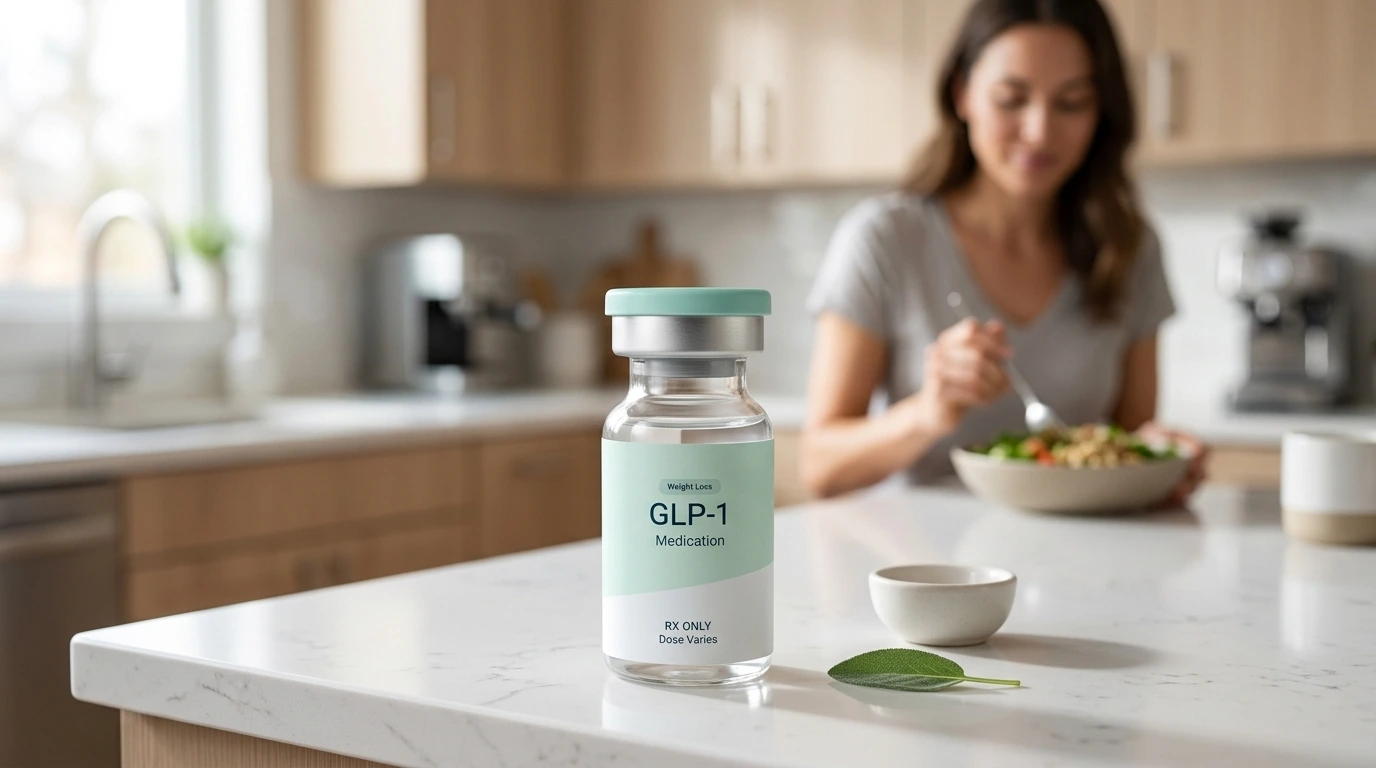
If you have spent years cycling through restrictive diets and exhausting exercise routines without seeing lasting results, you are not alone. The recent emergence of GLP-1 medications has offered a new sense of hope for many individuals navigating the complexities of weight management. However, as these treatments gain popularity, a common question arises: does GLP-1 require a prescription? The short answer is yes; these are powerful medical treatments that must be initiated and supervised by a licensed healthcare professional.
At TrimRx, we believe that understanding the “why” behind this requirement is essential for your safety and success. In this article, we will explore the medical reasons why a prescription is mandatory, the different types of GLP-1 options available, and how our platform facilitates a streamlined, telehealth-based path to personalized care. If you want to see the process in a broader context, read our how to get GLP-1 weight loss prescriptions online. Our goal is to equip you with the knowledge needed to take the next step in your health journey with confidence and clarity.
Why a Prescription Is Mandatory for GLP-1 Therapy
A glucagon-like peptide-1 (GLP-1) receptor agonist is a class of medication that mimics a natural hormone produced in your intestines. If you want a deeper explanation of the hormone itself, our guide on what GLP-1 is and how it works is a helpful place to start. Because these medications directly influence your metabolic system, they are classified as prescription-only drugs by the U.S. Food and Drug Administration (FDA). This classification ensures that a healthcare provider evaluates your medical history, current health status, and potential risk factors before you begin treatment.
Medical supervision is necessary because GLP-1 medications are not a “one-size-fits-all” solution. They require precise dosing and careful monitoring to manage how your body responds to the hormone-mimicking effects. A provider must confirm that the benefits of the medication outweigh any potential risks based on your unique health profile.
Furthermore, a prescription ensures that you are receiving legitimate medication from a licensed pharmacy. The rise in demand for weight loss treatments has unfortunately led to the emergence of unregulated, “over-the-counter” alternatives that may be unsafe or ineffective. If you want to compare that landscape with supplement-style options, our post on whether GLP-1 supplements work for weight loss offers a useful overview. By requiring a prescription, the medical community maintains a standard of care that prioritizes your long-term wellness over quick, unsupervised fixes.
The Biological Role of GLP-1
To understand why a doctor’s oversight is vital, it helps to understand what the GLP-1 hormone actually does in your body. Naturally occurring GLP-1 is released after you eat. It tells your pancreas to release insulin, which helps manage blood sugar. It also signals your brain to feel full and slows down the rate at which your stomach empties.
GLP-1 receptor agonists are designed to last much longer in the body than the natural hormone. While your body’s natural GLP-1 might disappear within minutes, these medications stay active for days or even a week. This prolonged effect is what makes them so effective for weight loss, but it is also why a provider must monitor your titration—the process of slowly increasing your dose—to ensure your system adapts safely.
Key Takeaway: GLP-1 medications are potent metabolic tools that alter hormone signaling. A prescription is the only way to ensure the medication is used safely, at the correct dosage, and under the guidance of a qualified professional.
Identifying the Different Types of GLP-1 Medications
When discussing GLP-1 treatments, it is important to distinguish between the various formats and brands available. For a side-by-side comparison, see our guide on semaglutide vs tirzepatide. Depending on your health needs and the results of a clinical assessment, a provider may recommend a branded medication or a compounded alternative.
Branded GLP-1 Medications
Several branded medications have received FDA approval for specific uses, such as the treatment of type 2 diabetes or chronic weight management. These include:
- Ozempic®: FDA-approved for the treatment of type 2 diabetes, though sometimes prescribed off-label for weight loss.
- Wegovy®: FDA-approved specifically for chronic weight management in adults with obesity or overweight and at least one weight-related condition.
- Mounjaro®: A dual-action medication (GLP-1 and GIP) approved for type 2 diabetes.
- Zepbound®: The same dual-action formula as Mounjaro®, but specifically FDA-approved for weight loss.
These medications are produced by large pharmaceutical manufacturers and are typically available through traditional retail pharmacies. While effective, they have frequently faced supply shortages, leading many patients to seek alternative ways to access their treatment.
Compounded GLP-1 Medications
Compounded Semaglutide and Compounded Tirzepatide are alternatives that are prepared by specialized compounding pharmacies. Compounding is the process of combining, mixing, or altering ingredients to create a medication tailored to the needs of an individual patient.
If you are comparing compounded options, our switching from semaglutide to tirzepatide guide can help explain how providers think about transitions. It is crucial to understand that compounded medications are not FDA-approved. However, they can be prepared by FDA-registered and inspected compounding pharmacies. These facilities must follow strict quality standards. Compounded options are often used when a patient has a specific allergy to an ingredient in a branded drug or when the branded versions are on the FDA’s official shortage list.
Understanding the Distinctions
| Feature | Branded Medications (e.g., Wegovy®) | Compounded Medications |
|---|---|---|
| FDA Status | FDA-approved for specific uses | Not FDA-approved |
| Source | Pharmaceutical manufacturers | Licensed compounding pharmacies |
| Availability | Subject to retail pharmacy stock | Prepared to order by compounders |
| Prescription | Required | Required |
Regardless of whether a medication is branded or compounded, the requirement for a prescription remains the same. You cannot legally or safely obtain these medications without a healthcare provider’s authorization.
The Risks of Bypassing a Prescription
In the search for easier access, some individuals may encounter websites or sellers offering GLP-1 “research chemicals” or products labeled “not for human consumption.” These products are extremely dangerous. Because they are not intended for use by people, they do not undergo the rigorous testing or quality control required for human medication.
Using these substances carries significant risks, including:
- Contamination: These products may contain bacteria, heavy metals, or other toxic substances.
- Incorrect Dosage: Without pharmaceutical-grade manufacturing, the actual amount of active ingredient may be much higher or lower than stated.
- Unknown Ingredients: Some “knock-off” products have been found to contain entirely different substances than what is listed on the label.
A prescription acts as a shield, connecting you to a regulated supply chain. At TrimRx, we prioritize this safety by connecting our members with licensed providers who only work with reputable, FDA-registered compounding pharmacies.
Determining Your Eligibility for GLP-1 Therapy
Not everyone who wants to lose weight is a candidate for GLP-1 therapy. Because these are clinical treatments, healthcare providers use specific criteria to determine if a patient is likely to benefit from the medication. If you want to find out where you stand, take the free assessment quiz.
Clinical Criteria for Weight Loss
Most providers follow guidelines that suggest GLP-1 medications for individuals who meet one of the following criteria:
- A Body Mass Index (BMI) of 30 or higher.
- A BMI of 27 or higher, combined with at least one weight-related health condition, such as high blood pressure, type 2 diabetes, or high cholesterol.
Beyond BMI, a provider will look at your medical history. Conditions such as a history of medullary thyroid carcinoma or Multiple Endocrine Neoplasia syndrome type 2 (MEN 2) are typically contraindications, meaning the medication would not be safe for you. This is another reason why the prescription process is so vital; a self-diagnosis could miss these critical safety markers.
The Role of Lifestyle Factors
A prescription for a GLP-1 is rarely given in isolation. It is meant to be a tool used alongside a reduced-calorie diet and increased physical activity. During your consultation, a provider will likely discuss your current lifestyle and help you set realistic goals for sustainable weight management.
Note: GLP-1 therapy is most effective when it is part of a comprehensive program that addresses nutrition, movement, and behavioral changes.
How the Telehealth Process Works
The traditional path to obtaining a prescription—scheduling a doctor’s appointment, sitting in a waiting room, and visiting a pharmacy—can be a significant barrier. Modern telehealth platforms have simplified this journey without compromising on medical standards. For a closer look at the online process, read our online GLP-1 prescription process.
Our approach focuses on making clinical care accessible from the comfort of your home. We use a structured, online process that ensures every patient receives the individual attention they need.
Step 1: The Initial Health Assessment
The first step is often a comprehensive health quiz or assessment. This is not just a formality; it is a clinical tool used to gather essential data about your health goals, your weight history, and any underlying medical conditions. This information provides the foundation for the healthcare provider’s review.
Step 2: Provider Review and Consultation
Once you complete your assessment, a licensed healthcare professional reviews your data. They look for potential contraindications and determine if a GLP-1 medication is the right fit for your metabolic health. In some cases, they may request lab work to get a clearer picture of your blood sugar levels and organ function.
Step 3: Personalized Treatment Plan
If the provider determines you are a candidate for the program, they will issue a prescription tailored to your needs. This plan includes the specific medication—such as Compounded Semaglutide—along with a titration schedule. Titration is the process of starting at a low dose and gradually increasing it to help your body adjust and minimize potential side effects like nausea. If your treatment changes later, our can you switch from semaglutide to tirzepatide guide explains how that transition is handled.
Step 4: Ongoing Support and Medication Delivery
Once the prescription is issued, the medication is prepared by a licensed pharmacy and shipped directly to your door. The journey does not end with the delivery; a telehealth program provides 24/7 access to specialists who can answer questions about dosing, side effects, or progress.
Bottom line: Telehealth provides a safe, clinical, and convenient way to receive a GLP-1 prescription without the hurdles of traditional in-person visits.
Managing Your GLP-1 Treatment Safely
Once you have your prescription and begin your treatment, the focus shifts to management. While GLP-1 medications are generally well-tolerated, they can cause digestive side effects as your body adapts. For a deeper breakdown, see our article on common GLP-1 side effects. Having a prescription means you have a medical team to help you navigate these moments.
Dealing with Common Side Effects
Most people experience mild side effects, such as nausea, diarrhea, or constipation, especially when they first start or increase their dose. A licensed provider can offer strategies to manage these, such as:
- Adjusting the timing of your dose.
- Modifying your diet to include smaller, more frequent meals.
- Ensuring proper hydration throughout the day.
If side effects become severe, your provider can adjust your titration schedule or discuss alternative options. This level of personalized care is impossible without a prescription and a dedicated support team.
Nutrient Support and GLP-1 Optimization
Because GLP-1 medications reduce your appetite, it is essential to ensure that the food you do eat is nutrient-dense. Some individuals choose to supplement their journey with targeted support.
For daily nutritional support, our GLP-1 Daily Support supplement is designed to fit alongside treatment.
If you are looking for energy support during weight loss, our Weight Loss Boost supplement is another option.
These supplements do not require a prescription and can be purchased directly. However, they are most effective when used as part of the broader, medically supervised program.
The Long-Term Vision of Personalized Weight Loss
Obtaining a prescription is the gateway to a more sustainable lifestyle. The goal of using a GLP-1 is not just to lose weight quickly, but to reset your body’s metabolic signals so you can maintain a healthy weight for the long term.
A personalized program takes into account that every body is different. What works for one person may not work for another. By utilizing a telehealth platform that combines clinical expertise with convenience, you are giving yourself the best chance at a successful transformation.
At TrimRx, our mission is to simplify this process. We provide a transparent, science-backed approach that removes the guesswork from weight loss. We believe that everyone deserves access to high-quality care, whether that involves branded medications filled at your local pharmacy or compounded options shipped from our partners.
Key Takeaway: Success with GLP-1 therapy is built on the foundation of medical guidance, personalized dosing, and consistent support.
Next Steps for Starting Your Journey
If you are ready to see if GLP-1 therapy is right for you, the path forward is clear. You do not need to wait weeks for a specialist appointment. You can take the free assessment quiz to start the process.
- Take the Free Assessment: Start by completing our clinical quiz. This is the first step toward getting your medical profile reviewed by a professional.
- Consult with a Provider: If eligible, you will be connected with a licensed healthcare professional who can issue the necessary prescription.
- Receive Your Medication: Your personalized treatment plan will be delivered directly to your home, along with all the supplies and instructions you need.
- Engage with Support: Use the 24/7 access to our team to stay on track and manage your progress effectively.
Conclusion
Understanding that GLP-1 medications require a prescription is the first step toward a safe and effective weight loss journey. This requirement exists to protect you, ensuring that these powerful metabolic tools are used under the watchful eye of a medical professional. Whether you are considering branded options like Wegovy® or personalized alternatives like Compounded Semaglutide, the clinical oversight provided by a prescription is non-negotiable for achieving sustainable results.
We are dedicated to helping you bridge the gap between where you are and where you want to be. By merging modern technology with clinical expertise, we provide a supportive, transparent platform that makes your health a priority. You don’t have to navigate the complexities of GLP-1 therapy alone. We are here to guide you through every step, from the initial assessment to your long-term maintenance goals. If you are ready to begin, take the free assessment quiz.
FAQ
Why can’t I buy GLP-1 medications over-the-counter?
GLP-1 medications are hormone-mimicking drugs that significantly affect your metabolism and blood sugar. Because they can cause serious side effects and have specific contraindications, the FDA requires a healthcare provider to assess your health and provide a prescription to ensure the treatment is safe for you.
Is a telehealth prescription as valid as one from an in-person doctor?
Yes, a prescription issued by a licensed healthcare provider through a telehealth platform like ours is medically and legally valid. The provider reviews your health data, medical history, and sometimes lab results to make an informed clinical decision, just as they would in a traditional office setting.
What is the difference between branded and compounded GLP-1s?
Branded medications like Wegovy® or Ozempic® are manufactured by pharmaceutical companies and are FDA-approved. Compounded medications are prepared by licensed pharmacies to meet specific patient needs or address shortages; they are not FDA-approved, but the pharmacies that make them must be FDA-registered and follow strict quality standards. If you want help comparing the two, our semaglutide vs tirzepatide guide can help frame the differences.
How do I know if I qualify for a GLP-1 prescription?
Generally, you may qualify if you have a BMI of 30 or higher, or a BMI of 27 or higher with a weight-related health condition like hypertension. The best way to determine your eligibility is to take our free assessment quiz, which a licensed provider will then review to see if the program is appropriate for your health profile.
Disclaimer: This content is for informational purposes only and does not constitute medical advice. It is not intended to diagnose, treat, cure, or prevent any disease or condition. Individual results may vary. Always consult a qualified healthcare professional before starting any weight loss program or medication.

Transforming Lives, One Step at a Time
Keep reading
Weight Loss Progress Tracker
Track your weight loss over time, see progress clearly, and stay motivated with simple charts, summaries, and goal-based insights.
How to Create a Personalized Adherence Plan
Build a one-page GLP-1 adherence plan: record dose, pick a weekly time, set reminders, log side effects, and review monthly.

Weight Loss Medication Dosage Calculator
Estimate weight loss medication doses by weight and drug type, with starting guidance, dose progression info, and a clear medical disclaimer.


