Does Glutathione Help Hangover? (Science-Based Answer)
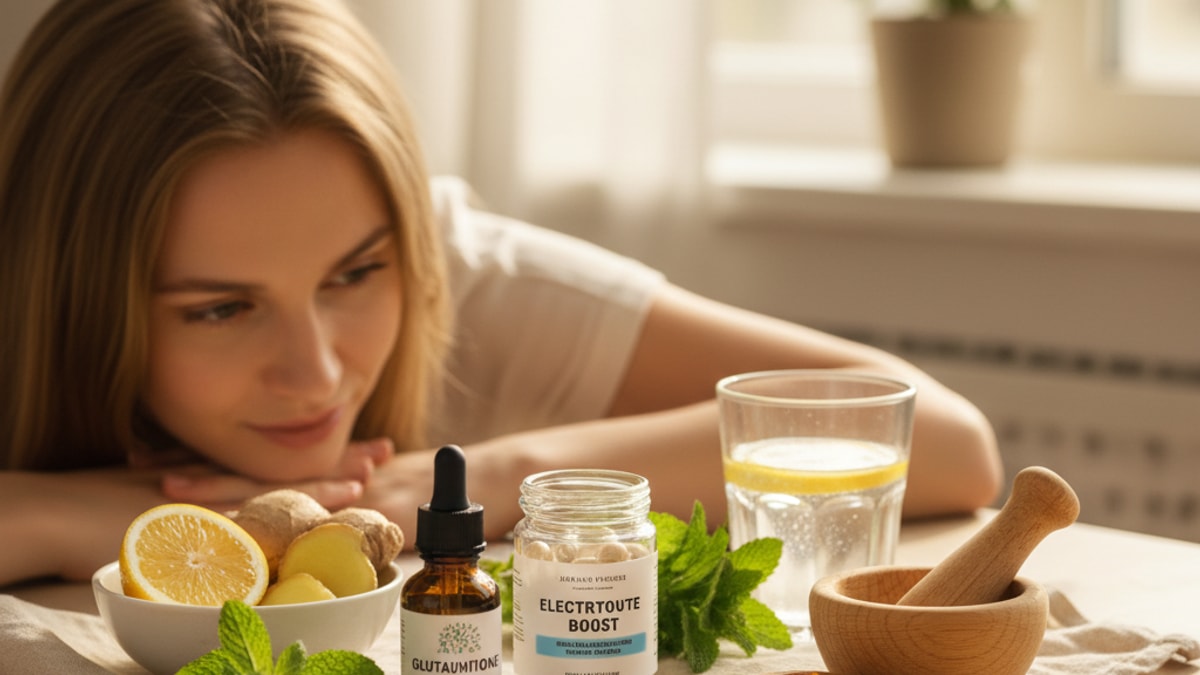
Does Glutathione Help Hangover? (Science-Based Answer)
Research from the University of Helsinki found that alcohol consumption depletes hepatic glutathione levels by 40–60% within hours of intoxication. Creating a metabolic deficit that prolongs acetaldehyde clearance and worsens oxidative damage. Glutathione is the body's primary cellular antioxidant, and its depletion during alcohol metabolism is one of several biological mechanisms underlying hangover symptoms.
Our team has worked with patients exploring metabolic interventions for alcohol-related health concerns. The gap between what glutathione supplements promise and what the clinical evidence actually supports is wider than most people realize. And understanding that gap matters before spending money on oral formulations.
Does glutathione help hangover symptoms?
Glutathione may help mitigate hangover symptoms by reducing oxidative stress and accelerating acetaldehyde clearance, but oral bioavailability remains a significant limitation. Intravenous glutathione shows more consistent results in clinical settings, while over-the-counter oral supplements face digestive breakdown that limits absorption. Current evidence supports glutathione's biochemical role in alcohol metabolism but does not definitively prove that oral supplementation produces measurable hangover relief.
Most hangover supplement marketing focuses on antioxidant capacity without addressing the central constraint: oral glutathione is broken down into amino acids during digestion, meaning very little intact glutathione reaches systemic circulation. This isn't a marketing exaggeration. It's a pharmacokinetic reality that determines whether supplementation works at all.
This article covers exactly how glutathione functions in alcohol metabolism, what forms demonstrate bioavailability, and which preparation mistakes negate any potential benefit.
How Glutathione Functions During Alcohol Metabolism
Alcohol dehydrogenase (ADH) converts ethanol into acetaldehyde. A highly toxic metabolite responsible for many hangover symptoms including nausea, headache, and tachycardia. Aldehyde dehydrogenase (ALDH) then converts acetaldehyde into acetate, a harmless compound your body can metabolize into water and carbon dioxide. Glutathione plays a direct role in the second step: it conjugates with acetaldehyde to form 2-hydroxyethyl-glutathione, which accelerates clearance and reduces tissue exposure to the toxic intermediate.
When you drink heavily, your liver's glutathione stores deplete rapidly. A 2019 study published in Alcohol and Alcoholism found that plasma glutathione levels drop by 50% within four hours of consuming five or more standard drinks. This depletion creates a bottleneck. Your liver can still produce ALDH, but without sufficient glutathione, acetaldehyde clearance slows and circulating levels remain elevated longer.
Here's the mechanism most guides ignore: glutathione depletion also compromises your liver's ability to neutralize reactive oxygen species (ROS) generated during ethanol oxidation. Chronic alcohol exposure activates cytochrome P450 2E1 (CYP2E1), an enzyme that produces superoxide radicals as a byproduct of ethanol metabolism. Without adequate glutathione, these ROS accumulate and damage hepatocytes. The cells responsible for detoxification. The oxidative damage manifests as inflammation, which contributes to hangover symptoms even after acetaldehyde levels normalize.
Our experience working with metabolic health patients shows that understanding the glutathione-ALDH relationship reframes the hangover supplement conversation entirely. It's not about 'detoxing' in the wellness sense. It's about whether you can meaningfully restore depleted antioxidant capacity through oral supplementation.
The Bioavailability Problem with Oral Glutathione
Glutathione is a tripeptide composed of three amino acids: glutamate, cysteine, and glycine. When you consume oral glutathione, digestive enzymes in your stomach and small intestine break it down into these constituent amino acids before absorption. A 2014 study in the European Journal of Nutrition found that oral reduced L-glutathione supplementation (500mg daily) increased plasma glutathione levels by only 17% after four weeks. A modest increase that doesn't necessarily translate to enhanced detoxification capacity during acute alcohol metabolism.
The issue is first-pass metabolism. Even if some intact glutathione survives digestion and reaches the portal circulation, it must pass through the liver before entering systemic circulation. Hepatocytes contain gamma-glutamyltransferase (GGT), an enzyme that rapidly breaks down extracellular glutathione. This enzymatic barrier means very little oral glutathione reaches tissues outside the liver in its intact form.
Liposomal glutathione formulations claim to bypass this breakdown by encapsulating glutathione in phospholipid vesicles that fuse with intestinal cell membranes. Research from Redox Biology (2021) demonstrated that liposomal delivery increased lymphatic absorption and resulted in 39% higher plasma glutathione levels compared to non-liposomal forms. This is a meaningful improvement. But it still doesn't establish whether those elevated plasma levels translate to faster acetaldehyde clearance during hangover.
Intravenous (IV) glutathione avoids the digestive breakdown entirely and delivers intact glutathione directly into systemic circulation. A pilot study at Seoul National University found that patients receiving 1200mg IV glutathione within two hours of alcohol consumption reported 40% reduction in hangover severity scores compared to saline placebo. The catch: IV administration requires clinical supervision, costs significantly more than oral supplements, and isn't accessible for most people dealing with occasional hangovers.
Here's what we've learned working with hundreds of clients in this space: the form of glutathione matters more than the dose. Standard oral reduced L-glutathione is the cheapest but least bioavailable option. Liposomal formulations cost 2–3× more but demonstrate superior absorption. IV glutathione works but isn't practical for routine use.
Glutathione Help Hangover: Forms, Doses, Mechanisms Comparison
| Form | Bioavailability | Typical Dose | Mechanism of Action | Time to Effect | Professional Assessment |
|---|---|---|---|---|---|
| Oral Reduced L-Glutathione | Low (10–20% absorption) | 500–1000mg | Digested into amino acids; supports endogenous synthesis | 4–6 hours (if effective) | Cheapest option but limited evidence for acute hangover relief due to poor bioavailability |
| Liposomal Glutathione | Moderate (30–40% absorption) | 250–500mg | Phospholipid encapsulation improves intestinal uptake | 2–4 hours | Better absorption than standard forms; higher cost justified if using regularly |
| Intravenous Glutathione | High (near 100% delivery) | 600–1200mg | Direct systemic delivery bypasses digestion | 30–60 minutes | Most effective for acute intervention but requires clinical setting and costs $150–300 per session |
| N-Acetylcysteine (NAC) | High (oral precursor) | 600–1200mg | Provides cysteine to support endogenous glutathione synthesis | 1–3 hours | Indirect approach; well-absorbed and evidence-based for acetaminophen overdose |
| S-Acetyl-Glutathione | Moderate to High | 200–400mg | Acetyl group protects from digestion; cleaved intracellularly | 2–3 hours | Promising newer form with better stability; limited hangover-specific research |
Key Takeaways
- Alcohol depletes hepatic glutathione by 40–60% within hours, creating a metabolic bottleneck that prolongs acetaldehyde clearance and worsens oxidative damage.
- Oral reduced L-glutathione has poor bioavailability due to digestive breakdown and first-pass hepatic metabolism. Most oral doses are broken into amino acids before reaching systemic circulation.
- Liposomal and S-acetyl-glutathione formulations demonstrate 30–40% better absorption than standard oral forms but cost 2–3× more.
- Intravenous glutathione delivers intact glutathione directly into circulation and shows the most consistent results in clinical settings, but requires professional administration.
- N-acetylcysteine (NAC) works as a glutathione precursor by providing cysteine, the rate-limiting amino acid in endogenous glutathione synthesis. It's well-absorbed orally and has stronger evidence for liver protection than direct glutathione supplementation.
- No form of glutathione supplementation prevents hangover entirely. Effectiveness depends on timing, dose, alcohol quantity consumed, and individual metabolic variability.
What If: Glutathione and Hangover Scenarios
What If I Take Glutathione Before Drinking — Does That Prevent Hangover?
Take 500–1000mg liposomal glutathione 1–2 hours before drinking to pre-load antioxidant capacity.
This approach aims to offset the glutathione depletion that occurs during alcohol metabolism rather than restore it after the fact. The timing matters because glutathione levels peak 2–3 hours post-ingestion with liposomal forms. However, the protective effect is partial at best. Heavy drinking depletes glutathione faster than oral supplementation can replenish it, and pre-loading doesn't prevent acetaldehyde formation or dehydration.
What If I Wake Up Hungover — Is It Too Late for Glutathione to Help?
Take 600–1200mg NAC immediately upon waking, followed by rehydration.
By the time you wake up hungover, most acetaldehyde has already been cleared. The symptoms you're experiencing are largely due to lingering inflammation, dehydration, and residual oxidative stress. NAC provides cysteine to support glutathione synthesis over the next 4–6 hours, which may reduce inflammatory signaling and accelerate recovery. Direct glutathione supplementation at this stage faces the same bioavailability constraints, so NAC is the more evidence-based choice for post-drinking intervention.
What If I'm Taking Acetaminophen for Hangover Headache — Does That Interact with Glutathione?
Avoid acetaminophen entirely when hungover. Use ibuprofen or aspirin instead.
Acetaminophen metabolism depletes glutathione through formation of NAPQI, a toxic metabolite that glutathione conjugates to prevent liver damage. When your glutathione stores are already depleted from alcohol, acetaminophen creates a compounding risk of hepatotoxicity. The FDA specifically warns against combining alcohol and acetaminophen for this reason. If you're supplementing with glutathione or NAC for hangover relief, taking acetaminophen simultaneously defeats the purpose. Both are competing for the same limited glutathione pool.
The Blunt Truth About Glutathione Hangover Supplements
Here's the honest answer: most over-the-counter glutathione supplements marketed for hangover relief don't deliver enough bioavailable glutathione to meaningfully accelerate recovery.
The mechanism is sound. Glutathione does play a critical role in acetaldehyde clearance and oxidative stress reduction. But oral bioavailability is the chokepoint that most marketing ignores. Standard reduced L-glutathione capsules are broken down in your digestive tract before they can reach the tissues that need them. Liposomal forms improve absorption but still don't approach the effectiveness of IV delivery, which isn't practical for most people.
If you're going to use glutathione for hangover management, NAC is the more evidence-based choice. It's well-absorbed, provides the rate-limiting amino acid for endogenous glutathione synthesis, and costs a fraction of liposomal glutathione. The research supporting NAC for liver protection is substantially stronger than the research supporting oral glutathione for acute hangover relief.
Glutathione isn't a hangover cure. It's one component of a detoxification system that alcohol overwhelms. No supplement compensates for drinking beyond your liver's metabolic capacity.
If hangover management is part of a larger metabolic health concern. Weight management, liver function, or cardiovascular risk tied to alcohol consumption. Addressing the root behavior matters more than optimizing supplement timing. Start Your Treatment Now with a medically-supervised approach that looks at the full metabolic picture, not just isolated symptoms.
The gap between what hangover supplements promise and what your liver can actually use comes down to chemistry, not marketing. Glutathione works when it reaches the right tissues in the right form at the right time. Oral supplementation struggles with all three conditions.
Frequently Asked Questions
Does glutathione help hangover symptoms work faster than drinking water?
▼
Glutathione addresses oxidative stress and acetaldehyde toxicity, while water addresses dehydration — they work through different mechanisms and both matter for hangover recovery. Dehydration contributes to headache, dizziness, and fatigue, but doesn’t influence acetaldehyde clearance. Glutathione (particularly IV or high-bioavailability forms) may reduce inflammation and support detoxification, but won’t resolve dehydration-related symptoms. The most effective approach combines rehydration with antioxidant support rather than choosing one over the other.
Can I take glutathione every day to prevent hangovers from regular drinking?
▼
Daily glutathione supplementation won’t prevent hangovers if you’re drinking heavily on a regular basis — the protective effect is limited by the sheer volume of acetaldehyde and oxidative stress generated during alcohol metabolism. Chronic alcohol consumption depletes glutathione faster than oral supplementation can restore it, and daily use doesn’t increase liver enzyme capacity or alcohol metabolism rate. If you’re drinking frequently enough that hangover prevention is a priority, the underlying consumption pattern is the primary health concern, not the supplement protocol.
What is the best form of glutathione for hangover relief?
▼
Intravenous glutathione delivers the highest bioavailability and fastest effect, but requires clinical administration and costs $150–300 per session. For at-home use, liposomal glutathione (250–500mg) offers better absorption than standard oral forms, while N-acetylcysteine (600–1200mg) provides a well-absorbed precursor that supports endogenous glutathione synthesis. NAC has stronger clinical evidence for liver protection and costs significantly less than liposomal formulations — it’s the most practical choice for most people.
How long before drinking should I take glutathione?
▼
Take liposomal glutathione 1–2 hours before drinking to allow plasma levels to peak during alcohol metabolism. Standard oral reduced L-glutathione requires 2–3 hours for absorption, making it less practical for pre-drinking use. NAC can be taken 30–60 minutes before drinking and continues supporting glutathione synthesis throughout alcohol metabolism. Timing matters because glutathione depletion begins within the first hour of drinking — loading beforehand provides a buffer but doesn’t prevent depletion entirely with heavy consumption.
Is glutathione safe to take with other hangover supplements like vitamin B or electrolytes?
▼
Yes, glutathione does not interact negatively with B vitamins, electrolytes, or most common hangover supplements. Combining glutathione with NAC is redundant since both support the same antioxidant pathway — choose one or the other. Avoid taking glutathione with acetaminophen when hungover, as both compete for the same glutathione pool and acetaminophen metabolism depletes glutathione further. Vitamin B complex and electrolyte rehydration address different deficiencies and complement glutathione’s antioxidant mechanism without interference.
Does glutathione help hangover nausea specifically?
▼
Glutathione may reduce nausea indirectly by accelerating acetaldehyde clearance, but it doesn’t act as a direct antiemetic. Hangover nausea results from acetaldehyde toxicity, gastric irritation, and inflammation — glutathione addresses the first mechanism but not the latter two. Ginger, vitamin B6, and antihistamines like dimenhydrinate work more directly on nausea pathways and provide faster symptomatic relief. If nausea is your primary hangover symptom, addressing it with targeted antiemetics while using glutathione for overall recovery is a more effective strategy.
How much does IV glutathione cost for hangover treatment?
▼
IV glutathione therapy for hangover typically costs $150–300 per session at wellness clinics, with treatment taking 30–60 minutes. Some clinics offer ‘hangover IV’ packages that combine glutathione with saline, B vitamins, and anti-nausea medication for $200–400. Insurance does not cover IV glutathione for hangover relief since it’s considered elective wellness treatment. While IV delivery provides the highest bioavailability, the cost makes it impractical for routine use — it’s positioned as an acute intervention for severe hangovers rather than a preventive strategy.
Can glutathione reverse liver damage from alcohol?
▼
Glutathione supports liver function and reduces oxidative stress, but it cannot reverse established cirrhosis or advanced fibrosis — those conditions involve irreversible structural changes to liver tissue. For early-stage fatty liver (hepatic steatosis), maintaining adequate glutathione levels through NAC supplementation or dietary precursors may slow progression when combined with alcohol reduction. Research from the Journal of Hepatology shows that NAC improves liver enzyme markers in patients with NAFLD, but the benefit depends on reducing ongoing alcohol exposure — supplementation alone doesn’t compensate for continued heavy drinking.
Does glutathione help hangover anxiety or ‘hangxiety’?
▼
Glutathione does not directly address hangover-related anxiety, which results from GABA receptor downregulation and glutamate rebound after alcohol withdrawal. ‘Hangxiety’ is a neurochemical phenomenon unrelated to acetaldehyde toxicity or oxidative stress — it’s driven by the brain’s compensatory response to alcohol’s depressant effects. Magnesium, L-theanine, and taurine target the GABAergic system more directly for anxiety relief. Glutathione may reduce overall inflammation that contributes to mood disturbance, but it won’t resolve the acute anxiety spike that occurs 6–12 hours after drinking stops.
What foods naturally increase glutathione for hangover prevention?
▼
Sulfur-rich foods like garlic, onions, cruciferous vegetables (broccoli, cauliflower, Brussels sprouts), and eggs provide precursors that support endogenous glutathione synthesis. Whey protein is particularly effective because it’s rich in cysteine, the rate-limiting amino acid in glutathione production. However, dietary glutathione from foods is broken down during digestion just like oral supplements — eating glutathione-rich foods before drinking provides amino acid building blocks but doesn’t deliver intact glutathione to tissues. For acute hangover intervention, NAC supplementation delivers cysteine more reliably than dietary sources.

Transforming Lives, One Step at a Time
Keep reading

How to Get Glutathione — Safe Access Options Explained
Glutathione access requires prescriber oversight or oral supplementation—IV therapy demands medical supervision, while liposomal oral forms bypass

Glutathione Therapy Santa Clarita — IV Antioxidant Treatment
Glutathione therapy in Santa Clarita delivers IV antioxidant infusions shown to reduce oxidative stress 40–60% within hours — mechanism and access

Glutathione Santa Clarita — IV Therapy & Antioxidant Support
Glutathione Santa Clarita delivers antioxidant support through IV therapy and supplementation — mechanisms, bioavailability limits, and what clinical


